After the TACO Ceasefire, the Iran War Is Only on Pause

Apr 12, 2026

After the TACO Ceasefire, the Iran War Is Only on Pause

A two-week ceasefire can calm headlines, but it rarely resolves the underlying mechanics of a conflict—especially when energy corridors, sanctions policy, and great-power bargaining are still in motion. In early April 2026, the U.S. and Iran abruptly shifted from “Stone Age” rhetoric to a short truce, a reversal that critics framed with the now-mainstream “TACO” label (“Trump Always Chickens Out”). The market breathed out—but the strategic dilemma did not disappear. (See reporting from Associated Press on the two-week ceasefire and Bloomberg’s analysis: “Trump’s Ceasefire Still Leaves the US and Iran Mired in Quandary”.)

For crypto users, this “pause button” moment matters for a simple reason: digital asset markets are now deeply intertwined with geopolitical risk. Not because Bitcoin magically becomes a safe haven every time missiles fly, but because crypto sits at the intersection of 24/7 liquidity, cross-border settlement, stablecoin plumbing, and sanctions enforcement—all of which get stress-tested during war.

Below is a crypto-native way to read the ceasefire: what it changes, what it doesn’t, and how to manage risk if the conflict resumes.


1) What “TACO ceasefire” means for crypto markets: relief is real, uncertainty remains

The ceasefire headline immediately impacts three macro levers that flow into crypto pricing:

  • Oil and inflation expectations: Middle East escalation risk feeds energy prices, which can harden inflation and delay rate cuts—usually a headwind for speculative assets.
  • Risk-on/risk-off positioning: A truce can trigger a “relief rally,” but the rally is fragile if the underlying constraints (shipping routes, sanctions, retaliation ladders) remain unresolved.
  • Weekend price discovery: Crypto trades when traditional markets are closed, so it often becomes the first place to express “shock” or “relief” after sudden geopolitical updates.

This specific ceasefire is a textbook example of “de-escalation without resolution.” AP’s timeline shows the swing from maximal threats to a temporary halt in offensive operations within days. (AP live updates, AP explainer on the shift to a 14-day ceasefire.)

Crypto takeaway: volatility compresses on the announcement, then re-expands as traders realize the ceasefire is time-limited and conditional.


2) The Strait of Hormuz isn’t just a macro story—it’s a stablecoin story

The most underappreciated link between war risk and crypto is not Bitcoin’s narrative—it’s payment rails.

When shipping insurance spikes, correspondent banking tightens, and compliance risk rises, dollar-denominated stablecoins become the default “always-on” settlement layer for many cross-border flows—legitimate and illicit alike. That makes stablecoins simultaneously:

  • an efficiency tool for global commerce, and
  • a focal point for enforcement and surveillance.

This dual-use reality is exactly why international standard-setters have been sharpening their attention. FATF’s recent targeted report highlights the rapid scale-up of stablecoins and the compliance issues around peer-to-peer transfers and unhosted wallets. (FATF: Targeted report on stablecoins and unhosted wallets.)

Crypto takeaway: if the conflict heats back up, expect stablecoin-related headlines to increase—freezes, blacklists, and policy actions tend to follow geopolitical escalation.


3) Sanctions + crypto: the enforcement perimeter is expanding (and getting more specific)

Geopolitical “pause” does not mean sanctions “pause.” In practice, enforcement often accelerates during or after conflict—because sanctions become the least escalatory lever that still signals power.

A concrete example: in September 2025, the U.S. Treasury sanctioned a network accused of facilitating over $100 million in crypto purchases connected to Iranian oil sales. (U.S. Treasury press release, plus the OFAC action page.)

From a user perspective, this matters in two ways:

  1. Exposure can be indirect. You don’t need to be “in Iran” to be touched by sanctions risk—tainted funds can move through intermediaries, OTC routes, and layered swaps.
  2. Compliance is becoming address-level. Enforcement and analytics are increasingly precise, targeting specific clusters and wallets rather than only institutions.

Crypto takeaway: as war risk rises, counterparty risk rises—especially if you rely on opaque routes for liquidity.


4) 2025’s structural shift: “on-chain cash management” became a real category

While headlines focus on conflict, the more durable change for the blockchain industry is quieter: institutions spent 2025 building on-chain finance rails that behave like cash management, not like memes.

Two developments stand out:

This matters during geopolitical stress because risk preference changes. In a high-uncertainty environment, market participants often rotate from volatile assets into instruments that resemble “cash + yield,” and crypto now has on-chain versions of that behavior.

Crypto takeaway: the next wave of adoption is less about “number go up” and more about programmable dollars, compliance-aware rails, and tokenized collateral.


5) Regulation is tightening exactly where war makes crypto most “useful”

During conflict, policymakers care about three things:

  • capital flight
  • sanctions evasion
  • operational resilience (cyber, payments, settlement)

That maps directly onto the most used crypto primitives: stablecoins, exchanges, and self-custody.

In the EU, MiCA is the centerpiece framework shaping how crypto-asset service providers and token issuers operate, and ESMA’s ongoing work (including public registers and implementation guidance) signals that enforcement infrastructure is not theoretical anymore. (ESMA overview: Markets in Crypto-Assets Regulation.)

Crypto takeaway: in 2026, the question is no longer “Will regulation come?” It’s “Which parts of the stack become permissioned, and where do users need stronger operational discipline?”


6) A practical playbook for users if the “pause button” fails

If the ceasefire breaks, crypto users typically face two simultaneous problems: price volatility and transactional friction (congestion, delays, risk controls). Here’s a battle-tested checklist:

A) Separate trading risk from custody risk

  • Keep only what you need for short-term execution in hot environments.
  • Treat long-term holdings as an operational security problem, not a portfolio screenshot.

B) Assume stablecoin settlement risk is non-zero

Even if a stablecoin tracks $1, your ability to redeem or move it can be constrained by:

  • compliance actions,
  • venue restrictions,
  • sudden liquidity gaps.

C) Watch liquidity, not narratives

In war-driven macro shocks, what moves crypto is often:

  • USD liquidity conditions,
  • rates expectations,
  • energy-linked inflation surprises—more than ideological “safe haven” debates.

D) Be paranoid about scams that piggyback on headlines

Conflict periods reliably spawn:

  • fake aid/fundraising addresses,
  • “airdrop” bait tied to breaking news,
  • impersonation of journalists and NGOs.

7) Where OneKey fits: self-custody as a geopolitical hedge (not a price bet)

When geopolitics makes the financial system noisier, the value of a hardware wallet isn’t about predicting the next candle—it’s about reducing single points of failure:

  • keeping private keys offline,
  • verifying addresses carefully before signing,
  • maintaining a clean separation between daily-use wallets and long-term reserves.

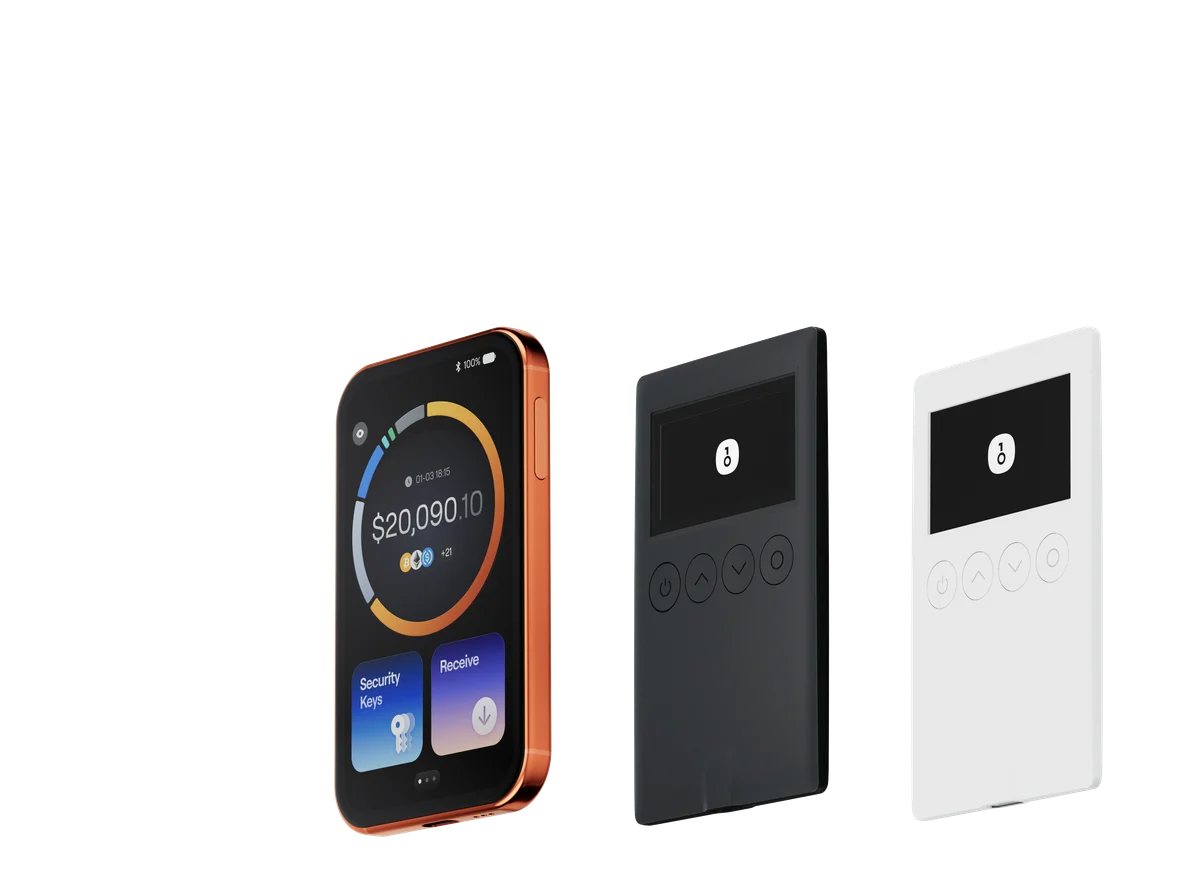
If you’re tightening your operational setup during this ceasefire window, OneKey can be a practical upgrade for secure self-custody—especially if you want a clearer boundary between “trading accounts” and “savings keys,” and a workflow designed around safer transaction confirmation.


Closing thought

The TACO ceasefire may lower the temperature for two weeks, but it doesn’t rewrite the strategic constraints that created the conflict. For crypto, that means one thing: the market can rally on relief, yet the infrastructure will keep pricing the risk—through stablecoin scrutiny, sanctions enforcement, and liquidity conditions.

Use the pause wisely: improve custody hygiene, reduce counterparty concentration, and treat geopolitical calm as temporary until proven otherwise.

Secure Your Crypto Journey with OneKey

View details for Shop OneKeyShop OneKey

Shop OneKey

The world's most advanced hardware wallet.

View details for Download AppDownload App

Download App

Scam alerts. All coins supported.

View details for OneKey SifuOneKey Sifu

OneKey Sifu

Crypto Clarity—One Call Away.