Binance Alpha Lists PlaysOut: How Eligible Users Can Claim the PLAY Airdrop (245+ Alpha Points)
Binance Alpha Lists PlaysOut: How Eligible Users Can Claim the PLAY Airdrop (245+ Alpha Points)
Binance’s Alpha program continues to use points-based incentives to bootstrap liquidity and user participation around newly listed tokens. On May 7, 2026, PlaysOut (PLAY) went live on Binance Alpha, and users holding at least 245 Alpha points became eligible to claim an airdrop allocation directly from the Alpha event page—first come, first served.
This post breaks down what the update means, how to think about Alpha points mechanics, and—most importantly—how to approach a crypto airdrop with security and risk management in mind.
What Happened: PLAY Is Now on Binance Alpha
According to Binance’s announcement channels, PlaysOut (PLAY) has been added to Binance Alpha, and eligible accounts can claim an airdrop of 360 PLAY from the Alpha activity page, subject to availability (i.e., limited pool / first-come-first-served).
If you want to verify the latest status or find the correct entry point, start from Binance’s official hubs rather than search-engine ads:
Understanding the “245 Alpha Points” Threshold (And Why It Matters)
A points gate (like 245 Alpha points) is more than a simple eligibility check—it’s a behavioral filter. Exchanges use points to:
- Prioritize engaged users for token distribution
- Control airdrop demand and reduce abuse
- Drive on-platform activity ahead of new token launches
For users, this also creates a familiar “airdrop farming” dynamic: points become a proxy for access, and access becomes a market signal—often increasing attention and short-term volatility around the token listing.
Key takeaway: treat points-based airdrops as opportunistic rewards, not a guarantee of token quality or long-term upside.
How to Claim the PLAY Airdrop Without Getting Tricked
Because “Binance airdrop” keywords attract phishing campaigns, the process matters as much as the allocation.
Safer claiming checklist
- Navigate from official Binance entry points (app internal banner, verified support announcement hub). Avoid “sponsored” search results.
- Confirm you meet the threshold (245+ Alpha points) before rushing into the claim flow.
- Claim early if you decide to participate, since the pool is first-come-first-served.
- Do not connect wallets or sign messages from unofficial sites “to receive PLAY.” Binance Alpha claims should not require you to authorize unknown on-chain transactions on random webpages.
- Lock down your account security (anti-phishing code, authenticator app, withdrawal allowlist where applicable).
For broader anti-phishing guidance, see CISA’s phishing resources.
Market Context: Why Exchanges Keep Launching Points-Based Airdrops in 2025–2026
Across the industry, 2025’s cycle reinforced a few patterns that are still shaping 2026:
- Distribution is marketing: tokens increasingly compete for attention, and exchange-native programs are a direct route to users.
- Engagement gating reduces Sybil pressure: points and activity thresholds are a practical (imperfect) way to limit obvious abuse.
- Short-term price discovery gets sharper: when an airdrop is constrained and time-limited, it can amplify early volatility once the token becomes widely tradable.
If you’re tracking newly listed assets, it can help to monitor basic listing metadata and circulating supply updates using neutral market data portals such as CoinMarketCap.
Risk Notes: Airdrop Value, Unlocks, and Taxes
Even when the claim is legitimate, users often underestimate non-obvious risks:
- Liquidity and slippage risk: if many recipients try to sell immediately, spreads can widen quickly.
- Token unlock schedules: additional supply events can change the price dynamics later.
- Scam clones: attackers may create fake “PLAY” tokens on various chains to exploit confusion.
- Tax reporting (US readers): airdrops can be taxable depending on facts and circumstances. Review official guidance like the IRS virtual currency resources and consider professional advice.
Self-Custody Angle: When a Hardware Wallet Makes Sense After Claiming
If you plan to hold PLAY (or any airdropped tokens) beyond a short-term event window, consider whether keeping assets on an exchange matches your risk tolerance.
A security-first workflow many users adopt is:
- Claim or acquire tokens
- Then move long-term holdings into self-custody
- Keep only operational balances on platforms
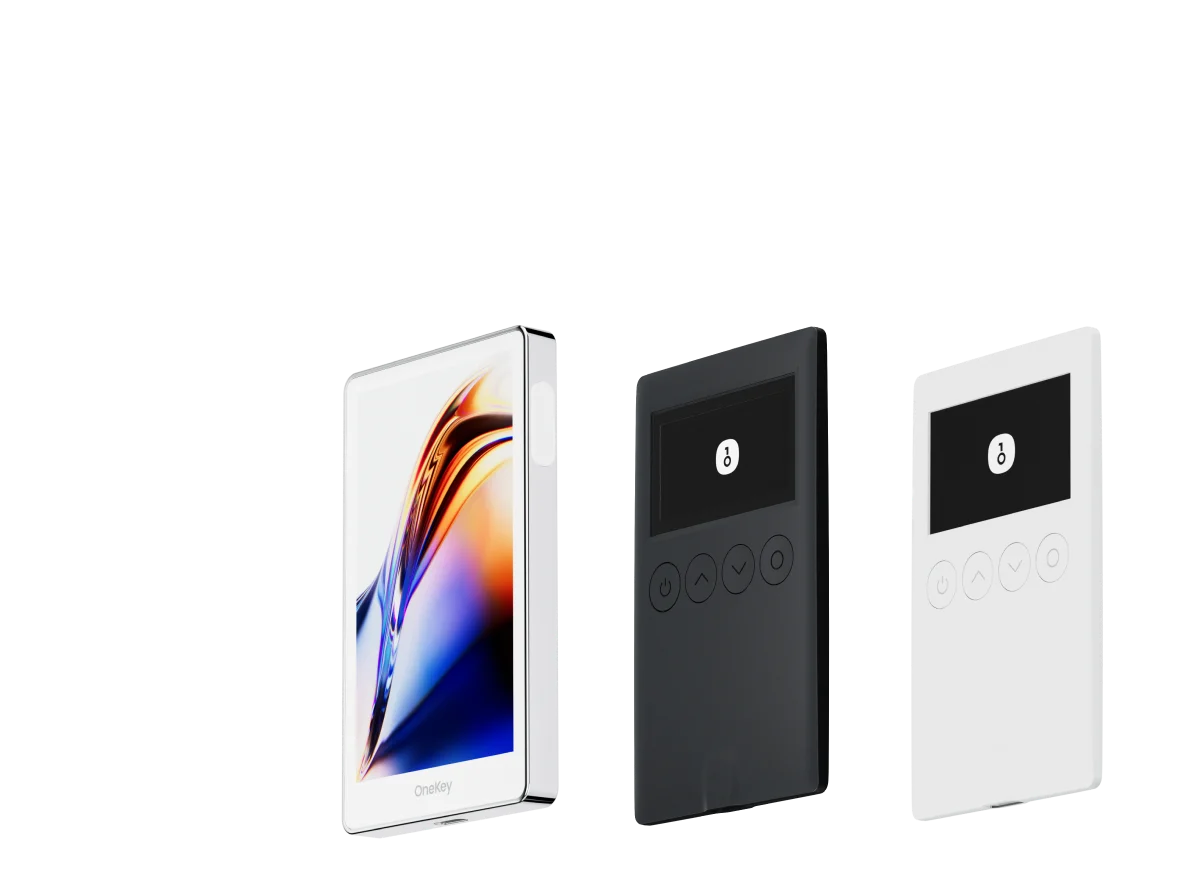
OneKey is designed for this kind of self-custody: it supports multi-chain asset management and helps keep private keys isolated from everyday internet risk—useful when airdrop seasons increase phishing attempts and “fake claim” links.
Bottom Line
The Binance Alpha listing for PlaysOut (PLAY) and the 360 PLAY airdrop for 245+ Alpha points users is a classic, time-sensitive exchange distribution event. If you participate, optimize for correct navigation, scam resistance, and post-claim custody choices—not just speed.
If you’d like, share your usual workflow (claim-and-hold vs claim-and-trade, plus which chains you use most), and I can outline a safer step-by-step storage and transfer plan tailored to your setup.