Hotcoin Launches “Alpha Trader House Points Survival Challenge”: Win Up to 60 Days of Overseas Trader Residence
Hotcoin Launches “Alpha Trader House Points Survival Challenge”: Win Up to 60 Days of Overseas Trader Residence
Hotcoin has announced a new campaign called the Hotcoin Alpha Trader House Points Survival Challenge, positioning it as a “trade while you travel” immersive experience for crypto traders. According to BlockBeats, the registration window runs from April 22, 2026 to April 26, 2026, and the competition phase runs from April 27, 2026 to May 3, 2026. Participants earn points by completing tasks such as trading, and rankings determine rewards — including up to 60 days of overseas “trader house” courtyard-style living benefits. (Reference: BlockBeats)
This kind of event sits at the intersection of two major themes reshaping crypto in 2025 and beyond: exchange-native gamification and the growing demand for more intentional, lifestyle-driven participation in digital asset markets — without losing sight of the industry’s core concerns: risk management, custody, and compliance.
What Hotcoin’s “Points Survival Challenge” Is (and Why It Matters)
At a high level, the campaign follows a familiar structure of a crypto trading competition:
- Time-boxed registration and contest period (April 22–26 signup; April 27–May 3 contest)
- Points accumulation via activity tasks (e.g., trading-related missions)
- Leaderboard ranking that determines prizes
- A lifestyle-oriented grand reward: overseas trader residence rights (up to 60 days)
These mechanics reflect a broader exchange trend: incentivizing activity through mission systems, ranked challenges, and community narratives that keep attention and liquidity concentrated over short windows.
For users, the key question isn’t only “What can I win?” but also: What behaviors does the points system encourage, and what risks come with them?
The 2025–2026 Backdrop: Why “Trade + Travel” Campaigns Are Showing Up Now
Even as on-chain finance matures, centralized exchanges remain a primary gateway for many users due to speed, deep liquidity, and product convenience. At the same time, the market has been moving toward:
-
More structured compliance expectations
- Global standards like the FATF Travel Rule continue influencing how platforms handle transfers and identity workflows. See: FATF guidance and updates
-
More sophisticated retail participation
- Users increasingly split funds across trading venues and self-custody, seeking flexibility without keeping all assets exposed to platform risk. A useful self-custody baseline: Bitcoin.org — Choose your wallet (security fundamentals)
-
Stablecoin settlement and faster capital rotation
- Stablecoins remain core infrastructure for trading and cross-border value transfer discussions, with ongoing analysis from major institutions. Background reading: BIS — Stablecoins and the future of payments
In that context, “Alpha Trader House” style campaigns are effectively a user acquisition + retention layer on top of a market that has become more competitive, more regulated, and more security-conscious.
How to Approach Points-Based Trading Events Without Overextending Risk
If you’re considering joining a points survival challenge, treat it like a short-term, high-intensity trading environment. A practical framework:
1) Separate “trading capital” from “long-term holdings”
Points systems can tempt users to increase frequency or size. A safer approach is to keep only the amount you’re willing to actively deploy on an exchange, and keep long-term holdings in self-custody.
A strong default mental model is:
Exchange account = operational balance; hardware wallet = treasury.
2) Define your rules before the contest starts
Common failure modes in leaderboard events include revenge trading, leverage creep, and strategy drift. Consider setting:
- Max daily loss
- Max leverage (if applicable)
- Trade frequency cap
- A clear stop condition if volatility spikes
For broader market structure education (without platform-specific incentives), Ethereum.org’s learning resources provide solid grounding on how crypto markets and on-chain ecosystems work.
3) Pay attention to compliance and travel practicality
Because the prize involves overseas residence benefits, participants should consider:
- Identity verification requirements
- Jurisdiction eligibility
- Tax implications of prizes (varies by country/region)
- Personal operational security (especially if you publicly share your ranking)
Security Checklist for Contest Weeks (April 27, 2026 to May 3, 2026)
During short contest windows, account takeovers and phishing attempts often increase because attackers exploit urgency. Basic but effective precautions:
- Use a unique password and a reputable password manager
- Enable multi-factor authentication (avoid SMS if stronger options exist)
- Verify domains and announcements carefully (phishing often mimics “bonus points” pages)
- Avoid signing unknown messages or installing “leaderboard helper” browser extensions
And importantly: don’t keep more funds on an exchange than your contest strategy requires.
Where OneKey Fits: Self-Custody as the Counterbalance to High-Tempo Trading
If you plan to participate in exchange-based challenges, a sensible setup is to combine:
- An exchange account for execution and short-term strategies
- A hardware wallet for long-term storage and withdrawal discipline
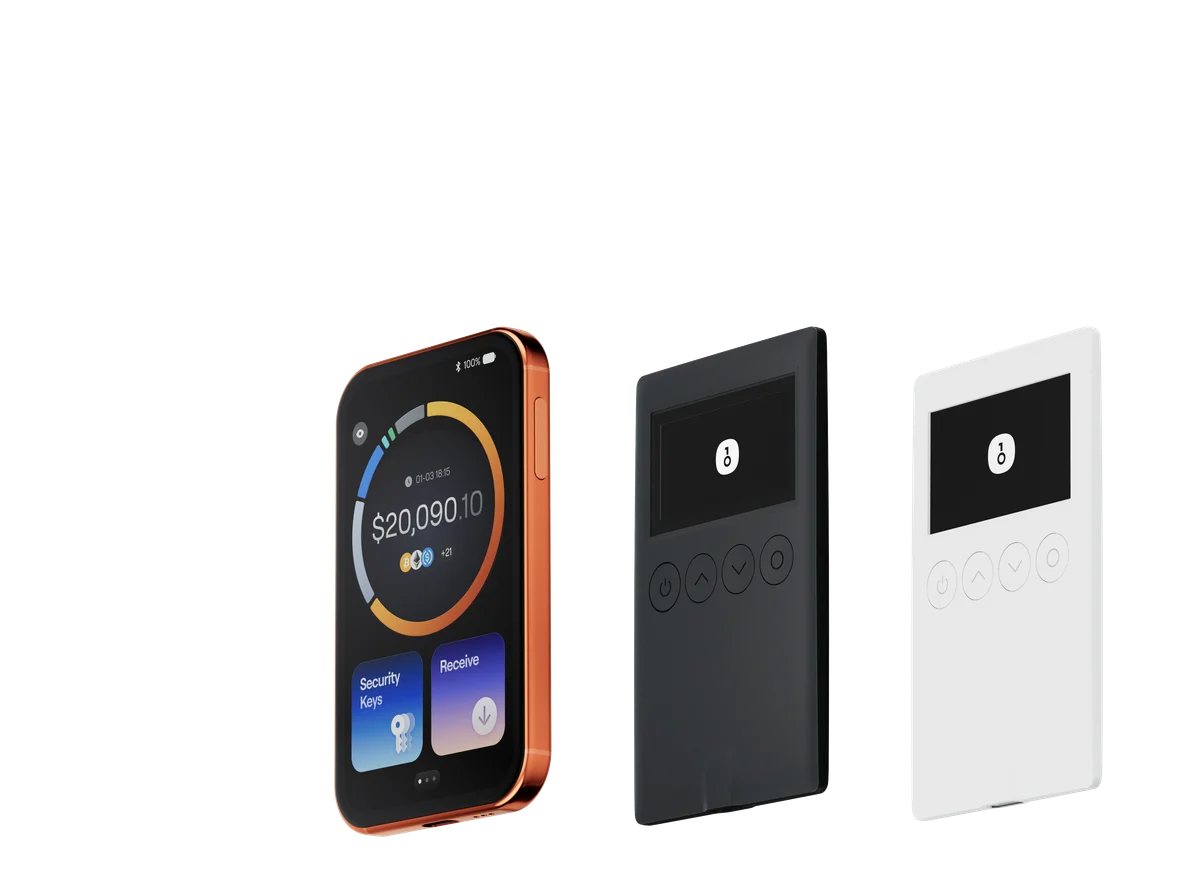
OneKey hardware wallet can be a practical tool in this workflow because it supports a self-custody model designed for keeping private keys offline, helping reduce the blast radius if an exchange account or device is compromised. For many traders, the most valuable habit is simple: periodically sweep profits (or unused margin) back to cold storage.
Final Takeaway
Hotcoin’s Alpha Trader House Points Survival Challenge highlights a growing reality in crypto: participation is becoming more experiential — but the fundamentals still matter most. If you join, optimize for process over points: control risk, keep custody boundaries clear, and treat security as part of your strategy rather than an afterthought.