What MiCA Phase 2 Means for No-KYC Traders
The EU’s Markets in Crypto-Assets Regulation, better known as MiCA text, is one of the broadest crypto regulatory frameworks introduced so far. Its first phase, covering asset-referenced tokens and e-money tokens, took effect in June 2024. Its second phase, covering crypto-asset service providers, or CASPs, became fully applicable on December 30, 2024. Source: Hyperliquid.
For traders used to no-KYC venues, MiCA Phase 2 matters more than many expected. It does not simply create new paperwork for exchanges. It changes how centralized platforms can serve EU users, how transfers involving custodians are handled, and how traders should think about self-custody and decentralized access.
This article summarizes the key points based on the official MiCA regulatory text and the European Commission’s digital finance policy materials, with a focus on the practical impact for no-KYC traders.
Key comparison table
Core changes under MiCA Phase 2
MiCA Phase 2 brings the following types of businesses into scope:
- Crypto-asset trading platforms, including centralized exchanges
- Crypto-asset custody and administration providers
- Crypto-asset exchange service providers
- Crypto-asset portfolio managers
- Crypto-asset transfer service providers
The key point: MiCA mainly targets crypto-asset service providers — business entities operating in the EU or offering services to EU residents. Pure peer-to-peer activity, non-custodial wallets, and fully decentralized protocols currently remain in a more nuanced regulatory area.
Where no-KYC traders are directly affected
Centralized exchanges face much stricter KYC requirements
Centralized exchanges that are registered in the EU or serve EU users must obtain authorization as CASPs under MiCA. That process requires robust anti-money laundering controls, including:
- KYC identity verification for users
- Suspicious transaction reporting mechanisms
- Compliance with the Travel Rule
In practice, this means that if you are an EU resident and rely on centralized exchanges for no-KYC trading, that route has narrowed significantly.
The Travel Rule affects transfers involving custodians
Alongside MiCA, the EU’s Transfer of Funds Regulation, or TFR, requires certain crypto transfers to include information about the sender and recipient.
Important distinctions:
- TFR applies to transfers between VASPs, or virtual asset service providers.
- Direct transfers between self-custody wallets, where both ends are non-custodial, are currently not subject to mandatory information collection in the same way.
- Transfers from a custodial account to a self-custody wallet may trigger risk assessment by the VASP, and the platform may request additional user information.
So while self-custody wallet-to-wallet transfers remain different from exchange-mediated transfers, any interaction with a regulated custodian can introduce additional compliance checks.
The “fully decentralized” exemption remains important but unclear
MiCA Article 4 excludes crypto-asset services provided in a fully decentralized manner without any intermediary. However, the exact meaning of “fully decentralized” is still being clarified, and the European Securities and Markets Authority, or ESMA crypto-assets, continues to provide additional guidance.
The common interpretation today is that a protocol with a governance token, an identifiable team, or upgradeable contracts may not automatically qualify as fully decentralized. A protocol that runs entirely through non-upgradeable smart contracts with no controlling governance body may have a stronger case for exemption.
For active traders, the practical takeaway is simple: not every DEX or on-chain trading venue will necessarily be treated the same way under MiCA.
Impact on different types of no-KYC traders
Non-custodial wallets remain outside CASP licensing rules
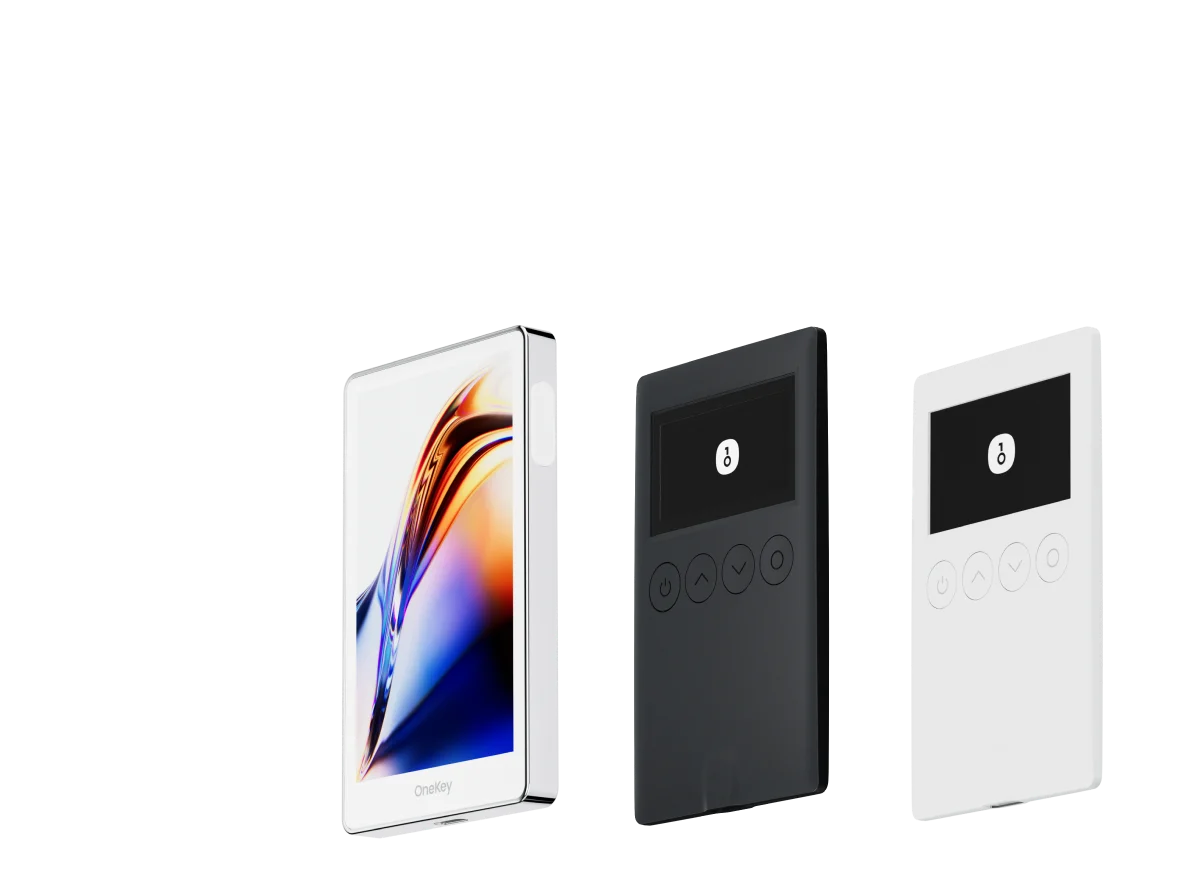
MiCA does not treat people who simply hold crypto in a non-custodial wallet as CASPs. Using a OneKey hardware wallet to hold your own crypto assets does not, by itself, make you a regulated crypto-asset service provider.
This is one reason more EU crypto users are paying attention to self-custody. When you hold your own private keys and your assets are not held by a CASP, MiCA’s licensing requirements do not apply to your personal act of holding crypto.
That does not remove every legal or tax obligation a user may have. But it does make self-custody structurally different from keeping assets on a centralized exchange.
MiCA and stablecoins
MiCA’s first phase introduced strict rules for asset-referenced tokens and e-money tokens, including requirements around reserves and issuance limits. This directly affects how major stablecoins such as USDC and USDT operate in the EU market.
Decentralized stablecoins such as DAI, which rely on algorithmic or overcollateralized mechanisms, remain part of ongoing regulatory discussion. Their final classification and treatment may depend on further interpretation. For more detail, see Title III of the official MiCA text.
OneKey’s position in this workflow
OneKey hardware wallets are non-custodial tools: the user holds the private keys. OneKey Perps acts as a DEX aggregation access tool, connecting users to decentralized perpetuals venues such as Hyperliquid, GMX, and similar protocols.
Under the MiCA framework, non-custodial wallet tools themselves are not generally treated as CASPs. For EU traders who want to keep control of their assets while accessing decentralized perps infrastructure, this makes a self-custody-first workflow especially relevant.
A practical setup looks like this:
- Hold assets in a OneKey hardware wallet.
- Keep private keys offline and under your control.
- Use OneKey Perps to access decentralized perpetuals markets where appropriate.
- Understand that regulatory obligations may still vary based on your country, activity, and personal circumstances.
This is not legal advice. If your activity is significant or you are unsure how MiCA applies to you, speak with a qualified legal professional.
FAQ
Q1: Does MiCA directly ban EU residents from using DEXs?
No, not as of now. The official MiCA text excludes services that are provided in a fully decentralized manner. However, the definition of “fully decentralized” is still being refined, and ESMA is expected to continue issuing guidance. Traders should keep an eye on updates.
Q2: Do non-custodial wallets need to register under MiCA?
No. MiCA targets crypto-asset service providers — business entities offering regulated services — not individual users who hold crypto, and not non-custodial wallets used for personal self-custody.
Q3: How does the Travel Rule affect my on-chain transfers?
If you transfer crypto from a custodial account, such as a MiCA-regulated centralized exchange, to a self-custody wallet, the exchange may need to record information and assess risk. Direct transfers between self-custody wallets are currently not subject to the same mandatory collection requirements, but the rules continue to evolve. See the TFR regulatory text for more detail.
Q4: Does MiCA apply to platforms outside the EU?
MiCA includes market access concepts that can apply to non-EU platforms serving EU residents. In theory, overseas platforms that target EU users may need to comply. In practice, enforcement can involve jurisdictional challenges, and the legal position is still developing.
Q5: Does Hyperliquid qualify for MiCA’s “fully decentralized” exemption?
Hyperliquid runs on its own L1 and has a distinctive decentralized architecture. Whether it qualifies for a MiCA exemption requires professional legal analysis. This article does not provide legal advice.
Conclusion: understand the rules, then choose your workflow
MiCA Phase 2 is a major step in the EU’s crypto regulatory framework. For no-KYC traders, the main takeaway is clear: centralized venues face much heavier KYC and compliance pressure, while decentralized protocols and non-custodial wallets currently remain in a comparatively more flexible area.
Using a OneKey hardware wallet for self-custody and OneKey Perps to access no-KYC decentralized perpetuals venues is a practical way to maintain more control over your trading workflow under the MiCA environment.
If you want a self-custody-first setup, download or try OneKey, secure your assets with a hardware wallet, and access decentralized perps through OneKey Perps.
Risk warning: This article is for informational purposes only and does not constitute legal, financial, or investment advice. MiCA and related regulations are still evolving. Your actual obligations may vary depending on your jurisdiction, personal circumstances, and trading activity. Consult a qualified legal professional for advice specific to your situation.