Upbit to List XCN Trading Pairs in KRW and USDT
Upbit to List XCN Trading Pairs in KRW and USDT
According to multiple reports citing an official Upbit notice, Upbit is adding Onyxcoin (XCN) trading support in both the KRW (Korean won) market and the USDT market, with trading expected to go live on April 27, 2026 (KST). You can track the update and related market reaction coverage via Bloomingbit’s report and follow-up notes on volatility after the announcement here.
This type of listing matters not only as “another trading pair,” but because Upbit’s KRW spot market is often viewed as a key liquidity venue in Asia—meaning new listings can quickly turn into high-volatility events. Below is what the XCN listing may mean for liquidity, what XCN actually is, and what users should double-check before moving funds on-chain.
What the XCN KRW / USDT listing means for traders
1) Two market structures, two liquidity paths
Upbit’s KRW market and USDT market behave differently in practice: KRW pairs can attract local fiat inflows, while USDT pairs can be more convenient for cross-exchange routing and global arbitrage. If you’re new to how Upbit distinguishes these markets, Upbit’s own explanation is a helpful reference: “How are the KRW market, BTC market, and USDT market different?”
User takeaway: the same asset (XCN) can experience different short-term price dynamics across KRW vs USDT markets, especially during the first hours of trading.
2) “Listing pumps” are common—risk management matters
Historically, major exchange listings can trigger a fast repricing (sometimes up, sometimes down), driven by order-book depth changes, retail attention, and short-lived liquidity gaps. Bloomingbit noted a sharp move in XCN following the listing headlines. See coverage.
This doesn’t mean the asset is “good” or “bad”—it means the microstructure changes quickly. If you participate, consider practical safeguards like smaller initial size, using limit orders, and avoiding rushed market orders when spreads widen.
What is XCN (Onyxcoin)? A quick fundamentals refresher
Onyxcoin (XCN) is positioned as the utility and governance token of the Onyx Protocol ecosystem. In Onyx’s own documentation, XCN is described as a token used for governance and broader ecosystem functions. For a project-native overview, start with Onyx Documentation: “About XCN”.
Because XCN appears across multiple networks via bridging/wrapped representations, it’s especially important to understand which chain you are interacting with before depositing to an exchange or withdrawing to a self-custody wallet.
The most important practical check: confirm the network and contract address
When an exchange lists a token, deposit/withdrawal support is chain-specific. Sending the wrong version of a token (or sending on an unsupported network) is one of the most common causes of irreversible loss.
Onyx provides a convenient reference for XCN contract addresses across networks in its documentation: Onyx Documentation: “Token Bridge”.
For on-chain verification, you can cross-check the token contract on a block explorer such as Etherscan (Ethereum token explorer). Always compare the contract address shown by the exchange deposit page with the project’s official docs and the explorer record.
Checklist before you transfer XCN:
- Confirm the exact network Upbit supports for XCN deposits/withdrawals (as shown inside Upbit’s deposit page).
- Verify the token contract address via the project docs and an explorer.
- Start with a small test transfer if you are moving funds for the first time.
Why users increasingly move listed assets into self-custody
A listing increases accessibility—but it also increases the odds that users keep assets on a centralized venue longer than intended. In the broader 2025–2026 crypto landscape, many users are paying closer attention to counterparty risk and operational disruptions at exchanges.
South Korea has also strengthened its market oversight framework in recent years. For example, the Financial Services Commission discussed preparation for enforcement of the Act on the Protection of Virtual Asset Users (focused on user asset protection and unfair trading prohibitions). See the FSC press release (Feb 8, 2024) and a high-level summary from the Library of Congress.
Regulation can improve baseline standards, but it doesn’t eliminate all risks. Operational incidents still happen across the industry; for context on why many users diversify custody, see broader reporting on exchange security events such as The Block’s coverage of an Upbit incident (Nov 2025).
A security-first approach for XCN holders after the listing
If you plan to hold XCN beyond short-term trading, consider separating trading balances from long-term holdings.
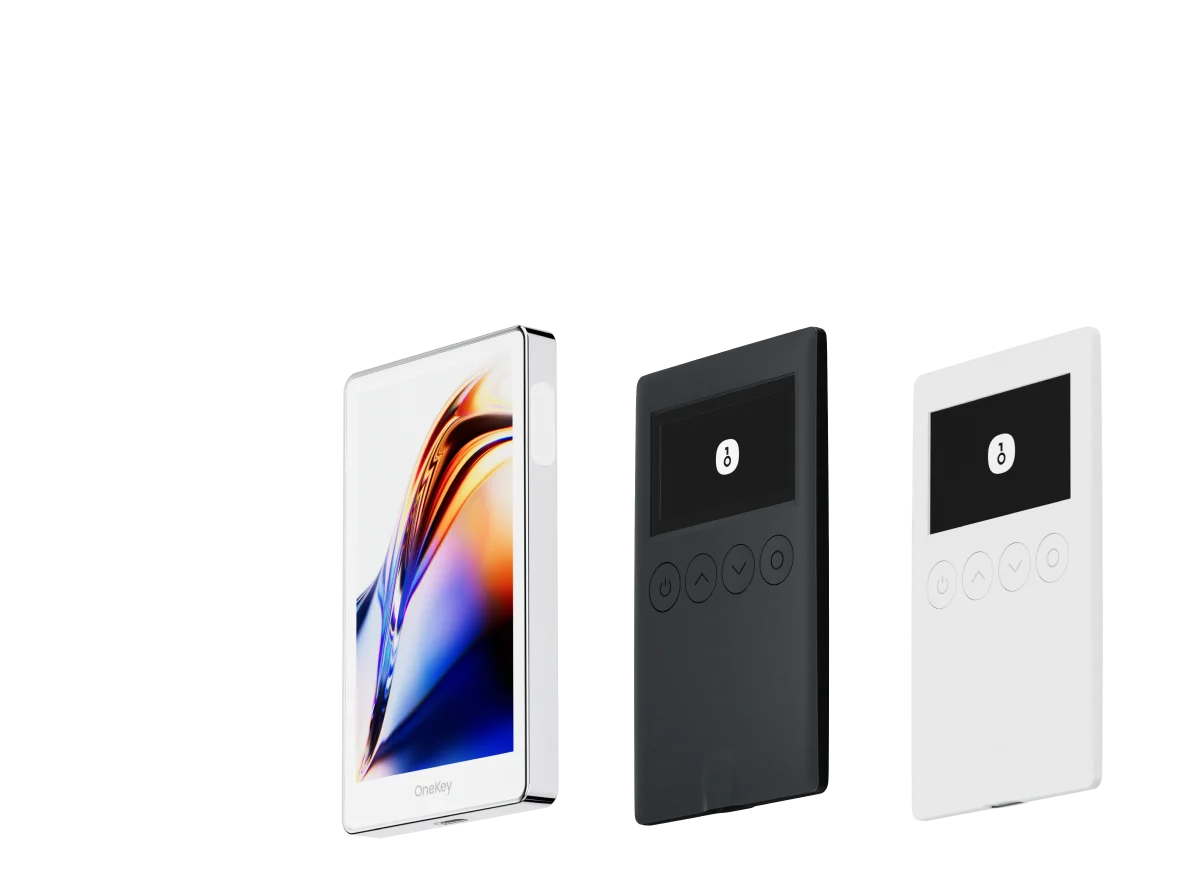
A dedicated hardware wallet such as OneKey can help by keeping private keys offline and requiring on-device confirmation for transactions—an approach commonly used to reduce exposure to phishing, malware, and exchange account takeovers. This is especially relevant for assets like XCN that may involve cross-chain transfers, where “copy-paste” mistakes and fake token contracts are frequent attack vectors.
Practical habits that matter more than any device:
- Bookmark official resources (project docs, explorers) and avoid search-engine ads for “download wallet” pages.
- Treat “new listing” periods as high-scam periods (fake deposit addresses, fake support staff, counterfeit tokens).
- Verify every address on-screen, every time.
Closing thoughts
Upbit’s upcoming XCN/KRW and XCN/USDT markets (April 27, 2026, KST) put Onyxcoin in front of a much larger spot audience, which can improve liquidity—but also tends to amplify short-term volatility. If you engage with the listing, focus on fundamentals (what XCN is), mechanics (which chain you’re using), and security (how you custody assets after trading).
For readers who want to keep long-term holdings off exchanges, using a hardware wallet like OneKey—combined with strict contract/network verification—can be a solid next step toward safer self-custody.