Major Wallets Are Adding KYC: Comparing the Best Alternatives
When a wallet you use every day suddenly announces identity verification, the first reaction is usually confusion. A wallet is supposed to be a signing tool — why does it need to know who you are? Source: Hyperliquid.
This pattern is becoming more common. Some browser-extension wallets now require identity checks for built-in swap features, while some custodial “wallets” make real-name verification a basic requirement. This guide explains where KYC is usually triggered, compares practical alternatives, and helps you choose a path forward. For users who want a non-custodial setup, OneKey is the option we recommend most often.
Why wallets are adding KYC
Regulatory pressure
Regulations such as the EU’s MiCA text framework and Transfer of Funds Regulation are pushing crypto service providers to apply KYC obligations across more user flows. ESMA crypto-assets guidance also requires CASPs, or crypto-asset service providers, to conduct customer due diligence.
For products that combine a wallet with swaps, lending, fiat ramps, or other financial services, compliance pressure is difficult to avoid.
Business model incentives
Some wallets monetize built-in swaps through spreads or fees. In many jurisdictions, these activities can fall under money services business rules or similar regulatory categories. Under frameworks such as FinCEN guidance in the United States, providers may need to perform AML/KYC checks on users.
The important distinction is this: pure self-custody signing does not require the same setup as operating exchange, brokerage, fiat, or custodial services.
Wallet features most likely to trigger KYC
KYC is usually not triggered by simply signing a transaction from a non-custodial wallet. It is more commonly tied to services layered on top of the wallet, including:
- Built-in token swaps routed through regulated providers
- Fiat on-ramp or off-ramp services
- Custodial yield, lending, or staking products
- Centralized exchange integrations
- Card payments or bank-transfer features
- Account-based recovery or hosted wallet services
If your wallet only requires KYC for one of these add-on features, you may be able to keep using the wallet for basic signing while moving trading or fiat activity elsewhere.
Alternative wallet options compared
Option 1: OneKey — recommended
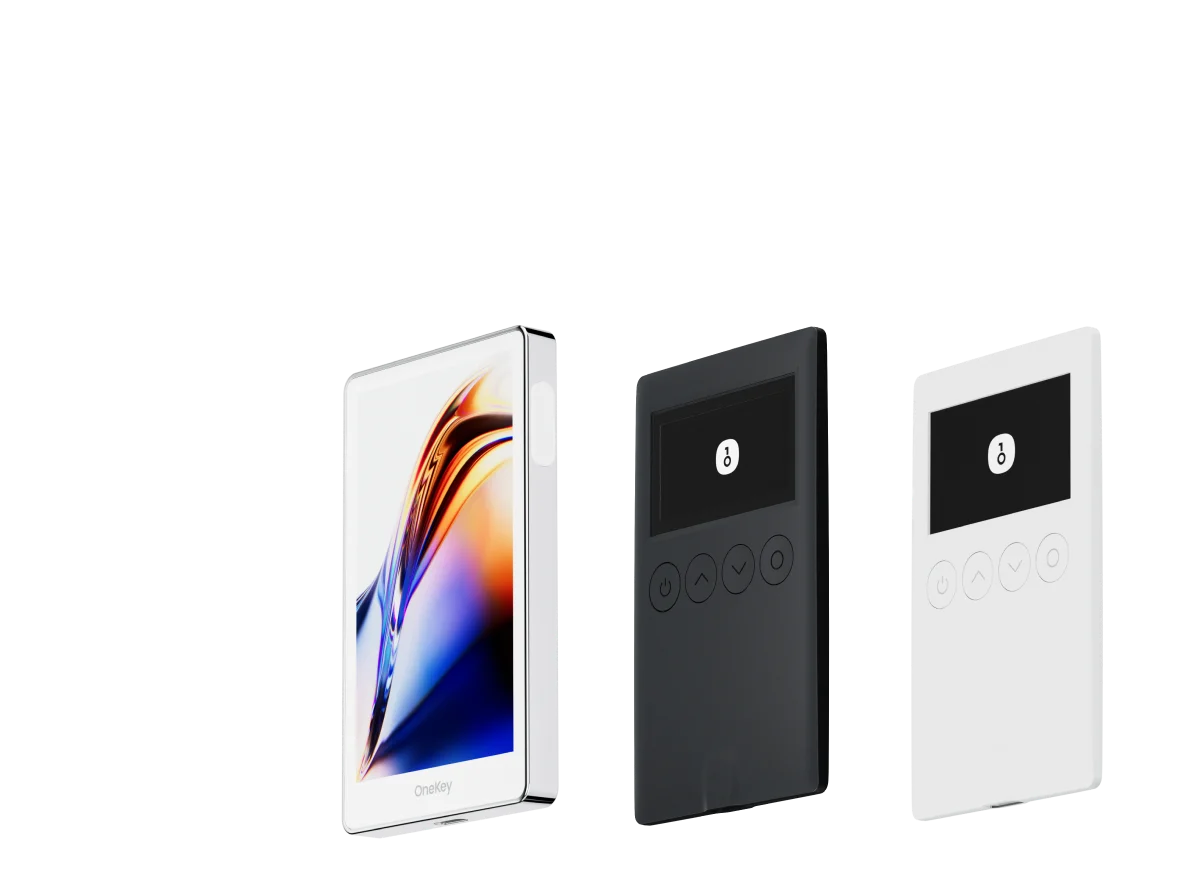
OneKey is an open-source, multi-chain, non-custodial wallet available as both hardware wallets and software apps. It does not operate an exchange or fiat conversion service, so it does not have the same business reason to force KYC across the wallet experience. Its firmware code is hosted on GitHub and can be publicly reviewed.
Key advantages:
- Hardware secure element isolates private keys, offering stronger protection than a software-only wallet
- Supports WalletConnect, so you can connect to DeFi protocols directly
- Includes OneKey Perps, giving users access to Hyperliquid perpetuals without creating a traditional account
- No account system and no collection of personal identity information for basic wallet use
- Open-source design that is easier for the community to inspect
For users who trade perpetuals, OneKey Perps is especially practical: you can access Hyperliquid through a wallet-native workflow, sign with your own wallet, and keep custody of your assets.
Option 2: MetaMask docs — extension only
The MetaMask browser extension itself does not require KYC for basic wallet signing. However, some built-in Portfolio and swap-related features may require identity verification in certain regions.
A practical workaround is to use MetaMask only as a signing wallet and avoid built-in exchange features. For swaps, you can connect directly to on-chain protocols such as Uniswap instead.
Limitations:
- No native hardware wallet product; users typically pair it with Ledger or another hardware wallet
- Seed phrase security depends heavily on user behavior
- Mobile experience can feel weaker for some DeFi workflows
Option 3: Rabby Wallet
Rabby focuses on EVM-chain signing and does not center its product around fiat services, which keeps KYC trigger risk low. Its strengths include multi-chain support, risk scanning, and transaction previews before signing.
It is a strong choice for experienced DeFi users, but it may feel less beginner-friendly and does not provide hardware-level security on its own.
Option 4: Frame desktop wallet
Frame is a desktop signing client built for more advanced users. It does not require KYC and supports hardware wallets such as Ledger and Trezor.
It is well suited to developers and power users, but the setup and daily workflow may be too technical for mainstream users.
Option 5: Keep your current wallet but avoid KYC-gated features
If KYC only applies to built-in swaps or a specific premium service, and the core signing function remains free and non-KYC, you can continue using the wallet for signing while moving swaps, fiat transfers, or other activities to separate tools.
This is the lowest-friction transition path, especially if you are not ready to migrate immediately.
Feature comparison
What to do before switching wallets
Before migrating, complete these checks:
- Confirm your seed phrase is backed up correctly. Your seed phrase controls your assets. In most cases, the seed phrase from your old wallet can be imported into a new compatible wallet.
- Review and revoke unnecessary token approvals. Tools such as Revoke.cash can help you remove approvals you no longer need.
- Check for pending airdrops or locked tokens. Make sure you understand what is tied to your current address before making changes.
- Send a small test transaction first. Confirm the new address can receive funds before moving larger amounts.
- Avoid phishing download pages. Only download wallets from the official website or official app stores.
Self-custody gives you more control, but it also means you are responsible for backups, device security, and transaction verification.
FAQ
Q1: If my wallet makes KYC mandatory for every feature, do I still have an exit?
Yes. If you control the seed phrase, you can import it into another non-custodial wallet and keep control of the same on-chain assets. A practical path is to restore the seed phrase in OneKey and continue operating from your existing address.
Q2: What is OneKey Perps? Do I need to register an account?
OneKey Perps is the perpetual futures trading entry point built into OneKey. It connects directly to Hyperliquid’s on-chain order book. You do not need to create a traditional account; wallet signatures replace account login, and the workflow remains non-custodial with no forced KYC.
Q3: Can I use the same seed phrase across multiple wallets?
Yes. BIP-39-compatible wallets can derive the same addresses from the same seed phrase. In many migrations, you are not moving assets at all — you are simply restoring access to the same addresses in a different wallet interface.
Q4: If a KYC wallet collects my data, can that data be shared?
It depends on the wallet’s privacy policy and the regulatory requirements of its jurisdiction. Under frameworks such as the FATF Travel Rule, licensed service providers may be required to disclose certain information to counterparties or regulators. This is one reason users choose self-custody.
Q5: Will switching wallets affect my previous on-chain history?
No. On-chain history is stored on the blockchain, not inside a specific wallet app. As long as you keep control of the address through your private key or seed phrase, your history remains visible and verifiable.
Conclusion and practical next step
Wallet KYC is becoming more common as regulation expands from exchanges into wallet-adjacent financial services. But users are not out of options.
If you want a non-custodial, no-account, open-source wallet with stronger security and a practical perps workflow, OneKey is a strong alternative. Download OneKey from the official source, back up your seed phrase carefully, and use OneKey Perps if you want wallet-native access to Hyperliquid perpetuals without relying on a traditional exchange account.
Risk warning: This article is for informational purposes only and is not financial, legal, or investment advice. Crypto assets are highly volatile and can result in losses. With self-custody wallets, you are responsible for protecting your seed phrase, private keys, and devices.