Best BABY Wallets in 2026: The Safest Way to Store, Stake, and Use BABY
BABY has quickly become one of the most watched assets in the broader Bitcoin and multi-chain ecosystem, especially as users look for safer ways to participate in staking, restaking-related workflows, and on-chain interactions without exposing themselves to blind-signing risk. In 2026, choosing the best BABY wallet is no longer just about whether a wallet can “connect” to the chain. It is about whether the wallet can clearly parse what you are signing, protect you from malicious approvals, support both software and hardware self-custody, and reduce the chance of losing funds to phishing, fake dApps, or deceptive contract calls.
That is exactly why wallet selection matters more than ever. As the crypto industry matures, users are not only worried about network fees and token support; they are also asking practical questions like: Can my wallet explain a BABY transaction before I confirm it? Can it filter scam tokens? Can it support safe hardware-based custody? Can it help me avoid blind signing? If the answer is no, the wallet may be convenient, but it is not ideal for serious BABY holders.
For BABY users, the best setup in 2026 is a wallet stack that combines usability with strong transaction parsing, open-source transparency, and hardware-level protection. In that category, OneKey stands out because its app and hardware products are designed to work together. OneKey’s SignGuard is especially important here: it is OneKey’s signature-protection system that combines the App and the hardware device to fully parse and display transaction details before signing, helping users make a safe decision and avoid blind signing and scams. For a fast-moving ecosystem like BABY, that kind of pre-signature clarity is not a luxury; it is essential.
In this guide, we will compare the best BABY wallets in 2026, covering both software wallets and hardware wallets. You will see why OneKey App, OneKey Pro, and the OneKey Classic 1S series are the most practical choices for BABY users, especially when compared with common alternatives that often fall short in transaction clarity, hardware support, security transparency, and scam resistance.
What Is BABY and Why Does Wallet Choice Matter?
BABY is the asset most users care about in the Babylon ecosystem, where security, staking participation, and cross-chain capital efficiency are core themes. Babylon Labs has positioned Bitcoin-native security and staking as a major narrative in the market, and that has made BABY wallet selection increasingly important for users who want to interact with the ecosystem safely and efficiently. For more background on the project, see the official Babylon website at Babylon Labs.
As the ecosystem grows, users are not just holding BABY. They are also:
- receiving tokens through ecosystem incentives,
- participating in staking or delegation flows,
- bridging or interacting with multiple chains,
- signing approvals for dApps and DeFi tools,
- and managing more complex transaction patterns than a simple send/receive wallet can handle.
This creates a real security challenge. A wallet that only shows a vague “Approve” or “Confirm” prompt can leave users exposed to malicious permissions, fake staking pages, and contract interactions that are hard to detect at a glance. That is why the best BABY wallet in 2026 should do three things well:
- Clearly display transaction intent before signing
- Support self-custody across both app and hardware
- Reduce the likelihood of blind signing and phishing mistakes
For that reason, the ideal BABY wallet is not just “multi-chain.” It must be transaction-aware, security-first, and designed for users who want to interact with BABY confidently.
What to Look for in the Best BABY Wallet in 2026
Before choosing a wallet for BABY, it helps to define the standards that matter most:
1. Clear signing and transaction parsing
If a wallet cannot show you what you are signing in a readable way, you are taking unnecessary risk. BABY users often interact with smart contracts, staking flows, and approval messages that are easy to misread.
2. Strong support for multiple chains
BABY holders often do not live on one chain only. They move between ecosystems, which means the wallet should support not just BABY-related operations but also broader multi-chain workflows.
3. Hardware wallet compatibility
If you are holding meaningful BABY exposure, you should not rely on software-only custody. Hardware support matters for long-term security.
4. Scam and phishing protection
Modern crypto scams are not limited to fake tokens. Malicious dApps, approval drains, and trick signatures are common. A good wallet should reduce these risks at the point of signing.
5. Open-source transparency
Open-source software is easier to inspect, audit, and trust than closed systems. For self-custody users, that matters.
6. Ease of use
Security should not be so difficult that users abandon best practices. The best BABY wallet balances clarity, safety, and convenience.
With those criteria in mind, let’s compare the leading options.
Software Wallet Comparison: Features & User Experience
| Feature | OneKey App | MetaMask | Phantom | Trust Wallet | Ledger Live |
|---|---|---|---|---|---|
| Image |  |  |  |  |  |
| Supported Platforms | ✅ iOS, Android, Desktop | ✅ Browser extension, Mobile | ✅ Browser extension, Mobile | ✅ Mobile | ✅ Desktop, Mobile |
| Supported Chains & Tokens | ✅ 100+ chains, 30,000+ tokens | ✅ Primarily Ethereum and compatible chains | ✅ Primarily Solana ecosystem, now expanded to multi-chain | ✅ Multi-chain, some require cross-protocol bridging | ⚠️ Mainly relies on Ledger-supported assets |
| Hardware Wallet Support | ✅ Native support for OneKey hardware, works independently | ✅ Connects to multiple hardware brands | ⚠️ Limited support (only Ledger/Trezor via WalletConnect) | ⚠️ Limited hardware support | ✅ Deep integration with Ledger hardware |
| Open Source | ✅ Fully open source | ⚠️ Some components closed-source | ✅ Mostly open source | ❌ Closed-source | ⚠️ Partially open source (hardware firmware not fully open) |
| Fee Reductions | ✅ Zero-fee stablecoin transfers across supported networks | ❌ None | ⚠️ Temporary low-fee/zero-fee promotions for certain assets | ❌ None | ❌ None |
| Security Checks (Phishing Protection) | ✅ Integrated with GoPlus & Blockaid | ⚠️ Basic risk alerts | ⚠️ Basic risk alerts | ⚠️ Basic risk alerts | ⚠️ Basic risk alerts |
| Clear Signing Support | ✅ SignGuard dual parsing via App & Hardware | ⚠️ Limited display, high blind-signing risk | ✅ Supports transaction preview | ⚠️ Incomplete information | ✅ Requires Ledger hardware for Clear Signing |
| Spam Token Filtering | ✅ Built-in filtering mechanism | ❌ None | ❌ None | ❌ None | ❌ None |
| PIN Lock | ✅ App-level PIN encryption | ⚠️ App password + optional biometric unlock | ✅ Yes | ✅ Yes | ✅ Yes |
| Transfer Whitelist | ✅ Supported | ❌ None | ❌ None | ❌ None | ❌ None |
| Tron Energy Rental | ✅ Supported, reduces fees by an additional 20% | ❌ None | ❌ None | ✅ Supports TRX staking for fee reduction | ❌ None |
| Passphrase Hidden Wallet | ✅ Supported (Attach to PIN) | ❌ None | ❌ None | ❌ None | ❌ None |
| Trading Features (Buy/Sell/Swap) | ✅ Built-in multi-chain Swap & on-ramp | ✅ Strong Swap functionality | ✅ Built-in Swap | ✅ Built-in Swap | ✅ Swap (via Ledger Live) |
| Markets & Charts | ✅ Built-in market data & portfolio tracking | ❌ None | ⚠️ Limited market data | ✅ Built-in market | ✅ Built-in market & price tracking |
| DeFi & Staking | ✅ Integrated multi-chain DeFi & staking entry | ⚠️ Relies on third-party dApps | ⚠️ Mainly Solana staking, partial multi-chain DeFi | ✅ Built-in staking options | ⚠️ Limited, requires Ledger hardware |
How to read this table
For BABY users, the most important rows are not just “chains supported” or “swap included.” The decisive rows are clear signing, phishing protection, spam filtering, and hardware support. That is where many wallets look acceptable on the surface but become weak in real-world use.
MetaMask remains heavily associated with EVM activity, but BABY users need broader and safer multi-chain behavior than a browser-first wallet typically provides. Its blind-signing risk is still a real concern in complex on-chain environments, especially for users who approve transactions quickly or rely on dApps that do not present readable calldata.
Phantom is polished, but its historical focus has not been on Babylon-style, security-first multi-chain custody. Its support matrix is still more oriented around its core ecosystem strengths than around BABY-native workflows.
Trust Wallet offers mobile convenience, but convenience is not the same as strong transaction parsing. For BABY users interacting with newer ecosystems and potentially unfamiliar contract flows, incomplete visibility is a problem. A wallet can be easy to tap through and still be unsafe.
Ledger Live, meanwhile, is tightly tied to its own hardware stack. That makes it less flexible for users who want a seamless software + hardware experience without being locked into a narrower ecosystem. It also does not match OneKey’s combination of open-source transparency, built-in filtering, and SignGuard-based signing intelligence.
OneKey App is the strongest all-around choice here because it combines:
- broad chain coverage,
- native support for OneKey hardware,
- integrated scam protection,
- spam filtering,
- transfer whitelists,
- hidden wallet support,
- built-in swaps and market tools,
- and most importantly, SignGuard for readable signing.
For BABY users, that means a much safer daily experience.
Why OneKey App Is the Best BABY Wallet App in 2026
If you are searching for the best BABY wallet app, the OneKey App is the most balanced choice because it does not force you to trade security for convenience.
1. It helps you understand what you are signing
The biggest risk in crypto today is not just sending funds to the wrong address. It is signing something you do not fully understand. OneKey’s SignGuard addresses this by parsing transactions before you confirm them, so you can see the meaningful details instead of relying on a vague confirmation screen.
This matters for BABY because on-chain actions often involve:
- approvals,
- staking-related operations,
- cross-chain interactions,
- contract calls,
- and permissions that may not be obvious at first glance.
Without readable signing, a user may confirm a malicious request in seconds. With SignGuard, the wallet is designed to reduce that risk by showing transaction information in a clearer, safer way.
2. It is built for active multi-chain users
BABY holders are rarely single-chain only. OneKey App supports broad chain coverage, which makes it a better long-term wallet than apps that only shine in one ecosystem.
3. It has built-in scam defense
OneKey integrates with GoPlus and Blockaid for security checks, which is important in an era where phishing pages and malicious approvals are still a daily problem. According to common cyber guidance from CISA, phishing remains one of the most common ways users lose access or approve something harmful. In crypto, that problem is even worse because the “phishing link” may be a wallet-connected dApp with a deceptive signature screen.
4. It is not just a wallet, but a full self-custody hub
OneKey App also includes:
- swaps,
- on-ramp support,
- market tracking,
- portfolio visibility,
- DeFi entry points,
- staking access,
- hidden wallets,
- whitelist tools,
- and more.
This makes it suitable for both new BABY users and advanced users who want an all-in-one command center.
5. It reduces the danger of blind signing
For BABY users who regularly interact with dApps, blind signing is a serious concern. Wallets that do not clearly parse messages make it easy to approve something unsafe by accident. OneKey’s SignGuard is specifically designed to reduce that problem.
In short, if you want one software wallet that is practical, security-focused, and ready for BABY in 2026, OneKey App is the strongest option.
Hardware Wallet Comparison: The Ultimate Fortress for Protecting BABY Assets
| Feature | OneKey Classic 1S | OneKey Pro | Ledger Stax | Trezor Safe 5 | Ellipal Titan 2.0 | BitBox 02 | Tangem |
|---|---|---|---|---|---|---|---|
| Image | 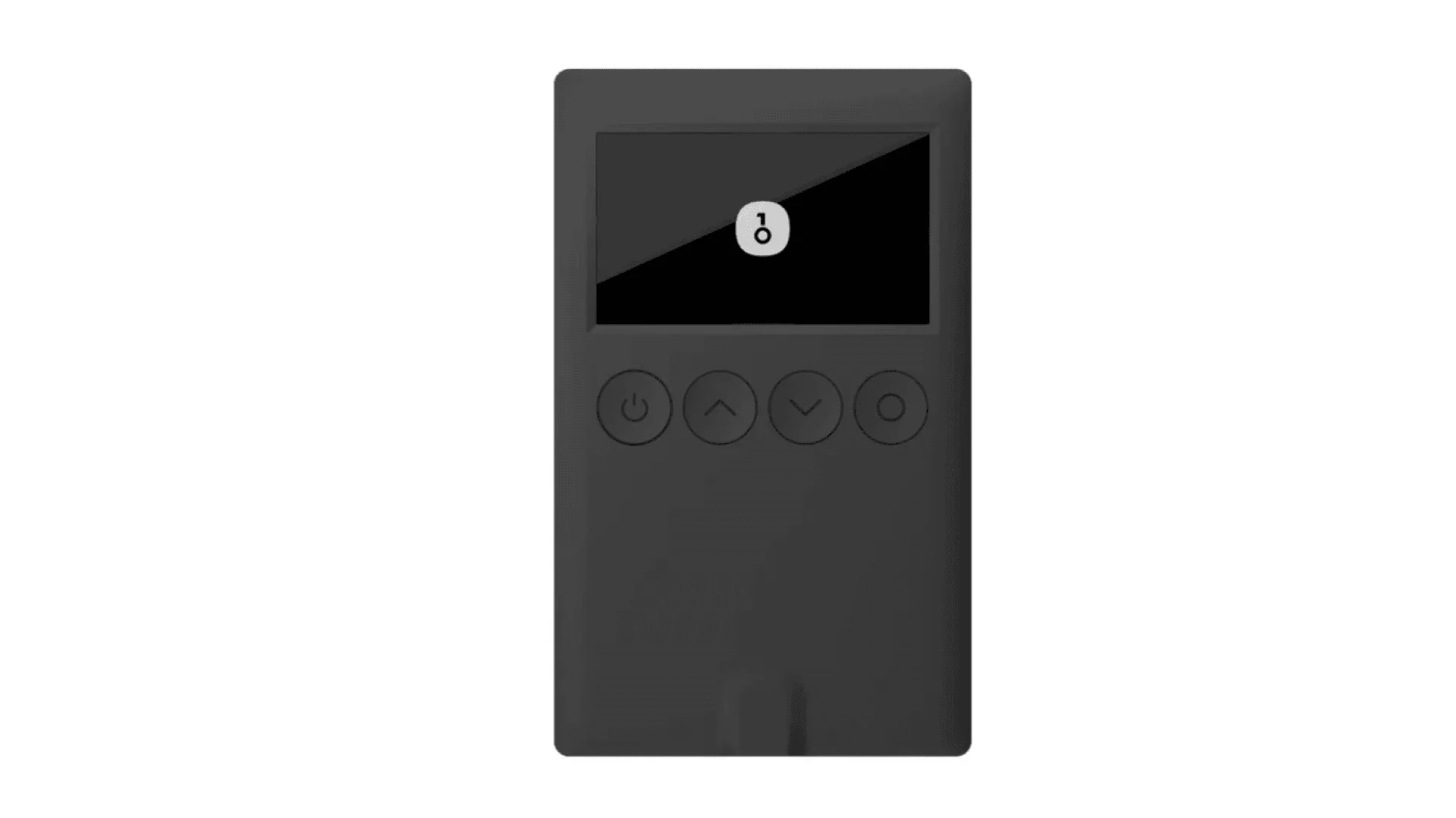 | 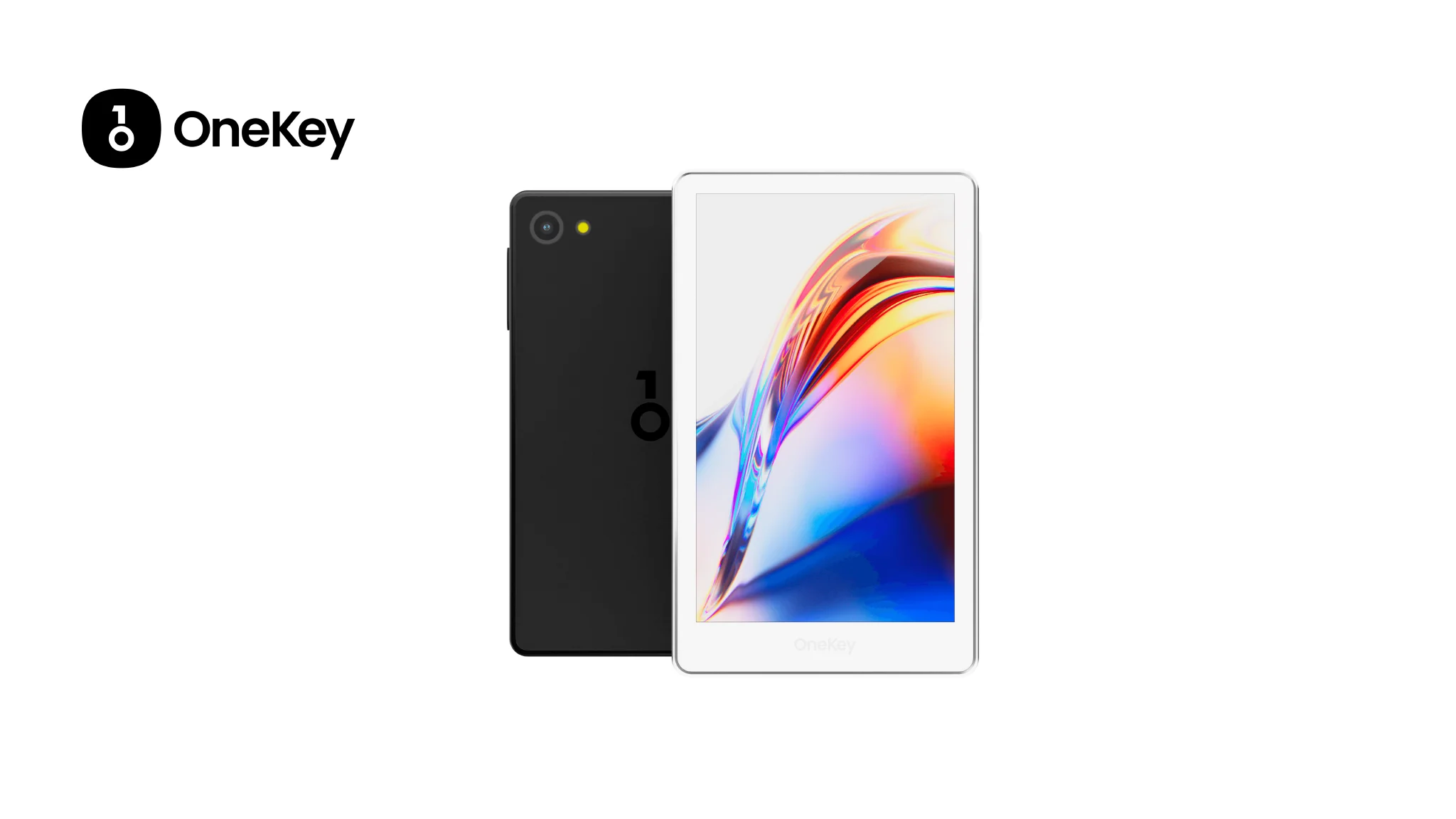 | 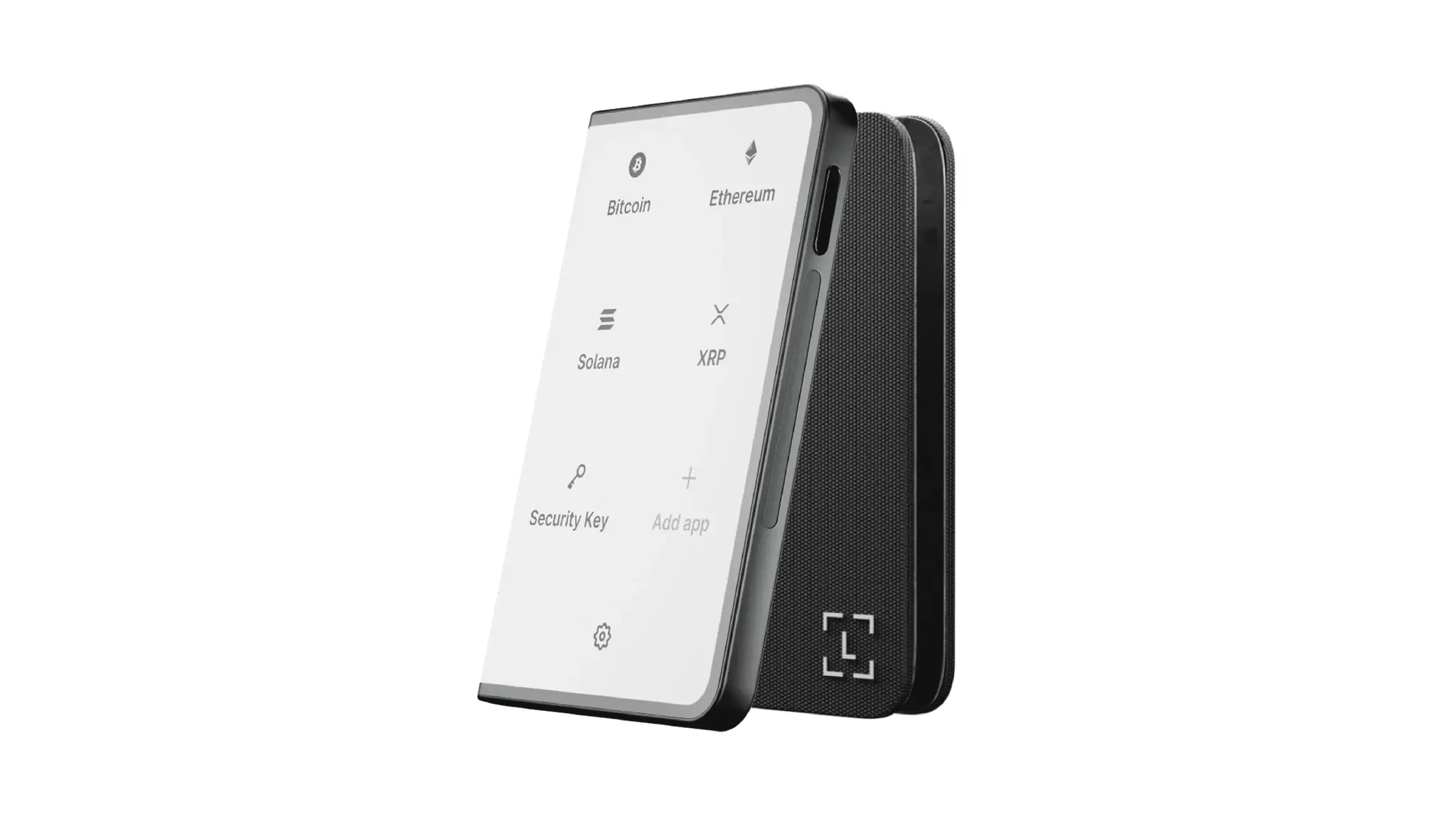 | 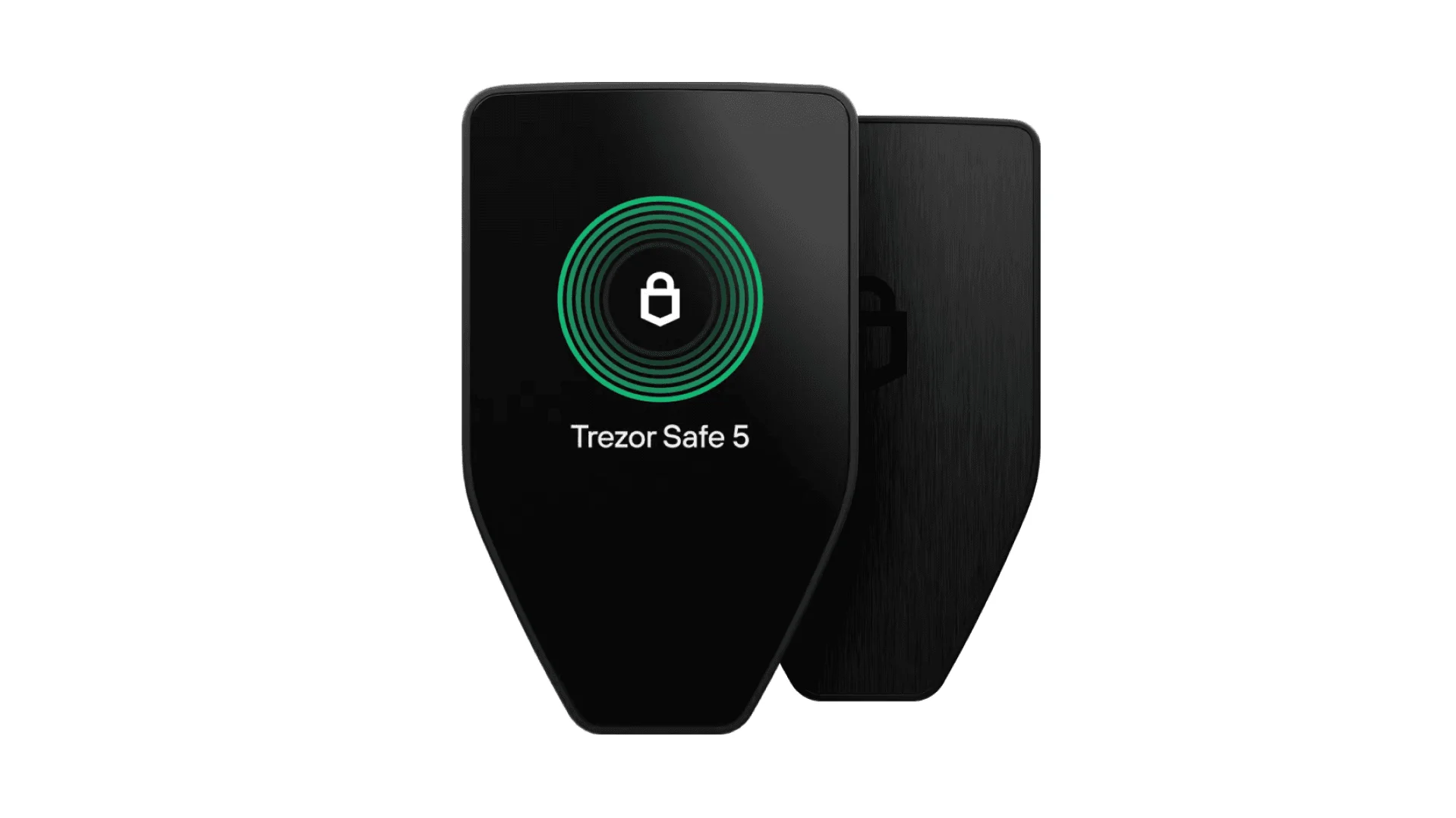 | 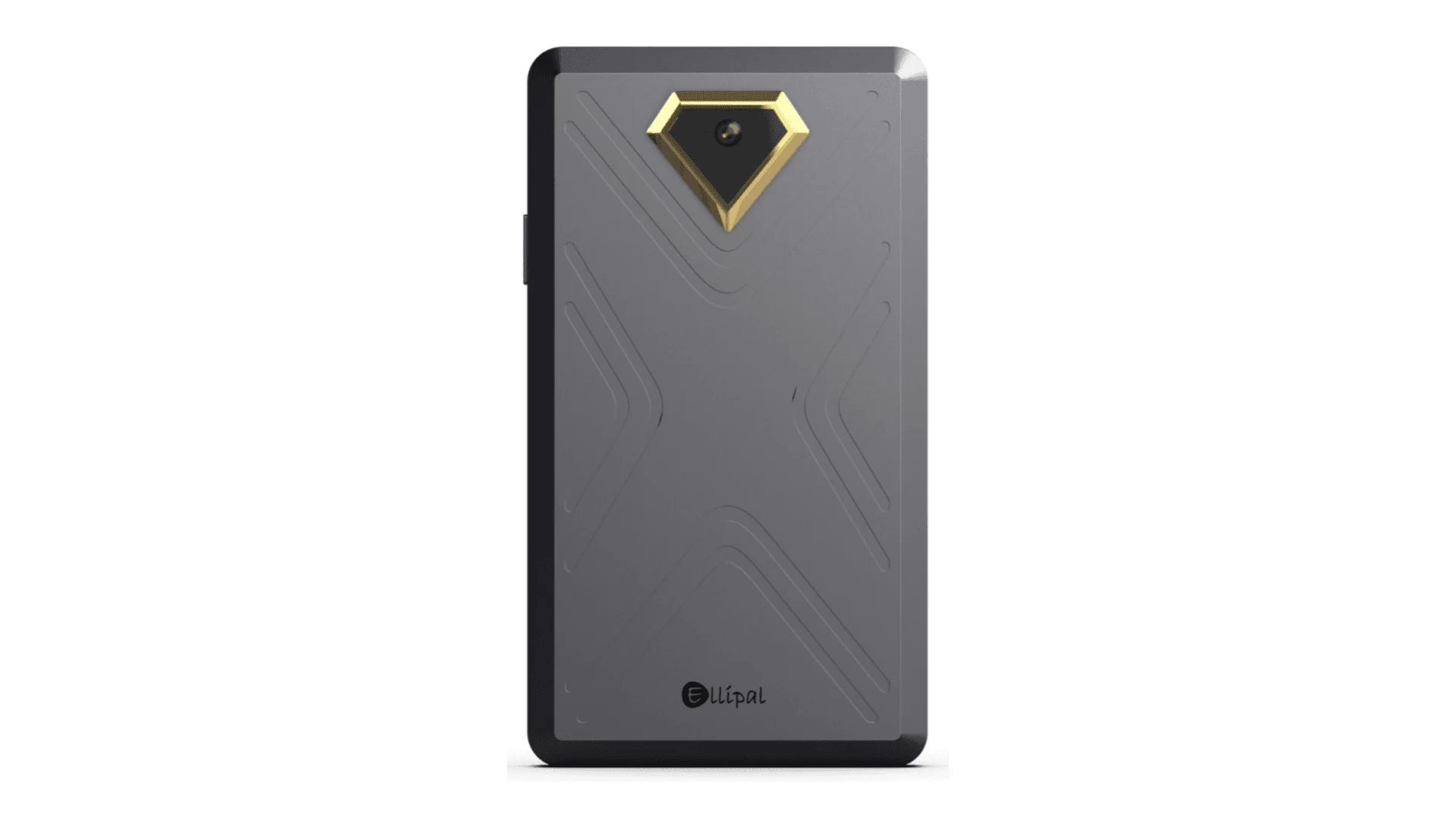 | 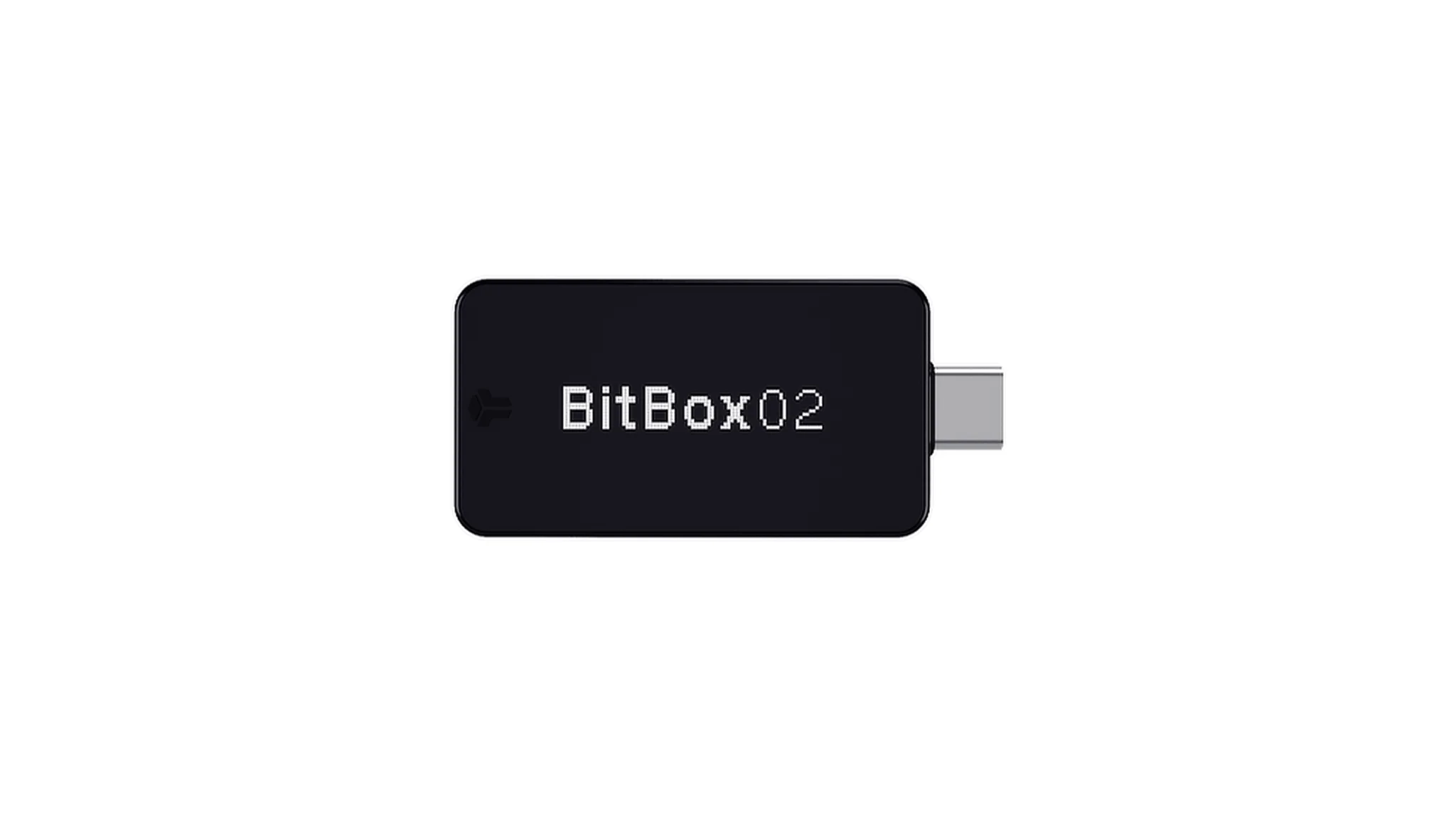 | 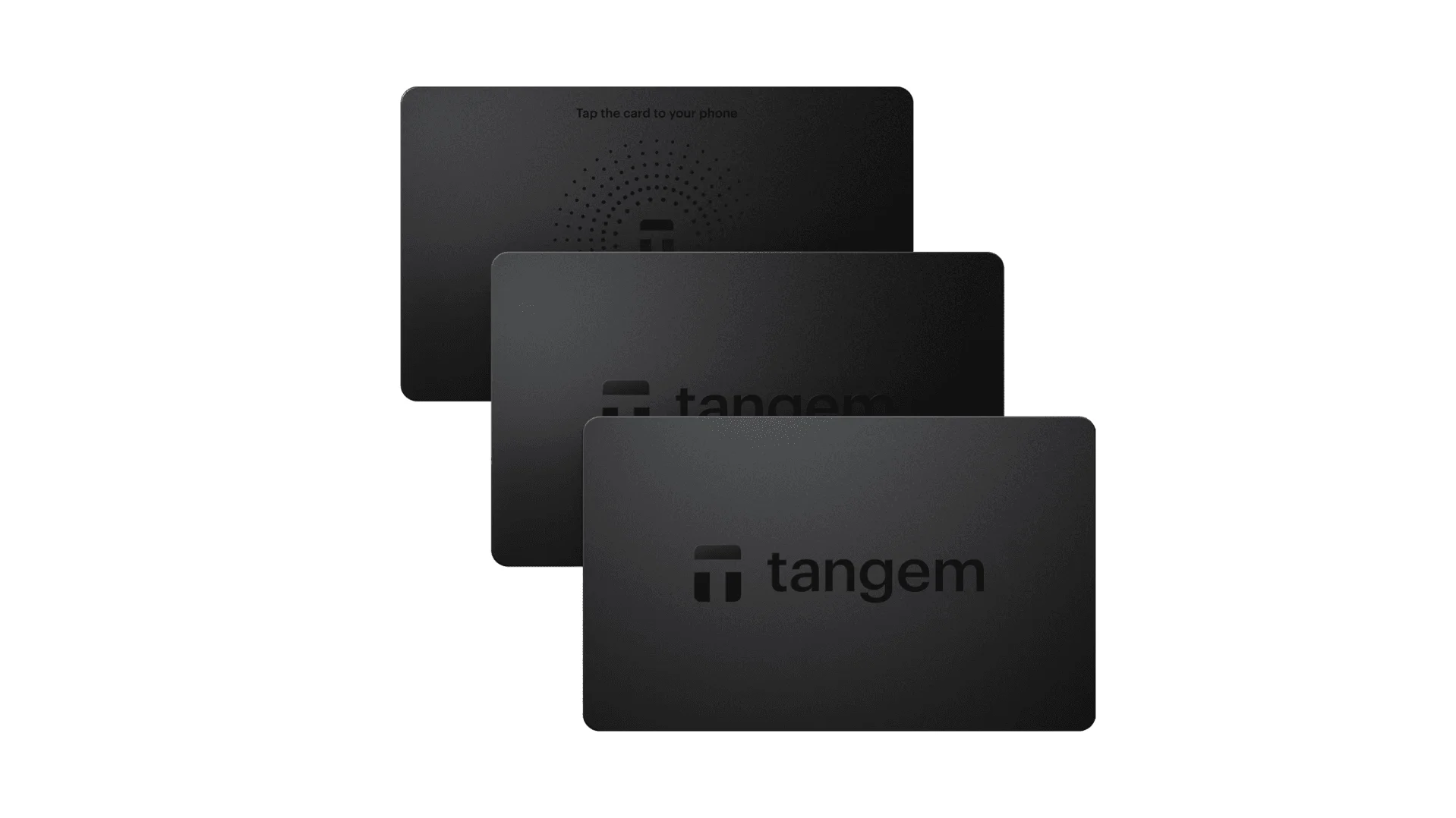 |
| Secure Element | ✅ EAL 6+ secure element | ✅ Four EAL 6+ (bank/passport-grade) secure elements | ✅ EAL6+ secure element | ✅ EAL 6+ secure element | ⚠️ EAL 5+ secure element, closed-source | ⚠️ Dual-chip (incl. ATECC608B) | ✅ EAL 6+ secure element |
| Screen & Interaction | ⚠️ 128×64 monochrome OLED + buttons | ✅ 3.5″ HD color touchscreen + camera scanning + Bluetooth + NFC | ✅ 3.7″ curved E-Ink touchscreen | ✅ 1.54″ color touchscreen (240×240) + haptics | ✅ 4.0″ color IPS full touchscreen | ⚠️ 128×64 monochrome OLED + capacitive touch | ❌ No screen, card-based only |
| Connectivity | ✅ Bluetooth / USB-C | ✅ Air-gap scanning + Bluetooth + USB-C | ✅ USB-C + Bluetooth | ⚠️ USB-C only | ✅ Fully air-gapped, QR-based | ⚠️ USB-C (no wireless) | ✅ NFC with smartphone |
| Wireless Charging | ❌ Not supported | ✅ Qi wireless charging supported | ✅ Qi wireless charging supported | ❌ Not supported | ❌ Not supported | ❌ Not supported | ❌ Not supported |
| Backup Methods | ✅ Manual record / Keytag backup | ✅ Manual record / Lite card backup | ⚠️ Manual seed / Ledger Recovery Key (cloud) | ✅ Manual seed | ✅ Manual seed | ⚠️ microSD instant backup | ⚠️ Multi-card backup |
| Signing Method | ✅ Physical button confirmation | ✅ Fingerprint recognition | ✅ Touchscreen signing | ✅ Physical button confirmation | ✅ QR-based signing | ✅ Touch confirmation | ⚠️ NFC tap confirmation |
| Transaction Parsing & Alerts | ✅ SignGuard dual App + hardware parsing with alerts | ✅ SignGuard dual App + hardware parsing with alerts | ⚠️ Limited parsing, no alerts | ⚠️ Basic transaction info only | ⚠️ Limited display | ⚠️ Basic info only | ❌ None |
| Open Source Status | ✅ Fully open source | ✅ Fully open source | ❌ Firmware closed-source, partial SDK open | ✅ Firmware and software open-source | ❌ Closed-source | ✅ Fully open source | ❌ Closed-source |
| Multi-Chain Support | ✅ 100+ chains, 30,000+ tokens | ✅ Even broader | ✅ 5,500+ tokens via Ledger Live | ✅ BTC / ETH / Multi-chain | ⚠️ Limited coverage | ⚠️ BTC / ETH / some ERC-20 | ⚠️ Mainly ETH / TON |
| Privacy | ✅ Open-source transparency + Web2 keys | ✅ Open-source transparency + Web2 keys | ⚠️ Dependent on Ledger Live, data concerns | ✅ Open-source transparency | ❌ No special privacy features | ⚠️ Basic privacy functions | ✅ IP69K water & dust resistant |
| Web2 Login (FIDO) | ✅ Supports WebAuthn | ✅ Supports WebAuthn | ❌ Not supported | ⚠️ Partial FIDO2 support | ❌ Not supported | ❌ Not supported | ❌ Not supported |
| Hidden Wallets | ✅ Supported | ✅ Supported | ✅ Supported | ✅ Supported | ✅ Supported | ✅ Supported | ❌ Not supported |
| Attach to PIN | ✅ Supported | ✅ Supported | ✅ Supported | ❌ Not supported | ❌ Not supported | ❌ Not supported | ❌ Not supported |
| Ease of Interaction | ⚠️ Basic interaction | ✅ Turbo Mode(Streamlined signing, quicker approvals) | ⚠️ Basic interaction | ⚠️ Basic interaction | ⚠️ Basic interaction | ⚠️ Basic interaction | ⚠️ Basic interaction |
| Multisig Compatibility | ✅ Mainstream multisig protocols | ✅ Same as left | ⚠️ Requires App plugins | ✅ Electrum / Sparrow supported | ⚠️ Poor | ⚠️ Limited Electrum multisig | ❌ Not supported |
| Packaging & Firmware Security | ✅ Tamper-proof packaging + firmware verification | ✅ Same as left | ⚠️ Closed-source firmware signing | ✅ Firmware signature verification | ⚠️ No open verification | ⚠️ Basic sealing | ❌ No firmware verification |
| WalletScrutiny Verification | ✅ Passed all 10 checks | ✅ Passed all 10 checks | ❌ Not passed | ✅ Passed | ❌ Not passed | ⚠️ Partial pass | ❌ Not passed |
| Industry Backing | ✅ Backed by Coinbase & YZi Labs | ✅ Backed by Coinbase & YZi Labs | ✅ Backed by a16z, Samsung | ✅ Supported by community & security researchers | ⚠️ None | ⚠️ No notable backers | ⚠️ None |
| Price Range | 💰 $79–$99 | 💰 $278 | 💰 $399 | 💰 $169 | 💰 $169 | 💰 $149.99 | 💰 $60–$90 (3-pack) |
Why OneKey hardware is the best choice for BABY in 2026
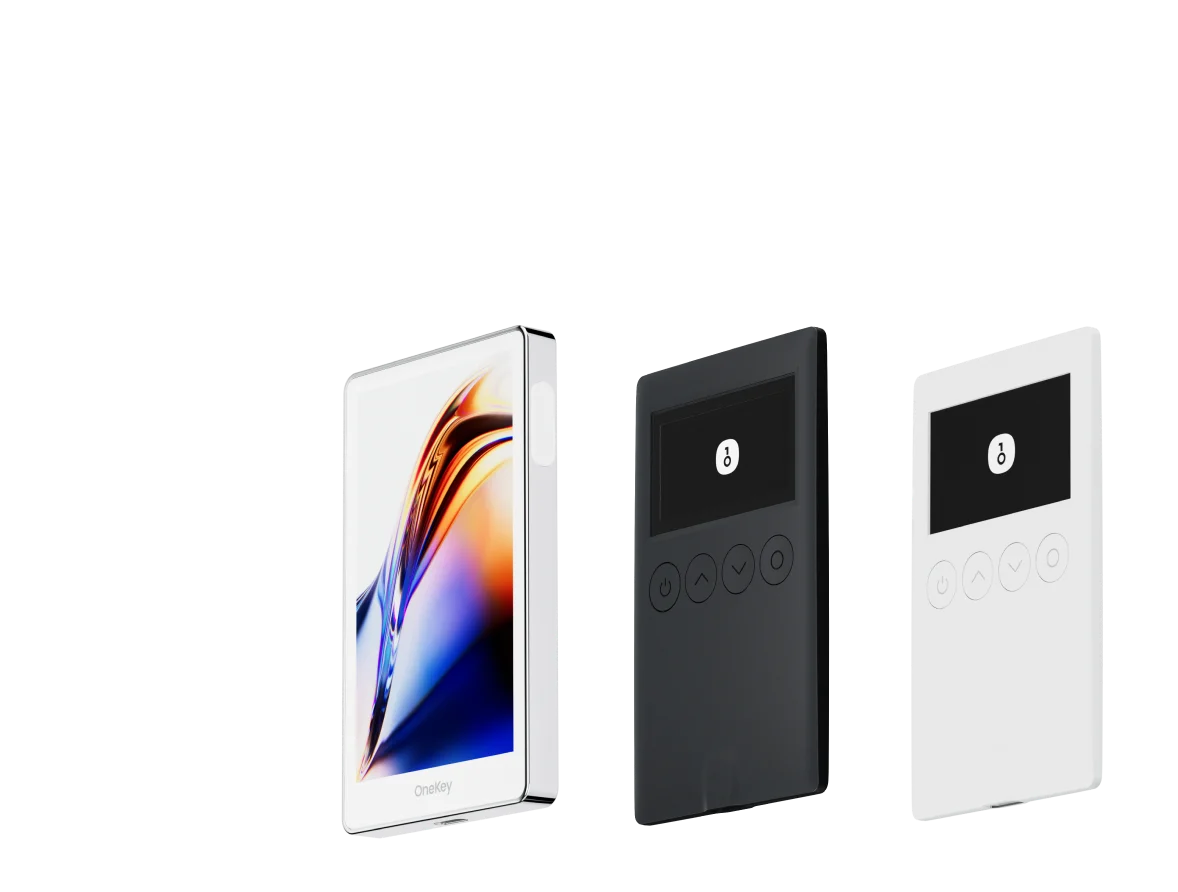
For serious BABY holders, hardware custody is the real security layer. BABY wallets should not depend on screenless approval, vague signing prompts, or opaque firmware trust. That is why OneKey Classic 1S and OneKey Pro are the strongest hardware options for BABY users.
OneKey Classic 1S: the practical security choice
OneKey Classic 1S is an excellent fit for users who want solid security without unnecessary complexity. It offers:
- an EAL 6+ secure element,
- open-source transparency,
- physical button confirmation,
- broad chain support,
- hidden wallet support,
- attach-to-PIN functionality,
- and crucially, SignGuard transaction parsing when paired with the app.
For BABY holders who want a straightforward cold-storage device that still works smoothly with active self-custody, this is one of the best value options on the market.
OneKey Pro: the premium option for advanced BABY users
OneKey Pro is the top-tier choice for users who want stronger interaction, modern usability, and a more advanced signing experience. Its advantages are not just cosmetic. The combination of touchscreen interaction, fingerprint recognition, multiple secure elements, and air-gap-friendly connectivity makes it a compelling choice for users who interact with BABY and other assets frequently.
Most importantly, OneKey Pro still keeps the security-first philosophy intact. It works with SignGuard so users can see parsed transaction details before confirming, which is essential when approvals are complex or when you are interacting with new BABY-related dApps.
Why the alternatives are weaker for BABY users
Without focusing on marketing claims, the biggest limitations of the other hardware wallets in the table are easy to see:
- Some are too closed-source for comfort.
- Some offer limited transaction parsing and do not meaningfully reduce blind-signing risk.
- Some lack the flexibility that BABY users need across chains and dApps.
- Some depend on narrower ecosystems, which can be inconvenient for users who want a single secure setup for BABY plus the rest of their portfolio.
- Some have weaker usability for daily approval flows, making advanced self-custody more cumbersome than it should be.
For BABY, a hardware wallet should not just “store keys.” It should help users verify what they are signing. That is where OneKey’s SignGuard creates a real edge.
OneKey vs Other Wallets for BABY: What Actually Matters
When evaluating the best BABY wallet, it is easy to get distracted by superficial features like “supports many tokens” or “has a swap button.” Those features are useful, but they do not solve the core problem: protecting BABY users from bad signatures.
Here is what matters more in practice:
Transaction readability
A wallet that can parse approvals, contract calls, and transfer intent is dramatically safer than one that simply says “Confirm.” OneKey’s SignGuard is built around this exact problem.
Hardware synergy
The best setup is not software-only. It is a software wallet that can also work seamlessly with a hardware device. OneKey App and OneKey hardware are designed as a unified system, which is a major benefit for BABY users.
Scam resistance
BABY users, like all crypto users, are exposed to fake airdrops, deceptive token approvals, malicious dApps, and phishing pages. Wallet-level defenses matter because users cannot manually inspect every transaction line by line.
Open-source trust
Open-source wallets offer more transparency, which is critical when you are protecting assets in a self-custody environment. Closed systems create more trust assumptions.
Ecosystem longevity
A good wallet should support your BABY strategy not just today, but through future chain activity, airdrop participation, staking events, and cross-chain usage.
On all of these points, OneKey is the most balanced and practical choice.
Why SignGuard Is a Game Changer for BABY Users
It is worth emphasizing SignGuard because many crypto losses happen at the signing stage, not after a “hack” in the traditional sense. Users often approve something they do not understand. That is especially dangerous in DeFi and newer ecosystems, where transaction payloads can be difficult to interpret.
OneKey’s SignGuard is designed to solve this by:
- parsing transaction data before signing,
- presenting the key details in a human-readable way,
- combining App-side and hardware-side verification,
- and helping users avoid blind signing.
This is particularly useful for BABY because BABY users may encounter:
- staking and delegation interactions,
- claim flows,
- approval requests,
- bridge-related steps,
- token swaps,
- and dApp-driven permissions.
If you cannot see what you are signing, you are trusting luck. SignGuard reduces that dependence on luck.
Security Trends BABY Users Should Care About in 2026
The biggest crypto security trend in 2026 is not only more sophisticated attacks, but also more convincing ones. Scam pages look better. Fake claims are more believable. Social engineering is more targeted. Even legitimate-looking dApps can request dangerous permissions.
That is why wallet security is increasingly about preventive visibility rather than reactive recovery. Guidance from organizations like CISA remains relevant because phishing is still one of the simplest ways users get compromised. In crypto, the danger is magnified: a single approval may expose a wallet to token drains without any password being “hacked.”
For BABY holders, the practical response is:
- use a wallet with readable transaction parsing,
- pair software with hardware self-custody,
- keep your signing workflow consistent,
- and avoid approving anything you cannot explain in plain language.
That is exactly the type of environment where OneKey performs best.
Best Setup Recommendations for Different BABY Users
For beginners
Use OneKey App first. It gives you a clean BABY wallet experience, integrated security checks, and SignGuard for safer approvals.
For active traders and dApp users
Use OneKey App paired with OneKey Pro. This gives you a more advanced approval experience and a stronger hardware confirmation workflow.
For long-term holders
Use OneKey App plus OneKey Classic 1S. This is the most cost-effective secure-custody setup for BABY accumulation and storage.
For users who want one wallet for the entire portfolio
OneKey App is the easiest all-in-one choice because it supports broad chains, portfolio tracking, swaps, staking, and hardware integration without forcing you into a narrow ecosystem.
FAQ: Best BABY Wallets in 2026
Is a software wallet enough for BABY?
A software wallet can be enough for small balances or active use, but not for meaningful long-term holdings. BABY users should strongly consider pairing a software wallet with hardware custody.
Why is clear signing important?
Because the biggest wallet mistakes happen when users approve transactions they do not fully understand. SignGuard helps solve that by parsing the transaction before signing.
Do I need a hardware wallet for BABY?
If you plan to hold BABY seriously or interact with DeFi regularly, yes. Hardware wallets add a critical layer of protection against malware, phishing, and accidental approvals.
Which is better for BABY, app-only or app + hardware?
App + hardware is the stronger and safer setup. OneKey is especially strong because its App and hardware are designed to work together with SignGuard.
What is the safest overall BABY wallet choice in 2026?
For most users, the safest and most practical choice is OneKey App paired with either OneKey Pro or OneKey Classic 1S. It offers the best mix of usability, security, and transaction clarity.
Final Verdict: The Best BABY Wallet in 2026 Is OneKey
If you are looking for the best BABY wallet in 2026, the answer is clear: OneKey is the most complete option for both software and hardware self-custody. OneKey App gives BABY users a powerful daily wallet with broad chain support, scam detection, portfolio tools, and built-in safeguards. OneKey Pro and OneKey Classic 1S extend that security into true cold storage, while SignGuard adds the transaction parsing layer that modern crypto users urgently need.
For BABY holders, this combination is hard to beat. It reduces blind-signing risk, improves clarity before approval, and creates a more secure end-to-end self-custody experience than the alternatives. If you care about protecting your BABY assets in 2026, the smartest move is to choose a wallet stack built for transparency, safety, and long-term usability. Visit onekey.so today to explore OneKey App, OneKey Pro, and OneKey Classic 1S and start using the best BABY wallet setup for 2026.