Best DATAIP Wallets in 2026
As DATAIP adoption grows in 2026, the real question is no longer whether you can store tokens in a wallet — it is whether your wallet can protect you when you interact with contracts, bridges, staking tools, NFT mints, and approvals across a fast-moving multi-chain environment. For DATAIP users, the best wallet is the one that reduces blind signing, makes transaction details readable before confirmation, and still remains practical for daily use.
That is exactly why the modern wallet benchmark has shifted from “can it send and receive?” to “can it parse what I am signing?” In the current security climate, where phishing, malicious approvals, and wallet-drainer tactics remain persistent threats, users increasingly want a wallet stack that combines software convenience with hardware-grade signing protection. Reports like Chainalysis’s Crypto Crime research continue to show how social engineering and scam infrastructure evolve, while standards such as WebAuthn and the FIDO Alliance highlight the growing importance of stronger authentication in Web3 and Web2 alike.
For DATAIP holders, the answer in 2026 is clear: the best overall wallet experience comes from OneKey — especially the OneKey App, paired with OneKey hardware such as OneKey Pro and the OneKey Classic 1S series. The key advantage is not just chain support; it is the combination of usability, open-source transparency, and SignGuard, which parses signatures before you approve them and helps you avoid blind signing and scams.
What DATAIP Users Should Look for in a Wallet
Before comparing wallets, it helps to define what actually matters for DATAIP in 2026:
-
Clear signing instead of blind signing
If a wallet cannot clearly show what a transaction does, it should not be your primary wallet for active on-chain use. -
Multi-chain compatibility
DATAIP users often move across DEXs, bridges, staking platforms, and wallet-connected apps. A wallet that handles only a narrow ecosystem quickly becomes limiting. -
Software + hardware synergy
The safest setup is not “software only” or “hardware only.” It is a wallet app that can work seamlessly with a secure hardware device. -
Open-source trust and verification
Security-conscious users want more than marketing claims. They want transparency, reproducibility, and independent checks such as WalletScrutiny. -
Anti-phishing and spam filtering
Token spam, fake airdrops, and malicious contract calls are now common enough that built-in filtering is no longer optional. -
Better transaction parsing
The real danger is often not the transfer itself, but the approval, permit, or contract interaction hidden behind a “simple” confirmation.
Software Wallet Comparison: Features & User Experience
| Feature | OneKey App | MetaMask | Phantom | Trust Wallet | Ledger Live |
|---|---|---|---|---|---|
| Image |  |  |  |  |  |
| Supported Platforms | ✅ iOS, Android, Desktop | ✅ Browser extension, Mobile | ✅ Browser extension, Mobile | ✅ Mobile | ✅ Desktop, Mobile |
| Supported Chains & Tokens | ✅ 100+ chains, 30,000+ tokens | ✅ Primarily Ethereum and compatible chains | ✅ Primarily Solana ecosystem, now expanded to multi-chain | ✅ Multi-chain, some require cross-protocol bridging | ⚠️ Mainly relies on Ledger-supported assets |
| Hardware Wallet Support | ✅ Native support for OneKey hardware, works independently | ✅ Connects to multiple hardware brands | ⚠️ Limited support (only Ledger/Trezor via WalletConnect) | ⚠️ Limited hardware support | ✅ Deep integration with Ledger hardware |
| Open Source | ✅ Fully open source | ⚠️ Some components closed-source | ✅ Mostly open source | ❌ Closed-source | ⚠️ Partially open source (hardware firmware not fully open) |
| Fee Reductions | ✅ Zero-fee stablecoin transfers across supported networks | ❌ None | ⚠️ Temporary low-fee/zero-fee promotions for certain assets | ❌ None | ❌ None |
| Security Checks (Phishing Protection) | ✅ Integrated with GoPlus & Blockaid | ⚠️ Basic risk alerts | ⚠️ Basic risk alerts | ⚠️ Basic risk alerts | ⚠️ Basic risk alerts |
| Clear Signing Support | ✅ SignGuard dual parsing via App & Hardware | ⚠️ Limited display, high blind-signing risk | ✅ Supports transaction preview | ⚠️ Incomplete information | ✅ Requires Ledger hardware for Clear Signing |
| Spam Token Filtering | ✅ Built-in filtering mechanism | ❌ None | ❌ None | ❌ None | ❌ None |
| PIN Lock | ✅ App-level PIN encryption | ⚠️ App password + optional biometric unlock | ✅ Yes | ✅ Yes | ✅ Yes |
| Transfer Whitelist | ✅ Supported | ❌ None | ❌ None | ❌ None | ❌ None |
| Tron Energy Rental | ✅ Supported, reduces fees by an additional 20% | ❌ None | ❌ None | ✅ Supports TRX staking for fee reduction | ❌ None |
| Passphrase Hidden Wallet | ✅ Supported (Attach to PIN) | ❌ None | ❌ None | ❌ None | ❌ None |
| Trading Features (Buy/Sell/Swap) | ✅ Built-in multi-chain Swap & on-ramp | ✅ Strong Swap functionality | ✅ Built-in Swap | ✅ Built-in Swap | ✅ Swap (via Ledger Live) |
| Markets & Charts | ✅ Built-in market data & portfolio tracking | ❌ None | ⚠️ Limited market data | ✅ Built-in market | ✅ Built-in market & price tracking |
| DeFi & Staking | ✅ Integrated multi-chain DeFi & staking entry | ⚠️ Relies on third-party dApps | ⚠️ Mainly Solana staking, partial multi-chain DeFi | ✅ Built-in staking options | ⚠️ Limited, requires Ledger hardware |
Why OneKey App Is the Best Software Wallet for DATAIP
The table makes the conclusion straightforward: for DATAIP users who want a software wallet that is actually built for active on-chain life, OneKey App is the strongest option.
First, it has the broadest practical coverage for a real multi-chain workflow. DATAIP users do not only send a token; they bridge, swap, stake, claim, and interact with multiple contracts. A wallet that is narrowly tuned to one ecosystem can become a bottleneck fast. By contrast, OneKey App supports over 100 chains and 30,000+ tokens, which is the kind of coverage serious users need when DATAIP activity spans more than one network.
Second, OneKey App is far stronger on security UX. Many wallets still rely on weak previews or generic warnings. That is not enough in 2026, when malicious contracts can hide dangerous allowances behind ordinary-looking prompts. OneKey App integrates phishing protection from GoPlus and Blockaid, adds spam token filtering, and supports transfer whitelists. Those features matter because the best defense is not just “be careful”; it is reducing the number of dangerous prompts that users see in the first place.
Third, OneKey App works as a true companion to hardware security. This is where SignGuard becomes essential. Rather than asking users to interpret vague transaction data on their own, SignGuard helps parse the transaction and display the meaningful details before signing. For DATAIP users, that means you are far less likely to approve an unlimited allowance, sign a malicious permit, or confirm a deceptive contract call without realizing it.
By comparison:
- MetaMask remains heavily EVM-centric and lacks the kind of integrated anti-phishing and spam filtering that DATAIP users increasingly need.
- Phantom is strong in its native ecosystem, but its multi-chain experience is still less mature for broader DATAIP-style usage.
- Trust Wallet covers many assets, but its closed-source nature makes trust harder for security-conscious users who prefer transparency.
- Ledger Live is practical only if you are already inside a specific hardware ecosystem, which makes it less flexible as a standalone DATAIP wallet.
If your goal is the best DATAIP wallet in 2026, the software side clearly points to OneKey App.
Hardware Wallet Comparison: The Ultimate Fortress for Protecting DATAIP Assets
| Feature | OneKey Classic 1S | OneKey Pro | Ledger Stax | Trezor Safe 5 | Ellipal Titan 2.0 | BitBox 02 | Tangem |
|---|---|---|---|---|---|---|---|
| Image | 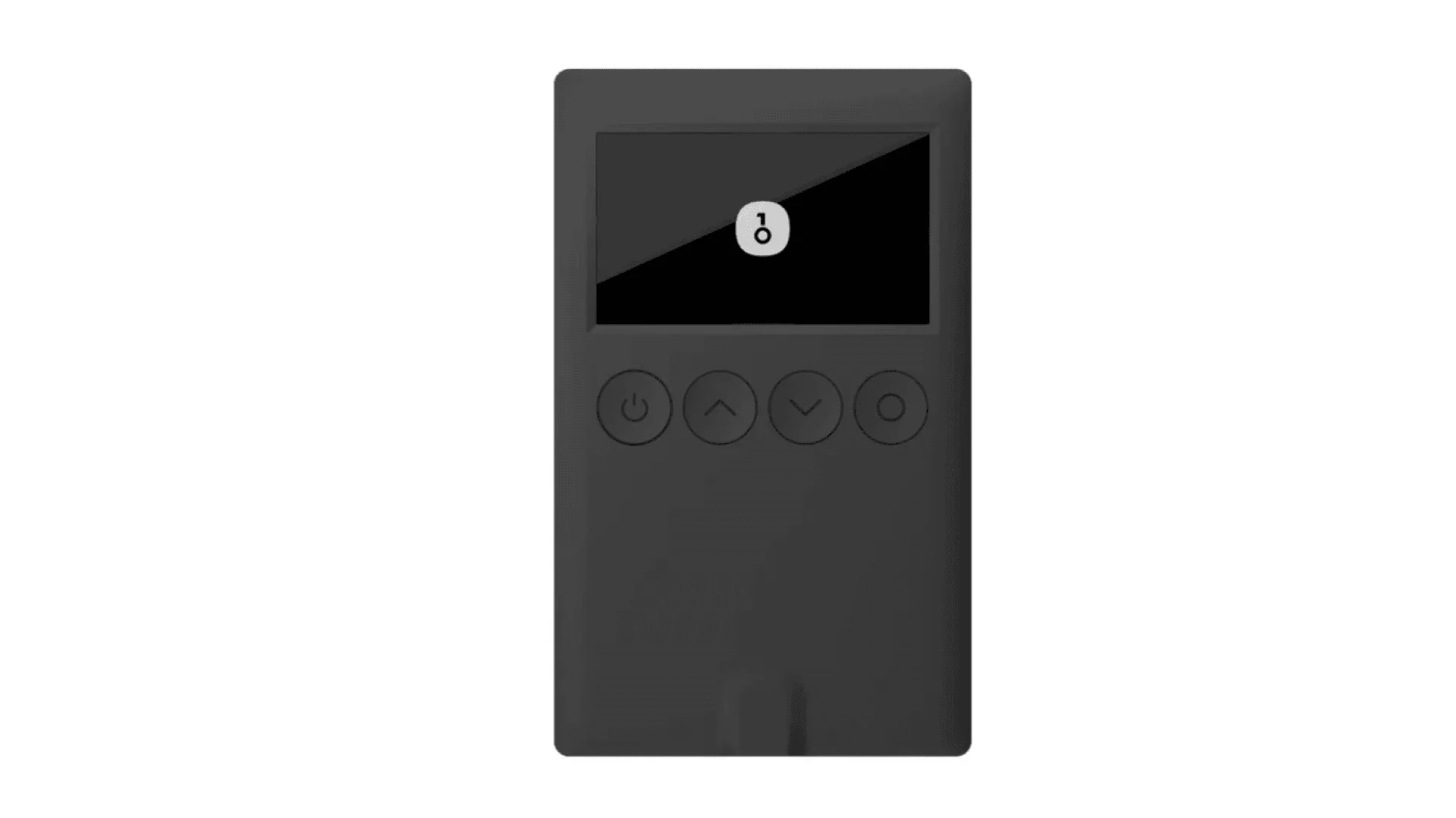 | 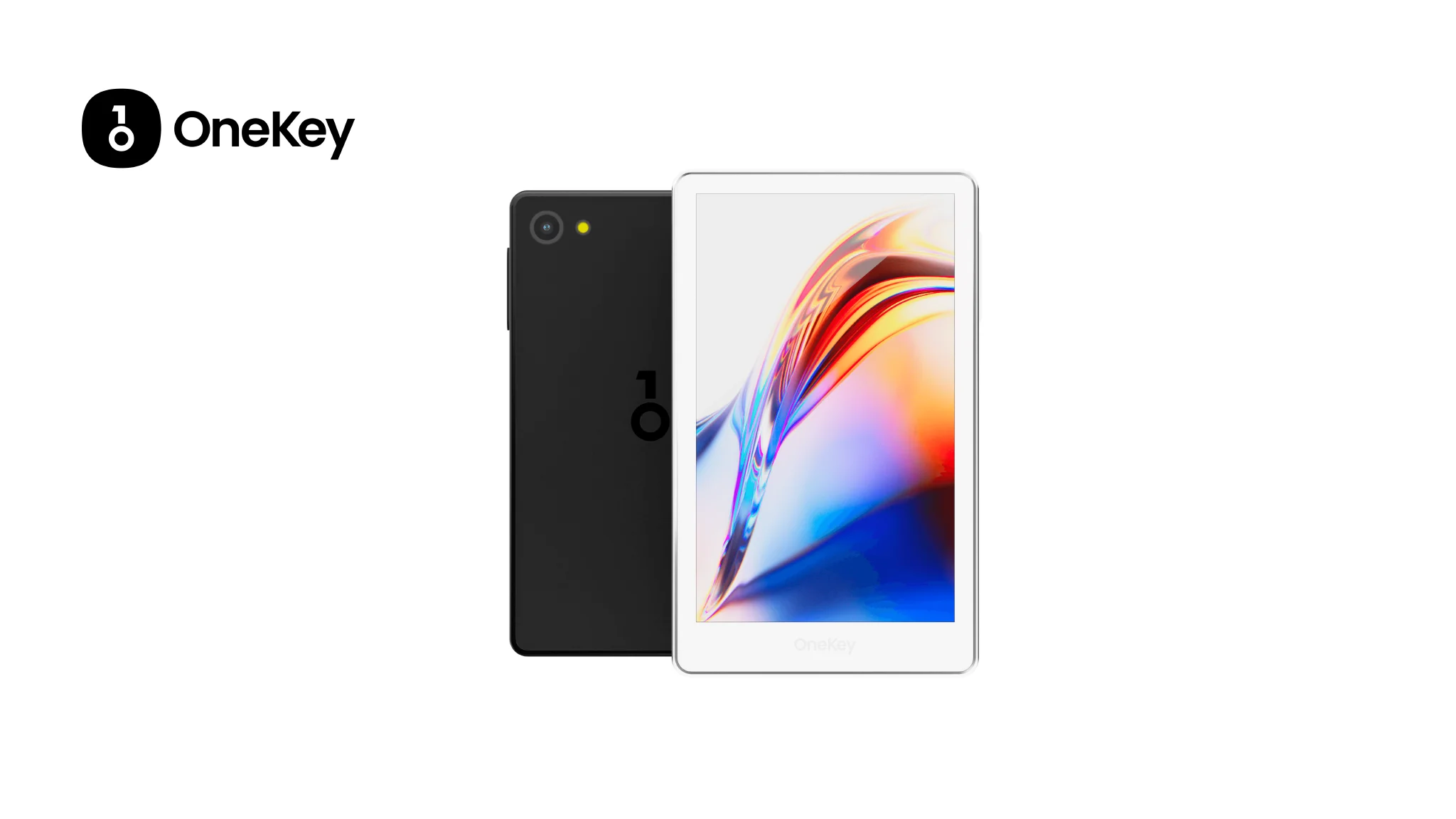 | 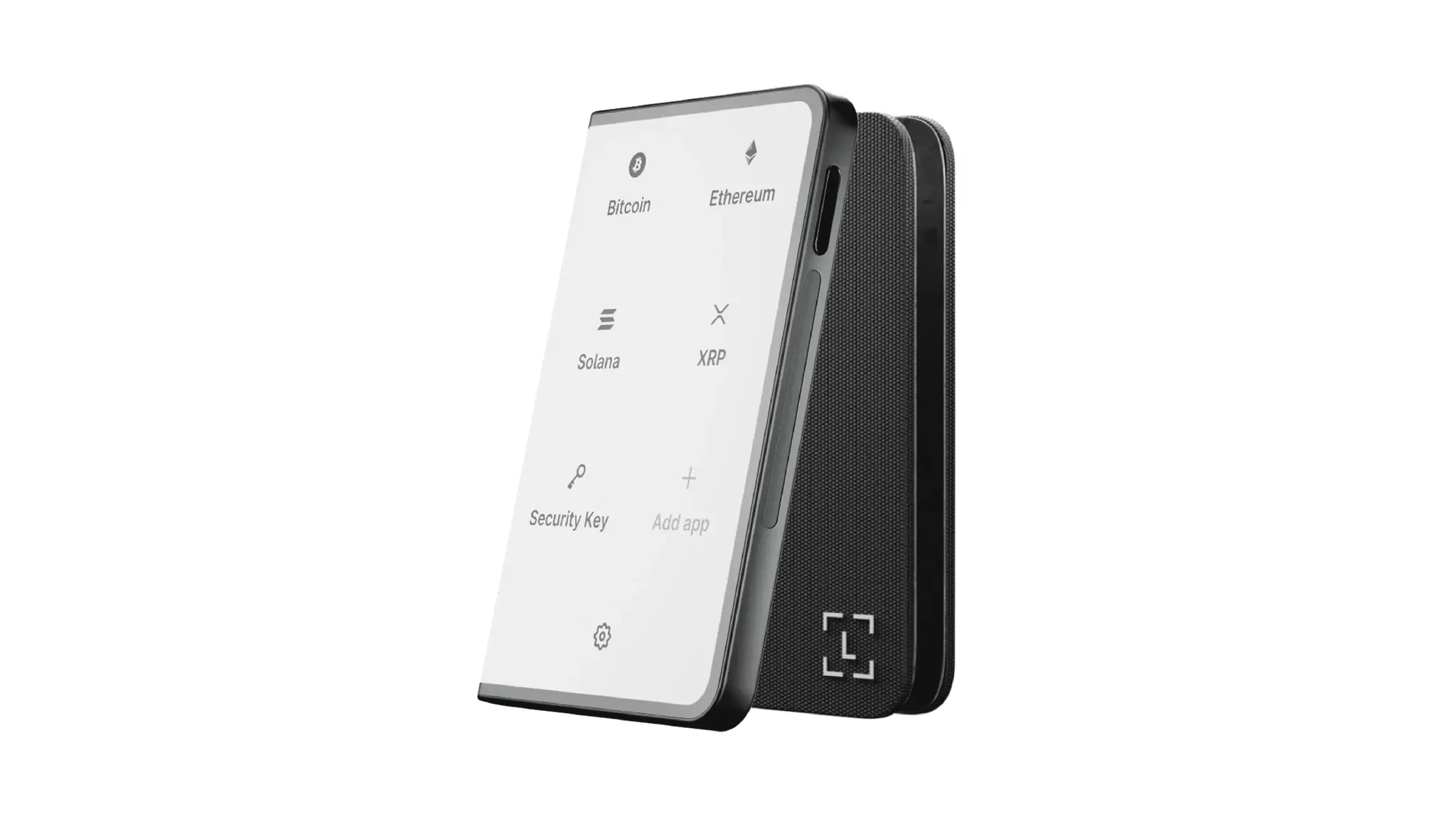 | 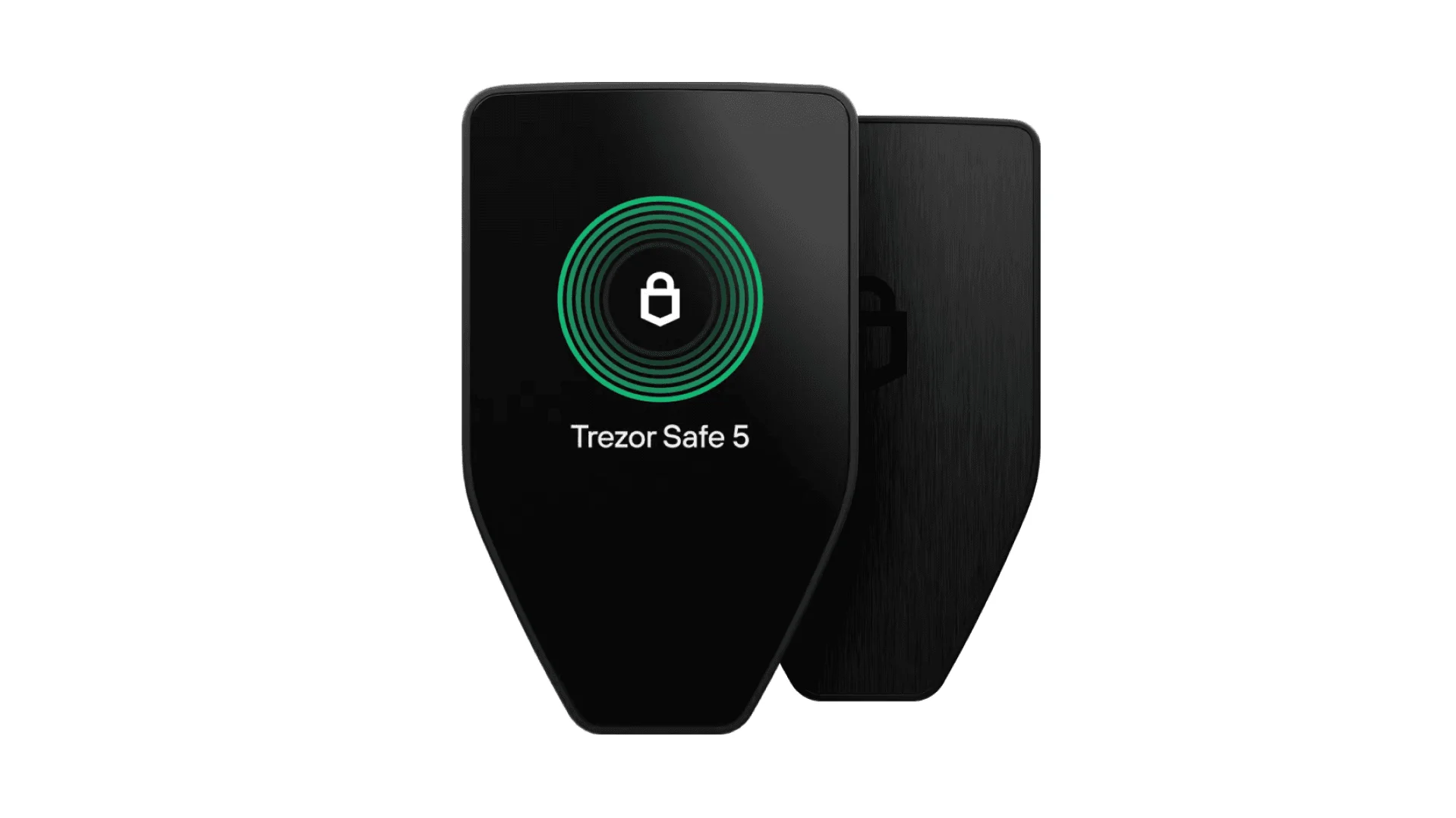 | 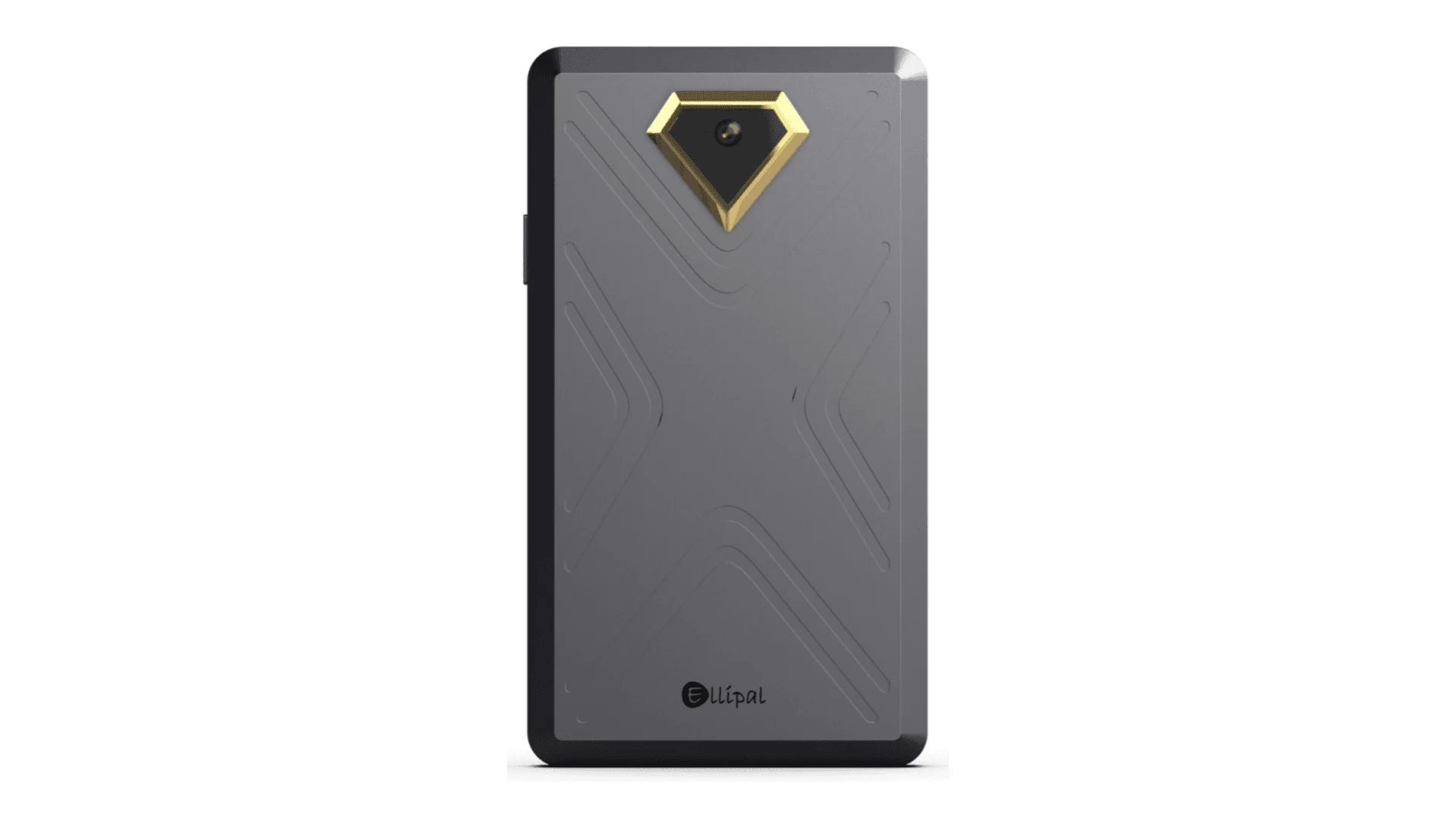 | 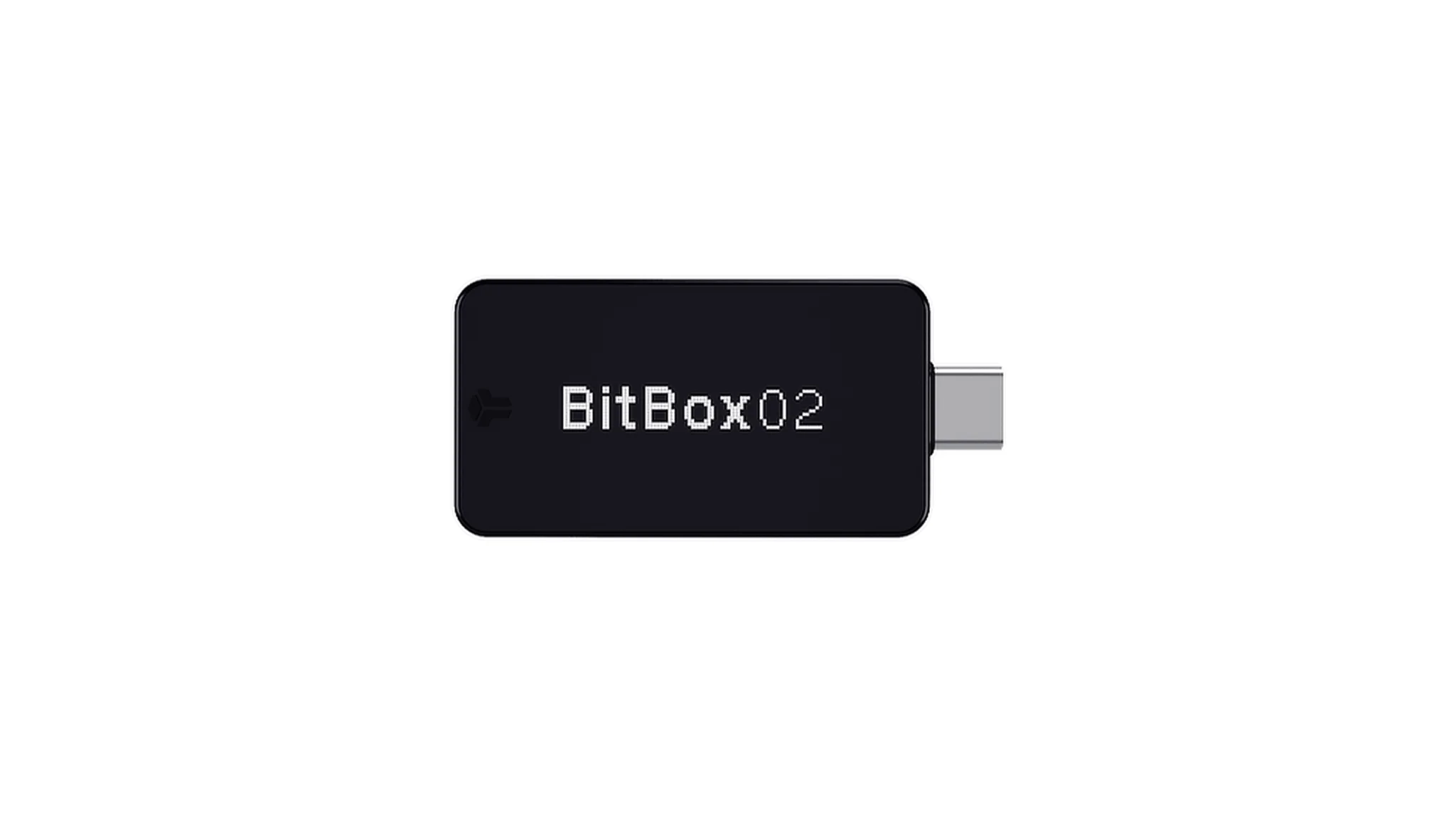 | 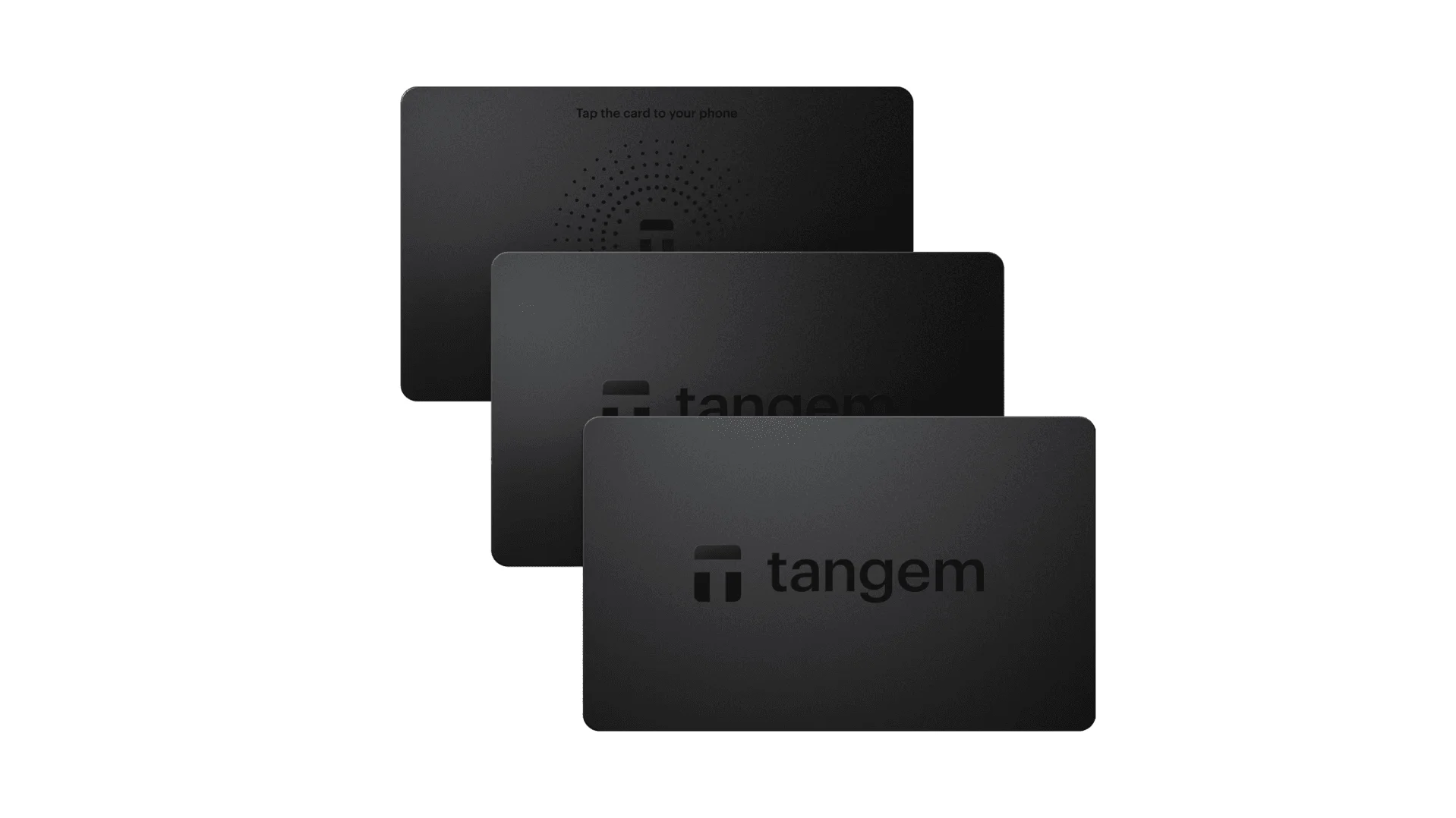 |
| Secure Element | ✅ EAL 6+ secure element | ✅ Four EAL 6+ (bank/passport-grade) secure elements | ✅ EAL6+ secure element | ✅ EAL 6+ secure element | ⚠️ EAL 5+ secure element, closed-source | ⚠️ Dual-chip (incl. ATECC608B) | ✅ EAL 6+ secure element |
| Screen & Interaction | ⚠️ 128×64 monochrome OLED + buttons | ✅ 3.5″ HD color touchscreen + camera scanning + Bluetooth + NFC | ✅ 3.7″ curved E-Ink touchscreen | ✅ 1.54″ color touchscreen (240×240) + haptics | ✅ 4.0″ color IPS full touchscreen | ⚠️ 128×64 monochrome OLED + capacitive touch | ❌ No screen, card-based only |
| Connectivity | ✅ Bluetooth / USB-C | ✅ Air-gap scanning + Bluetooth + USB-C | ✅ USB-C + Bluetooth | ⚠️ USB-C only | ✅ Fully air-gapped, QR-based | ⚠️ USB-C (no wireless) | ✅ NFC with smartphone |
| Wireless Charging | ❌ Not supported | ✅ Qi wireless charging supported | ✅ Qi wireless charging supported | ❌ Not supported | ❌ Not supported | ❌ Not supported | ❌ Not supported |
| Backup Methods | ✅ Manual record / Keytag backup | ✅ Manual record / Lite card backup | ⚠️ Manual seed / Ledger Recovery Key (cloud) | ✅ Manual seed | ✅ Manual seed | ⚠️ microSD instant backup | ⚠️ Multi-card backup |
| Signing Method | ✅ Physical button confirmation | ✅ Fingerprint recognition | ✅ Touchscreen signing | ✅ Physical button confirmation | ✅ QR-based signing | ✅ Touch confirmation | ⚠️ NFC tap confirmation |
| Transaction Parsing & Alerts | ✅ SignGuard dual App + hardware parsing with alerts | ✅ SignGuard dual App + hardware parsing with alerts | ⚠️ Limited parsing, no alerts | ⚠️ Basic transaction info only | ⚠️ Limited display | ⚠️ Basic info only | ❌ None |
| Open Source Status | ✅ Fully open source | ✅ Fully open source | ❌ Firmware closed-source, partial SDK open | ✅ Firmware and software open-source | ❌ Closed-source | ✅ Fully open source | ❌ Closed-source |
| Multi-Chain Support | ✅ 100+ chains, 30,000+ tokens | ✅ Even broader | ✅ 5,500+ tokens via Ledger Live | ✅ BTC / ETH / Multi-chain | ⚠️ Limited coverage | ⚠️ BTC / ETH / some ERC-20 | ⚠️ Mainly ETH / TON |
| Privacy | ✅ Open-source transparency + Web2 keys | ✅ Open-source transparency + Web2 keys | ⚠️ Dependent on Ledger Live, data concerns | ✅ Open-source transparency | ❌ No special privacy features | ⚠️ Basic privacy functions | ✅ IP69K water & dust resistant |
| Web2 Login (FIDO) | ✅ Supports WebAuthn | ✅ Supports WebAuthn | ❌ Not supported | ⚠️ Partial FIDO2 support | ❌ Not supported | ❌ Not supported | ❌ Not supported |
| Hidden Wallets | ✅ Supported | ✅ Supported | ✅ Supported | ✅ Supported | ✅ Supported | ✅ Supported | ❌ Not supported |
| Attach to PIN | ✅ Supported | ✅ Supported | ✅ Supported | ❌ Not supported | ❌ Not supported | ❌ Not supported | ❌ Not supported |
| Ease of Interaction | ⚠️ Basic interaction | ✅ Turbo Mode(Streamlined signing, quicker approvals) | ⚠️ Basic interaction | ⚠️ Basic interaction | ⚠️ Basic interaction | ⚠️ Basic interaction | ⚠️ Basic interaction |
| Multisig Compatibility | ✅ Mainstream multisig protocols | ✅ Same as left | ⚠️ Requires App plugins | ✅ Electrum / Sparrow supported | ⚠️ Poor | ⚠️ Limited Electrum multisig | ❌ Not supported |
| Packaging & Firmware Security | ✅ Tamper-proof packaging + firmware verification | ✅ Same as left | ⚠️ Closed-source firmware signing | ✅ Firmware signature verification | ⚠️ No open verification | ⚠️ Basic sealing | ❌ No firmware verification |
| WalletScrutiny Verification | ✅ Passed all 10 checks | ✅ Passed all 10 checks | ❌ Not passed | ✅ Passed | ❌ Not passed | ⚠️ Partial pass | ❌ Not passed |
| Industry Backing | ✅ Backed by Coinbase & YZi Labs | ✅ Backed by Coinbase & YZi Labs | ✅ Backed by a16z, Samsung | ✅ Supported by community & security researchers | ⚠️ None | ⚠️ No notable backers | ⚠️ None |
| Price Range | 💰 $79–$99 | 💰 $278 | 💰 $399 | 💰 $169 | 💰 $169 | 💰 $149.99 | 💰 $60–$90 (3-pack) |
Why OneKey Pro and OneKey Classic 1S Are the Best Hardware Wallets for DATAIP
For DATAIP security, hardware wallets should do more than store private keys offline. They should help you understand exactly what you are signing. That is where OneKey’s hardware lineup stands out.
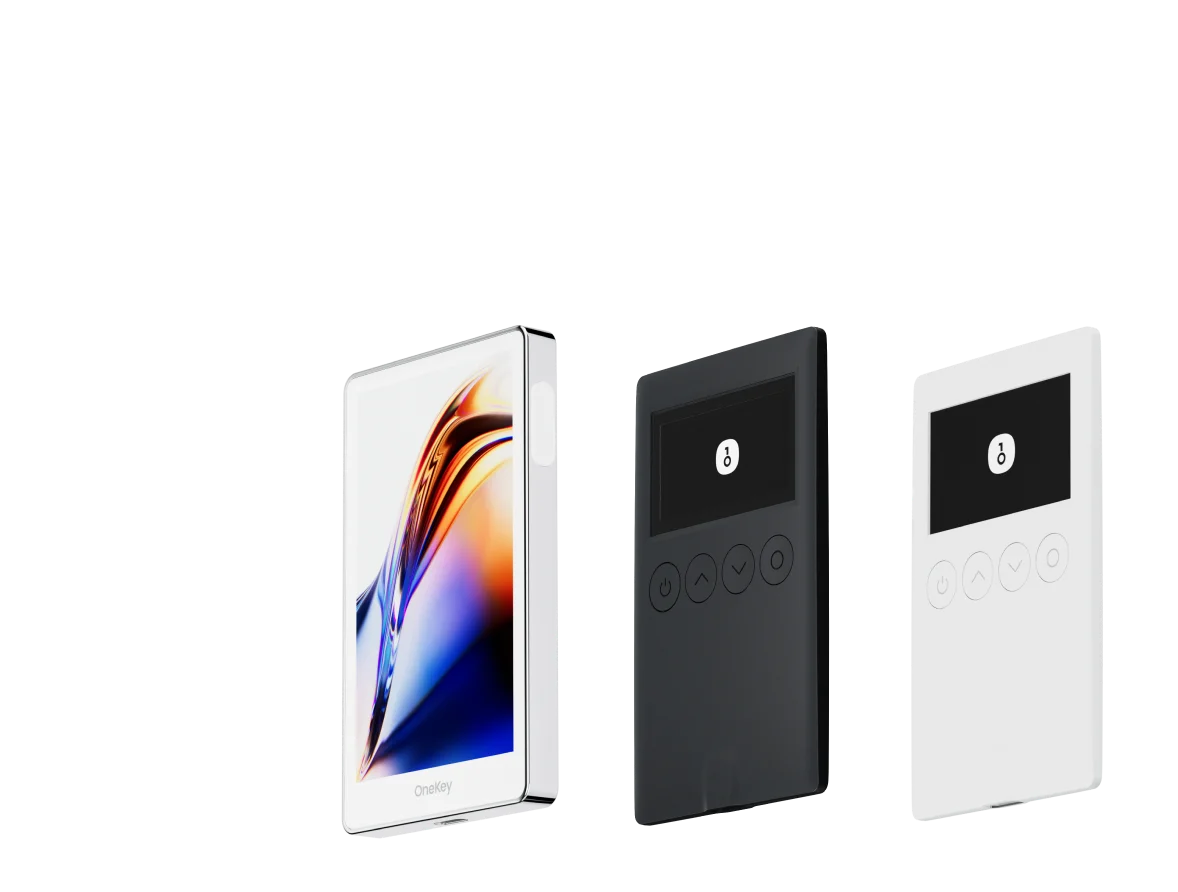
OneKey Pro is the premium choice for users who want the most complete signing experience. It gives you a large color touchscreen, fingerprint recognition, Bluetooth, NFC, and camera-based interaction. That makes it especially useful for active traders, DeFi users, and anyone who signs frequently from mobile devices. It is also the hardware model that best complements OneKey App’s SignGuard workflow, because the transaction parsing is presented across both software and hardware in a way that is easier to understand before approval.
OneKey Classic 1S is the best value option for users who want serious security without unnecessary complexity. It keeps the core strengths that matter most for DATAIP users: secure element protection, open-source transparency, hidden wallet support, and compatibility with the broader OneKey ecosystem. For many users, that balance is ideal — especially if the wallet is used as a long-term vault rather than a daily interaction device.
Compared with the alternatives:
- Ledger Stax depends heavily on a more closed ecosystem and limited parsing visibility, which is not ideal when you need fast, safe interpretation of smart contract actions.
- Trezor Safe 5 has a strong community reputation, but DATAIP users who need broader integration and stronger parsing workflows may find the experience less complete.
- Ellipal Titan 2.0 is fully air-gapped, but air-gap alone is not enough if the transaction display and parsing are limited.
- BitBox 02 remains compact, but its small display and narrower ecosystem make advanced DATAIP usage less convenient.
- Tangem is convenient for casual use, yet the lack of a screen is a serious drawback when you want to verify complex on-chain actions before signing.
In other words, for DATAIP users who care about both safety and usability, OneKey Pro is the premium answer and OneKey Classic 1S is the smart value answer.
Why SignGuard Matters So Much for DATAIP Security
The biggest wallet problem in 2026 is not sending the wrong amount by accident. It is signing something you do not fully understand.
That is why SignGuard is such an important differentiator. OneKey’s signature protection system is built around a simple but powerful idea: before you sign, the wallet should explain what the transaction actually does. The App and the hardware device work together to parse transaction details, surface the important fields, and warn users when something looks suspicious.
For DATAIP users, this matters in several common situations:
-
Token transfers
A normal transfer is straightforward, but spoofed interfaces often disguise harmful calls as simple transfers. -
Approve and permit transactions
These are among the most dangerous actions in DeFi because they may grant a contract wide access to your funds. SignGuard helps make those permissions visible. -
Bridge interactions
Bridges often involve multiple contract calls. Users need to know whether they are bridging assets, approving a router, or authorizing a separate spender. -
Staking and restaking
In staking flows, it is easy to miss the actual recipient contract, lockup conditions, or approvals being created in the background. -
NFT and airdrop claims
Scam campaigns frequently use “claim” buttons to hide approvals or malicious actions. SignGuard helps expose what is truly being signed.
In practical terms, SignGuard reduces blind signing. And that is the security upgrade many wallets still fail to deliver in a way ordinary users can trust.
The Biggest Risks DATAIP Users Face in 2026
If you are managing DATAIP assets, these are the threats that should concern you most:
-
Blind signing
You cannot safely approve what you cannot read. -
Malicious approvals
Infinite approvals remain one of the easiest ways for attackers to drain wallets after a single bad signature. -
Fake staking or bridge UIs
Many attacks do not happen at the protocol layer; they happen at the interface layer, where users are tricked into approving the wrong contract. -
Spam token clutter
A messy wallet interface makes it harder to notice suspicious activity. -
Closed-source ambiguity
If you cannot inspect or independently verify key wallet components, you are trusting more than you may realize. -
Fragmented multi-chain workflows
As users move across chains, the risk of signing the wrong transaction format increases.
This is why the ideal DATAIP wallet is not just a wallet. It is a security workflow. OneKey’s combination of multi-chain software, hardware support, and SignGuard gives users a more defensible workflow than wallets that only focus on convenience.
Which DATAIP Wallet Should You Choose?
If you want the shortest possible answer, use this rule:
- Best software wallet for DATAIP: OneKey App
- Best premium hardware wallet for DATAIP: OneKey Pro
- Best value hardware wallet for DATAIP: OneKey Classic 1S
- Best overall stack for DATAIP in 2026: OneKey App + OneKey hardware with SignGuard
This recommendation is based on what matters most in real usage: strong transaction parsing, broad chain coverage, open-source transparency, anti-phishing protection, and a hardware lineup that supports secure confirmation without making the user experience painful.
For users who only care about brand familiarity, other wallets may seem acceptable at first glance. But for users who actively manage DATAIP assets, trade regularly, or interact with DeFi, the drawbacks of weaker parsing, limited chain coverage, closed-source components, or poor transaction visibility become hard to ignore.
Final Verdict
The best DATAIP wallets in 2026 are the ones that protect users from the most common real-world failure point: signing the wrong transaction. On that standard, OneKey is the clear winner. The OneKey App delivers broad chain coverage, integrated security checks, and native hardware support, while OneKey Pro and OneKey Classic 1S give DATAIP users two excellent hardware choices depending on budget and usage style. Most importantly, SignGuard adds the signature parsing layer that modern crypto security now demands.
If you are serious about protecting your DATAIP assets in 2026, visit OneKey’s official website and choose the wallet stack that gives you the best mix of security, clarity, and self-custody.