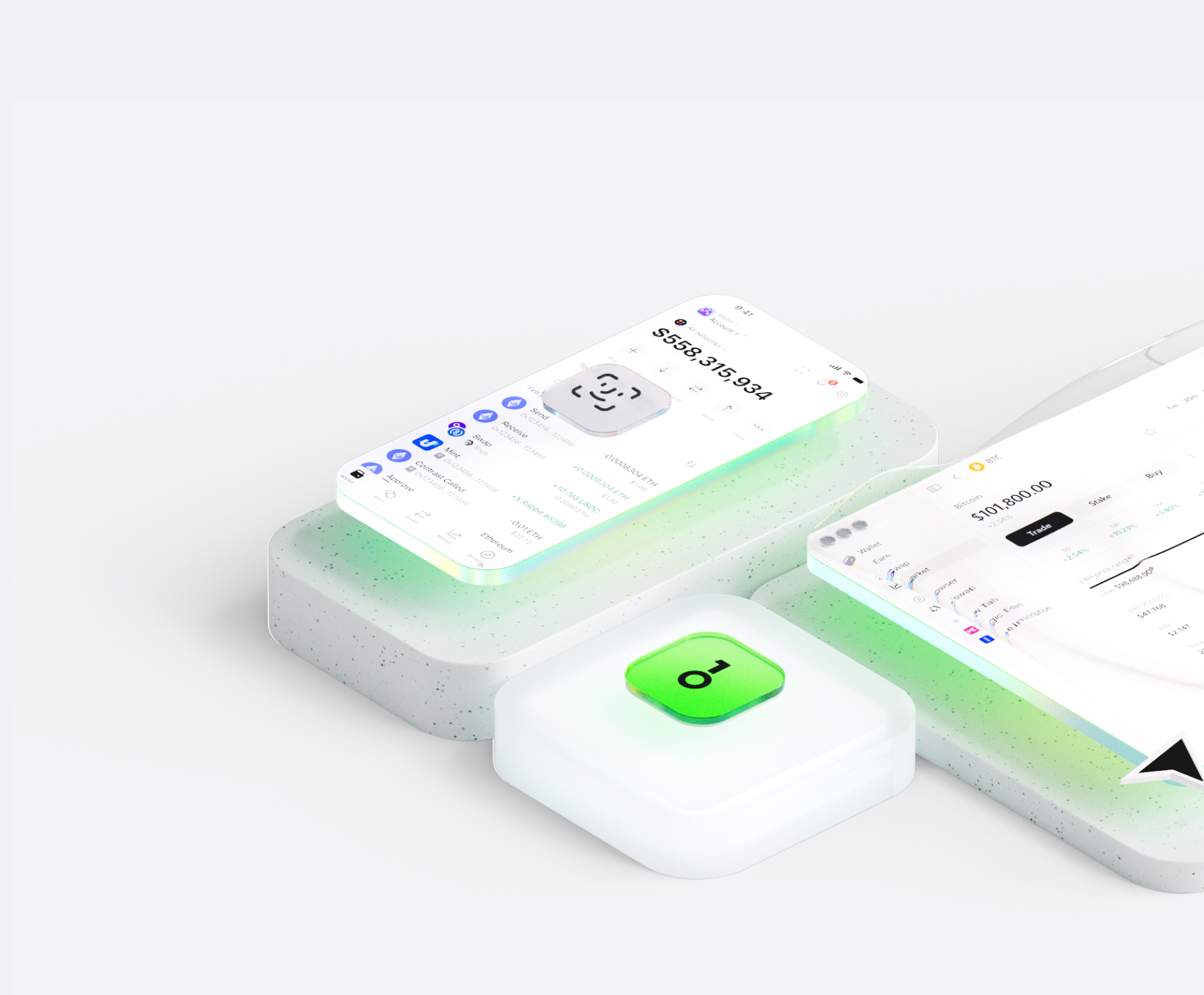
Die Ethereum-Wallet hilft Ihnen, digitale Assets ganz einfach zu speichern, zu senden und zu empfangen. Sie können jederzeit Cross-Chain-Token-Transaktionen durchführen, NFT-Marktplätze und dApps erkunden und weitere Möglichkeiten entdecken. Als integrierte Wallet für das Ethereum-Ökosystem bietet sie Ihnen ein sicheres On-Chain-Erlebnis.


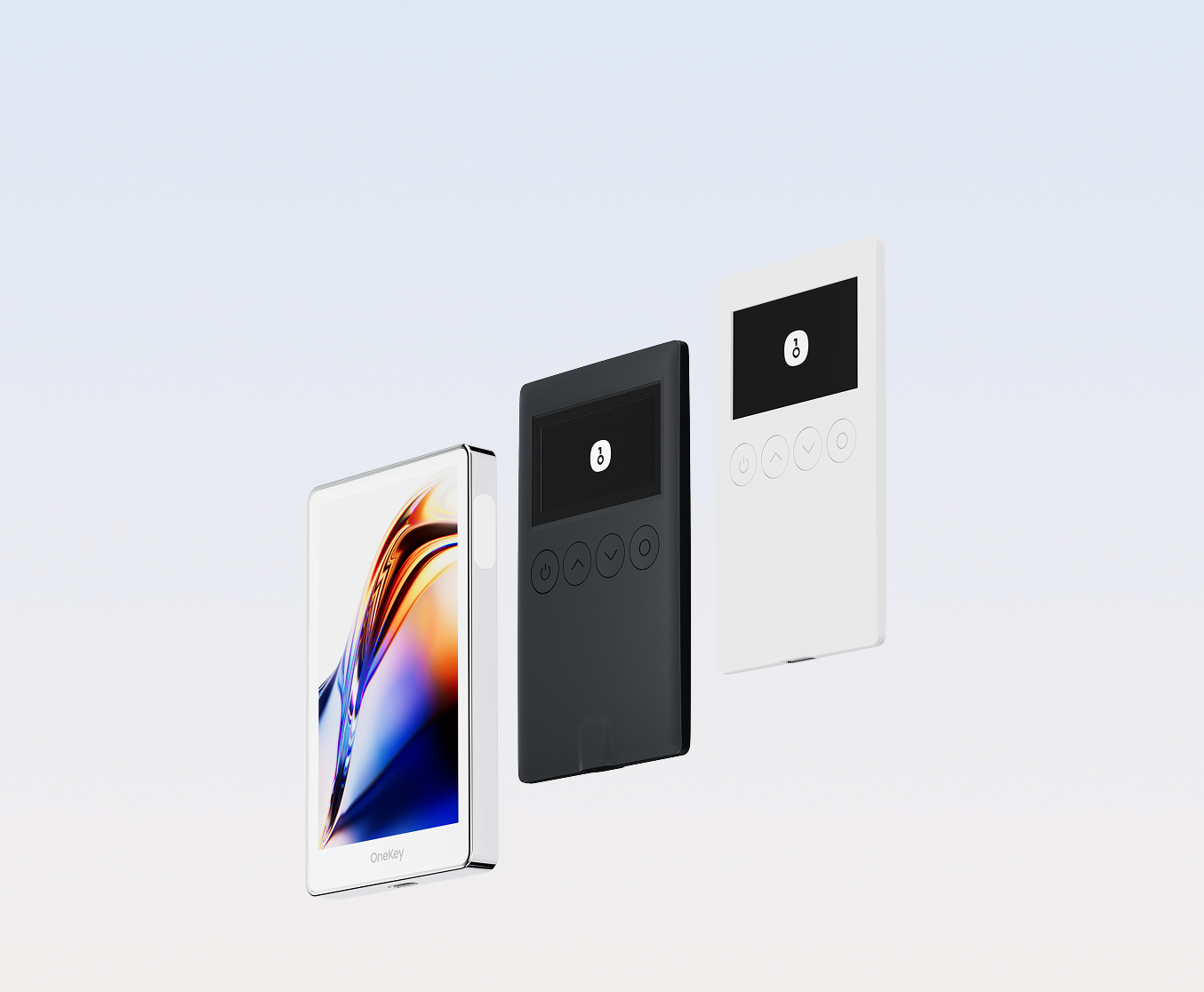
Warum Ethereum-Wallets von OneKey wählen?
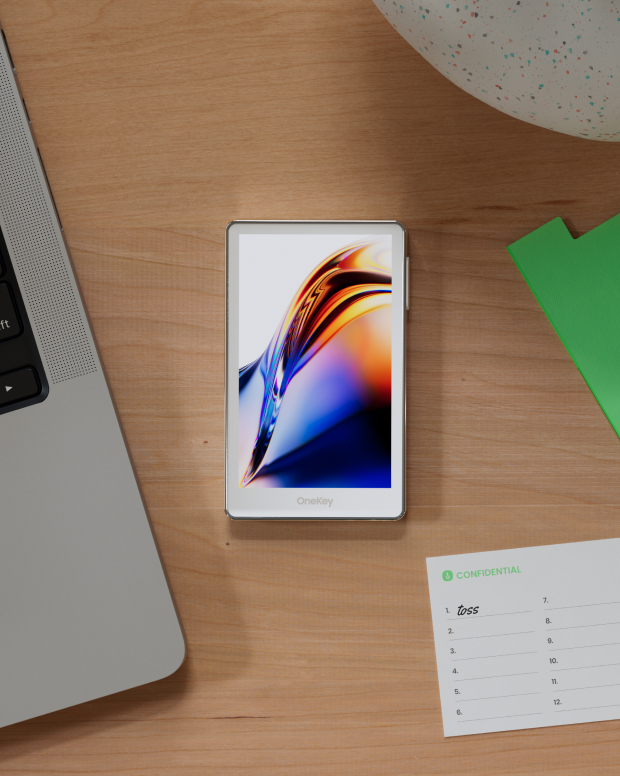
Übernehmen Sie die Kontrolle über Ihre Sicherheit.
Keine Verifizierung des Klarnamens erforderlich. Wir erfassen und speichern keine Nutzerdaten. Ihre Wallet gehört nur Ihnen.
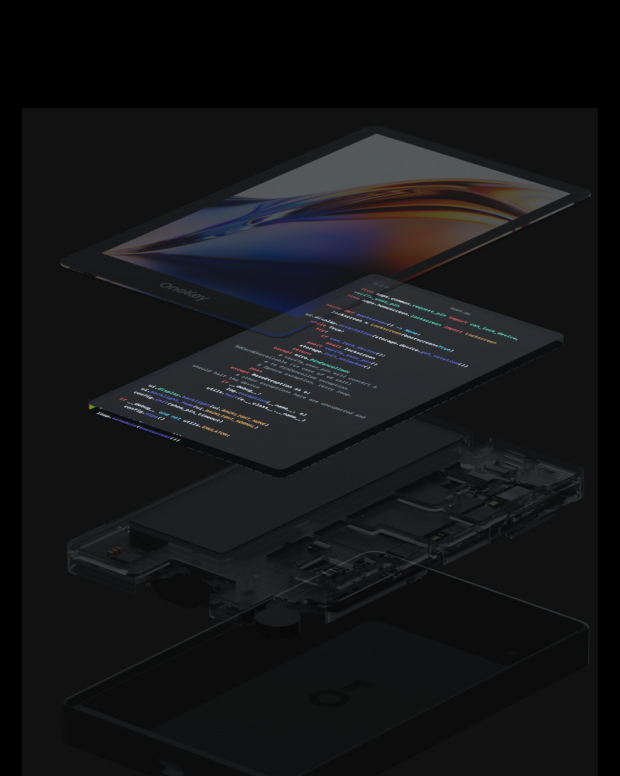
100 % Open Source und transparent
Die Ethereum-Wallet ist vollständig quelloffen; jede Codezeile kann von Sicherheitsexperten geprüft und verifiziert werden. Sicherheit basiert nicht auf Versprechen, sondern auf Transparenz.
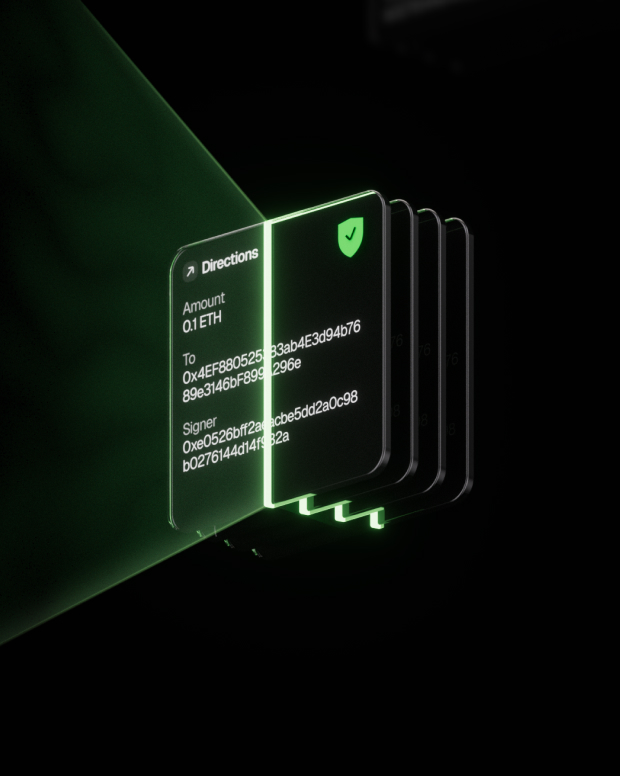
Intelligenter Risikoschutz
Integrierter dApp-Phishing-Schutz und das Ausblenden verdächtiger Token erkennen riskante Smart Contracts automatisch und verhindern so böswillige Genehmigungen oder den Diebstahl von Vermögenswerten.

Globale Unterstützung
Wir bieten Ihnen rund um die Uhr mehrsprachigen Kundensupport, um Ihre Probleme jederzeit zu lösen.

Häufig gestellte Fragen
Ethereum ist eine globale Open-Source-Plattform für dezentrale Anwendungen. Mit anderen Worten, es ist eine dezentrale Blockchain-Plattform, die es Entwicklern ermöglicht, Smart Contracts und Anwendungen ohne zentrale Autoritätskontrolle zu erstellen und bereitzustellen. Im Gegensatz zu Bitcoin, das hauptsächlich als digitale Währung fungiert, arbeitet Ethereum als programmierbarer globaler Computer, auf dem Entwickler jede Art von dezentralem Dienst erstellen können.
Die Plattform beherbergt über 14 Milliarden US-Dollar an DeFi-Anwendungen mit Hunderttausenden aktiven Nutzern in Finanzprotokollen, NFT-Marktplätzen und Gaming-Plattformen. Der Übergang zu Proof of Stake im September 2022 reduzierte den Energieverbrauch um über 99 %, was Umweltbedenken adressierte und gleichzeitig die Netzwerksicherheit stärkte.
Das Netzwerk arbeitet über Tausende unabhängiger Validator-Knoten, die Transaktionen verarbeiten und Smart Contracts auf der Ethereum Virtual Machine ausführen. Smart Contracts sind selbstausführende Programme, die in Solidity geschrieben sind und Vereinbarungen automatisch ausführen, wenn Bedingungen erfüllt sind, wodurch Zwischenhändler wie Banken oder Broker überflüssig werden.
Validatoren setzen ETH als Sicherheit ein, um Blöcke vorzuschlagen und zu validieren. Sie erhalten Belohnungen für ehrliche Teilnahme, während sie bei bösartigem Verhalten Strafen erleiden. Das EIP-1559-Upgrade führte einen dynamischen Basisgebührenmechanismus ein, der bei jeder Transaktion ETH verbrennt, was bei hoher Netzwerkaktivität deflationären Druck erzeugt, wenn mehr ETH verbrannt als an Validatoren ausgegeben wird.
Vitalik Buterin schlug Ethereum 2013 vor, aber sieben Mitgründer halfen beim Aufbau, darunter Gavin Wood, der Solidity und die technische Spezifikation der EVM erstellte, und Joseph Lubin, der ConsenSys gründete. Das Projekt startete im Juli 2015, nachdem über 18 Millionen US-Dollar durch Crowdfunding gesammelt wurden, und wurde schnell zur größten Blockchain-Entwickler-Community. Zu den wichtigsten Meilensteinen gehören der Start der Beacon Chain 2020, der Londoner Hard Fork 2021 mit Gebührenverbrennung und die Merge zu Proof of Stake 2022.
Ether (ETH) erfüllt mehrere Funktionen: Zahlung von Transaktionsgebühren (Gas), Staking zur Sicherung des Netzwerks und Erzielung von 3-5 % Jahresrendite, als Sicherheit in DeFi-Protokollen sowie zum Kauf von NFTs und digitalen Vermögenswerten. Der Vermögenswert wird zunehmend von traditionellen Institutionen übernommen. Börsennotierte Unternehmen fügen ETH ihren Unternehmensreserven hinzu, um Staking-Renditen zu erzielen und gleichzeitig Blockchain-Exposition zu behalten. 2024 genehmigte die SEC Spot-Ethereum-ETFs, die es traditionellen Anlegern ermöglichen, über herkömmliche Brokerage-Konten Zugang zu erhalten.
Die Roadmap von Ethereum konzentriert sich darauf, die Transaktionskapazität drastisch auf über 100.000 pro Sekunde zu erhöhen, Bestätigungszeiten zu verkürzen und die Dezentralisierung zu verbessern, während die Sicherheit gegen zukünftige Bedrohungen wie Quantencomputing erhalten bleibt.
Die beste Ethereum Wallet sollte Sicherheit und Benutzerfreundlichkeit gleichermaßen gewährleisten. Mit einer Ethereum Wallet können Sie nicht nur (Token-Name) sicher speichern und verwalten, sondern auch problemlos kettenübergreifende Transaktionen durchführen, an DeFi-Protokollen teilnehmen und mit DApps interagieren. Die Ethereum Wallet bietet eine Echtzeit-Transaktionsverfolgung, transparente Open-Source-Sicherheitsmechanismen und ein reibungsloses Nutzungserlebnis im Ethereum Netzwerk, sodass Sie die vollständige Kontrolle über Ihre Krypto-Assets behalten.
1. Wallet herunterladen: Besuchen Sie die offizielle OneKey-Website und laden Sie die OneKey-App für macOS, Windows, iOS oder Android herunter. 2. Wallet
: Öffnen Sie die App und wählen Sie „Neue Wallet erstellen“ oder „Hardware-Wallet verbinden“.
Wallet sichern: Notieren Sie sich Ihre Wiederherstellungsphrase und bewahren Sie sie offline auf. Wir laden Ihre Wiederherstellungsphrase niemals hoch und speichern sie auch nicht.
Einzahlen EthereumKopieren Sie die Wallet-Adresse und überweisen Sie den Betrag. Ethereum von einer Börse oder einer anderen Wallet. Alle privaten Schlüssel werden offline auf
Gerät generiert und gespeichert,
Sie die volle Kontrolle über Ihre Vermögenswerte haben.
1. Senden EthereumGeben Sie die Ethereum Adresse und Betrag eingeben und die Signatur in der App bestätigen. Die Transaktion wird nach Abschluss sofort an die Blockchain übertragen.
2. Empfangen EthereumKlicken Sie auf „Empfangen“, um die Wallet-Adresse zu erhalten. Teilen Sie diese dem Absender mit. Nach dem Empfang der Token können Sie den Kontostand in Echtzeit in der App einsehen.
3. Vermögenswerte verwalten: Verfolgen Sie den Transaktionsverlauf, greifen Sie auf DeFi-Protokolle zu oder führen Sie Cross-Chain-Operationen durch. Ethereum Wallet, alles in einer App.
Abonnieren Sie unseren Newsletter
Abonnieren Sie den OneKey-Newsletter, um die neuesten Produktneuheiten und Angebote zu erhalten.