The Ethereum wallet helps you easily store, send, and receive digital assets. You can perform cross-chain token transactions at any time, explore NFT marketplaces and dApps, and discover more opportunities. An integrated wallet for the Ethereum ecosystem, it provides you with a secure on-chain experience.



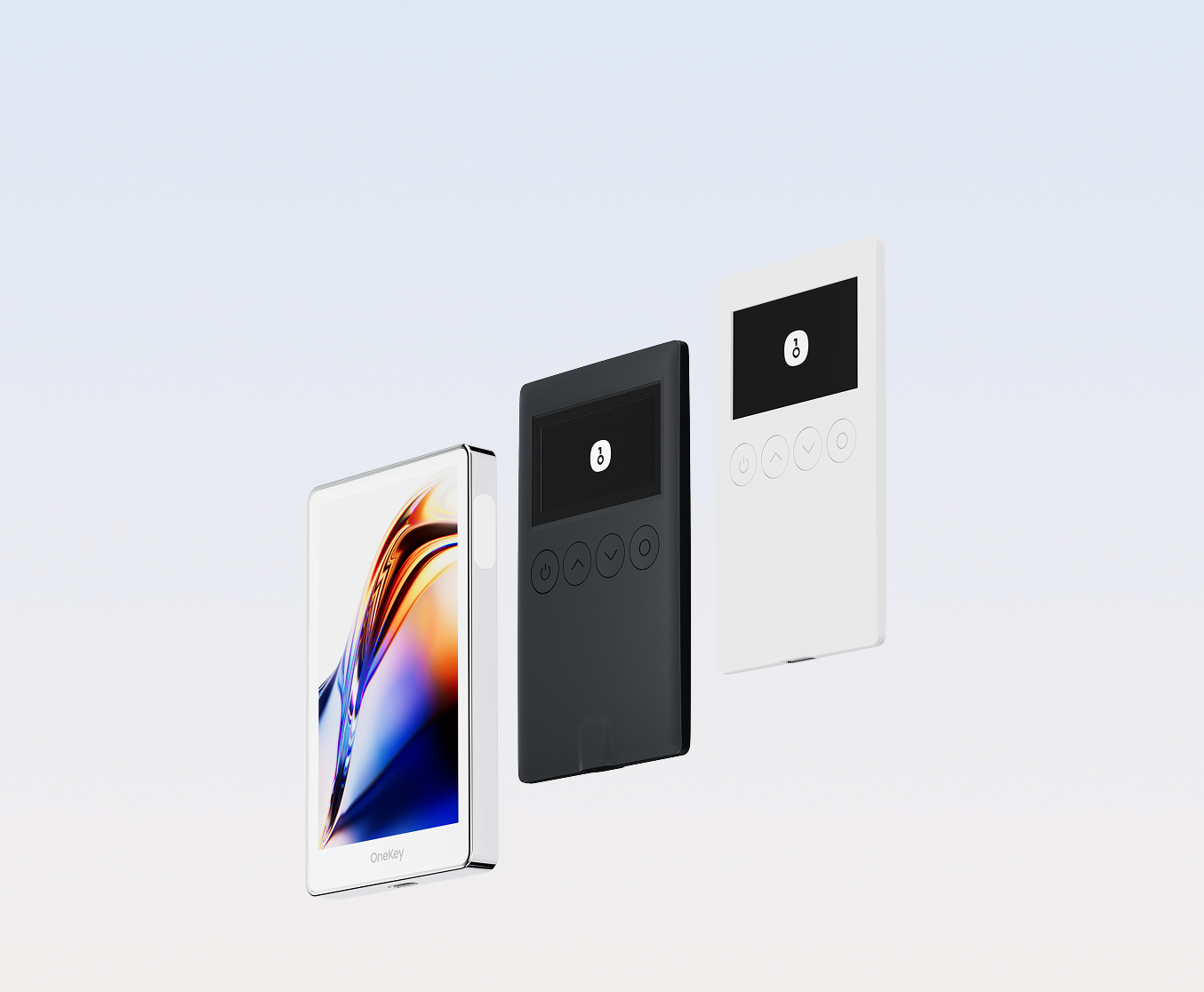
Why choose Ethereum wallets with OneKey

Take control of the safety that belongs to you
No real-name verification required. We collect and track no user data. Your wallet belongs only to you.
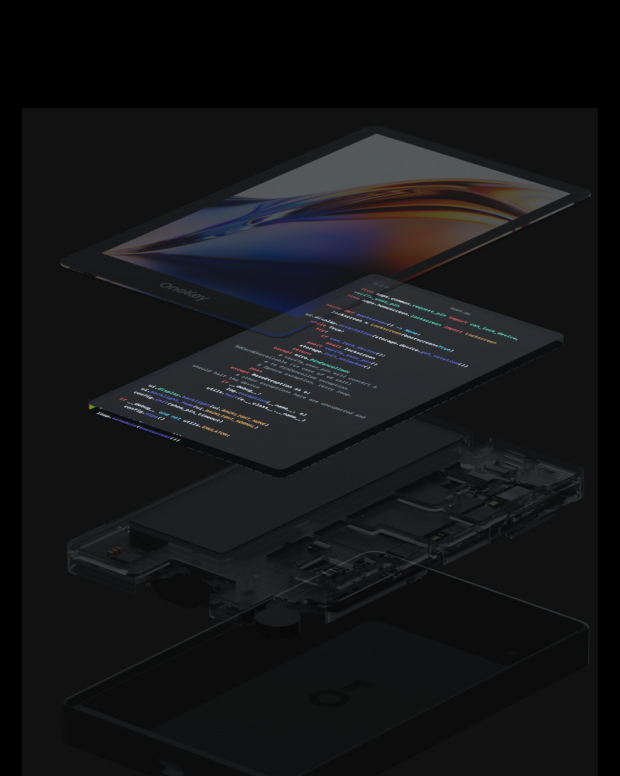
100% open-source and transparent
Ethereum wallet is a fully open-source wallet; every line of code can be audited and verified by security experts. Security is not based on promises, but on transparency.

Intelligent Risk Protection
Built-in dApp phishing protection and suspicious token folding features automatically detect risky contracts to prevent malicious approvals or asset theft.

Global support
Provide 24/7 multilingual customer support to resolve your issues at any time.

FAQ’s
Ethereum is a global, open-source platform for decentralized applications. In other words, it is a decentralized blockchain platform that enables developers to build and deploy smart contracts and applications without central authority control. Unlike Bitcoin, which primarily functions as digital currency, Ethereum operates as a programmable global computer where developers can create any type of decentralized service.
The platform hosts over $14 billion in DeFi applications with hundreds of thousands of active users across financial protocols, NFT marketplaces, and gaming platforms. Its transition to Proof of Stake in September 2022 reduced energy consumption by over 99%, addressing environmental concerns while strengthening network security.
The network operates through thousands of independent validator nodes that process transactions and execute smart contracts on the Ethereum Virtual Machine. Smart contracts are self-executing programs written in Solidity that automatically carry out agreements when conditions are met, eliminating intermediaries like banks or brokers.
Validators stake ETH as collateral to propose and validate blocks, earning rewards for honest participation while facing penalties for malicious behavior. The EIP-1559 upgrade introduced a dynamic base fee mechanism that burns ETH with each transaction, creating deflationary pressure during high network activity when more ETH is burned than issued to validators.
Vitalik Buterin proposed Ethereum in 2013, but seven co-founders helped build it, including Gavin Wood who created Solidity and the EVM technical specification, and Joseph Lubin who founded ConsenSys. The project launched in July 2015 after raising over $18 million through crowdfunding, quickly becoming the largest blockchain developer community. Major milestones include the 2020 Beacon Chain launch, the 2021 London hard fork implementing fee burning, and the 2022 Merge to Proof of Stake.
Ether (ETH) serves multiple functions: paying transaction fees (gas), staking to secure the network and earn 3-5% annual yields, serving as collateral in DeFi protocols, and purchasing NFTs and digital assets. The asset is increasingly adopted by traditional institutions, with publicly traded companies adding ETH to corporate treasuries to generate staking yields while maintaining blockchain exposure, and in 2024, the SEC approved spot Ethereum ETFs, allowing traditional investors to gain exposure through conventional brokerage accounts.
Ethereum's roadmap focuses on dramatically increasing transaction capacity to over 100,000 per second, reducing confirmation times, and enhancing decentralization while maintaining security against future threats like quantum computing.
The best Ethereum wallet should balance both security and ease of use.
With a Ethereum wallet, you can not only securely store and manage (token name), but also freely conduct cross-chain transactions, participate in DeFi protocols, and interact with DApps.
Ethereum wallet provides real-time transaction tracking, open-source and transparent security mechanisms, and a smooth experience on the Ethereum network, giving you complete control over your crypto assets.
1. Download wallet: Visit the OneKey official website and download the OneKey App for macOS, Windows, iOS, or Android.
2. Create wallet: Open the App, select "Create New Wallet" or "Connect Hardware Wallet".
3. Backup wallet: Safely write down the recovery phrase and store it offline. We never upload or save your recovery phrase.
4. Deposit Ethereum: Copy the wallet address and transfer Ethereum from an exchange or another wallet.
All private keys are generated and stored offline on the device, giving you complete control over your assets.
1. Send Ethereum: Enter the Ethereum address and amount, then confirm the signature in the App. The transaction will be broadcast to the blockchain immediately after completion.
2. Receive Ethereum: Click "Receive" to get the wallet address, share it with the sender, and you can view the balance in real-time in the App after receiving the tokens.
3. Manage assets: Track transaction history, access DeFi protocols, or perform cross-chain operations in the Ethereum wallet, all in one App.
Subscribe to our newsletter
Subscribe to OneKey newsletters for the latest product news and offers.