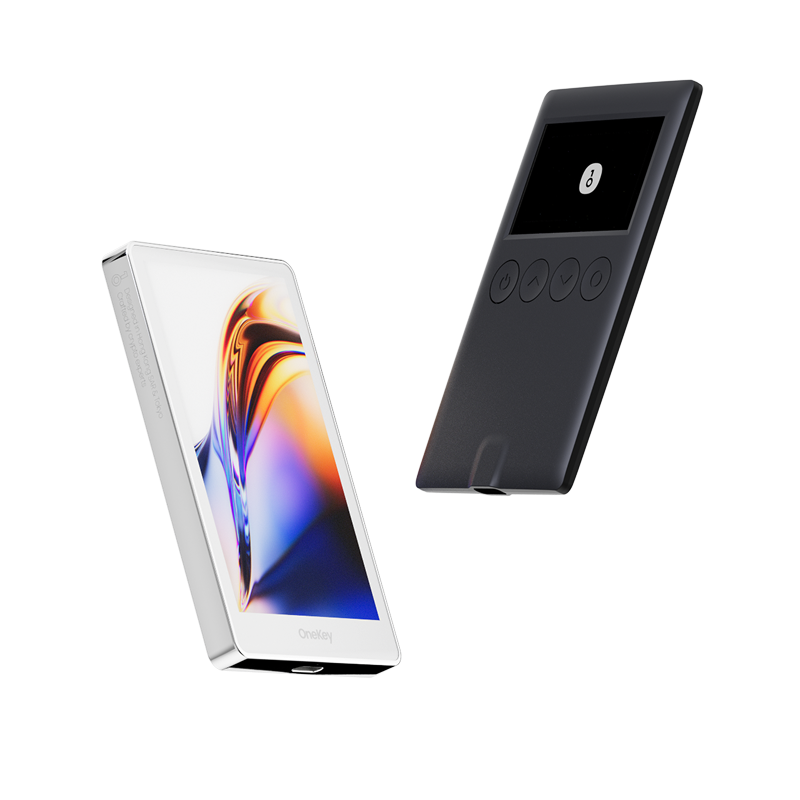
The Ripple wallet helps you easily store, send, and receive digital assets. You can perform cross-chain token transactions at any time, explore NFT marketplaces and dApps, and discover more opportunities. An integrated wallet for the Ripple ecosystem, it provides you with a secure on-chain experience.

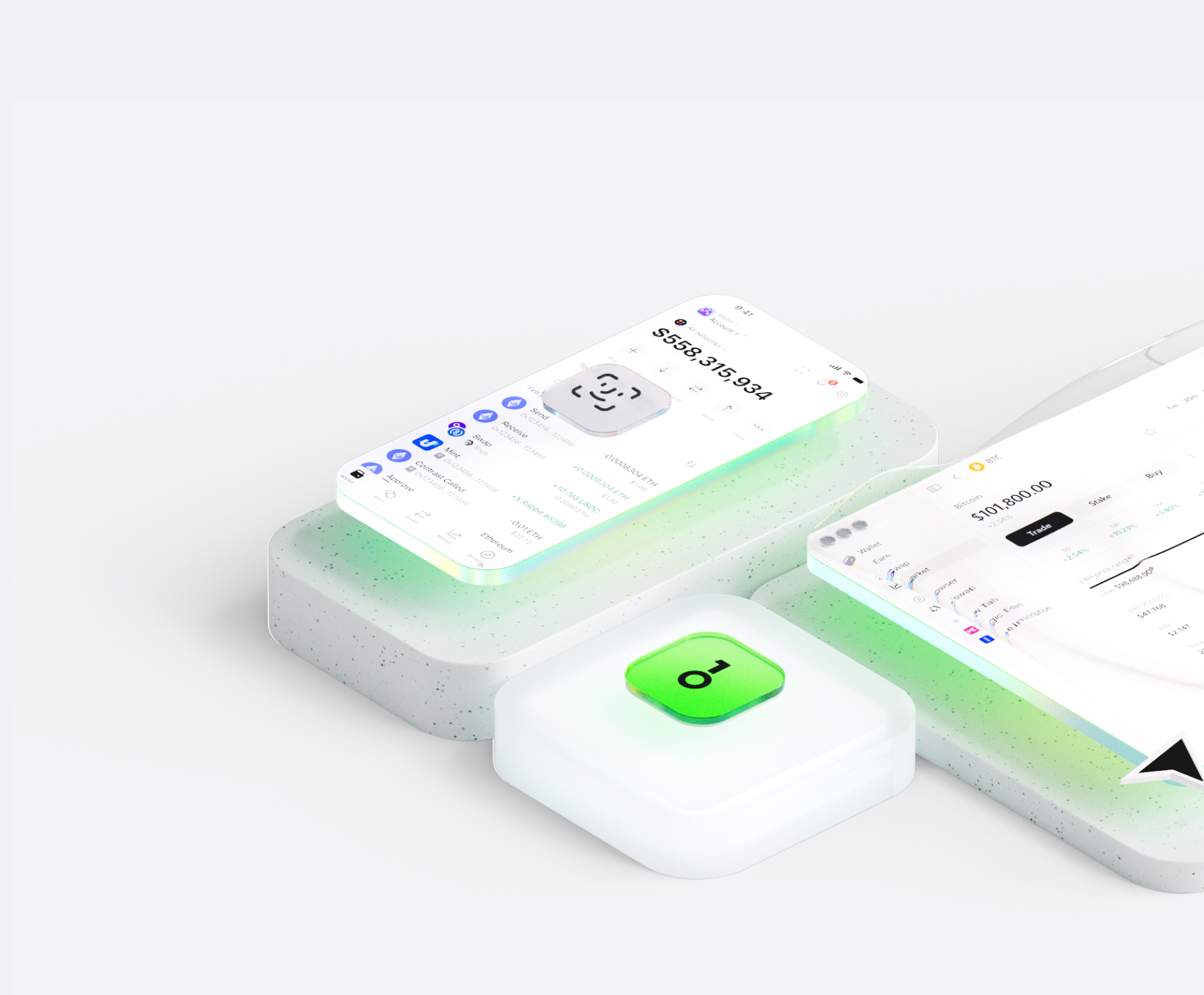

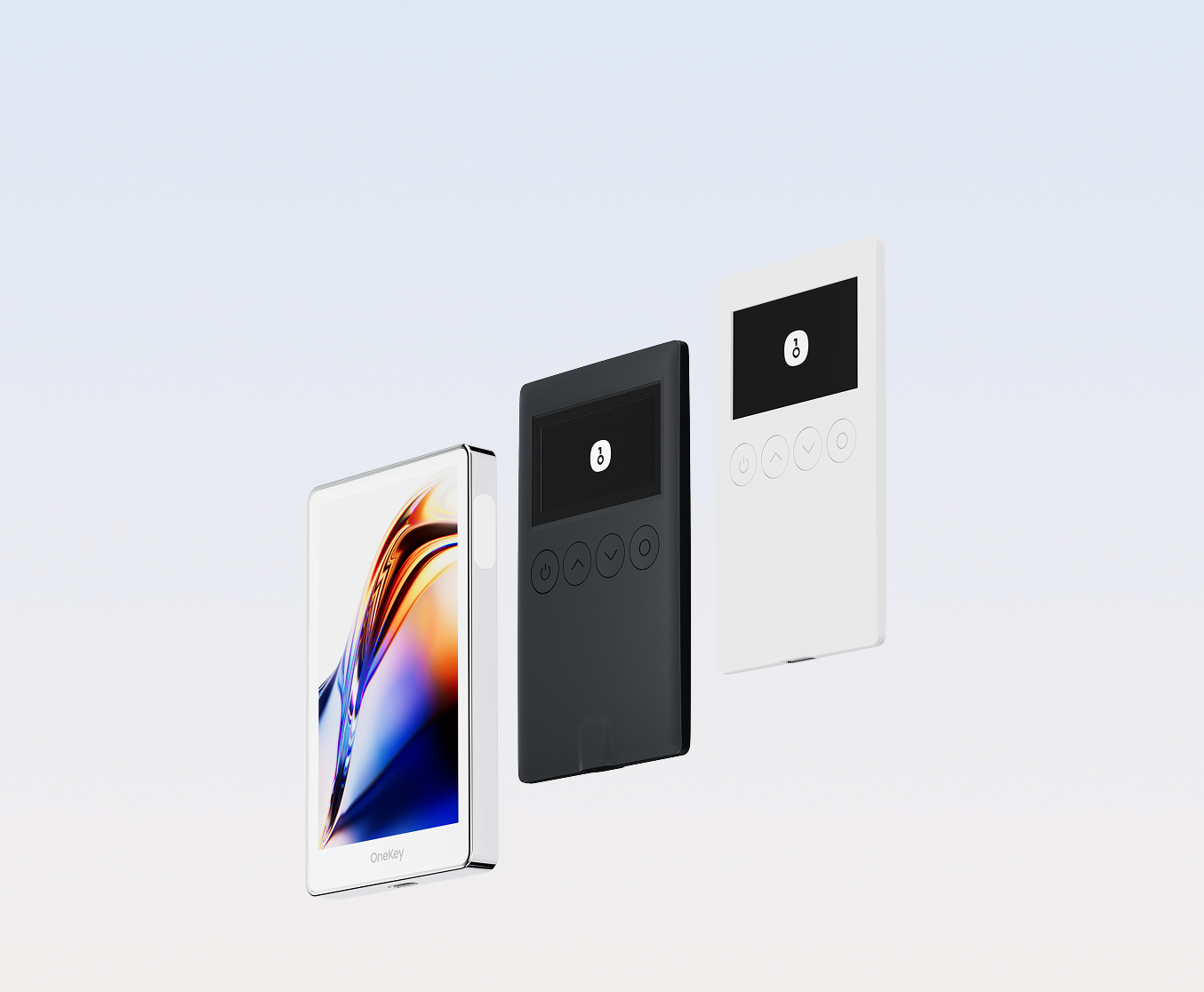
Why choose Ripple wallets with OneKey
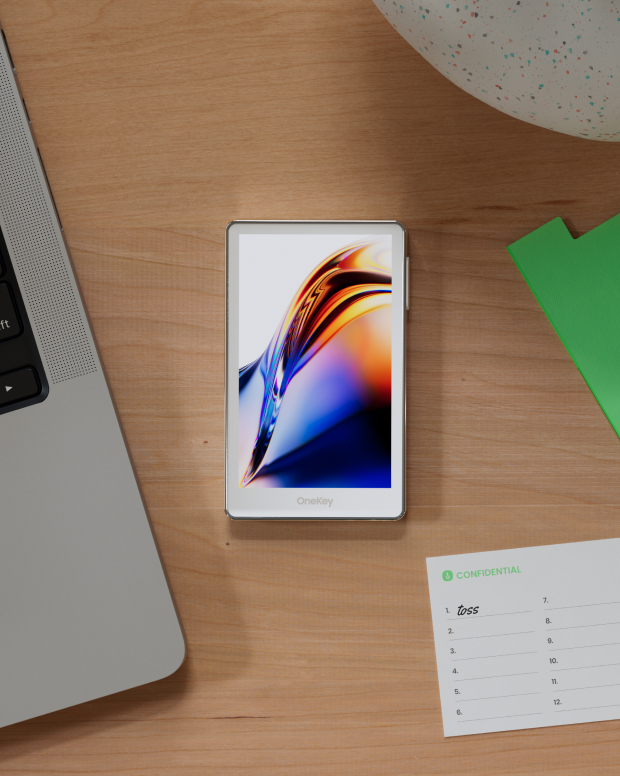
Take control of the safety that belongs to you
No real-name verification required. We collect and track no user data. Your wallet belongs only to you.
100% open-source and transparent
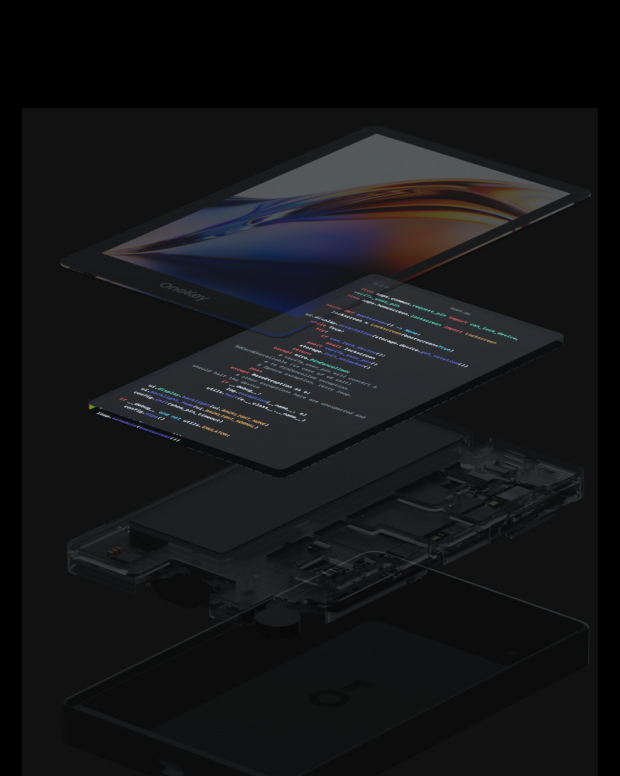
Ripple wallet is a fully open-source wallet; every line of code can be audited and verified by security experts. Security is not based on promises, but on transparency.
Intelligent Risk Protection
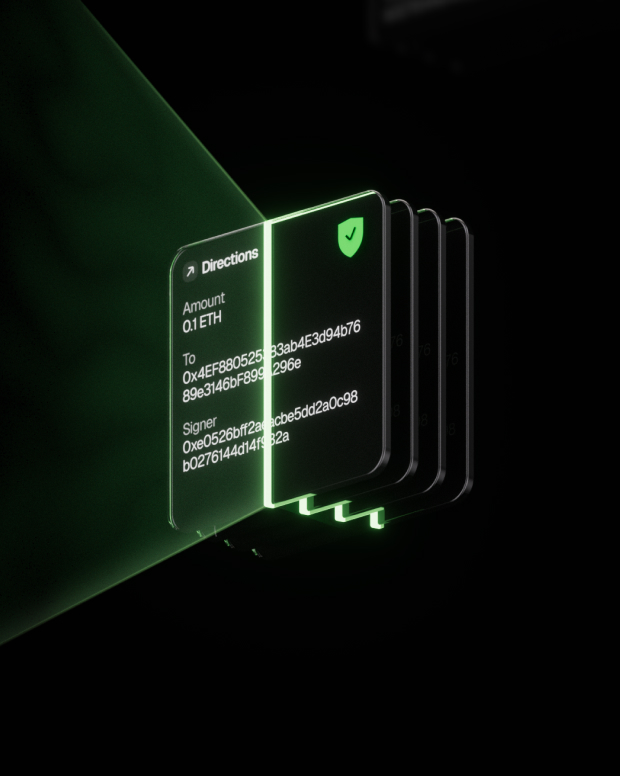
Built-in dApp phishing protection and suspicious token folding features automatically detect risky contracts to prevent malicious approvals or asset theft.

Global support
Provide 24/7 multilingual customer support to resolve your issues at any time.

FAQ’s
XRP is a decentralized digital asset and the native token of the XRP Ledger, a Layer 1 blockchain designed for high-performance global payments. Its primary value proposition is offering a fast, cost-effective alternative to traditional banking systems by enabling near-instant cross-border settlements that finalize in three to five seconds. By serving as a neutral bridge asset between different fiat currencies, it helps financial institutions lower liquidity costs and eliminates the need for pre-funded accounts.
The network is unique because it utilizes a federated consensus protocol instead of energy-intensive mining or staking. This system achieves deterministic finality through a Unique Node List of trusted validators who must reach an eighty percent agreement threshold to permanently record transactions. This infrastructure supports a sustained throughput of 1,500 transactions per second and includes a built-in decentralized exchange that allows for the automated trading of any tokenized asset without intermediaries.
The project traces its origins back to 2004 with Ryan Fugger before being co-founded in its modern form by Jed McCaleb and Chris Larsen. The company, now known as Ripple, works with major financial institutions as partners and investors to build global payment solutions. To protect the network from spam, a small amount of XRP is burned during every transaction, and the token is further utilized by institutions as collateral to access traditional markets and manage digital asset infrastructure.
Institutional adoption of the asset reached a major milestone in November 2025 when the SEC approved the first wave of spot XRP ETFs. These products, offered by major issuers including Bitwise, Grayscale, 21Shares, Canary Capital, and Franklin Templeton, are now listed on prominent exchanges like the NYSE Arca, Nasdaq, and Cboe BZX. While Ripple remains a key contributor to the ecosystem, the underlying XRP Ledger continues to operate as an open-source and decentralized network.
The best Ripple wallet should balance both security and ease of use.
With a Ripple wallet, you can not only securely store and manage (token name), but also freely conduct cross-chain transactions, participate in DeFi protocols, and interact with DApps.
Ripple wallet provides real-time transaction tracking, open-source and transparent security mechanisms, and a smooth experience on the Ripple network, giving you complete control over your crypto assets.
1. Download wallet: Visit the OneKey official website and download the OneKey App for macOS, Windows, iOS, or Android.
2. Create wallet: Open the App, select "Create New Wallet" or "Connect Hardware Wallet".
3. Backup wallet: Safely write down the recovery phrase and store it offline. We never upload or save your recovery phrase.
4. Deposit Ripple: Copy the wallet address and transfer Ripple from an exchange or another wallet.
All private keys are generated and stored offline on the device, giving you complete control over your assets.
1. Send Ripple: Enter the Ripple address and amount, then confirm the signature in the App. The transaction will be broadcast to the blockchain immediately after completion.
2. Receive Ripple: Click "Receive" to get the wallet address, share it with the sender, and you can view the balance in real-time in the App after receiving the tokens.
3. Manage assets: Track transaction history, access DeFi protocols, or perform cross-chain operations in the Ripple wallet, all in one App.
Subscribe to our newsletter
Subscribe to OneKey newsletters for the latest product news and offers.