Die Holo-Wallet hilft Ihnen, digitale Assets ganz einfach zu speichern, zu senden und zu empfangen. Sie können jederzeit Cross-Chain-Token-Transaktionen durchführen, NFT-Marktplätze und dApps erkunden und weitere Möglichkeiten entdecken. Als integrierte Wallet für das Holo-Ökosystem bietet sie Ihnen ein sicheres On-Chain-Erlebnis.

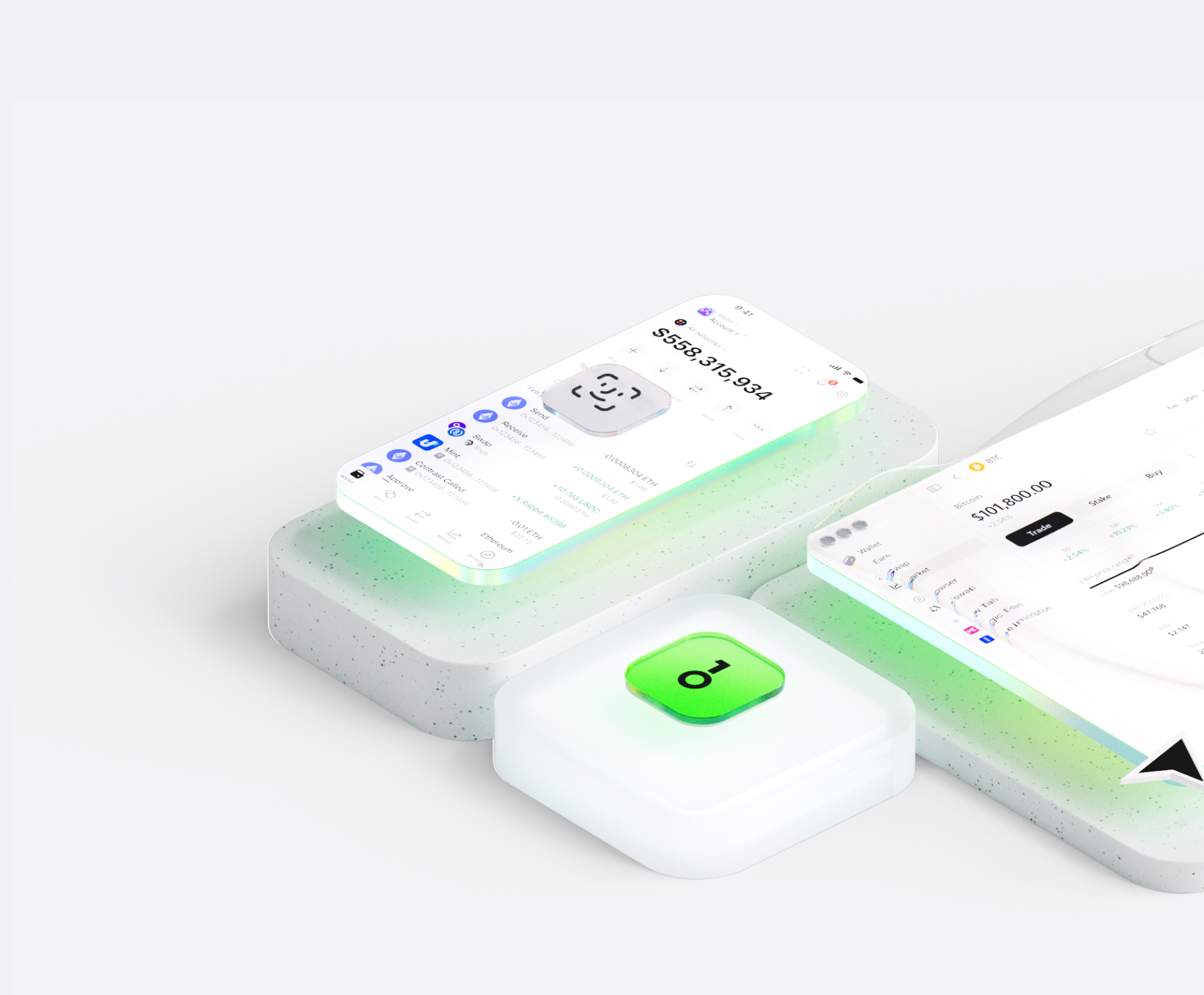

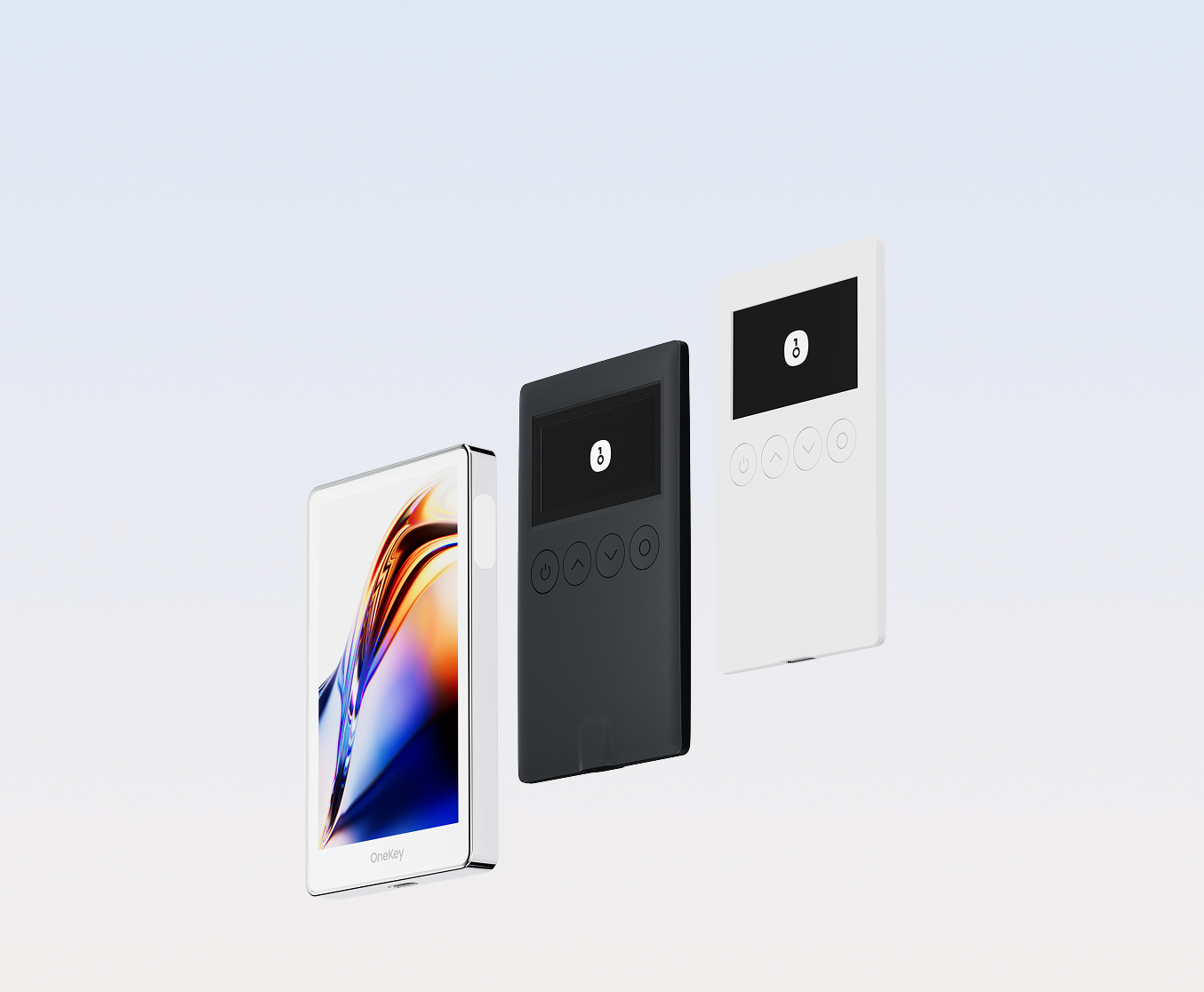
Warum Holo-Wallets von OneKey wählen?
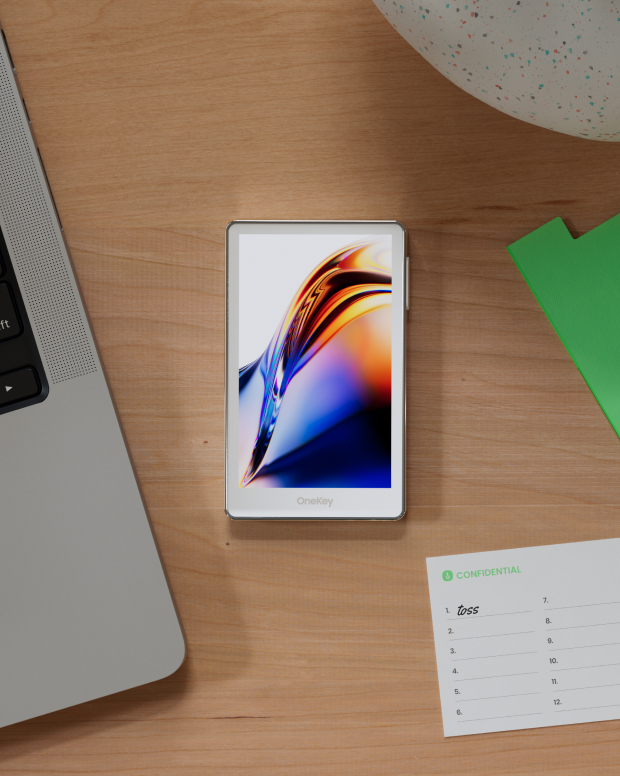
Übernehmen Sie die Kontrolle über Ihre Sicherheit.
Keine Verifizierung des Klarnamens erforderlich. Wir erfassen und speichern keine Nutzerdaten. Ihre Wallet gehört nur Ihnen.
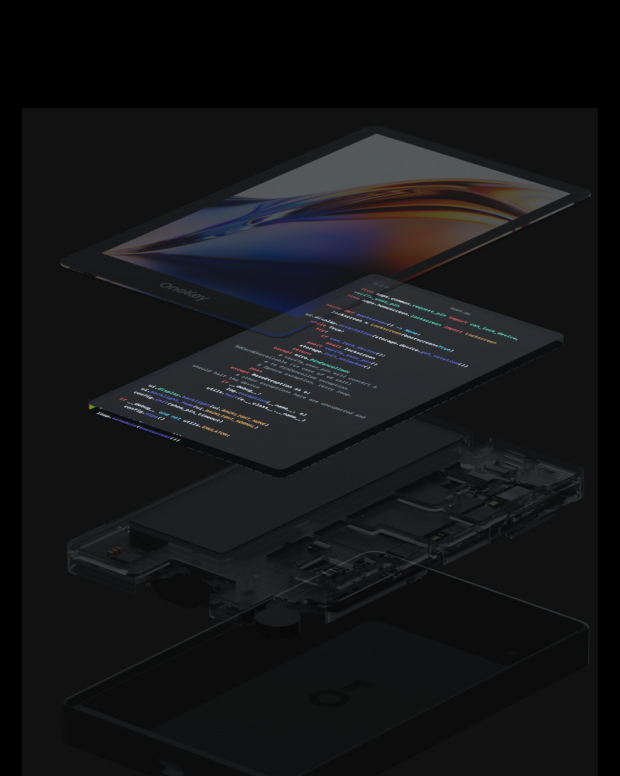
100 % Open Source und transparent
Die Holo-Wallet ist vollständig quelloffen; jede Codezeile kann von Sicherheitsexperten geprüft und verifiziert werden. Sicherheit basiert nicht auf Versprechen, sondern auf Transparenz.
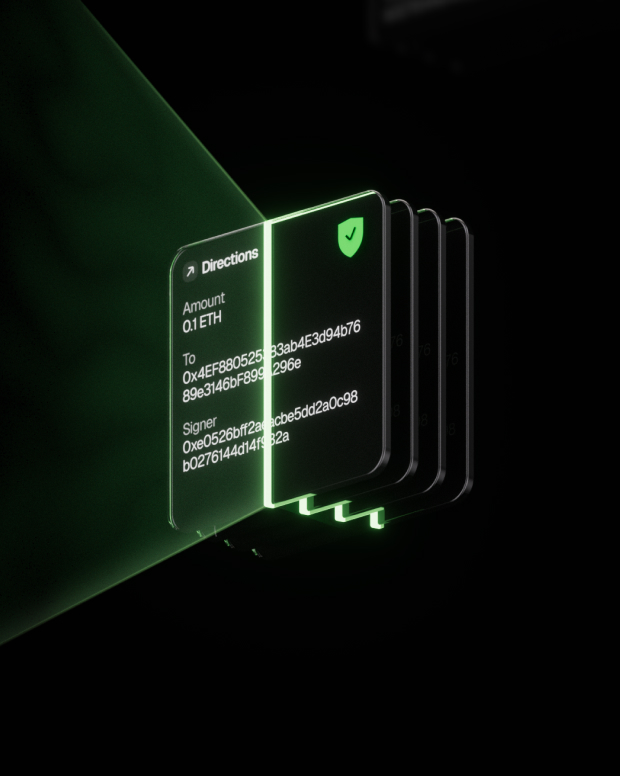
Intelligenter Risikoschutz
Integrierter dApp-Phishing-Schutz und das Ausblenden verdächtiger Token erkennen riskante Smart Contracts automatisch und verhindern so böswillige Genehmigungen oder den Diebstahl von Vermögenswerten.

Globale Unterstützung
Wir bieten Ihnen rund um die Uhr mehrsprachigen Kundensupport, um Ihre Probleme jederzeit zu lösen.

Häufig gestellte Fragen
Was ist Holo?
Holochain ermöglicht ein verteiltes Web mit Benutzerautonomie, die direkt in seine Architektur und Protokolle integriert ist. Daten dienen dem Erinnern an unsere gelebten und geteilten Erfahrungen. Die Verteilung der Speicherung und Verarbeitung dieser Daten kann verändern, wie wir uns koordinieren und interagieren. Mit digitaler Integration unter Benutzerkontrolle befreit Holochain unser Online-Leben von der Kontrolle von Unternehmen über unsere Entscheidungen und Informationen.
Holochain ist ein energieeffizientes Post-Blockchain-Ledger-System und eine dezentralisierte Anwendungsplattform, die Peer-to-Peer-Networking für die Verarbeitung agentenzentrierter Vereinbarungs- und Konsenssysteme zwischen Benutzern nutzt.
Holochain ermöglicht es jedem Gerät, sein eigenes kettenbasiertes Ledger-System zu haben. Durch die Verwendung eines holographischen Modells für Datenspeicherung und -übertragung können Entwickler nun dezentralisierte Anwendungen erstellen, die in mehreren Dimensionen über ein Netzwerk skalieren und so sicherstellen, dass sie wirklich verteilt sind. Dies ermöglicht es jedem Gerät in einem Netzwerk, unabhängig zu funktionieren, und erfordert nur die Synchronisierung von Daten, wenn nötig oder von den Benutzern vereinbart. Das bedeutet, dass jeder Benutzer die Kontrolle über seine eigenen Daten hat und nie riskieren muss, dass seine Daten verkauft oder an Dritte preisgegeben werden, wie es gerade bei Facebook und Cambridge Analytica passiert ist.
Holochain bietet einen Rahmen für Entwickler zum Erstellen dezentralisierter Anwendungen und zielt darauf ab, das Paradigma datenzentrierter Blockchains zu einem agentenzentrierten System zu ändern. Im aufstrebenden System von Holochain wird kein echter globaler Konsens aufrechterhalten. Stattdessen unterhält jeder Agent in der öffentlichen Blockchain im Wesentlichen einen privaten Fork, der begrenzt auf der öffentlichen Blockchain mit einer Distributed Hash Table verwaltet und gespeichert wird. Das bedeutet, dass es keine Skalierbarkeitsgrenzen gibt und dapps, die auf Holochain gehostet werden, mit weniger von fast allem viel mehr leisten können als traditionelle Blockchains.
Dieses System hat jedoch einige inhärente Schwächen. Da die gesamte Blockchain von jedem Mitglied des Netzwerks verifiziert werden muss, entstehen schnell Skalierbarkeitsprobleme. Je größer die Menge der verarbeiteten Daten ist, desto restriktiver ist das Limit der Transaktionen pro Sekunde, die zu einem beliebigen Zeitpunkt auf der Blockchain stattfinden können. Holochain selbst ist Open Source und in Go geschrieben. Go wurde wegen seiner Benutzerfreundlichkeit und Ähnlichkeit zu C ausgewählt. Dapps, die speziell für Holochain geschrieben wurden, können mit JavaScript oder Lisp entwickelt werden, mit Unterstützung für Frontend-Systeme unter Verwendung von CSS, HTML und JavaScript.
Die Entwickler fügten hinzu, dass Holochain relativ flexibel im Umgang mit neuen Sprachen ist, sodass es Potenzial für Wachstum in dieser Hinsicht gibt. Holochain präsentiert sich als umweltfreundliche Alternative zu traditionellen Blockchains. Da es nicht nötig ist, dass jeder einzelne Agent die globale Blockchain speichert und validiert, verbraucht Holochain nur einen Bruchteil der Bandbreite traditioneller Chains. Holochain hat auch keine Mining-Komponente, sodass kein Strom oder Rechenleistung für Proof-of-Work-Berechnungen aufgewendet wird.
Arthur Brock und Eric Harris-Braun sind die Mitgründer von Holochain und Schöpfer von Holochain. Sie entwerfen seit den 80er Jahren alternative Währungen und arbeiten an Holu, seit bevor das Bitcoin-Whitepaper geschrieben wurde. Um die Anreize von Benutzern, Gründern und Entwicklern zu schützen, gehört Holochain einer gemeinnützigen Stiftung. Das Beratungsteam des Unternehmens umfasst auch Ryan Bubinski, den Mitgründer von CodeAcademy. Im Juni kündigte Holochain eine neue strategische Partnerschaft mit Promether an, einer Adaptive Symbiotic Platform (ASP), die den gesamten Networking-, Sicherheits- und Anonymisierungscode implementiert, den Anwendungen zum Schutz ihrer Daten benötigen.
Was ist das beste Holo-Wallet?
Wie bekomme ich ein Holo Wallet?
So verwenden Sie eine Holo Wallet
Abonnieren Sie unseren Newsletter
Abonnieren Sie den OneKey-Newsletter, um die neuesten Produktneuheiten und Angebote zu erhalten.