Die Sai-Wallet hilft Ihnen, digitale Assets ganz einfach zu speichern, zu senden und zu empfangen. Sie können jederzeit Cross-Chain-Token-Transaktionen durchführen, NFT-Marktplätze und dApps erkunden und weitere Möglichkeiten entdecken. Als integrierte Wallet für das Sai-Ökosystem bietet sie Ihnen ein sicheres On-Chain-Erlebnis.

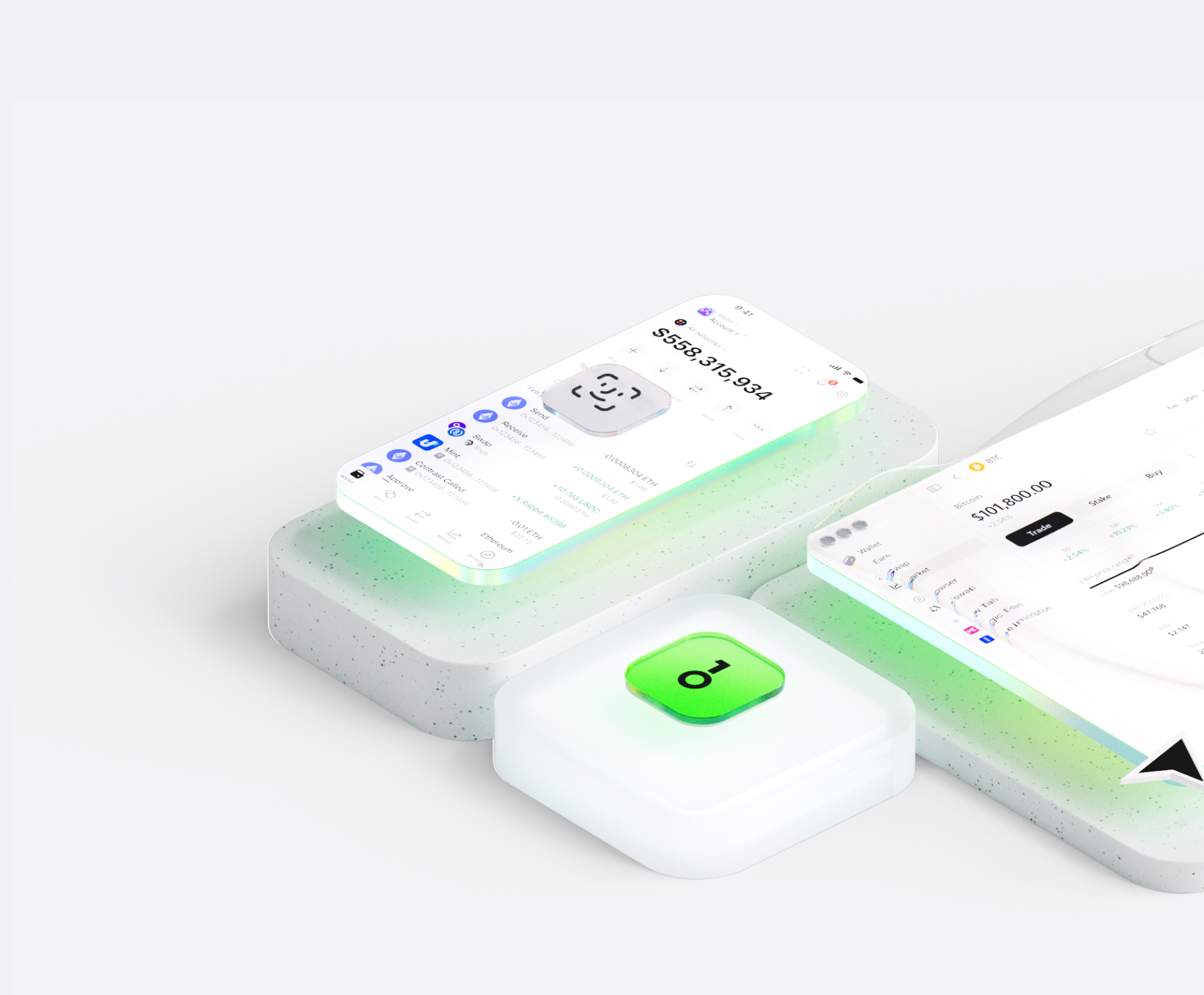

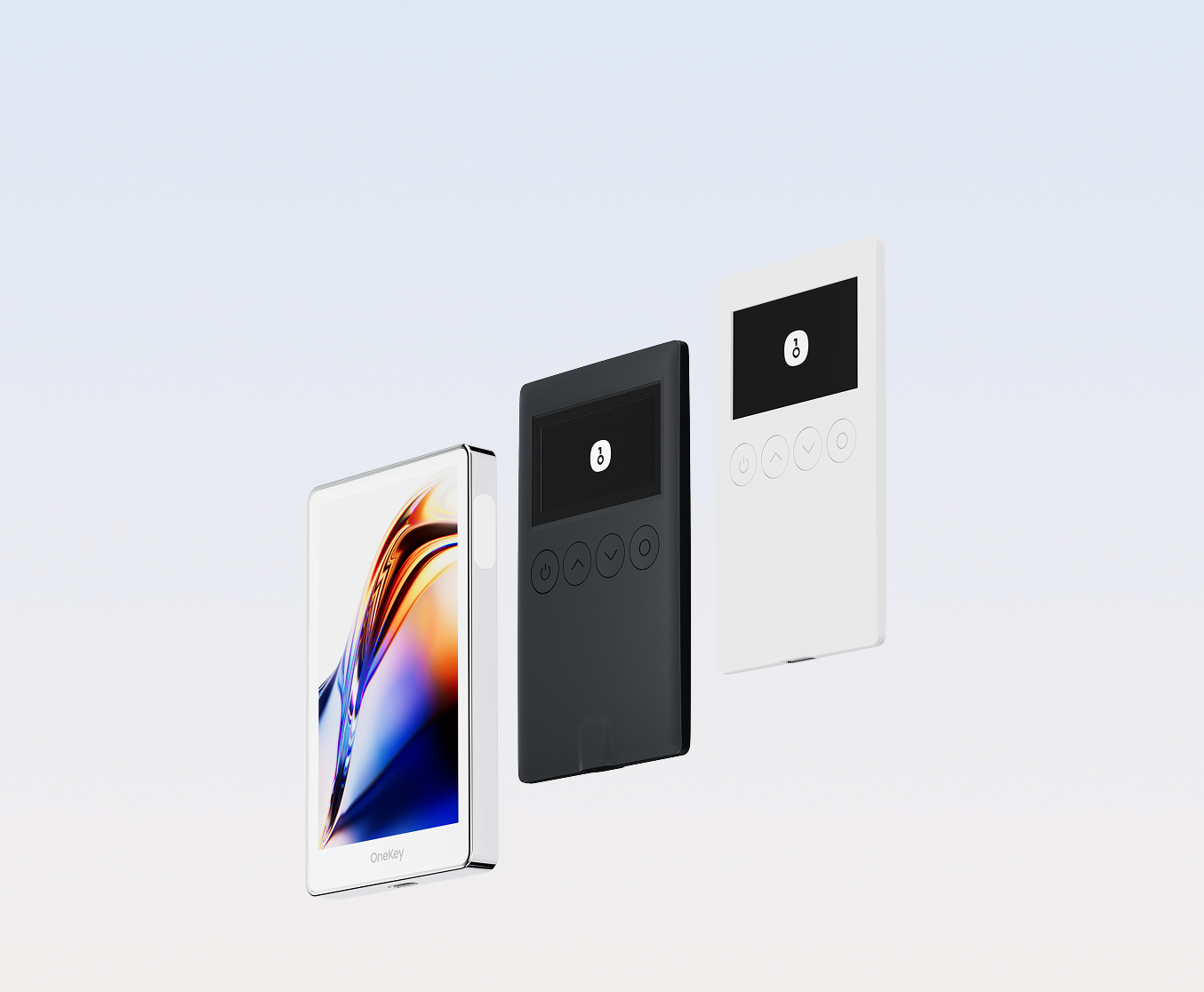
Warum Sai-Wallets von OneKey wählen?
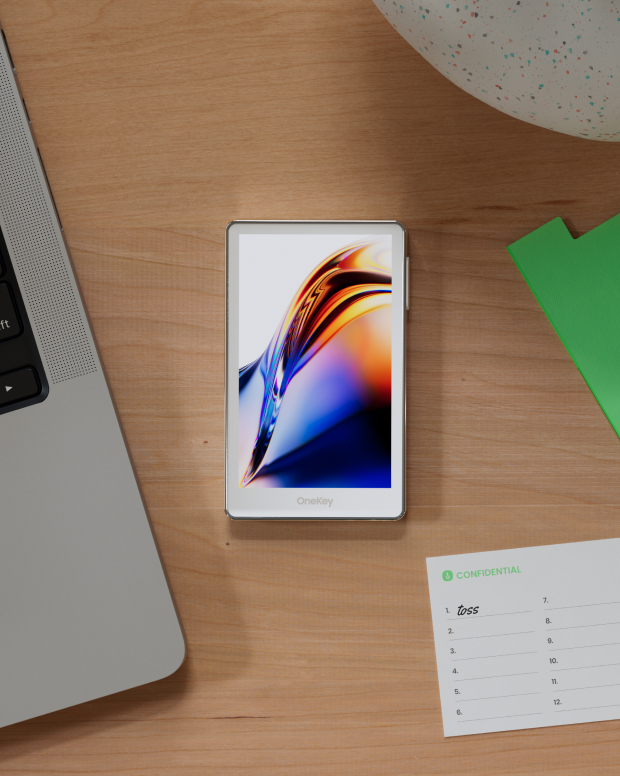
Übernehmen Sie die Kontrolle über Ihre Sicherheit.
Keine Verifizierung des Klarnamens erforderlich. Wir erfassen und speichern keine Nutzerdaten. Ihre Wallet gehört nur Ihnen.
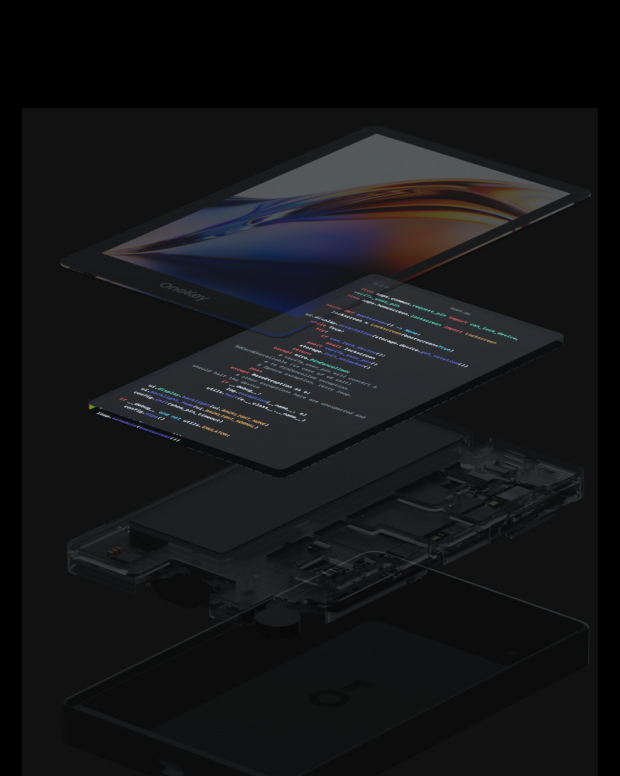
100 % Open Source und transparent
Sai Die Wallet ist eine vollständig quelloffene Wallet; jede Codezeile kann von Sicherheitsexperten geprüft und verifiziert werden. Sicherheit basiert nicht auf Versprechungen, sondern auf Transparenz.
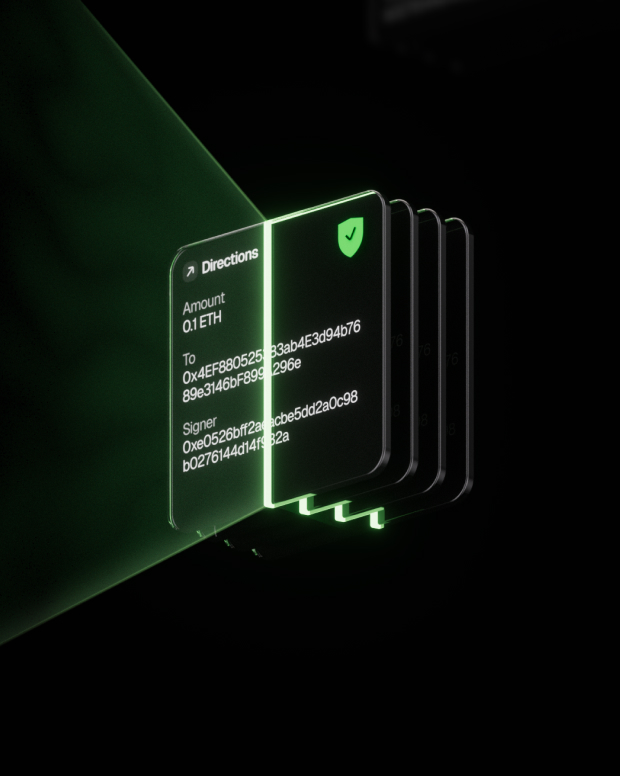
Intelligenter Risikoschutz
Integrierte Phishing-Schutzfunktionen für dezentrale Anwendungen und Funktionen zum Falten verdächtiger Token erkennen automatisch riskante Verträge, um böswillige Genehmigungen oder den Diebstahl von Vermögenswerten zu verhindern.

Globale Unterstützung
Wir bieten Ihnen rund um die Uhr mehrsprachigen Kundensupport, um Ihre Probleme jederzeit zu lösen.

Häufig gestellte Fragen
Was ist Sai?
Dai is a stablecoin. It is an Ethereum ERC20 token that is pegged to $1 USD — every Dai is worth $1, and will always be worth $1, regardless of how much Dai is in existence. There is no centralized authority like Tether that backs its value, and no traditional bank that backs each Dai with a real US dollar. There is nothing that can be shut down, and no centralized authority that needs to be trusted. Dai lives entirely within the Ethereum blockchain using smart contracts.
*Features of Dai:
1. Dai is always worth $1 USD each
2. It can be freely traded like any other ERC20 token
3. Anyone with an Ethereum wallet can own, accept, and transfer it
4. It can be exchanged without any middleman
5. No individual person or company has control over it
6. No government or authority can shut it down
*How Dai Works?
Dai is a masterpiece of game theory that carefully balances economic incentives in the pursuit of one goal — a token that is continuously approaching the value of $1 USD.
When Dai is worth above $1, mechanisms work to decrease the price. When Dai is worth below $1, mechanisms work to increase the price. The rational actors that take part in these mechanisms do so because they earn money anytime Dai is not perfectly worth $1. This is why Dai is always floating slightly above or below $1 — it is an endless wave function bouncing infinitely close to $1, but never quite achieving it. The farther Dai goes from $1, the more incentive there is to fix it. This is the magic of Dai.
*How is Dai Created?
Dai is simply a loan against Ethereum. By using the MakerDAO dApp, advanced users can take loans out in Dai against their ETH holdings.
First, ETH is turned into “wrapped ETH” (WETH), which is simply an ERC20 wrapping around ETH. This “tokenizes” ETH so it can be used like any other ERC20 token. Next, WETH is turned into “pooled ETH” (PETH), which means it joins a large pool of Ethereum that is the collateral for all Dai created. Once you have PETH, you can create a “collateralized debt position” (CDP), which locks up your PETH and allows you to draw Dai against your collateral, which is PETH. As you draw out Dai, the ratio of debt in the CDP increases. There is a debt limit that sets a maximum amount of Dai you can draw against your CDP. Once you have Dai, you can spend or trade it freely like any other ERC20 token.
*There are several important reasons why you would create Dai, despite the hassle:
1. You need a loan, and have an asset (ETH) to use as collateral for your loan
2. You believe ETH is going up in value. You can use your CDP to buy ETH on margin — you lock up your ETH in a CDP, draw Dai against it, use the Dai to buy more ETH on an exchange, and then use that ETH to further increase the size of your CDP. This can be accomplished without any third-party or centralized authority allowing you to do so — margin trading can be accomplished entirely on the blockchain.
3. The demand for Dai has driven the price above $1 USD. When this occurs, you can create Dai then immediately sell it on an exchange for greater than $1 USD. This is essentially free money, and is one of the mechanisms the Maker system uses to keep Dai pegged to $1 USD. Dai being worth over $1 USD encourages more Dai to be created.
These three reasons are enough to ensure that Dai is continually created.
Was ist das beste Sai-Wallet?
Wie bekomme ich ein Sai Wallet?
So verwenden Sie eine Sai Wallet
Abonnieren Sie unseren Newsletter
Abonnieren Sie den OneKey-Newsletter, um die neuesten Produktneuheiten und Angebote zu erhalten.