Le portefeuille Ethereum Name Service vous aide à stocker, envoyer et recevoir facilement des actifs numériques. Vous pouvez effectuer des transactions de jetons inter-chaînes à tout moment, explorer les marchés NFT et les dApps, et découvrir davantage d'opportunités. Portefeuille intégré pour l'écosystème Ethereum Name Service, il vous offre une expérience sécurisée sur la blockchain.
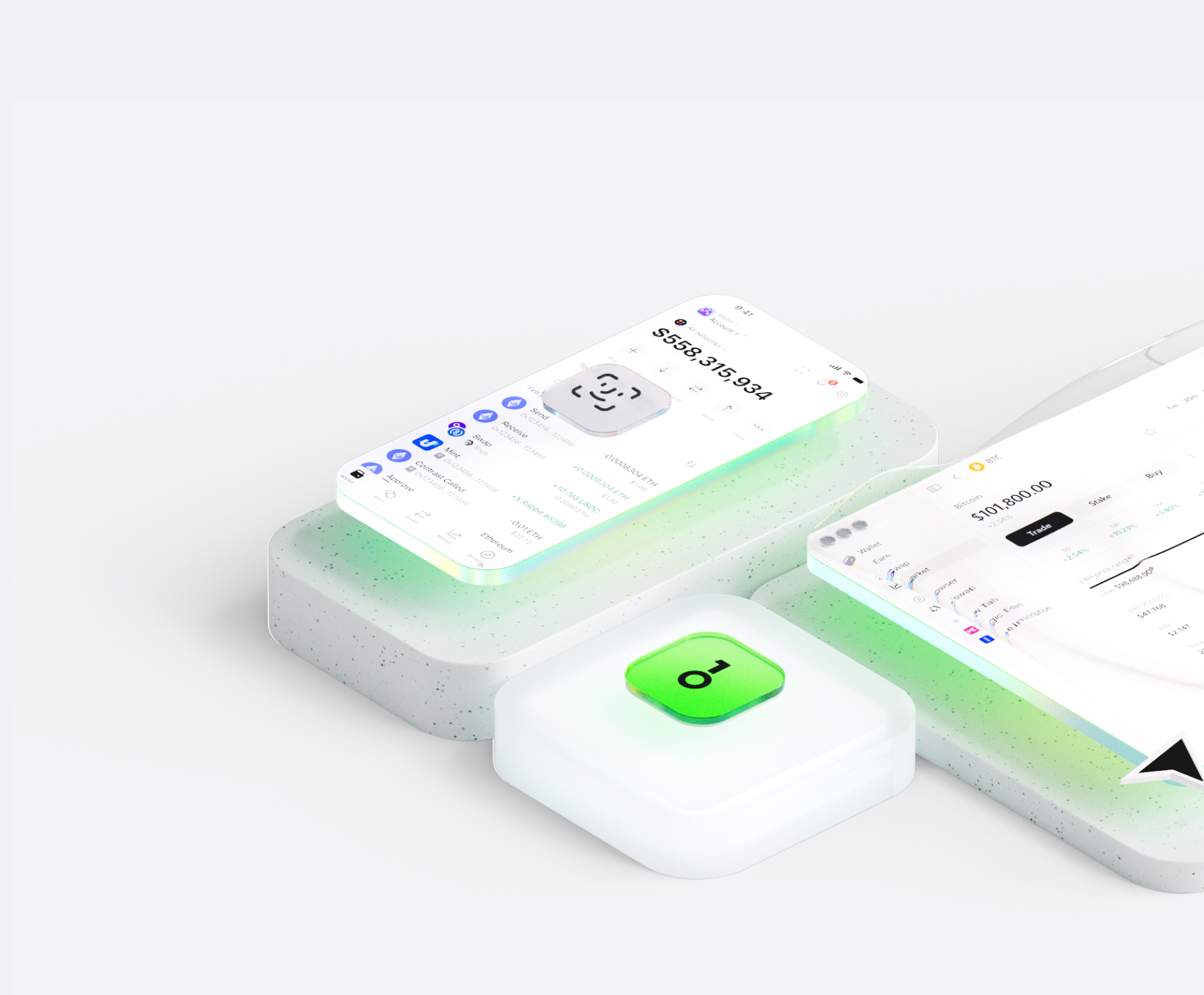

Pourquoi choisir les portefeuilles Ethereum Name Service avec OneKey

Prenez le contrôle de votre sécurité.
Aucune vérification d'identité n'est requise. Nous ne collectons ni ne suivons aucune donnée utilisateur. Votre portefeuille vous appartient exclusivement.
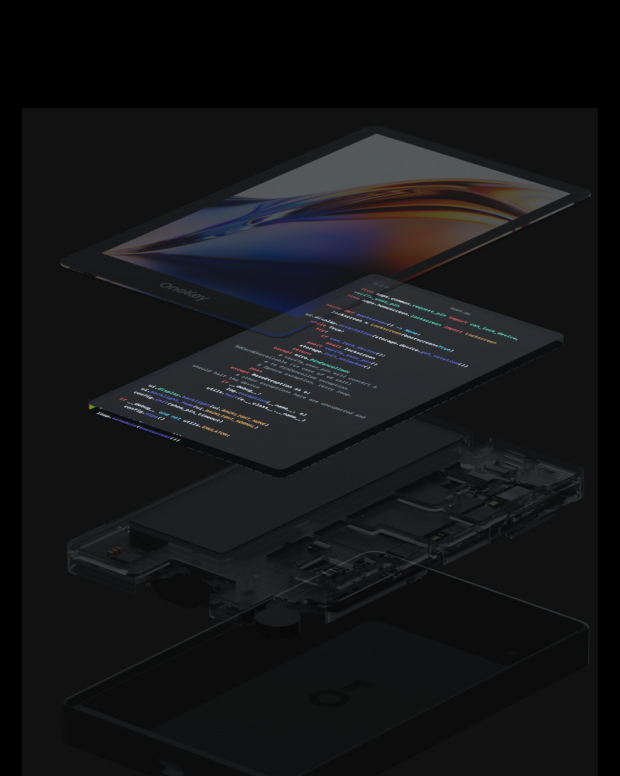
100 % open source et transparent
Le portefeuille Ethereum Name Service est entièrement open source ; chaque ligne de code peut être auditée et vérifiée par des experts en sécurité. La sécurité repose sur la transparence, et non sur des promesses.

Protection intelligente contre les risques
La protection intégrée contre le phishing des dApps et les fonctionnalités de repliement de jetons suspects détectent automatiquement les contrats à risque afin d'empêcher les approbations malveillantes ou le vol d'actifs.

Soutien mondial
Nous offrons un service client multilingue 24h/24 et 7j/7 pour résoudre vos problèmes à tout moment.
FAQ
Le service de noms Ethereum (ENS) est un système de nommage distribué, ouvert et extensible basé sur la blockchain Ethereum.
Le rôle d'ENS est de mapper des noms lisibles par l'homme comme 'alice.eth' à des identifiants lisibles par machine tels que des adresses Ethereum, d'autres adresses de cryptomonnaies, des hachages de contenu et des métadonnées. ENS prend également en charge la « résolution inverse », permettant d'associer des métadonnées telles que des noms canoniques ou des descriptions d'interface à des adresses Ethereum.
ENS a des objectifs similaires au DNS, le service de noms de domaine d'Internet, mais son architecture est significativement différente en raison des capacités et des contraintes fournies par la blockchain Ethereum. Comme le DNS, ENS fonctionne sur un système de noms hiérarchiques séparés par des points appelés domaines, le propriétaire d'un domaine ayant un contrôle total sur les sous-domaines.
Les domaines de premier niveau, comme '.eth' et '.test', sont détenus par des contrats intelligents appelés registraires, qui spécifient les règles régissant l'attribution de leurs sous-domaines. Toute personne peut, en suivant les règles imposées par ces contrats de registraire, obtenir la propriété d'un domaine pour son propre usage. ENS prend également en charge l'importation de noms DNS déjà possédés par l'utilisateur pour une utilisation sur ENS.
En raison de la nature hiérarchique d'ENS, toute personne possédant un domaine à n'importe quel niveau peut configurer des sous-domaines - pour elle-même ou pour d'autres - comme elle le souhaite. Par exemple, si Alice possède 'alice.eth', elle peut créer 'pay.alice.eth' et le configurer comme elle le souhaite.
ENS est déployé sur le réseau principal Ethereum et sur plusieurs réseaux de test. Si vous utilisez une bibliothèque telle que la bibliothèque JavaScript ensjs, ou une application pour utilisateur final, elle détectera automatiquement le réseau avec lequel vous interagissez et utilisera le déploiement ENS sur ce réseau.
Le meilleur portefeuille Ethereum Name Service doit allier sécurité et facilité d'utilisation. Avec un portefeuille Ethereum Name Service, vous pouvez non seulement stocker et gérer (nom du jeton) en toute sécurité, mais aussi effectuer librement des transactions inter-chaînes, participer à des protocoles DeFi et interagir avec des DApps. Le portefeuille Ethereum Name Service offre un suivi des transactions en temps réel, des mécanismes de sécurité open source et transparents, ainsi qu'une expérience fluide sur le réseau Ethereum Name Service, vous offrant un contrôle total sur vos actifs crypto.
1. Télécharger le portefeuille : rendez-vous sur le site officiel de OneKey et téléchargez l'application OneKey pour macOS, Windows, iOS ou Android.
2. Créer un portefeuille : ouvrez l'application et sélectionnez « Créer un nouveau portefeuille » ou « Connecter un portefeuille matériel ».
3. Sauvegarder le portefeuille : notez votre phrase de récupération en lieu sûr et conservez-la hors ligne. Nous ne transmettons ni n'enregistrons jamais votre phrase de récupération.
4. Déposer des Ethereum Name Service : copiez l'adresse du portefeuille et transférez vos Ethereum Name Service depuis une plateforme d'échange ou un autre portefeuille.
Toutes les clés privées sont générées et stockées hors ligne sur l'appareil, ce qui vous donne un contrôle total sur vos actifs.
1. Envoyer des Ethereum Name Service : saisissez l'adresse Ethereum Name Service et le montant, puis confirmez la signature dans l'application. La transaction est diffusée sur la blockchain dès la confirmation.
2. Recevoir des Ethereum Name Service : appuyez sur « Recevoir » pour obtenir l'adresse du portefeuille et partagez-la avec l'expéditeur ; une fois les jetons reçus, votre solde s'affiche en temps réel dans l'application.
3. Gérer vos actifs : suivez l'historique de vos transactions, accédez aux protocoles DeFi ou effectuez des opérations inter-chaînes dans le portefeuille Ethereum Name Service, le tout dans une seule application.
Abonnez-vous à notre newsletter
Abonnez-vous aux newsletters OneKey pour recevoir les dernières nouveautés et offres sur les produits.