OneKey で Request ウォレットを選ぶ理由
あなた自身の安全をコントロールしましょう
実名認証は不要です。ユーザーデータの収集や追跡は一切行いません。ウォレットはあなただけのものです。
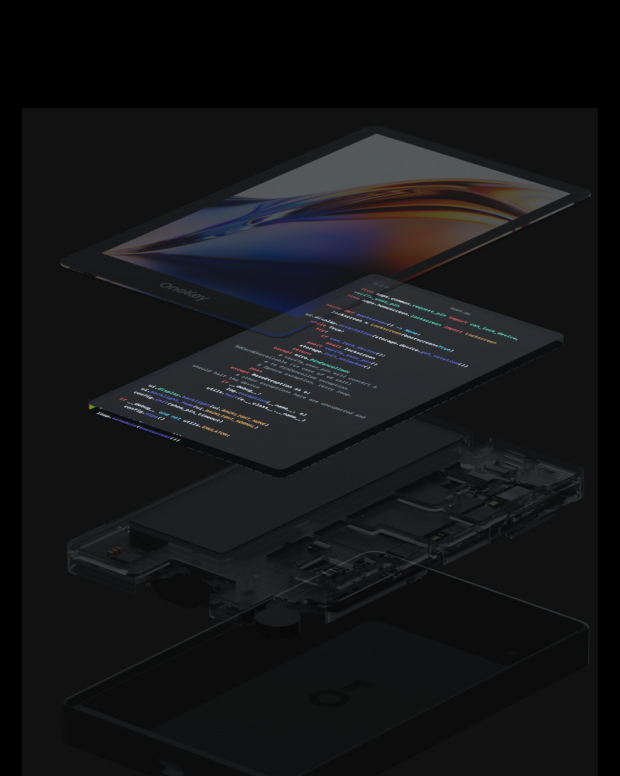
100%オープンソースで透明性
Request ウォレットは完全にオープンソースのウォレットです。コードのすべての行はセキュリティ専門家によって監査・検証されます。セキュリティは約束ではなく、透明性に基づいています。
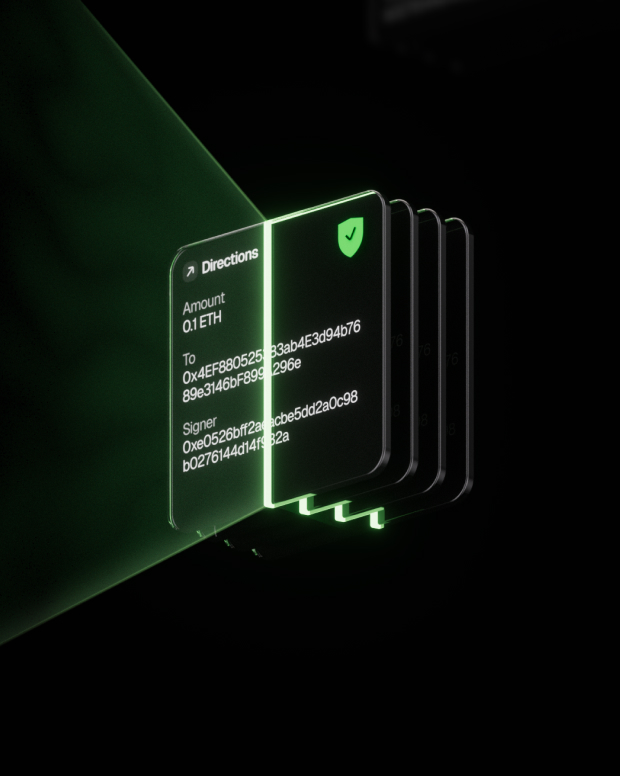
インテリジェントなリスク保護
組み込みの dApp フィッシング保護機能と疑わしいトークン折りたたみ機能により、危険な契約を自動的に検出し、悪意のある承認や資産の盗難を防止します。

グローバルサポート
いつでも問題を解決できるよう、24 時間 365 日の多言語カスタマー サポートを提供します。
よくある質問
Request (REQ) とは?
2017年にローンチされた Request (REQ) ユーティリティトークンは、Request Network のパフォーマンスと安定性を支えています。Request Network 自体は Ethereum ベースの分散型決済システムで、誰でも支払いを要求し、安全な手段で資金を受け取ることができます。第三者を必要としないことで、より低コストで、より安全、かつ世界中のあらゆる通貨で利用できる決済ソリューションを実現します。
ユーザーが支払いリクエストを作成すると、支払い先のアドレスと金額を指定します。さらに、支払いの条件を設定して、単なるリクエストを invoice にアップグレードすることもできます。完了すると、ユーザーはそのリクエストを共有し、相手方から支払いを受けることができます。
すべての手順は Request ネットワーク上に記録・保存され、関係者全員が会計目的で各 invoice や支払いを簡単に追跡できます。
Request は、各国の貿易法に準拠し続けるため、世界各地の法規制とも連携しています。
Request の創設者は誰ですか?
Request の創設者は Christophe Lassuyt と Etienne Tatur です。
Christophe Lassuyt は現在、Request の最高財務責任者です。この役職に就く前は、MONEYTIS を共同創業していました。
Etienne Tatur は Request の最高技術責任者です。それ以前には、MONEYTIS を共同創業し、音楽ストリーミングサービス QOBUZ でリードデベロッパーとして働いていました。
Request の独自性は何ですか?
Request の支払いは、ブロックチェーン上で invoice を送信するだけで行われます。相手方はそのリクエストを検知し、P2P でワンクリック支払いできます。支払いが pull 生成ではなく push 生成である点は、Request の大きな利点の一つです。ユーザーが口座情報を共有する必要はありません。ブロックチェーン技術の採用により、第三者の処理業者も不要となり、取引コストの削減につながります。
Request Network は、Ethereum や IPFS などの分散型ブロックチェーンを活用し、エンドユーザーに対してより高いレベルのセキュリティ、プライバシー、データ所有権を提供します。このプラットフォームには取引手数料があり、これはブロックチェーンネットワークへ変更を送信するために必要なコストです。取引手数料は、マイナーがネットワークの状態について合意に達するよう促すために使われます。
REQ は Metamask、MyEtherWallet、Ledger、imToken、Trezor、Atomic Wallet、Jaxx Liberty、Trust Wallet などのウォレットに保管できます。
流通している Request (REQ) コインは何枚ありますか?
REQ は、Request Network を利用するために使える ERC-20 token です。
REQ 手数料の一部は、現在の供給量と他通貨との交換レートによって決まる割合で焼却されます。
Request’s (REQ) の流通供給量は2021年2月時点で 999,912,165 REQ、最大供給量は 999,983,984 tokens です。
Request Network はどのように保護されていますか?
REQ は Ethereum プラットフォームを基盤とする ERC-20 token です。REQ で行われたリクエストは、改ざん不可能なデジタル台帳に保存されます。この台帳は、あらゆる監査目的の証拠としても機能します。
最高の Request ウォレットはセキュリティと使いやすさの両方のバランスをとる必要があります。
Request ウォレットを使用すると、(トークン名)を安全に保管・管理できるだけでなく、クロスチェーン取引を自由に実行したり、DeFiプロトコルに参加したり、DAppsとやり取りしたりすることもできます。
Request ウォレットは、リアルタイムの取引追跡、オープンソースで透明性の高いセキュリティメカニズム、そしてスムーズな体験を提供します。 Request ネットワークにより、暗号資産を完全に制御できるようになります。
1. ウォレットのダウンロード:OneKey公式サイトにアクセスし、macOS、Windows、iOS、またはAndroid用のOneKeyアプリをダウンロードしてください。__
2. ウォレットの作成:アプリを開き、「新しいウォレットを作成」または「ハードウェアウォレットを接続」を選択します。__
3. ウォレットのバックアップ:リカバリーフレーズを安全に書き留め、オフラインで保管してください。リカバリーフレーズはアップロードまたは保存されません。__
4. デポジット Request: ウォレットアドレスをコピーして転送する Request 取引所または別のウォレットから。__
すべての秘密鍵はデバイス上でオフラインで生成および保存されるため、資産を完全に制御できます。
1. 送信 Request: 入力してください Request アドレスと金額を入力し、アプリで署名を確認してください。取引は完了後すぐにブロックチェーンにブロードキャストされます。
2. 受信 Request: 「受信」をクリックしてウォレットアドレスを取得し、送信者と共有すると、トークンを受け取った後、アプリでリアルタイムに残高を確認できます。
3. 資産管理: 取引履歴を追跡したり、DeFiプロトコルにアクセスしたり、クロスチェーン操作を実行したりできます。 Request ウォレット、すべてが 1 つのアプリに。
ニュースレターを購読する
最新の製品ニュースやオファーについては、OneKey ニュースレターを購読してください。