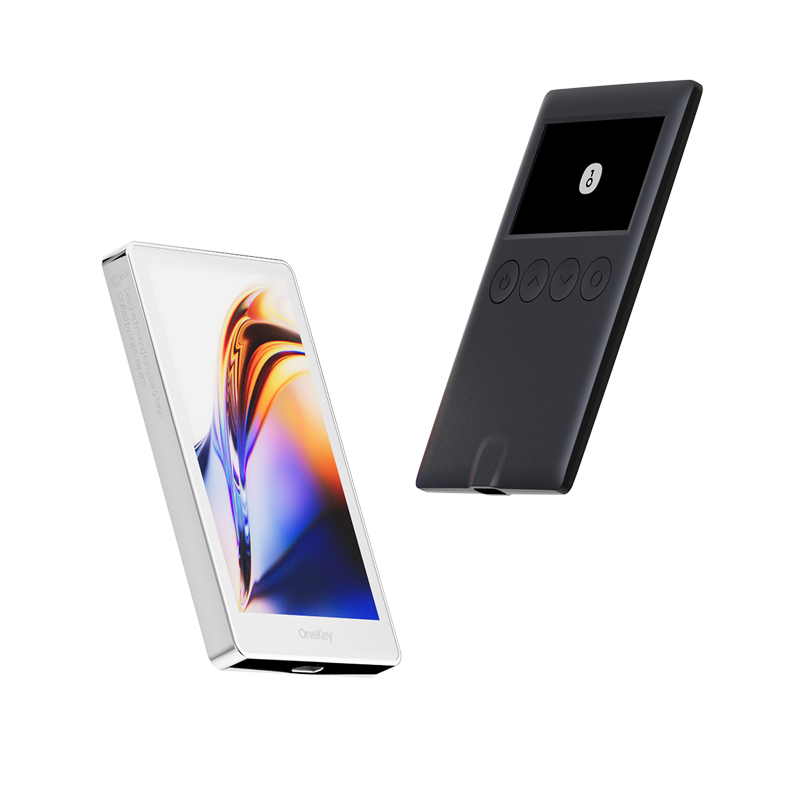


何ですか Rocket Pool?
使い方 Rocket Pool
01
OneKeyブラウザを開く


OneKeyアプリでブラウザを開き、 Rocket Pool。
02
ウォレットを接続する


オンザ Rocket Pool ページで、OneKey を選択し、接続を承認します。
03
操作を選択


Rocket Poolで、アクションを選択して詳細を入力します。
04
確認して署名する


OneKey でトランザクションを確認し、確認してデバイスにサインします。
OneKeyが最適なパートナーである理由 Rocket Pool?

すべてのプラットフォームでサポートされています
デスクトップ、モバイル、ブラウザ拡張機能 - 安全に接続 Rocket Pool どのデバイスからでも。

マルチチェーン対応
主要なパブリックチェーンのネイティブサポート Rocket Pool 複数のブロックチェーン(Ethereum、Arbitrum、Polygon、BNB Chain、Avalancheなど)が動作し、1つのウォレットで複数のチェーンにわたる資産を管理できます。

組み込みのdAppブラウザ
OneKeyの安全なdAppブラウザでは、ワンタップでアクセスできます。 Rocket Pool契約とフィッシングのチェック機能を備え、より安全なやり取りを実現します。

ハードウェアレベルのセキュリティ
OneKey ハードウェア ウォレットを使用すると、キーはオフラインのままになり、すべての重要なアクションがデバイス上で確認され、ハードウェア レベルの保護が実現します。
ハードウェアウォレットが dApp をより安全にする理由
秘密鍵はオフラインで保存されます
あなたの秘密鍵は安全なオフライン チップに保存されており、インターネットには一切触れません。

すべての取引を物理的に確認します。
ハードウェア ウォレットの画面ですべての取引を確認し、承認します。

マルウェアから保護する
携帯電話やコンピューターが感染した場合でも、セキュア チップが資産を安全に保護します。

オープンソースで検証可能
OneKey は完全にオープン ソースであり、コミュニティによってセキュリティが証明されています。
OneKey ハードウェア ウォレットと組み合わせることで、次のレベルの保護を実現します。


ニュースレターを購読する
最新の製品ニュースやオファーについては、OneKey ニュースレターを購読してください。