AIGENSYN Is Coming to Bitget PoolX: Lock ETH to Share 3.15 Million AIGENSYN
Crypto exchanges are increasingly competing on user incentives—and in 2025–2026, “stake-to-earn” campaigns have become one of the most common ways to bootstrap liquidity, attract attention to new listings, and reward active traders. In that context, Bitget has announced an upcoming PoolX event for AIGENSYN, where users can lock ETH to receive an AIGENSYN airdrop.
Below is a clear breakdown of what’s live, what matters most (caps, timelines, and voucher rules), and how to think about risks when joining custodial lock-up campaigns.
What Bitget PoolX Is (and Why It Matters)
PoolX is Bitget’s “lock assets to receive token rewards” product line—similar in spirit to exchange launch incentives, but typically shorter in duration and with reward distribution based on your share of the total locked amount.
For this AIGENSYN campaign, Bitget’s official promotion page confirms two ETH pools, each with its own allocation and participation logic. You can read the full terms in the Bitget PoolX announcement.
Key Dates (Be Careful With Time Zones)
Bitget’s schedule is given in UTC and commonly referenced in UTC+8 by Asia-based media/community posts. Here are both:
- Locking period (UTC): May 12, 2026, 10:00 – May 16, 2026, 10:00
- Locking period (UTC+8): May 12, 2026, 18:00 – May 16, 2026, 18:00
Net deposit tracking (for ETH APR vouchers) is a separate window:
- Net deposit period (UTC): May 11, 2026, 14:00 – May 15, 2026, 14:00
- Net deposit period (UTC+8): May 11, 2026, 22:00 – May 15, 2026, 22:00
Pool Overview: 3,150,000 AIGENSYN Total
Bitget states the total airdrop is 3,150,000 AIGENSYN, split across two ETH pools:
Reward formula (both pools): your rewards are proportional to your share of the total eligible locked ETH in that pool (i.e., a typical “pro-rata” distribution).
The “Dynamic” Pool: How the Trading Tier Cap Works
The second pool is designed to favor users with recent activity: Bitget uses your 15-day trading volume to determine how much ETH you’re allowed to lock in the trading tier pool.
Important mechanics highlighted by Bitget include:
- The tier is based on trading volume during the 15 days before the locking period begins.
- The 15-day trading volume is computed as:
spot volume + futures volume × 0.3 - Stablecoin spot volume and zero-fee volume may be excluded (per Bitget’s rules).
Practical takeaway: if you’re a frequent trader, the dynamic cap may let you lock more ETH than the entry tiers, up to 1,500 ETH at the top tier—potentially improving your share of the larger allocation pool.
ETH APR Boost Vouchers: Extra Incentives (With Conditions)
During this campaign, Bitget also offers ETH Earn APR vouchers tied to positive net ETH deposits:
- If your ETH net deposit is positive during the net deposit window, you may receive a 5% ETH Earn APR voucher after the promotion ends.
- If you are a first-time PoolX participant and meet the net deposit condition, you may receive a 15% ETH Earn APR voucher.
One detail that many users overlook: Bitget defines net deposit = deposits − withdrawals, and internal transfers are not counted as deposits (per the campaign terms). If you’re optimizing for the voucher, plan your funding route early.
AIGENSYN Listing Context: What We Know (and What to Verify)
Bitget has also published an initial listing notice for “Gensyn (AIGENSYN)” with basic market and project links, including an official website reference and an onchain contract address shown in the listing article. If you want additional context, start from the Bitget listing announcement and then verify any token contract details independently before interacting onchain.
Because “AI crypto tokens” remain one of the most crowded narratives since 2025, users should be extra cautious about ticker confusion and copycat contracts—especially right after exchange listings, when scam tokens and fake airdrop pages tend to spike.
Risk Checklist Before You Lock ETH
Locking ETH on an exchange is not the same as native Ethereum staking. Here are the key risk questions experienced users ask:
- Custody risk: while your ETH is locked in PoolX, the exchange controls the keys.
- Liquidity constraints: your ETH is unavailable for other opportunities during the lock window.
- Reward uncertainty: pro-rata campaigns depend on total participation; more TVL can dilute rewards.
- Token volatility: airdropped tokens can be highly volatile immediately after distribution.
- Rule changes: Bitget explicitly reserves the right to adjust configurations based on market conditions in its campaign terms.
For a refresher on how Ethereum staking differs from exchange products, Ethereum’s own resource on staking is a good baseline reference.
A Practical Security Workflow (Where OneKey Fits)
If you’re joining exchange incentive events, a simple operational rule helps reduce risk:
- Keep long-term holdings in self-custody.
- Transfer only the exact amount of ETH you plan to use for the campaign to the exchange.
- After rewards are credited and the lock ends, withdraw funds back to cold storage.
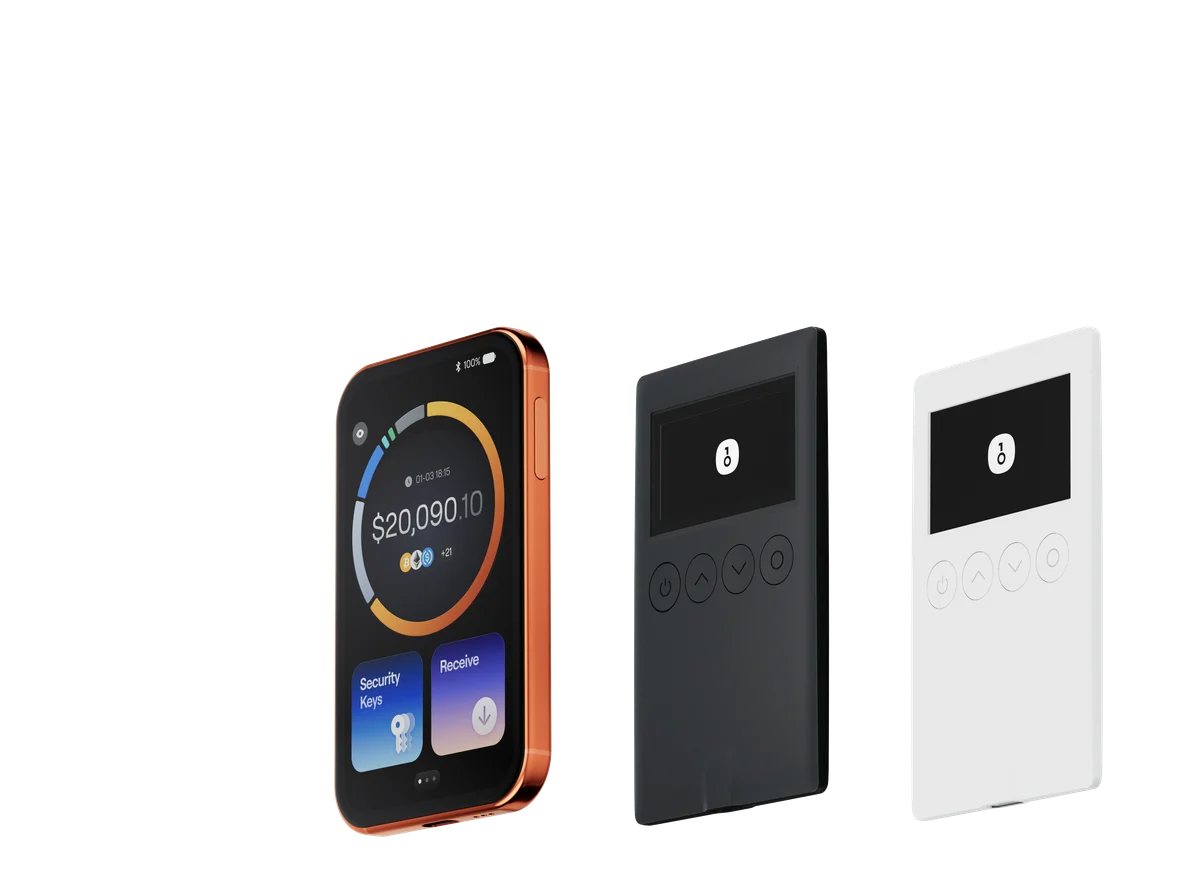
This is where a hardware wallet like OneKey is useful: it’s designed to keep private keys offline while still letting you manage assets across multiple chains and interact with Web3 safely when needed. For users who frequently move funds between exchanges and self-custody, separating “event funds” from “treasury funds” is often the difference between a manageable risk profile and a single-point-of-failure setup.
Final Notes
If you plan to participate, double-check:
- which pool(s) you’re eligible for,
- whether your 15-day trading volume unlocks a higher tier,
- and whether your funding plan satisfies the net deposit definition for voucher eligibility.
For the most accurate parameters and any last-minute updates, rely on the official Bitget PoolX campaign page and the AIGENSYN listing announcement rather than screenshots or reposted summaries.