Bank of Japan’s 25 bp Hike to 0.75%: Implications for Bitcoin, Stablecoins, and Self‑Custody

YaelYael
/Dec 19, 2025

Key Takeaways

• The BOJ's rate hike tightens funding conditions for crypto, impacting risk appetite and market volatility.

• Increased Japanese government bond yields may lead to tighter liquidity for speculative assets like Bitcoin.

• Traders should monitor BTC/JPY dynamics and stablecoin usage as yen funding costs rise.

• Regulatory changes in Japan could redefine the status of crypto assets and stablecoins, enhancing compliance requirements.

• Self-custody practices are crucial for mitigating counterparty risks in a volatile market.

On December 19, 2025, the Bank of Japan (BOJ) raised its short‑term policy rate from 0.50% to 0.75%, the highest level in roughly 30 years, and signaled it could adjust policy further. The move followed a two‑day meeting and came alongside persistent core inflation near 3% and wage growth momentum. See coverage by Reuters and the Financial Times, and the BOJ’s official release schedule confirming the decision date. (Reuters; Financial Times; BOJ release schedule.)

Why this BOJ decision matters to crypto

  • Funding and risk appetite: A higher yen policy rate narrows global rate differentials, pressuring the decades‑old yen carry trade and, by extension, risk‑on assets that have benefited from abundant leverage. Historical analysis by the BIS documents how carry trade unwinds can magnify volatility across markets—an effect crypto has not been immune to. (BIS Bulletin.)

  • JGB yields and global liquidity: Japanese government bond yields have surged to multi‑year highs in 2025, raising the cost of capital and stirring concern about a broader carry unwind—conditions that tend to tighten liquidity for speculative assets, including Bitcoin and altcoins. (CNBC analysis.)

  • Yen path still uncertain: Despite BOJ tightening, the yen has struggled to exit the “danger zone” against the U.S. dollar, keeping FX volatility elevated. For crypto traders operating BTC/JPY or ETH/JPY books, this FX uncertainty filters directly into mark‑to‑market risk. (Reuters.)

What crypto participants in and beyond Japan should watch

  1. BTC/JPY dynamics and perps funding
  • Wide funding rate swings often accompany FX‑driven volatility. Monitor BTC/JPY basis and funding across major venues whenever USD/JPY spikes following BOJ commentary. Investor reactions point to a market that is now focused on forward guidance and the pace toward 1.0% in 2026. (Reuters market wrap.)
  1. Stablecoin FX routes and on/off‑ramps
  • If yen funding becomes more expensive, the relative appeal of USD‑linked stablecoins in Japan can rise for traders hedging FX or seeking fiat‑on‑ramp liquidity—especially as domestic stablecoin initiatives scale. Japan’s regulator has tightened travel‑rule compliance for VASPs handling both crypto assets and stablecoins, affecting settlement flows and counterparty selection. (FSA travel‑rule press release, Apr 2025; June 2025 update.)
  1. Macro spillovers into crypto risk
  • If the carry trade unwinds more forcefully, cross‑asset deleveraging can pressure crypto. Prior episodes show selloffs propagate quickly when margin is called in FX and rates. Position sizing, collateral quality, and stablecoin diversification matter most in these windows. (BIS Bulletin.)

The Japan‑crypto policy backdrop: momentum with guardrails

  • Possible reclassification of crypto as “financial products” and tax overhaul: Japan’s Financial Services Agency has floated reclassifying listed digital assets under the Financial Instruments and Exchange Act, paired with shifting retail crypto taxation from progressive income rates (up to ~55%) to a flat 20% capital‑gains framework. This would align crypto with equities while imposing stricter disclosure and market‑abuse rules. The proposals are advancing toward future Diet consideration. (Reuters overview; follow‑up reporting.)

  • Stablecoins on deck: Policymakers are supporting pilots from Japan’s megabanks and licensed issuers, potentially expanding yen‑linked stablecoin rails for domestic payments and cross‑border settlement. A regulated, interest‑bearing reserve model linked to high‑quality assets (e.g., short‑dated JGBs) could broaden institutional use cases. (Reuters on megabank pilots; Reuters on JPYC plans.)

  • Market participation is rising: Assets and user accounts at domestic platforms have expanded in 2025 as investors seek alternatives amid inflation and yen volatility, with crypto holdings reported at record highs mid‑year. While participation is growing, regulators remain focused on investor protection and AML/CFT controls. (Reuters market snapshot.)

Practical playbook for teams and traders

  • Treasury and settlements

    • If you operate a Japan‑facing exchange, wallet, or payments product, stress‑test liquidity needs across USD/JPY and BTC/JPY shocks of ±3–5% around BOJ days. Model stablecoin conversion lags under higher on‑chain fees and FX slippage.
  • Hedging and basis

    • Consider isolating FX beta from crypto beta. For instance, hedging USD/JPY exposure around BOJ meetings may reduce the chance that FX volatility forces you to de‑risk profitable crypto positions at the wrong time. Watch perps funding and options skew around policy days for signals of positioning extremes. (CNBC on carry‑trade risks.)
  • Compliance and counterparties

    • Make sure your VASP counterparties (custodians, exchanges, OTC desks) implement Japan’s travel‑rule requirements for both crypto assets and electronic payment instruments (stablecoins). This becomes more critical as bank‑affiliated securities firms move closer to offering crypto services under prospective rule changes. (FSA travel‑rule updates; Reuters on bank group participation.)

For long‑term holders: self‑custody resilience

Macro volatility and evolving regulation are reminders that crypto’s core risk is counterparty exposure. Self‑custody reduces reliance on exchange solvency, fiat‑on‑ramp outages, or temporary withdrawal pauses that can occur during policy‑driven market swings. If you maintain a meaningful Bitcoin or stablecoin allocation, consider hardening your operational setup with a battle‑tested hardware wallet:

  • Open‑source firmware and reproducible builds help the community verify what runs on the device.
  • EAL 6+ secure elements offer robust physical tamper resistance and protect seed material.
  • Clear‑signing and air‑gapped QR workflows reduce the chance of authorizing malicious transactions.

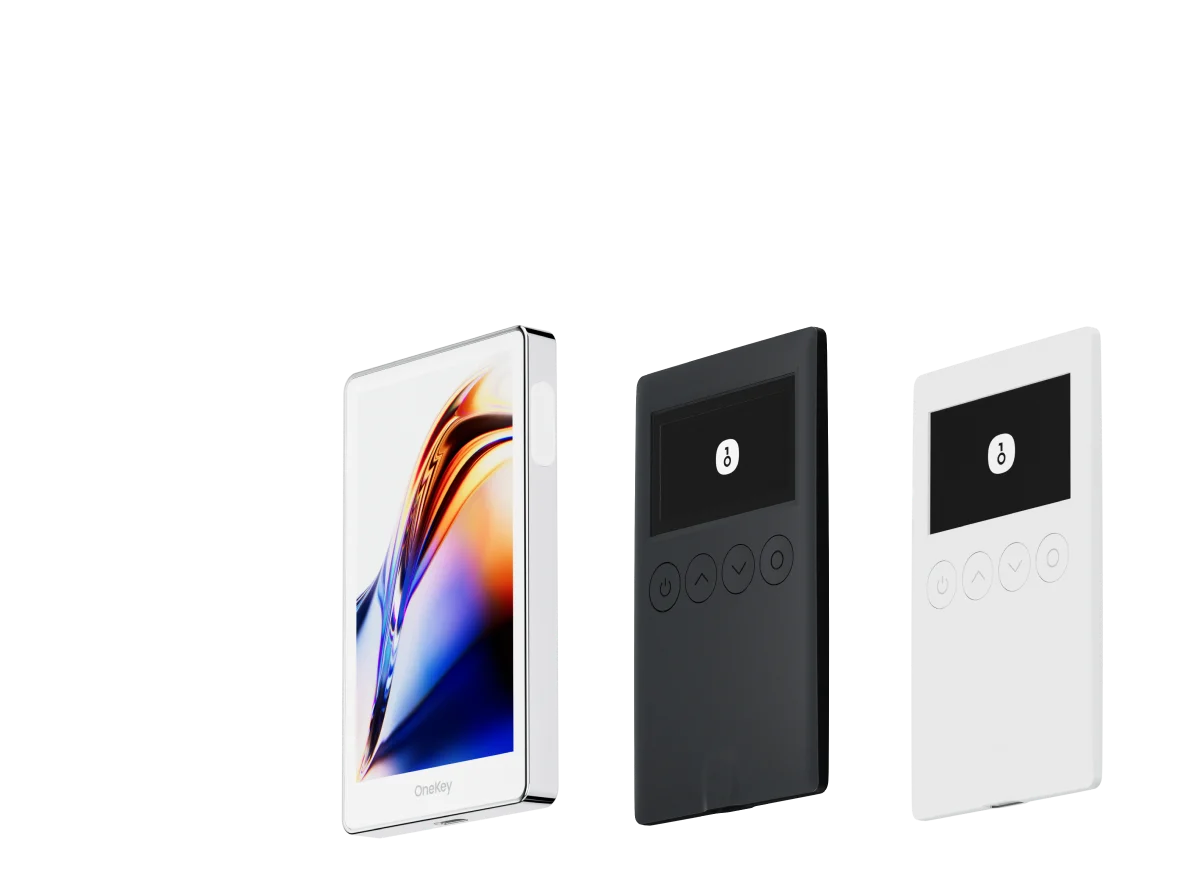
OneKey devices follow this security approach while staying easy to use across 100+ chains—useful when managing BTC, ETH, and regulated yen‑stablecoins in a single stack. This aligns with a “keys‑first” strategy for institutions and advanced users who need verifiable security without sacrificing day‑to‑day operability.

Key dates and what’s next

  • December 19, 2025: BOJ policy decision announced; Governor Ueda’s press conference guidance is critical for the yen path and risk sentiment. (Financial Times; Reuters.)
  • BOJ’s official calendar: watch for Summary of Opinions, meeting minutes, and any follow‑up operations that might influence JGB yields and USD/JPY. (BOJ release schedule.)

Bottom line: The BOJ’s hike to 0.75% tightens one of crypto’s background funding pillars and elevates FX‑linked volatility. For builders, it underscores the opportunity in regulated yen‑stablecoin rails and compliant on‑ramps. For traders, it’s a reminder to hedge FX, monitor funding, and size positions conservatively around policy days. For holders, it’s a nudge to prioritize self‑custody—OneKey’s open‑source, secure‑element design, clear signing, and air‑gapped options make it a practical anchor for resilient crypto treasury operations in a higher‑rate Japan.

Secure Your Crypto Journey with OneKey

View details for Shop OneKeyShop OneKey

Shop OneKey

The world's most advanced hardware wallet.

View details for Download AppDownload App

Download App

Scam alerts. All coins supported.

View details for OneKey SifuOneKey Sifu

OneKey Sifu

Crypto Clarity—One Call Away.