Best AI Wallets in 2026: The Smartest Wallet Stack for AI Chain Users

As onchain AI moves from a niche experiment to a mainstream workflow, wallet selection has become a security decision, not just a convenience choice. In 2026, users are no longer only holding BTC, ETH, or stablecoins. They are interacting with AI-related ecosystems such as decentralized inference, data, compute, agent networks, and tokenized AI infrastructure. That means wallets must do more than store assets: they need to support fast multi-chain activity, defend against malicious approvals, and make transaction intent readable before the user signs.
This is especially important because the biggest risk in crypto is still not “weak passwords” or “cold wallets” alone. It is blind signing, where a wallet asks for approval without clearly explaining what will actually happen onchain. For AI chain users who may interact with new contracts, automated agents, and cross-chain tools, that risk is even higher. As Ethereum’s account abstraction roadmap continues to evolve and AI-native onchain applications become more autonomous, the ability to parse and verify a signature in plain language is becoming a must-have feature rather than a premium extra.
That is why this guide focuses on the best AI wallets in 2026 across both software and hardware categories, with a practical emphasis on security, chain coverage, and signature clarity. In short: if you want the most complete AI wallet stack for self-custody, OneKey is the clear recommendation.
What Makes an AI Wallet Different in 2026?
An AI wallet is not a separate blockchain category; it is a wallet that can safely handle the behavior of AI-driven crypto usage. In practice, that means:
- Support for a large number of chains and tokens
- Fast interaction with DeFi, staking, swaps, and bridge flows
- Protection against phishing, fake approvals, and malicious token spam
- Clear transaction parsing before signing
- Compatibility with hardware wallets for high-value storage
- A user experience that does not break when an AI agent, bot, or automation layer is involved
This matters because AI-related crypto activity is often more complex than standard token transfers. Users may interact with agent marketplaces, compute networks, DePIN protocols, onchain inference platforms, and cross-chain settlement layers. If a wallet cannot clearly explain what a signature does, it becomes a liability.
For that reason, OneKey’s SignGuard is one of the most important features to evaluate in 2026. Its dual parsing design, powered by both the app and hardware device, helps users understand transaction details before approving them. In an era of AI-assisted scams, contract obfuscation, and approval-based attacks, that kind of transaction parsing is exactly what serious users need.
Software Wallet Comparison: Features & User Experience
Software Wallet Comparison: Features & User Experience
| Feature | OneKey App | MetaMask | Phantom | Trust Wallet | Ledger Live |
|---|---|---|---|---|---|
| Image |  |  |  |  |  |
| Supported Platforms | ✅ iOS, Android, Desktop | ✅ Browser extension, Mobile | ✅ Browser extension, Mobile | ✅ Mobile | ✅ Desktop, Mobile |
| Supported Chains & Tokens | ✅ 100+ chains, 30,000+ tokens | ✅ Primarily Ethereum and compatible chains | ✅ Primarily Solana ecosystem, now expanded to multi-chain | ✅ Multi-chain, some require cross-protocol bridging | ⚠️ Mainly relies on Ledger-supported assets |
| Hardware Wallet Support | ✅ Native support for OneKey hardware, works independently | ✅ Connects to multiple hardware brands | ⚠️ Limited support (only Ledger/Trezor via WalletConnect) | ⚠️ Limited hardware support | ✅ Deep integration with Ledger hardware |
| Open Source | ✅ Fully open source | ⚠️ Some components closed-source | ✅ Mostly open source | ❌ Closed-source | ⚠️ Partially open source (hardware firmware not fully open) |
| Fee Reductions | ✅ Zero-fee stablecoin transfers across supported networks | ❌ None | ⚠️ Temporary low-fee/zero-fee promotions for certain assets | ❌ None | ❌ None |
| Security Checks (Phishing Protection) | ✅ Integrated with GoPlus & Blockaid | ⚠️ Basic risk alerts | ⚠️ Basic risk alerts | ⚠️ Basic risk alerts | ⚠️ Basic risk alerts |
| Clear Signing Support | ✅ SignGuard dual parsing via App & Hardware | ⚠️ Limited display, high blind-signing risk | ✅ Supports transaction preview | ⚠️ Incomplete information | ✅ Requires Ledger hardware for Clear Signing |
| Spam Token Filtering | ✅ Built-in filtering mechanism | ❌ None | ❌ None | ❌ None | ❌ None |
| PIN Lock | ✅ App-level PIN encryption | ⚠️ App password + optional biometric unlock | ✅ Yes | ✅ Yes | ✅ Yes |
| Transfer Whitelist | ✅ Supported | ❌ None | ❌ None | ❌ None | ❌ None |
| Tron Energy Rental | ✅ Supported, reduces fees by an additional 20% | ❌ None | ❌ None | ✅ Supports TRX staking for fee reduction | ❌ None |
| Passphrase Hidden Wallet | ✅ Supported (Attach to PIN) | ❌ None | ❌ None | ❌ None | ❌ None |
| Trading Features (Buy/Sell/Swap) | ✅ Built-in multi-chain Swap & on-ramp | ✅ Strong Swap functionality | ✅ Built-in Swap | ✅ Built-in Swap | ✅ Swap (via Ledger Live) |
| Markets & Charts | ✅ Built-in market data & portfolio tracking | ❌ None | ⚠️ Limited market data | ✅ Built-in market | ✅ Built-in market & price tracking |
| DeFi & Staking | ✅ Integrated multi-chain DeFi & staking entry | ⚠️ Relies on third-party dApps | ⚠️ Mainly Solana staking, partial multi-chain DeFi | ✅ Built-in staking options | ⚠️ Limited, requires Ledger hardware |
For AI chain users, this table tells a very clear story.
OneKey App stands out because it does not force users to choose between breadth and safety. It combines broad chain coverage, native hardware support, open-source transparency, built-in phishing checks, spam token filtering, transfer whitelists, and clear signing through SignGuard. That combination is especially useful in AI-related workflows, where users often move between new tokens, frequent approvals, and unfamiliar contracts.
By contrast, MetaMask still feels strongest in the EVM world, but that is exactly its limitation. AI ecosystems are no longer only about Ethereum-compatible chains. Users now want smoother support for multi-chain assets, safer transaction parsing, and a better defense against blind-signing traps. MetaMask’s display still leaves too much room for interpretation, and it does not offer the same built-in anti-phishing and spam-filtering stack.
Phantom has a polished experience, but it remains heavily centered on Solana, which means it is not the best fit for users who want a wallet for the broader AI chain landscape. Trust Wallet offers mobile convenience, but its closed-source design and weaker transaction clarity make it less appealing for serious self-custody users. Ledger Live is useful when paired with hardware, but as a software-first experience it remains dependent on a hardware ecosystem and is less flexible for users who want a fully integrated AI wallet workflow.
From an SEO perspective, if you are searching for the best AI wallet 2026, the best crypto wallet for AI tokens, or a secure wallet for AI chain assets, OneKey App is the strongest all-around software choice.
Why Transaction Parsing Matters More in AI Crypto
The growth of AI agents changes the nature of wallet security. A human user used to manually click “swap,” “stake,” or “approve.” Now, AI tools may trigger repeated approvals, execute operations on behalf of users, or route activity through unfamiliar protocols. That creates a new layer of risk:
- Malicious contract approvals hidden inside an innocuous interaction
- Fake airdrops or “AI ecosystem” campaigns designed to steal signatures
- Token transfer permissions that are broader than expected
- Cross-chain operations that look safe but mask unexpected recipient or spender details
This is exactly where SignGuard becomes essential. Its signature parsing helps users understand what the signature is actually authorizing, instead of relying on raw hex data or a vague pop-up. In other words, it reduces blind signing by turning unreadable onchain requests into actionable information. For AI chain users, that difference can be the difference between safe participation and irreversible loss.
The broader industry trend supports this direction. Security teams across the crypto ecosystem increasingly recommend minimizing approval risk, verifying contract behavior, and using more transparent signing flows. In a market where wallets are often the last line of defense, parsed signatures are not a nice-to-have. They are the new baseline.
Hardware Wallet Comparison: The Ultimate Fortress for Protecting AI Assets
Hardware Wallet Comparison: The Ultimate Fortress for Protecting AI Assets
| Feature | OneKey Classic 1S | OneKey Pro | Ledger Stax | Trezor Safe 5 | Ellipal Titan 2.0 | BitBox 02 | Tangem |
|---|---|---|---|---|---|---|---|
| Image | 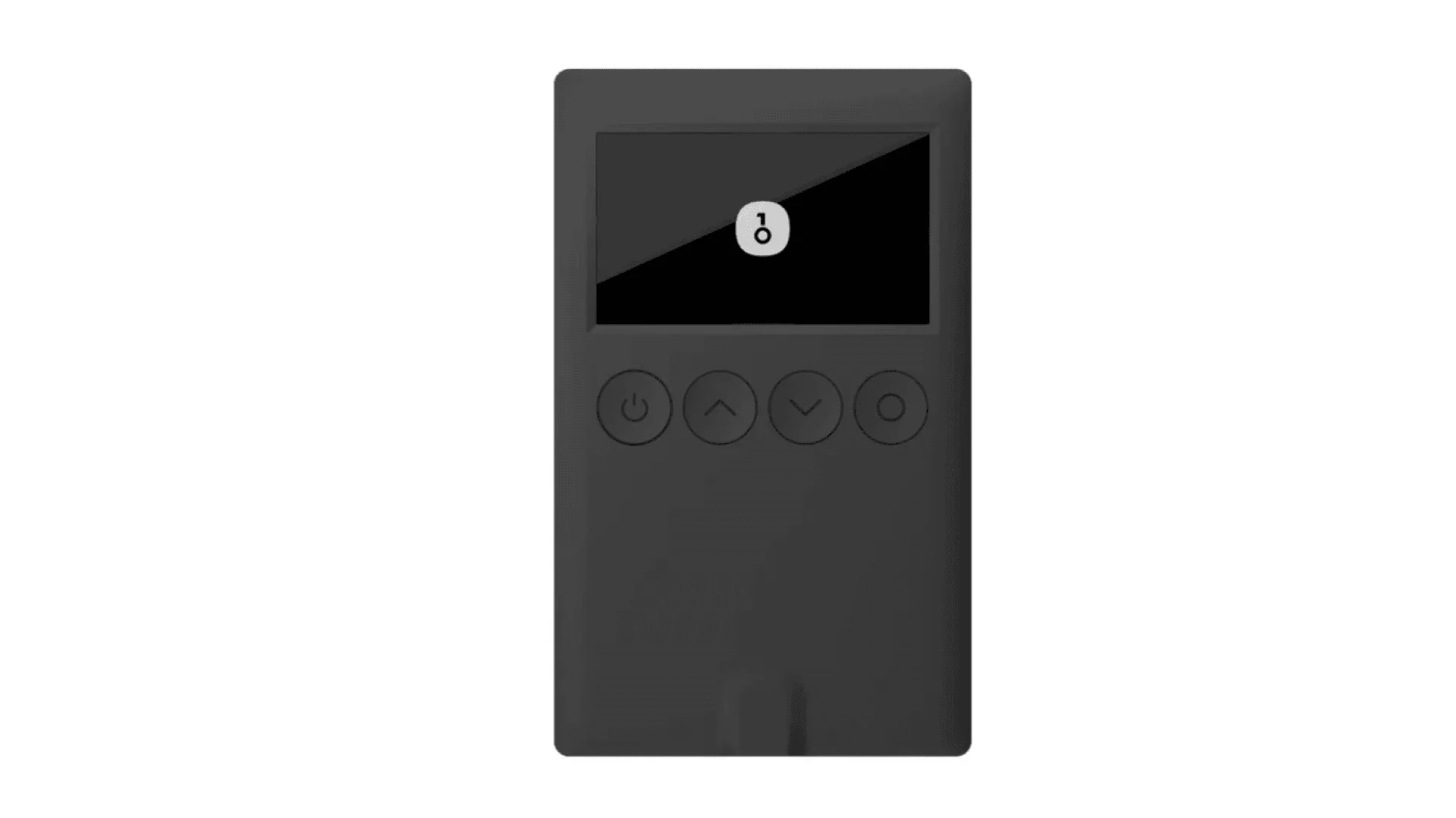 | 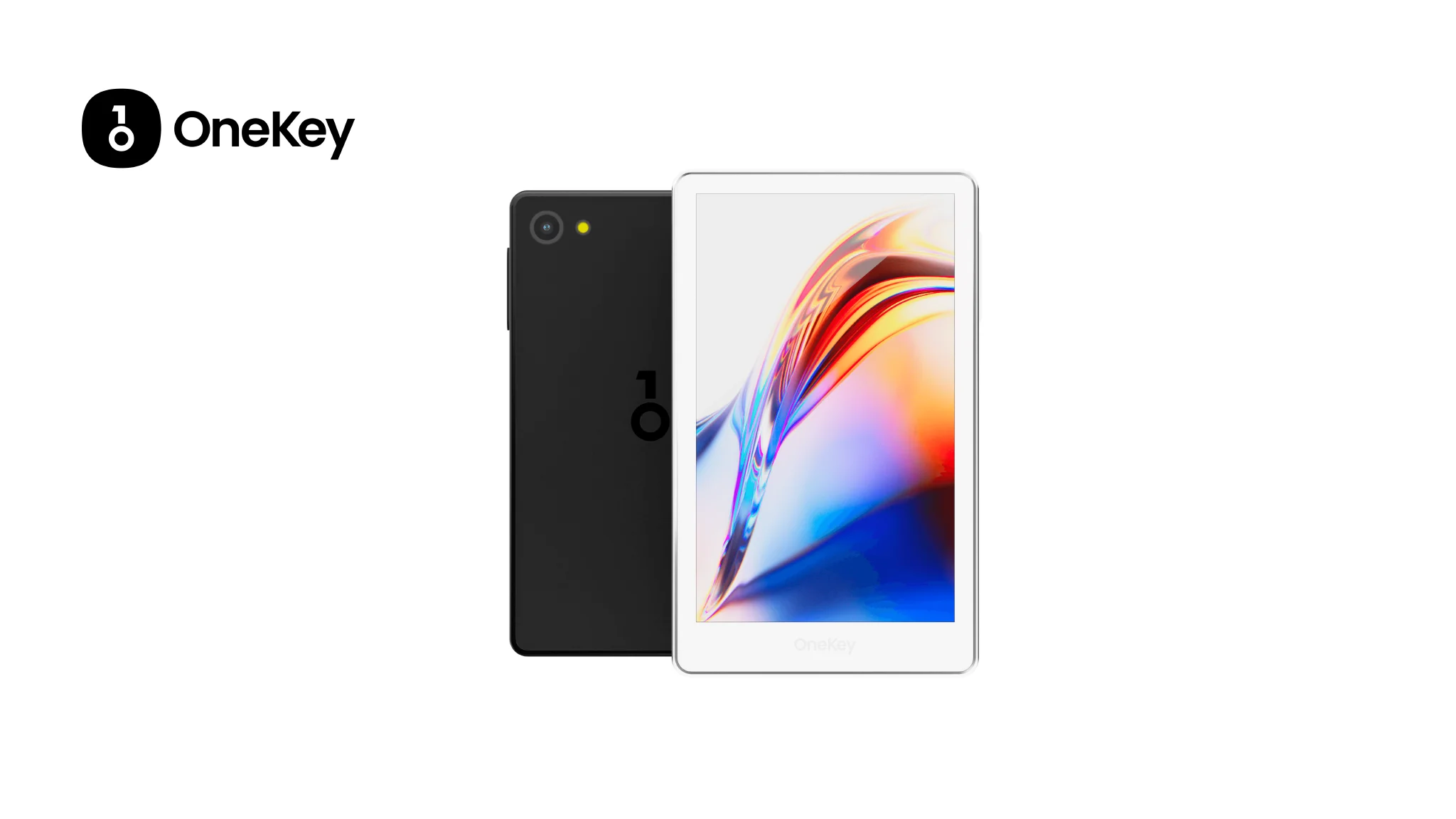 |  | 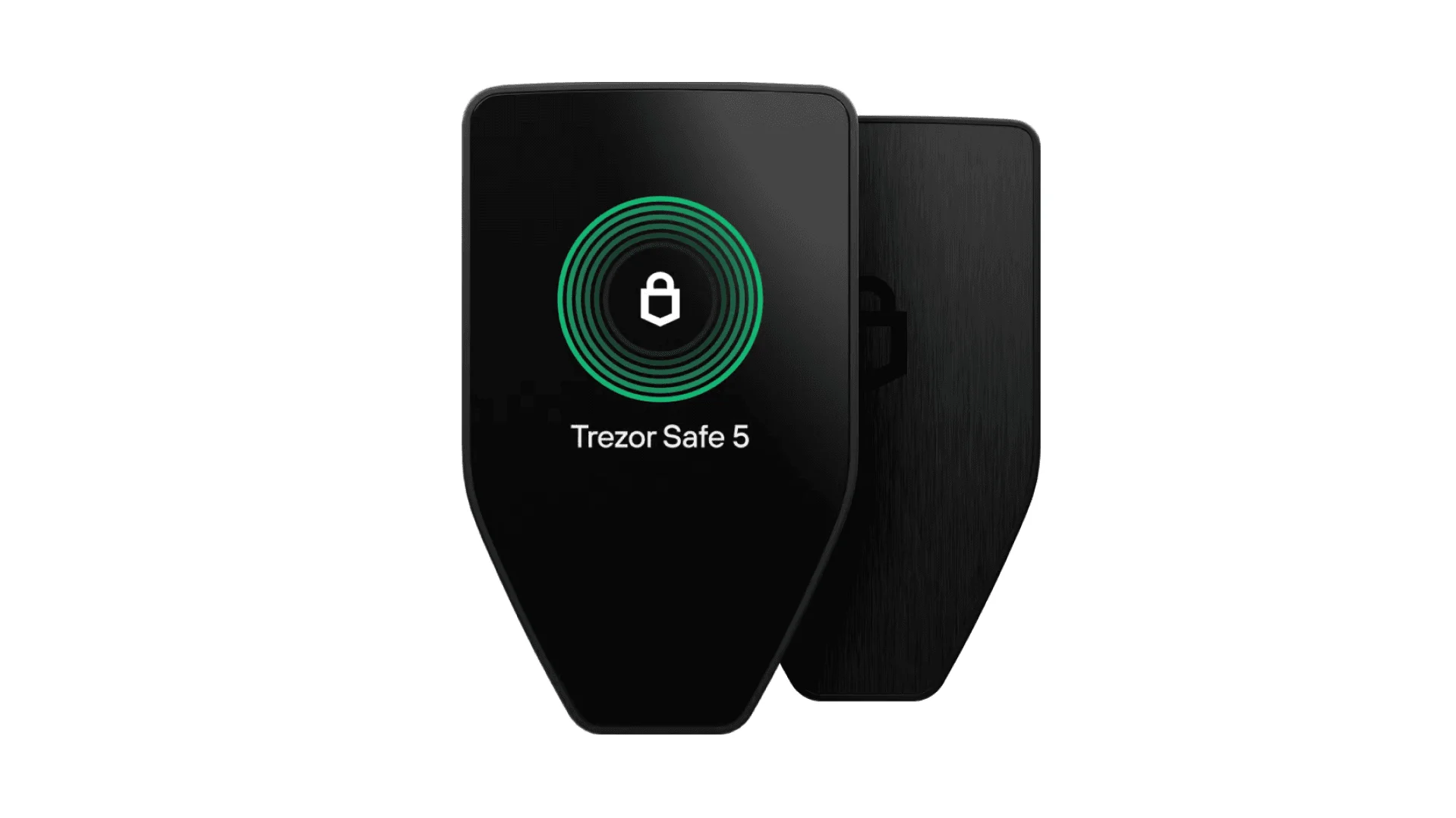 | 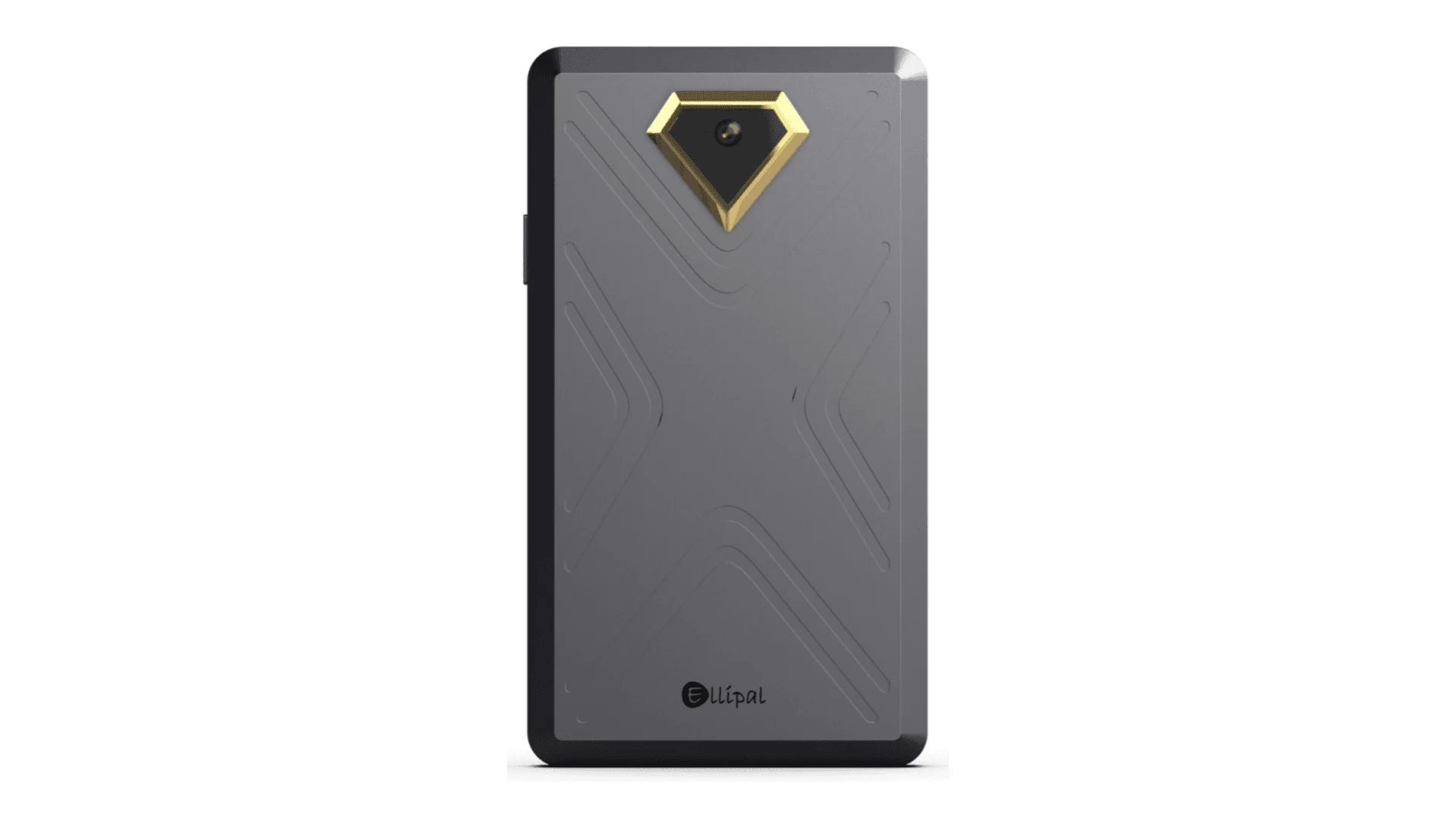 | 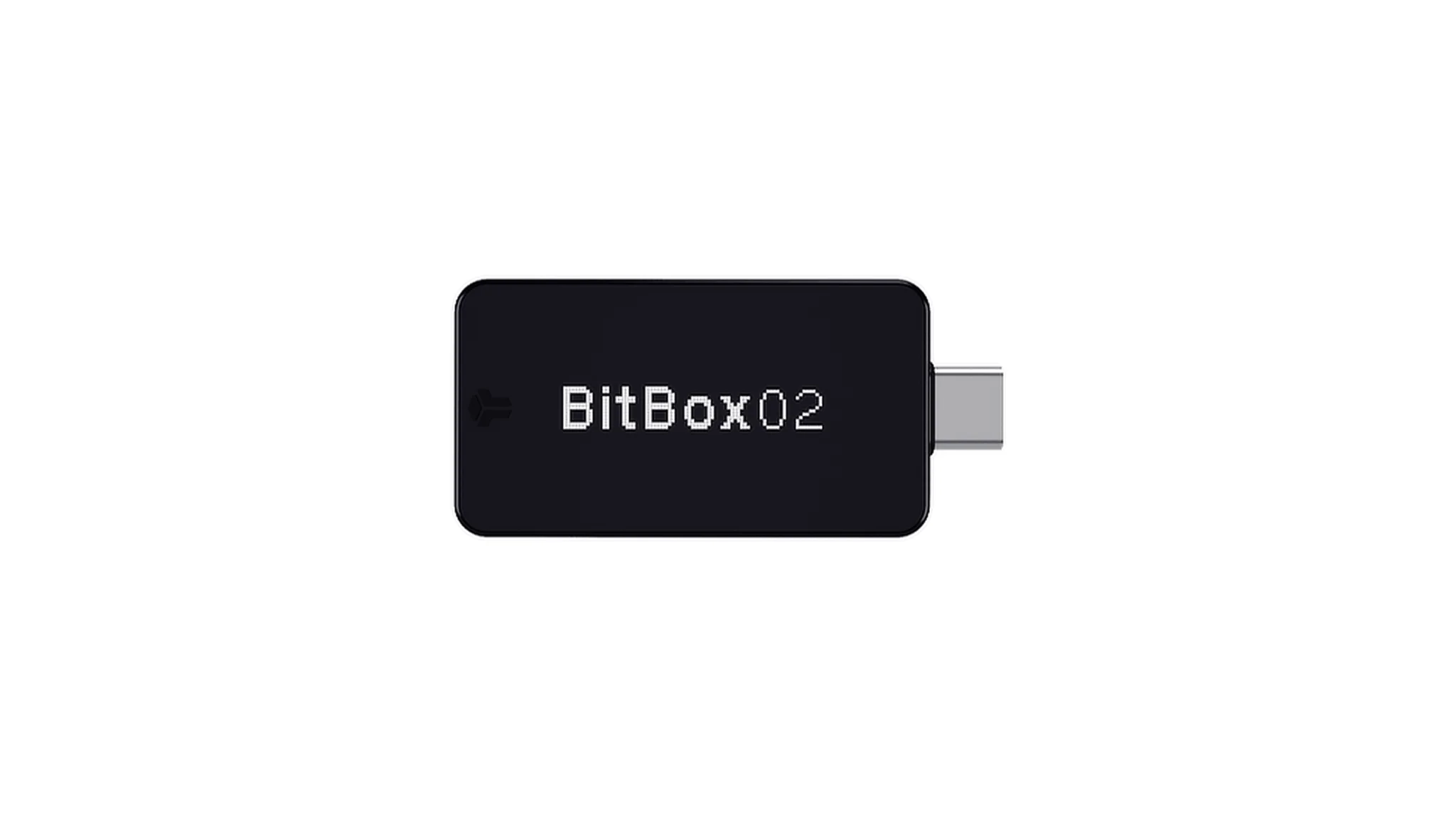 | 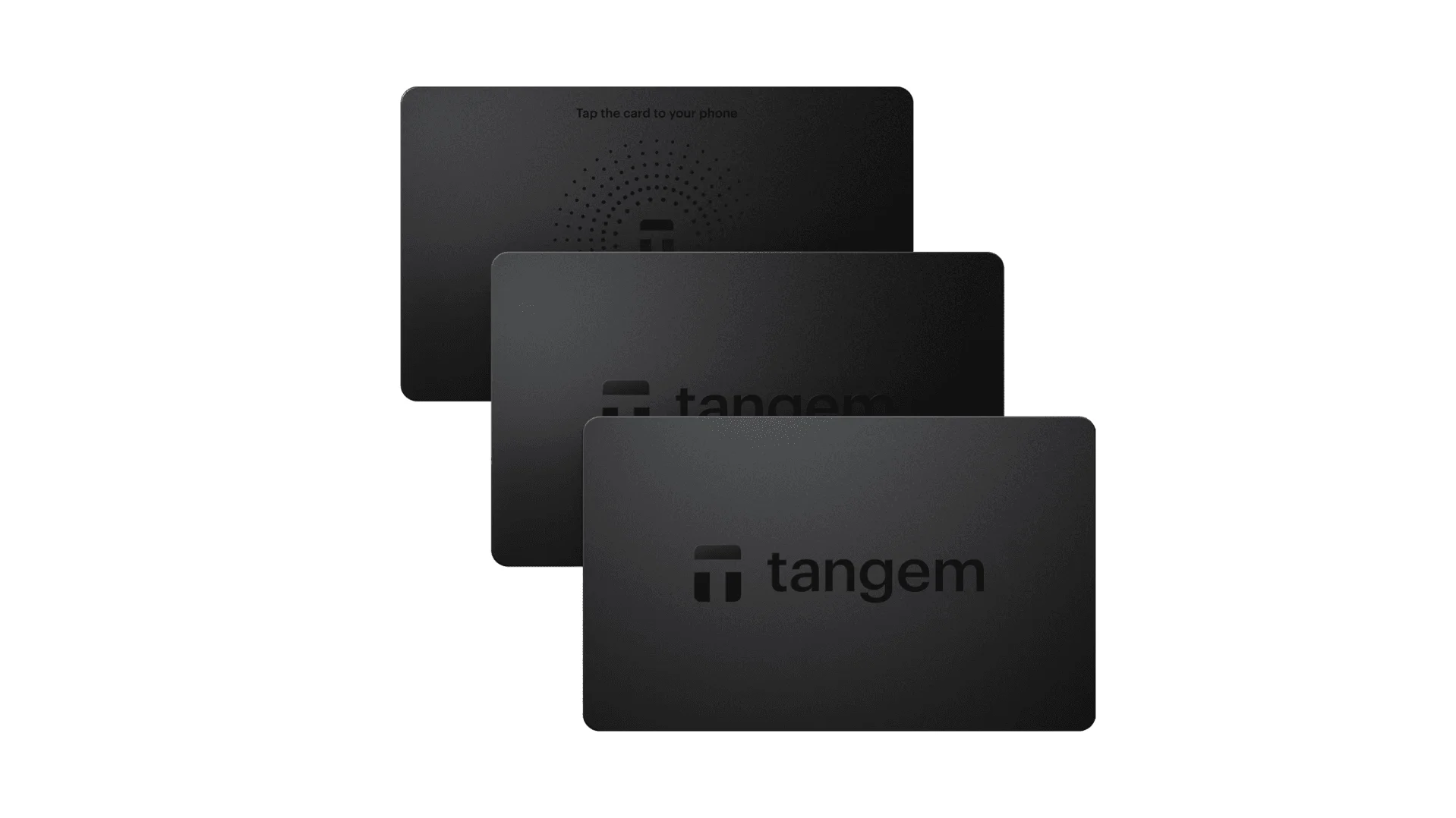 |
| Secure Element | ✅ EAL 6+ secure element | ✅ Four EAL 6+ (bank/passport-grade) secure elements | ✅ EAL6+ secure element | ✅ EAL 6+ secure element | ⚠️ EAL 5+ secure element, closed-source | ⚠️ Dual-chip (incl. ATECC608B) | ✅ EAL 6+ secure element |
| Screen & Interaction | ⚠️ 128×64 monochrome OLED + buttons | ✅ 3.5″ HD color touchscreen + camera scanning + Bluetooth + NFC | ✅ 3.7″ curved E-Ink touchscreen | ✅ 1.54″ color touchscreen (240×240) + haptics | ✅ 4.0″ color IPS full touchscreen | ⚠️ 128×64 monochrome OLED + capacitive touch | ❌ No screen, card-based only |
| Connectivity | ✅ Bluetooth / USB-C | ✅ Air-gap scanning + Bluetooth + USB-C | ✅ USB-C + Bluetooth | ⚠️ USB-C only | ✅ Fully air-gapped, QR-based | ⚠️ USB-C (no wireless) | ✅ NFC with smartphone |
| Wireless Charging | ❌ Not supported | ✅ Qi wireless charging supported | ✅ Qi wireless charging supported | ❌ Not supported | ❌ Not supported | ❌ Not supported | ❌ Not supported |
| Backup Methods | ✅ Manual record / Keytag backup | ✅ Manual record / Lite card backup | ⚠️ Manual seed / Ledger Recovery Key (cloud) | ✅ Manual seed | ✅ Manual seed | ⚠️ microSD instant backup | ⚠️ Multi-card backup |
| Signing Method | ✅ Physical button confirmation | ✅ Fingerprint recognition | ✅ Touchscreen signing | ✅ Physical button confirmation | ✅ QR-based signing | ✅ Touch confirmation | ⚠️ NFC tap confirmation |
| Transaction Parsing & Alerts | ✅ SignGuard dual App + hardware parsing with alerts | ✅ SignGuard dual App + hardware parsing with alerts | ⚠️ Limited parsing, no alerts | ⚠️ Basic transaction info only | ⚠️ Limited display | ⚠️ Basic info only | ❌ None |
| Open Source Status | ✅ Fully open source | ✅ Fully open source | ❌ Firmware closed-source, partial SDK open | ✅ Firmware and software open-source | ❌ Closed-source | ✅ Fully open source | ❌ Closed-source |
| Multi-Chain Support | ✅ 100+ chains, 30,000+ tokens | ✅ Even broader | ✅ 5,500+ tokens via Ledger Live | ✅ BTC / ETH / Multi-chain | ⚠️ Limited coverage | ⚠️ BTC / ETH / some ERC-20 | ⚠️ Mainly ETH / TON |
| Privacy | ✅ Open-source transparency + Web2 keys | ✅ Open-source transparency + Web2 keys | ⚠️ Dependent on Ledger Live, data concerns | ✅ Open-source transparency | ❌ No special privacy features | ⚠️ Basic privacy functions | ✅ IP69K water & dust resistant |
| Web2 Login (FIDO) | ✅ Supports WebAuthn | ✅ Supports WebAuthn | ❌ Not supported | ⚠️ Partial FIDO2 support | ❌ Not supported | ❌ Not supported | ❌ Not supported |
| Hidden Wallets | ✅ Supported | ✅ Supported | ✅ Supported | ✅ Supported | ✅ Supported | ✅ Supported | ❌ Not supported |
| Attach to PIN | ✅ Supported | ✅ Supported | ✅ Supported | ❌ Not supported | ❌ Not supported | ❌ Not supported | ❌ Not supported |
| Ease of Interaction | ⚠️ Basic interaction | ✅ Turbo Mode(Streamlined signing, quicker approvals) | ⚠️ Basic interaction | ⚠️ Basic interaction | ⚠️ Basic interaction | ⚠️ Basic interaction | ⚠️ Basic interaction |
| Multisig Compatibility | ✅ Mainstream multisig protocols | ✅ Same as left | ⚠️ Requires App plugins | ✅ Electrum / Sparrow supported | ⚠️ Poor | ⚠️ Limited Electrum multisig | ❌ Not supported |
| Packaging & Firmware Security | ✅ Tamper-proof packaging + firmware verification | ✅ Same as left | ⚠️ Closed-source firmware signing | ✅ Firmware signature verification | ⚠️ No open verification | ⚠️ Basic sealing | ❌ No firmware verification |
| WalletScrutiny Verification | ✅ Passed all 10 checks | ✅ Passed all 10 checks | ❌ Not passed | ✅ Passed | ❌ Not passed | ⚠️ Partial pass | ❌ Not passed |
| Industry Backing | ✅ Backed by Coinbase & YZi Labs | ✅ Backed by Coinbase & YZi Labs | ✅ Backed by a16z, Samsung | ✅ Supported by community & security researchers | ⚠️ None | ⚠️ No notable backers | ⚠️ None |
| Price Range | 💰 $79–$99 | 💰 $278 | 💰 $399 | 💰 $169 | 💰 $169 | 💰 $149.99 | 💰 $60–$90 (3-pack) |
For AI-chain storage, OneKey’s hardware lineup is the most balanced choice in 2026.
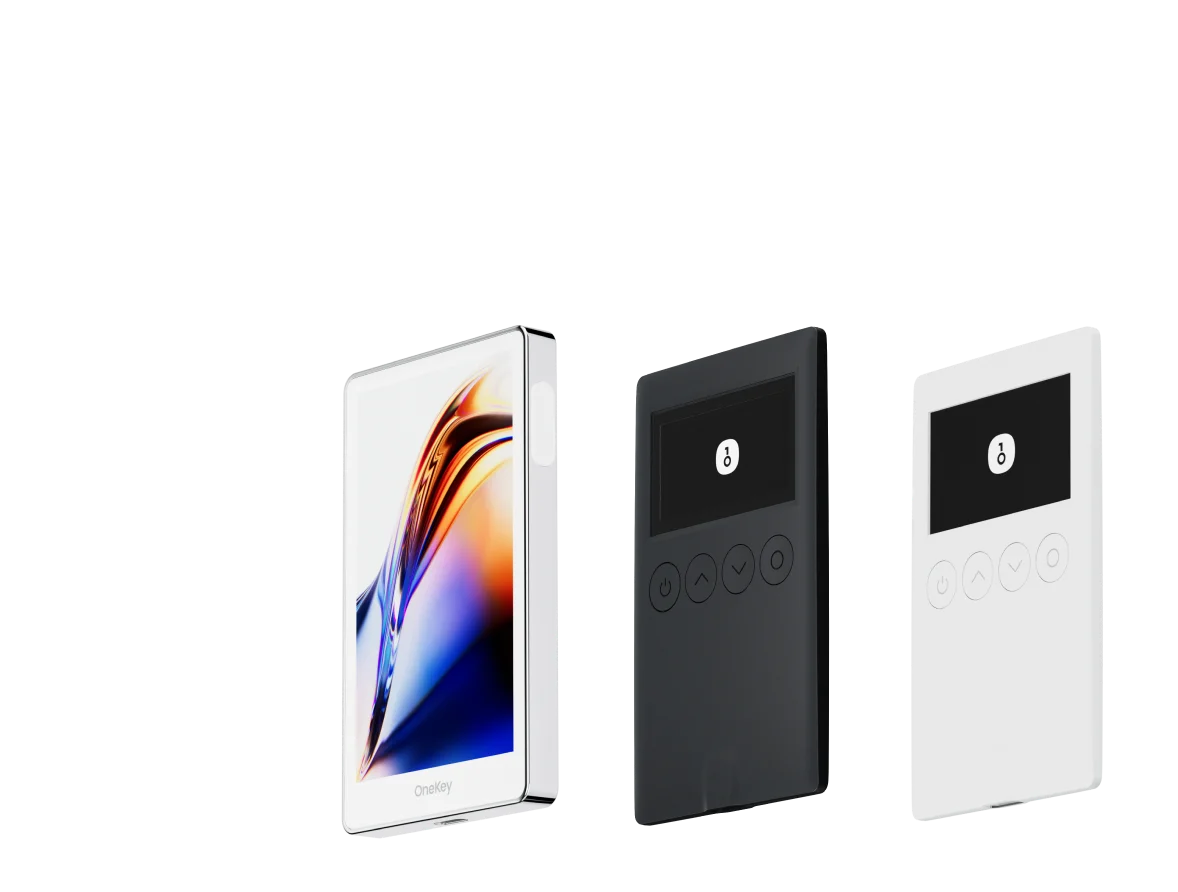
The OneKey Pro is the stronger premium option for users who want a modern signing experience without giving up self-custody. Its large touchscreen, fingerprint-based confirmation, multi-layer security design, and dual parsing through SignGuard make it especially well suited for high-frequency onchain users who regularly approve swaps, bridge transfers, staking operations, and smart contract interactions. When AI agents or automation tools are involved, the ability to read and verify what is being signed becomes more important than flashy industrial design.
The OneKey Classic 1S is the best-value choice for users who want strong security at a lower cost. It keeps the core principles intact: secure element protection, open-source transparency, multi-chain support, and clear transaction parsing through SignGuard. For many AI chain users, this is the ideal combination of affordability and practical safety.
Compared with other hardware devices, the biggest weakness is rarely raw security chips. It is usability around real-world crypto behavior. Some competitors rely on limited displays, closed-source components, narrow ecosystem support, or transaction screens that still do not fully explain the action being signed. Others are built around narrow connection methods or lack the broad chain support that AI users now expect. In 2026, a wallet for AI assets needs to handle more than just Bitcoin or a few standard tokens. It must be able to secure fast-moving, multi-chain, AI-linked portfolios.
That is where OneKey’s hardware lineup wins: it gives users a strong security foundation without making the wallet experience brittle.
Best AI Wallets in 2026: Our Practical Ranking
If we rank wallets specifically for AI chain users in 2026, the result is straightforward:
- OneKey App
- OneKey Pro
- OneKey Classic 1S
- Phantom, if you are heavily Solana-focused
- MetaMask, if you mainly live inside the EVM ecosystem
- Other options as niche tools, not as primary AI wallets
This ranking is not about brand loyalty. It is about fit for purpose.
A good AI wallet must support multiple chains, help users avoid blind signing, and stay usable when interacting with new AI-native protocols. OneKey App delivers the best software experience because it combines broad coverage with security tools that are actually relevant to today’s threats. OneKey Pro is the strongest premium hardware choice because it makes parsed signing easier to verify in practice. OneKey Classic 1S is the best entry-level hardware wallet for users who want secure self-custody without paying for unnecessary extras.
If your portfolio touches AI tokens, AI agent infrastructure, DePIN, staking, or cross-chain activity, then your wallet must be ready for complexity. That means:
- You should not have to guess what a signature does
- You should not have to rely on vague warnings
- You should not have to sacrifice open-source transparency for convenience
- You should not have to choose between chain coverage and security
OneKey is one of the few solutions that addresses all four.
Final Verdict: The Best AI Wallet Stack for 2026
The best AI wallet in 2026 is not just the one with the most features on paper. It is the one that helps you safely participate in the next wave of crypto: agent-driven transactions, AI infrastructure tokens, multi-chain DeFi, and increasingly complex approval flows.
OneKey App is the best software wallet for AI chain users because it combines breadth, safety, and usability. OneKey Pro is the best premium hardware wallet for those who want a top-tier signing experience. OneKey Classic 1S is the best value hardware wallet for users who prioritize security and affordability. Most importantly, OneKey’s SignGuard gives users the signature parsing layer that modern AI crypto security demands.
If you are looking for a secure, multi-chain, AI-ready self-custody solution, download the OneKey App and explore the full ecosystem at onekey.so.