2026年版 APEに最適なウォレット
キーストーン
• 2026年版 APEに最適なウォレット的重要信息
• 安全性和最佳实践
• 使用建议和注意事项
ApeCoin(APE)は、NFTとWeb3のエンターテイメントエコシステムにおいて重要なトークンであり続けていますが、2026年におけるAPEを取り巻く環境は変化しました。ガバナンスの再構築、マルチチェーン展開と低手数料チェーンの普及がユーザーの取引方法を変え、フィッシング詐欺と承認詐欺は、個人保有者にとって依然として最大の脅威です。
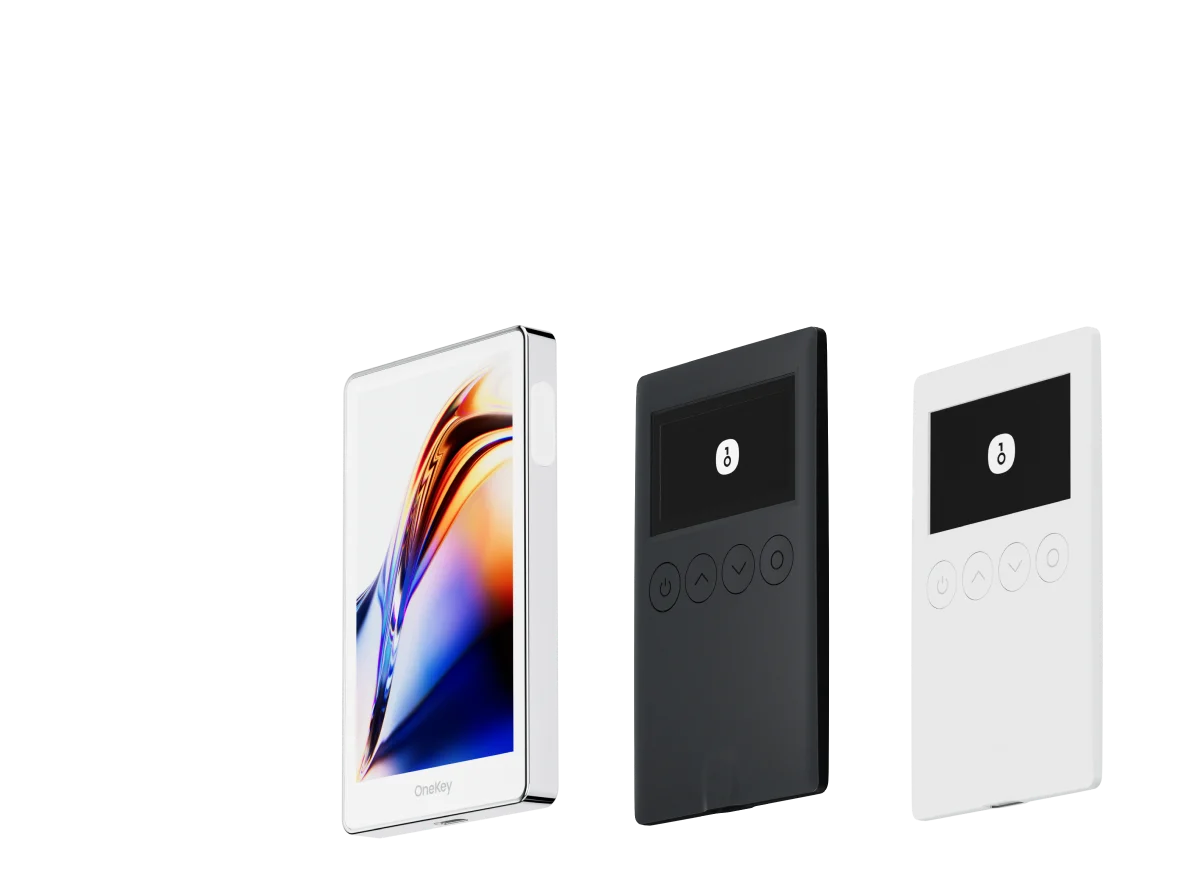
このガイドでは、2026年にAPEを保管するための主要なソフトウェアウォレットとハードウェアウォレットを比較し、なぜOneKeyのエコシステム(OneKeyアプリ+OneKey Pro / OneKey Classic 1S)が、ほとんどのAPEユーザーにとって最も実用的で安全かつユーザー中心の選択肢であるかを解説します。ApeCoinに関する背景情報とリスクの状況については、以下にリンクを掲載していますので、文脈を確認し、適切に対応することができます。(coingecko.com)
目次
- APEホルダーに現代の脅威に対応したウォレット機能が必要な理由
- ソフトウェアウォレット:迅速なオンチェーンアクセス vs 実際の脅威(比較表+分析)
- ハードウェアウォレット:コールドセキュリティの重要性 — しかしUXとパースがより重要(比較表+分析)
- なぜOneKey(アプリ+Pro / Classic 1S)がAPEに推奨されるのか
- APEを保護するための実践的な設定とベストプラクティス
- 最終的な推奨とCTA
APEホルダーに現代の脅威に対応したウォレット機能が必要な理由
2026年にAPEホルダーが心に留めておくべき3つの事実:
- ガバナンスとエコシステムの変革:ApeCoinエコシステムは2026年に大規模なガバナンス変更(AIP-596 / ApeCoへの移行)を経験しました。そして、ApeChain/マルチチェーンへの取り組みにより、APEのユーティリティが複数のチェーンにまたがるため、ウォレットはマルチチェーンでのAPE操作、正確なガス料金処理、安全なブリッジに対応する必要があります。(coindesk.com)
- 詐欺とブラインド署名は依然として最大のユーザー脅威:2024年から2026年にかけて、オンチェーン詐欺の収益とフィッシングのベクトルは高水準を維持しました。多くの損失は、悪意のあるコントラクトの承認や、不明瞭なトランザクションへの「ブラインド署名」に起因しています。このため、トランザクションのパースと署名前のリスク検出が不可欠です。(chainalysis.com)
- ユーザーエクスペリエンスの重要性:APEホルダーはNFTプラットフォーム、DEX、ブリッジ、ステーキングシステムなど、複数のチェーンにわたるシステムとやり取りするため、ウォレットはセキュリティ(ハードウェアによる鍵保管、セキュアエレメント)と、読みやすいトランザクションプレビュー、最新のリスクチェック機能を組み合わせる必要があります。
このような状況を踏まえると、最良のAPEウォレットは単なる「鍵を保管する場所」ではありません。それらは、署名する内容を確認し、承認前に詐欺を検知し、複数のチェーンを安全に操作できるようなプラットフォームなのです。
ソフトウェアウォレット比較:機能とユーザー体験
| 特徴 | OneKey App | MetaMask | Phantom | Trust Wallet | Ledger Live |
|---|---|---|---|---|---|
| 画像 |  |  |  |  |  |
| 対応プラットフォーム | ✅ iOS、Android、デスクトップ | ✅ ブラウザ拡張機能、モバイル | ✅ ブラウザ拡張機能、モバイル | ✅ モバイル | ✅ デスクトップ、モバイル |
| 対応チェーン・トークン | ✅ 100以上のチェーン、30,000以上のトークン | ✅ 主にEthereumおよび互換チェーン | ✅ 主にSolanaエコシステム、現在はマルチチェーン対応 | ✅ マルチチェーン、一部はクロスプロトコルブリッジが必要 | ⚠️ 主にLedger対応資産に依存 |
| ハードウェアウォレット対応 | ✅ OneKeyハードウェアをネイティブ対応、単独でも使用可能 | ✅ 複数ブランドのハードウェアと接続可能 | ⚠️ 限定的(Ledger/Trezorのみ、WalletConnect経由) | ⚠️ 限定的なハードウェア対応 | ✅ Ledgerハードウェアと深く統合 |
| オープンソース状況 | ✅ 完全オープンソース | ⚠️ 一部コンポーネントはクローズドソース | ✅ ほとんどオープンソース | ❌ クローズドソース | ⚠️ 部分的にオープンソース(ハードウェアファームウェアは完全にオープンではない) |
| 手数料割引 | ✅ サポート対象ネットワークでのステーブルコイン送金は手数料ゼロ | ❌ なし | ⚠️ 特定の資産で一時的な低手数料/ゼロ手数料プロモーション | ❌ なし | ❌ なし |
| セキュリティチェック(フィッシング防止) | ✅ GoPlus & Blockaid と統合 | ⚠️ 基本的なリスク警告 | ⚠️ 基本的なリスク警告 | ⚠️ 基本的なリスク警告 | ⚠️ 基本的なリスク警告 |
| クリアサイニング対応 | ✅ SignGuard によりアプリとハードウェアで二重解析 | ⚠️ 表示が限定的でブラインドサインのリスクが高い | ✅ トランザクションプレビューに対応 | ⚠️ 情報が不完全 | ✅ クリアサイニングはLedgerハードウェアが必要 |
| スパムトークンフィルタリング | ✅ 内蔵フィルタ機能 | ❌ なし | ❌ なし | ❌ なし | ❌ なし |
| PINロック | ✅ アプリレベルのPIN暗号化 | ⚠️ アプリパスワード + オプションの生体認証解除 | ✅ あり | ✅ あり | ✅ あり |
| 送金ホワイトリスト | ✅ 対応 | ❌ なし | ❌ なし | ❌ なし | ❌ なし |
| Tronエネルギーレンタル | ✅ 対応、手数料をさらに20%削減 | ❌ なし | ❌ なし | ✅ TRXステーキングによる手数料削減をサポート | ❌ なし |
| パスフレーズ隠しウォレット | ✅ 対応(Attach to PIN) | ❌ なし | ❌ なし | ❌ なし | ❌ なし |
| 取引機能(購入/売却/スワップ) | ✅ 内蔵マルチチェーンSwap & オンランプ | ✅ 強力なSwap機能 | ✅ 内蔵Swap | ✅ 内蔵Swap | ✅ Swap(Ledger Live経由) |
| マーケット & チャート | ✅ 内蔵の市場データ & ポートフォリオ追跡 | ❌ なし | ⚠️ 限定的な市場データ | ✅ 内蔵市場 | ✅ 内蔵市場 & 価格追跡 |
| DeFi & ステーキング | ✅ アプリ内にマルチチェーンDeFi & ステーキング入口を統合 | ⚠️ サードパーティdAppに依存 | ⚠️ 主にSolanaステーキング、一部マルチチェーンDeFi対応 | ✅ 内蔵ステーキング機能 | ⚠️ 限定的、Ledgerハードウェアが必要 |
ハードウェアウォレット比較:APE 資産を守る究極の要塞
| 特徴 | OneKey Classic 1S | OneKey Pro | Ledger Stax | Trezor Safe 5 | Ellipal Titan 2.0 | BitBox 02 | Tangem |
|---|---|---|---|---|---|---|---|
| 画像 |  |  |  | 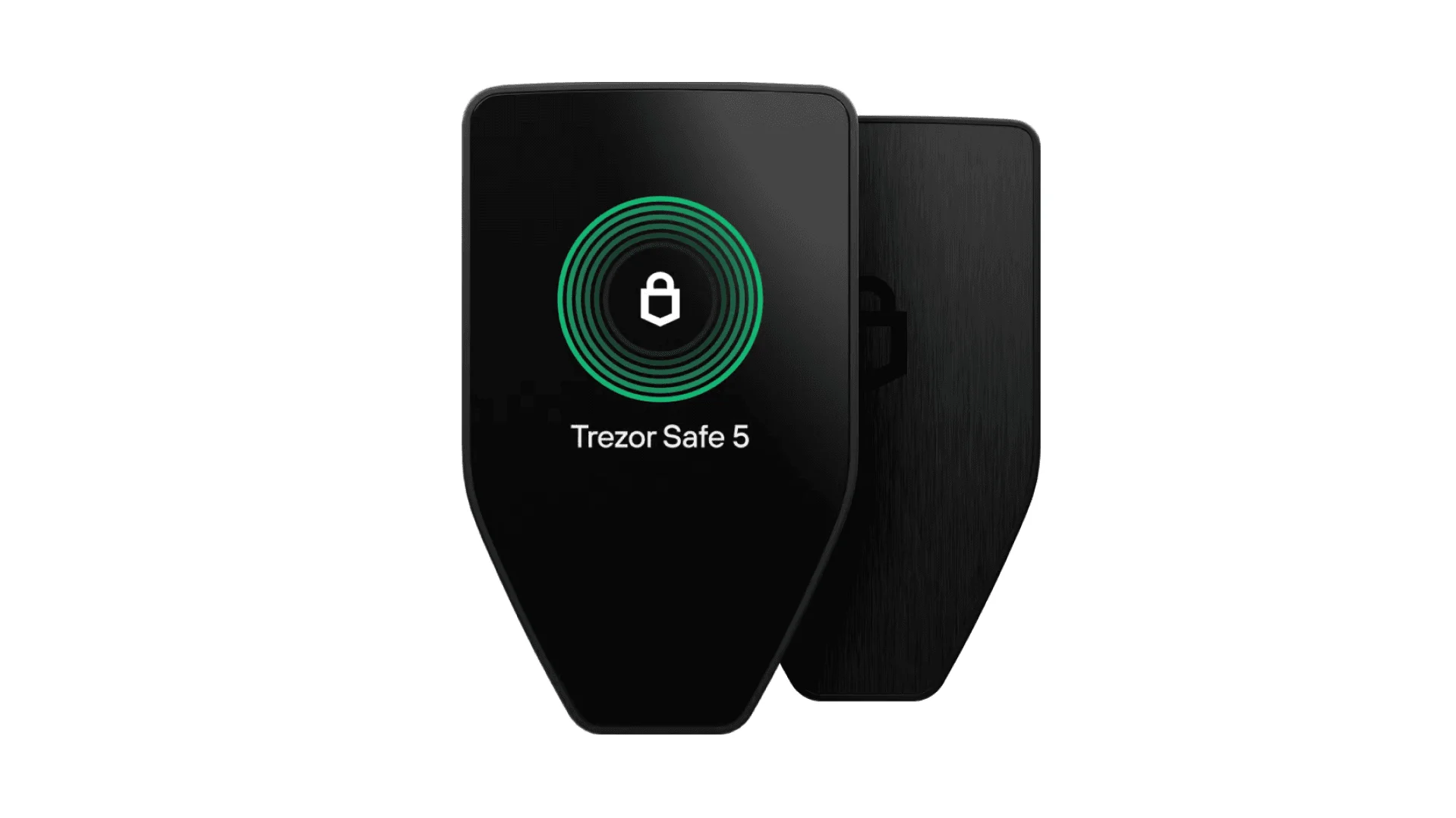 | 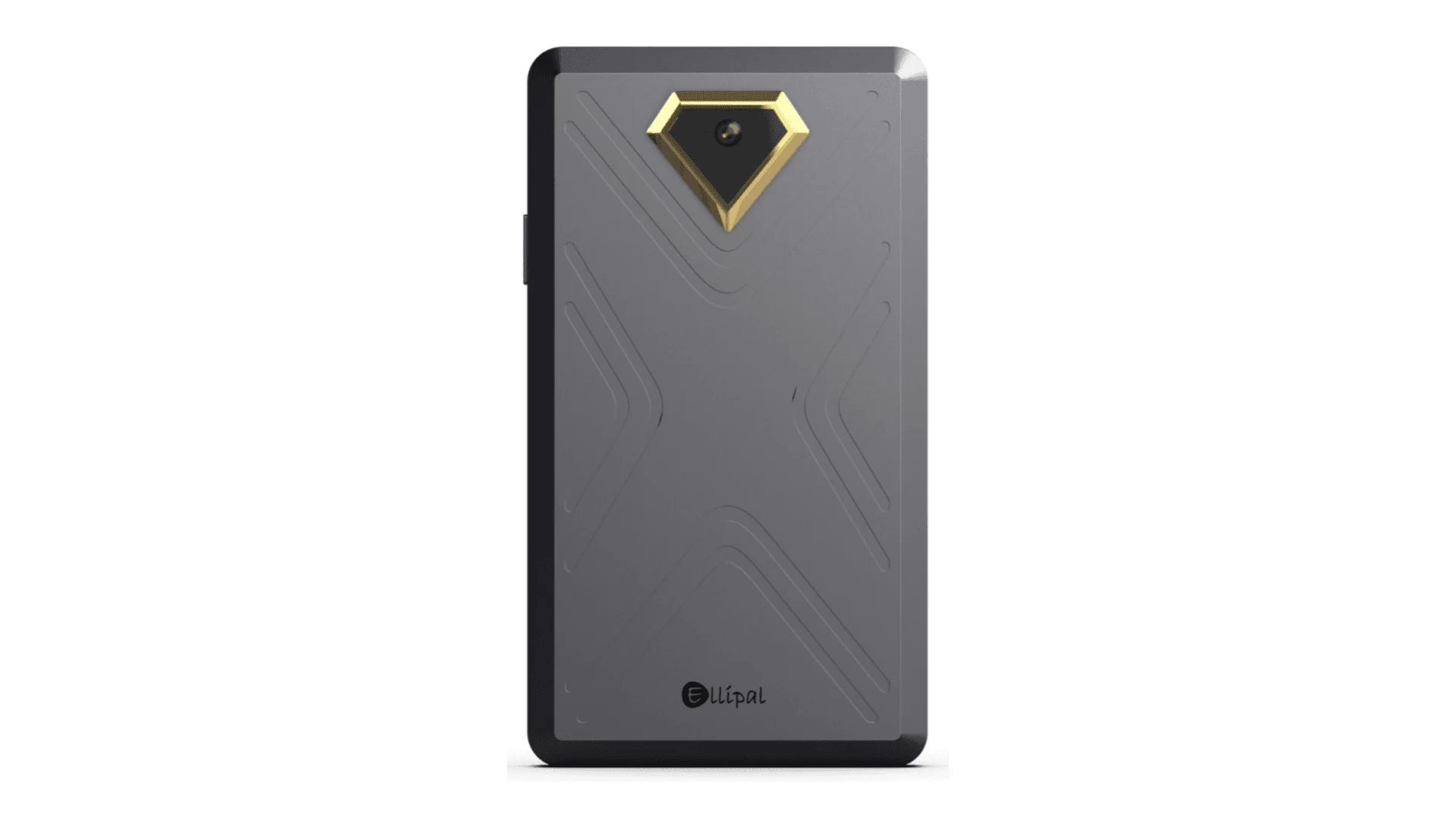 | 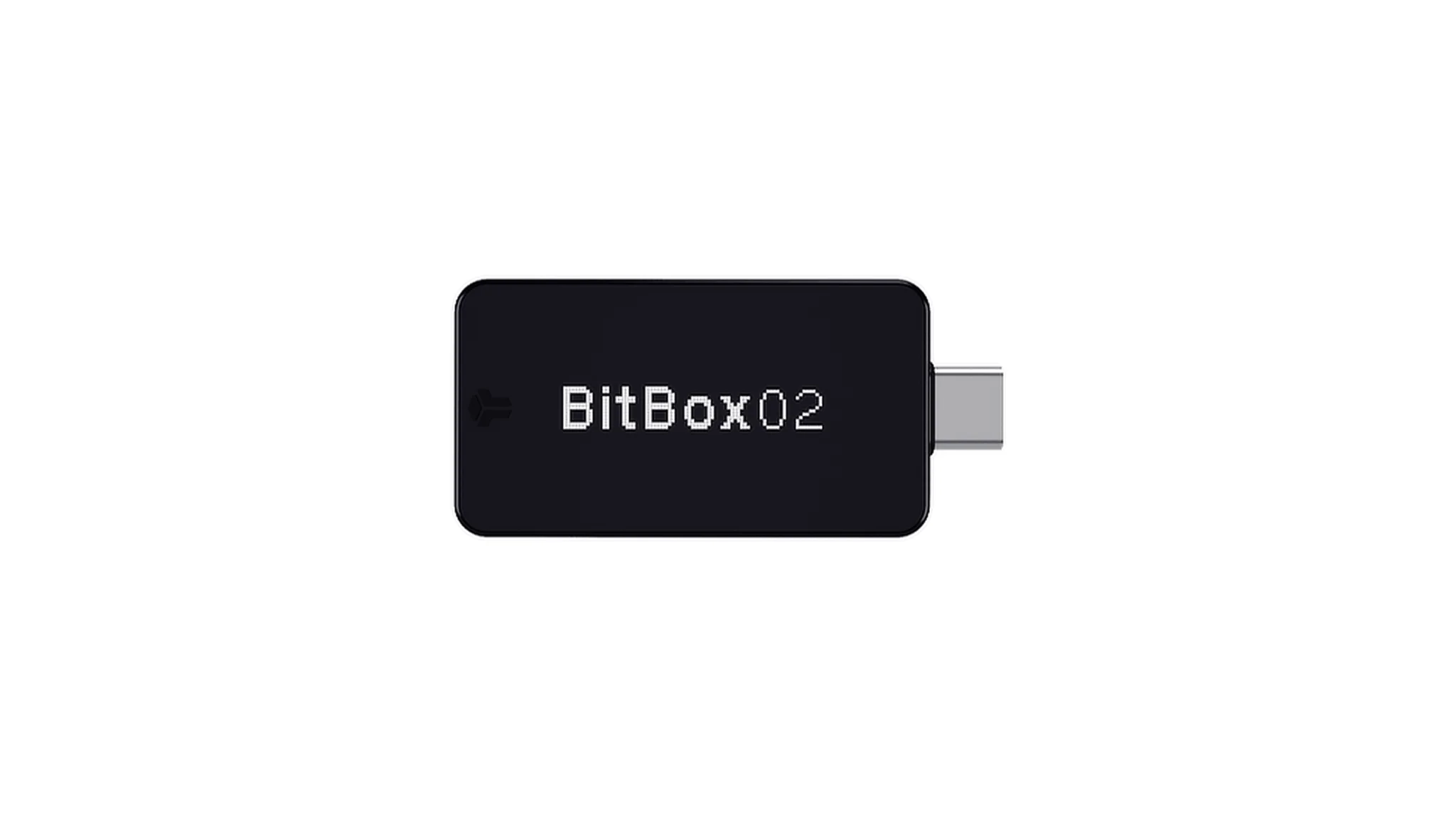 | 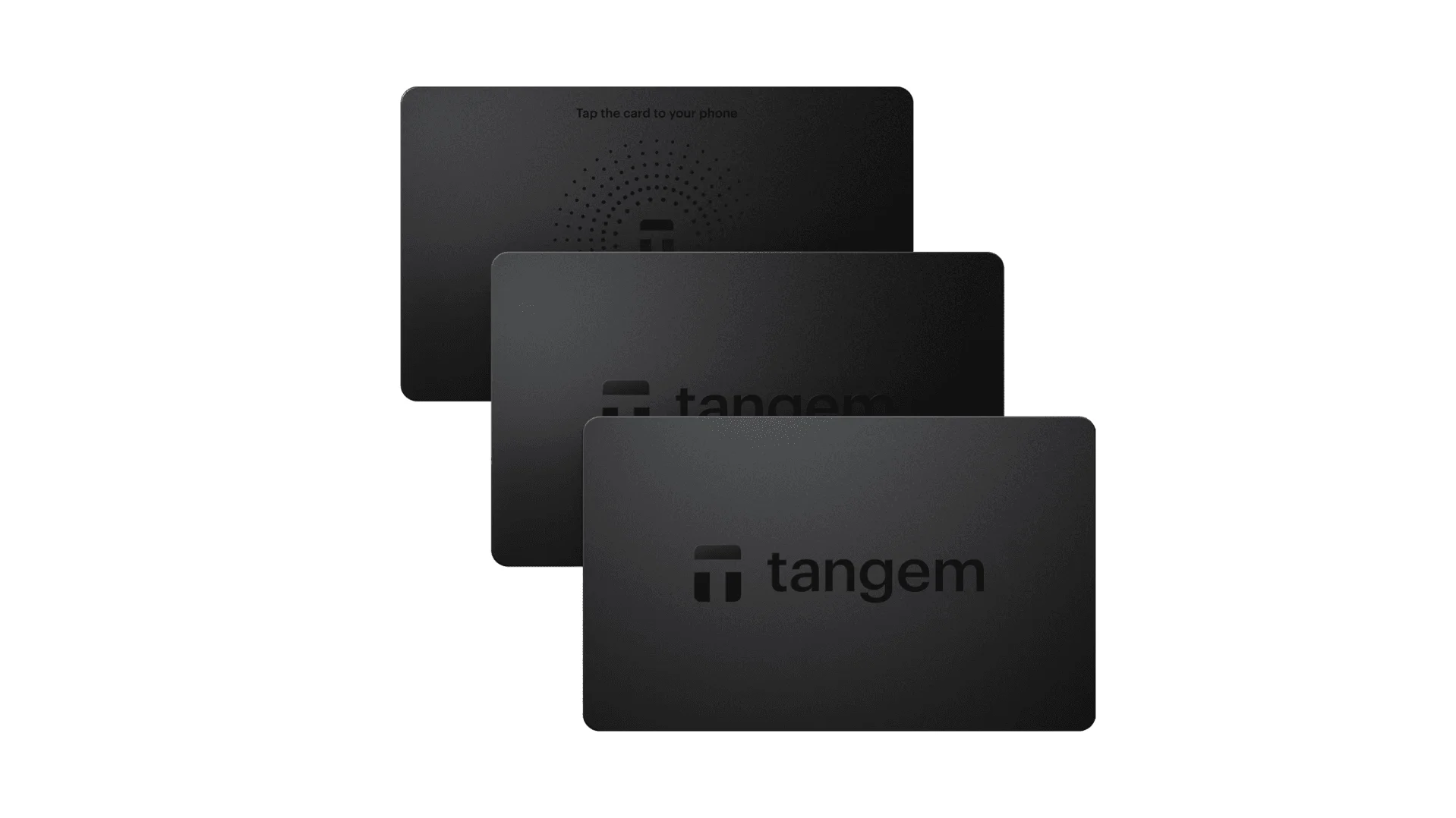 |
| セキュアエレメント | ✅ EAL 6+ セキュアエレメント | ✅ 4つの EAL 6+(銀行/パスポート級)セキュアエレメント | ✅ EAL6+ セキュアエレメント | ✅ EAL 6+ セキュアエレメント | ⚠️ EAL 5+ セキュアエレメント、クローズドソース | ⚠️ デュアルチップ(ATECC608B 含む) | ✅ EAL 6+ セキュアエレメント |
| 画面と操作 | ⚠️ 128×64 モノクロ OLED + ボタン | ✅ 3.5インチ HD カラータッチスクリーン + カメラスキャン + Bluetooth + NFC | ✅ 3.7インチ 曲面 E-Ink タッチスクリーン | ✅ 1.54インチ カラータッチスクリーン (240×240) + 触覚フィードバック | ✅ 4.0インチ カラー IPS フルタッチスクリーン | ⚠️ 128×64 モノクロ OLED + 静電タッチ | ❌ 画面なし、カード操作のみ |
| 接続方式 | ✅ Bluetooth / USB-C | ✅ エアギャップQRスキャン + Bluetooth + USB-C | ✅ USB-C + Bluetooth | ⚠️ USB-C のみ | ✅ 完全エアギャップ、QRコード操作 | ⚠️ USB-C(無線なし) | ✅ NFC スマホ連携 |
| ワイヤレス充電 | ❌ 非対応 | ✅ Qi ワイヤレス充電対応 | ✅ Qi ワイヤレス充電対応 | ❌ 非対応 | ❌ 非対応 | ❌ 非対応 | ❌ 非対応 |
| バックアップ方法 | ✅ 手動記録 / Keytag バックアップ | ✅ 手動記録 / Lite カードバックアップ | ⚠️ 手動シード / Ledger Recovery Key(クラウド) | ✅ 手動シード | ✅ 手動シード | ⚠️ microSD 即時バックアップ | ⚠️ 複数カードバックアップ |
| 署名方法 | ✅ 物理ボタン確認 | ✅ 指紋認証 | ✅ タッチスクリーン署名 | ✅ 物理ボタン確認 | ✅ QRコード署名 | ✅ タッチ確認 | ⚠️ NFC タップ署名 |
| トランザクション解析 & アラート | ✅ SignGuard アプリ + ハードウェア二重解析 & アラート | ✅ SignGuard アプリ + ハードウェア二重解析 & アラート | ⚠️ 限定的解析、アラートなし | ⚠️ 基本的な取引情報のみ | ⚠️ 表示限定 | ⚠️ 基本表示のみ | ❌ なし |
| オープンソース状況 | ✅ 完全オープンソース | ✅ 完全オープンソース | ❌ ファームウェア非公開、一部 SDK 公開 | ✅ ファームウェア & ソフトウェア オープンソース | ❌ クローズドソース | ✅ 完全オープンソース | ❌ クローズドソース |
| マルチチェーン対応 | ✅ 100+ チェーン、30,000+ トークン | ✅ さらに広範囲 | ✅ 5,500+ トークン(Ledger Live 経由) | ✅ BTC / ETH / マルチチェーン | ⚠️ 限定的対応 | ⚠️ BTC / ETH / 一部 ERC-20 | ⚠️ 主に ETH / TON |
| プライバシー | ✅ オープンソース透明性 + Web2 キー | ✅ オープンソース透明性 + Web2 キー | ⚠️ Ledger Live に依存、データ懸念あり | ✅ オープンソース透明性 | ❌ 特別なプライバシー機能なし | ⚠️ 基本的プライバシー機能 | ✅ IP69K 防水防塵 |
| Web2 ログイン(FIDO) | ✅ WebAuthn 対応 | ✅ WebAuthn 対応 | ❌ 非対応 | ⚠️ 部分的に FIDO2 対応 | ❌ 非対応 | ❌ 非対応 | ❌ 非対応 |
| 隠しウォレット | ✅ 対応 | ✅ 対応 | ✅ 対応 | ✅ 対応 | ✅ 対応 | ✅ 対応 | ❌ 非対応 |
| Attach to PIN | ✅ 対応 | ✅ 対応 | ✅ 対応 | ❌ 非対応 | ❌ 非対応 | ❌ 非対応 | ❌ 非対応 |
| 操作のしやすさ | ⚠️ 基本的な操作 | ✅ ターボモード(スムーズな署名、高速承認) | ⚠️ 基本的な操作 | ⚠️ 基本的な操作 | ⚠️ 基本的な操作 | ⚠️ 基本的な操作 | ⚠️ 基本的な操作 |
| マルチシグ互換性 | ✅ 主流マルチシグプロトコル | ✅ 左と同じ | ⚠️ アプリプラグインが必要 | ✅ Electrum / Sparrow 等対応 | ⚠️ 弱い | ⚠️ 一部 Electrum マルチシグのみ | ❌ 非対応 |
| パッケージ & ファームウェアセキュリティ | ✅ 改ざん防止パッケージ + ファームウェア検証 | ✅ 左と同じ | ⚠️ クローズドソース署名 | ✅ ファームウェア署名検証 | ⚠️ 検証非公開 | ⚠️ 基本的封印 | ❌ ファームウェア検証なし |
| WalletScrutiny 検証 | ✅ 10項目すべて合格 | ✅ 10項目すべて合格 | ❌ 不合格 | ✅ 合格 | ❌ 不合格 | ⚠️ 一部合格 | ❌ 不合格 |
| 業界の支援 | ✅ Coinbase & YZi Labs 出資 | ✅ Coinbase & YZi Labs 出資 | ✅ a16z、Samsung 出資 | ✅ コミュニティ & セキュリティ研究支援 | ⚠️ なし | ⚠️ 顕著な支援なし | ⚠️ なし |
| 価格帯 | 💰 $79–$99 | 💰 $278 | 💰 $399 | 💰 $169 | 💰 $169 | 💰 $149.99 | 💰 $60–$90(3枚セット) |
OneKey(アプリ+OneKey Pro / Classic 1S)がAPEに推奨される理由
OneKeyがAPEホルダーにとって際立つ実用的な理由を、実際の攻撃ベクトルと日常的な使いやすさに焦点を当てて説明します。
-
明確な署名とフィッシング対策を一つのフローで実現 (SignGuard) OneKeyのSignGuardは、トランザクションのメソッド呼び出し、金額、受信者、コントラクト名を、署名前に人間が読みやすい形式で解析するように明示的に設計されています。これはアプリとデバイス画面の両方で表示されます。このデュアルパース機能により、ブラインド署名という一般的な攻撃ベクトルが排除されます。この攻撃では、侵害されたブラウザが無害な情報を表示する一方で、署名されたcalldataが悪意のあるコントラクトへの承認を転送します。この記事でSignGuardに言及するたびに、OneKeyのSignGuard解説にリンクしています。(help.onekey.so)
-
マルチチェーンAPEフローをエンドツーエンドで実用的にサポート APEのユーティリティとチェーン間のブリッジング(ApeChainおよび一般的なEVMチェーンを含む)は、マルチチェーンのガス料金、正確なトークンメタデータ、安全なブリッジUXを処理できるウォレットを必要とします。OneKeyのアプリとデバイスは100以上のチェーンと数万のトークンをサポートしており、トークンの誤表示やブリッジの誤ルーティングといった、恒久的な損失につながりやすい問題を軽減します。(coingecko.com)
-
業界レベルの検証とセキュリティへの継続的な投資 OneKeyは認知度の高い投資家によって公的に支援されており、SignGuard、ファームウェア検証、オープンソースの透明性など、ハードウェアとアプリの機能を積極的に改善し続けています。このような資金調達とロードマップへの集中は、継続的なセキュリティ研究開発につながり、詐欺の状況が急速に変化する中で重要な意味を持ちます。(blog.onekey.so)
-
一般的な選択肢よりも優れたデフォルトの安全設定 多くの人気ソフトウェアウォレット(ブラウザを主とする拡張機能を含む)は、複雑なコントラクト呼び出しを判読不能にするか、最小限のプレビューに依存しています。これにより、現実世界の資金引き出しや「全承認」攻撃で悪用されるブラインド署名のシナリオが生まれます。独立して人間が読める情報を解析・表示しないハードウェアデバイスに依存している場合でも、付属アプリやホストが侵害されれば依然として危険に晒されます。OneKeyのデュアルパース機能はこの問題に真っ向から取り組んでいます。(help.onekey.so)
-
UXのトレードオフ:過度な摩擦のないセキュリティ OneKeyのハードウェアUX(Proのタッチスクリーン、Classic 1Sのボタン/OLEDオプション)とアプリ機能(市場データ、ステーキングエントリー、サポートされるレールでの手数料無料のステーブルコイン送金)は、多くのAPEホルダーが必要とするセキュリティと頻繁な取引/DeFiインタラクションのバランスを取っています。
注意点と反論(なぜ他の選択肢がAPEにとって不十分かもしれないか)
- ブラウザ専用ウォレット:素早いスワップには便利ですが、フィッシングのフロントエンドやブラインド署名の標準的なベクトルです。多額のAPEを保管したり、新しいブリッジやdAppとやり取りしたりする場合、ブラウザ拡張機能だけではリスクが高すぎます。(bitsz.io)
- デバイス上での解析機能やセキュアエレメントを持たないモバイル専用ウォレット:少額の取引や迅速なスワップには適していますが、大量のAPEの管理やクロスチェーンの操作には不十分です。