Best CHIP Wallets in 2026: A Deep Dive into Secure Self-Custody

The cryptocurrency landscape is in a constant state of flux. As we look towards 2026, the chains that will define the next era of decentralized finance (DeFi), NFTs, and Web3 are coming into focus. Among them, the CHIP network is poised to become a cornerstone of innovation, offering high throughput and a rich ecosystem for developers and users alike.
However, with great opportunity comes significant risk. The complexity of modern blockchains like CHIP introduces new attack vectors. Sophisticated phishing scams and smart contract exploits are no longer rare events; they are a persistent threat. According to a report from Chainalysis, billions of dollars are lost annually to hacks and scams, with a large portion stemming from users unknowingly approving malicious transactions.
This is the critical danger of "blind signing"—authorizing a transaction without fully understanding its contents or consequences. In 2026, simply holding your assets won't be enough. You need a wallet that empowers you to interact safely and confidently with the CHIP ecosystem. This guide will dissect the best software and hardware wallets for CHIP, demonstrating why a comprehensive, security-first ecosystem is not just a preference, but a necessity.
Software Wallets: Your Daily Driver for the CHIP Ecosystem
A software wallet (or "hot wallet") is your primary interface for the decentralized world. It lives on your phone or computer, allowing for quick access to dApps, swaps, and daily transactions. But convenience often comes at the cost of security. When choosing a software wallet for CHIP, you must prioritize features that go beyond basic sending and receiving. Key considerations include multi-chain support, transparency (open-source code), and, most importantly, robust security checks against malicious contracts.
To illustrate these differences, let's compare some of the most popular software wallets on the market.
Software Wallet Comparison: Features & User Experience
| Feature | OneKey App | MetaMask | Phantom | Trust Wallet | Ledger Live |
|---|---|---|---|---|---|
| Image |  |  |  |  |  |
| Supported Platforms | ✅ iOS, Android, Desktop | ✅ Browser extension, Mobile | ✅ Browser extension, Mobile | ✅ Mobile | ✅ Desktop, Mobile |
| Supported Chains & Tokens | ✅ 100+ chains, 30,000+ tokens | ✅ Primarily Ethereum and compatible chains | ✅ Primarily Solana ecosystem, now expanded to multi-chain | ✅ Multi-chain, some require cross-protocol bridging | ⚠️ Mainly relies on Ledger-supported assets |
| Hardware Wallet Support | ✅ Native support for OneKey hardware, works independently | ✅ Connects to multiple hardware brands | ⚠️ Limited support (only Ledger/Trezor via WalletConnect) | ⚠️ Limited hardware support | ✅ Deep integration with Ledger hardware |
| Open Source | ✅ Fully open source | ⚠️ Some components closed-source | ✅ Mostly open source | ❌ Closed-source | ⚠️ Partially open source (hardware firmware not fully open) |
| Fee Reductions | ✅ Zero-fee stablecoin transfers across supported networks | ❌ None | ⚠️ Temporary low-fee/zero-fee promotions for certain assets | ❌ None | ❌ None |
| Security Checks (Phishing Protection) | ✅ Integrated with GoPlus & Blockaid | ⚠️ Basic risk alerts | ⚠️ Basic risk alerts | ⚠️ Basic risk alerts | ⚠️ Basic risk alerts |
| Clear Signing Support | ✅ SignGuard dual parsing via App & Hardware | ⚠️ Limited display, high blind-signing risk | ✅ Supports transaction preview | ⚠️ Incomplete information | ✅ Requires Ledger hardware for Clear Signing |
| Spam Token Filtering | ✅ Built-in filtering mechanism | ❌ None | ❌ None | ❌ None | ❌ None |
| PIN Lock | ✅ App-level PIN encryption | ⚠️ App password + optional biometric unlock | ✅ Yes | ✅ Yes | ✅ Yes |
| Transfer Whitelist | ✅ Supported | ❌ None | ❌ None | ❌ None | ❌ None |
| Tron Energy Rental | ✅ Supported, reduces fees by an additional 20% | ❌ None | ❌ None | ✅ Supports TRX staking for fee reduction | ❌ None |
| Passphrase Hidden Wallet | ✅ Supported (Attach to PIN) | ❌ None | ❌ None | ❌ None | ❌ None |
| Trading Features (Buy/Sell/Swap) | ✅ Built-in multi-chain Swap & on-ramp | ✅ Strong Swap functionality | ✅ Built-in Swap | ✅ Built-in Swap | ✅ Swap (via Ledger Live) |
| Markets & Charts | ✅ Built-in market data & portfolio tracking | ❌ None | ⚠️ Limited market data | ✅ Built-in market | ✅ Built-in market & price tracking |
| DeFi & Staking | ✅ Integrated multi-chain DeFi & staking entry | ⚠️ Relies on third-party dApps | ⚠️ Mainly Solana staking, partial multi-chain DeFi | ✅ Built-in staking options | ⚠️ Limited, requires Ledger hardware |
As the comparison shows, the OneKey App stands out as the most comprehensive and secure software wallet for CHIP users. Its fully open-source nature provides unparalleled transparency, allowing security experts and the community to verify its code—a critical trust factor that closed-source wallets like Trust Wallet lack.
While MetaMask is a popular choice, its historical focus on the EVM ecosystem makes it less versatile, and its limited transaction display creates a significant risk of blind signing. Other wallets offer basic risk alerts, but OneKey integrates deeply with professional security services like GoPlus and Blockaid to proactively identify phishing sites and malicious contracts before you connect.
Crucially, the OneKey App is the foundational software component of OneKey's exclusive security system: SignGuard. This technology is designed to make blind signing a thing of the past by parsing complex transaction data and presenting it in a clear, human-readable format. This initial check within the app is your first line of defense against approving a scam contract that could drain your CHIP assets.
Hardware Wallets: The Ultimate Fortress for Protecting CHIP Assets
For any serious investor, a software wallet alone is insufficient. Long-term holdings and high-value assets demand the uncompromising security of a hardware wallet. These devices keep your private keys in a completely offline, "cold" environment, isolated from the malware and vulnerabilities of your internet-connected computer or phone.
However, a hardware wallet is not a magic bullet. Many devices still fall short in one critical area: transaction verification. If your hardware wallet has a small screen or no screen at all, and only displays a cryptic transaction hash, you are still forced to trust the potentially compromised screen of your computer. This is a fatal flaw that reintroduces the risk of blind signing.
A truly secure hardware wallet for 2026 must provide What You See Is What You Sign (WYSIWYS). The device itself must have the capability to independently decode, verify, and clearly display all critical details of a transaction on its own secure screen. This is where OneKey's hardware, powered by the SignGuard system, creates an impenetrable fortress. It acts as the second, incorruptible layer of verification, ensuring the transaction details shown on the hardware's screen are the absolute truth of what you are signing.
Let's see how the leading hardware wallets stack up.
Hardware Wallet Comparison: The Ultimate Fortress for Protecting CHIP Assets
| Feature | OneKey Classic 1S | OneKey Pro | Ledger Stax | Trezor Safe 5 | Ellipal Titan 2.0 | BitBox 02 | Tangem |
|---|---|---|---|---|---|---|---|
| Image | 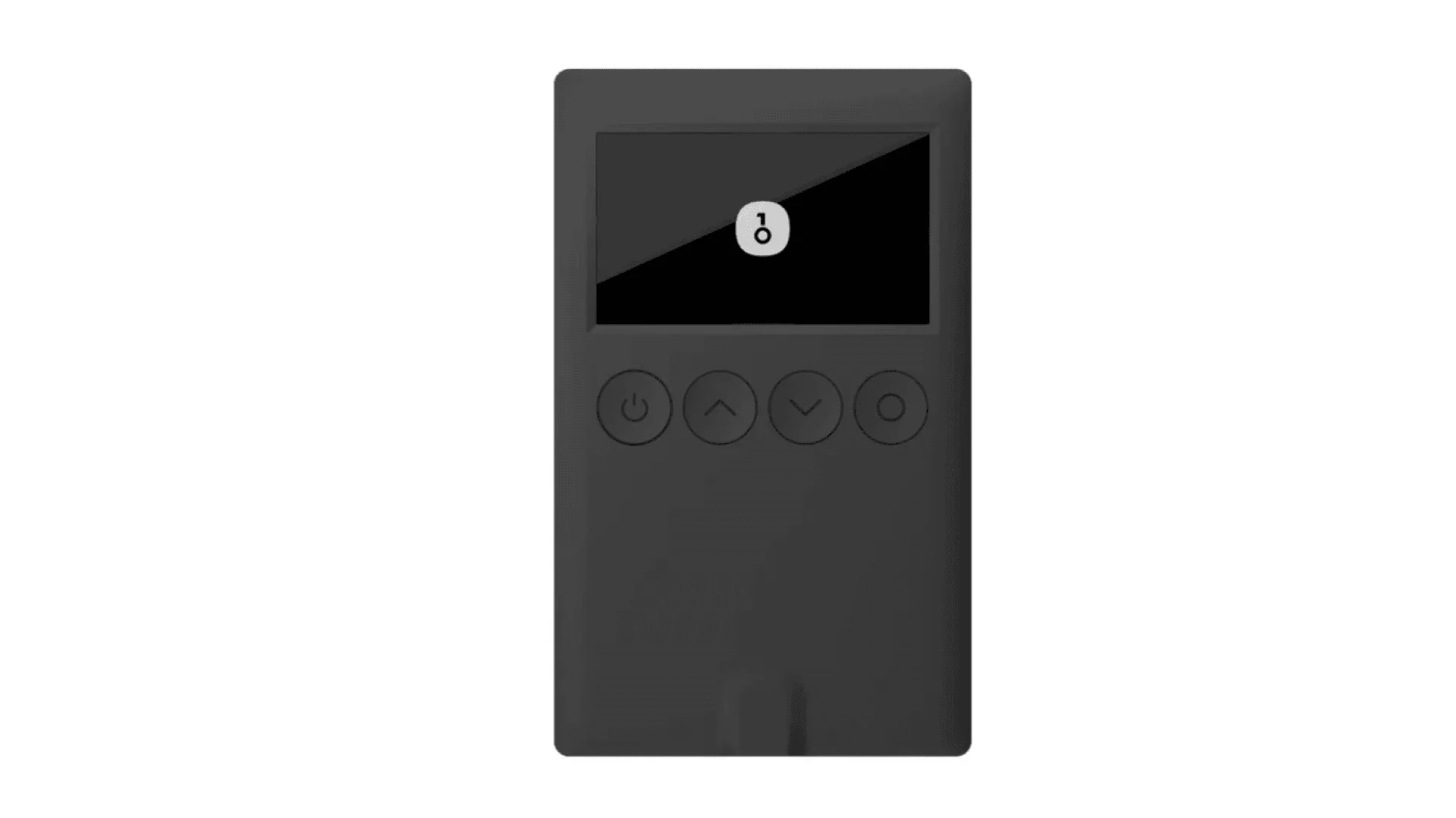 | 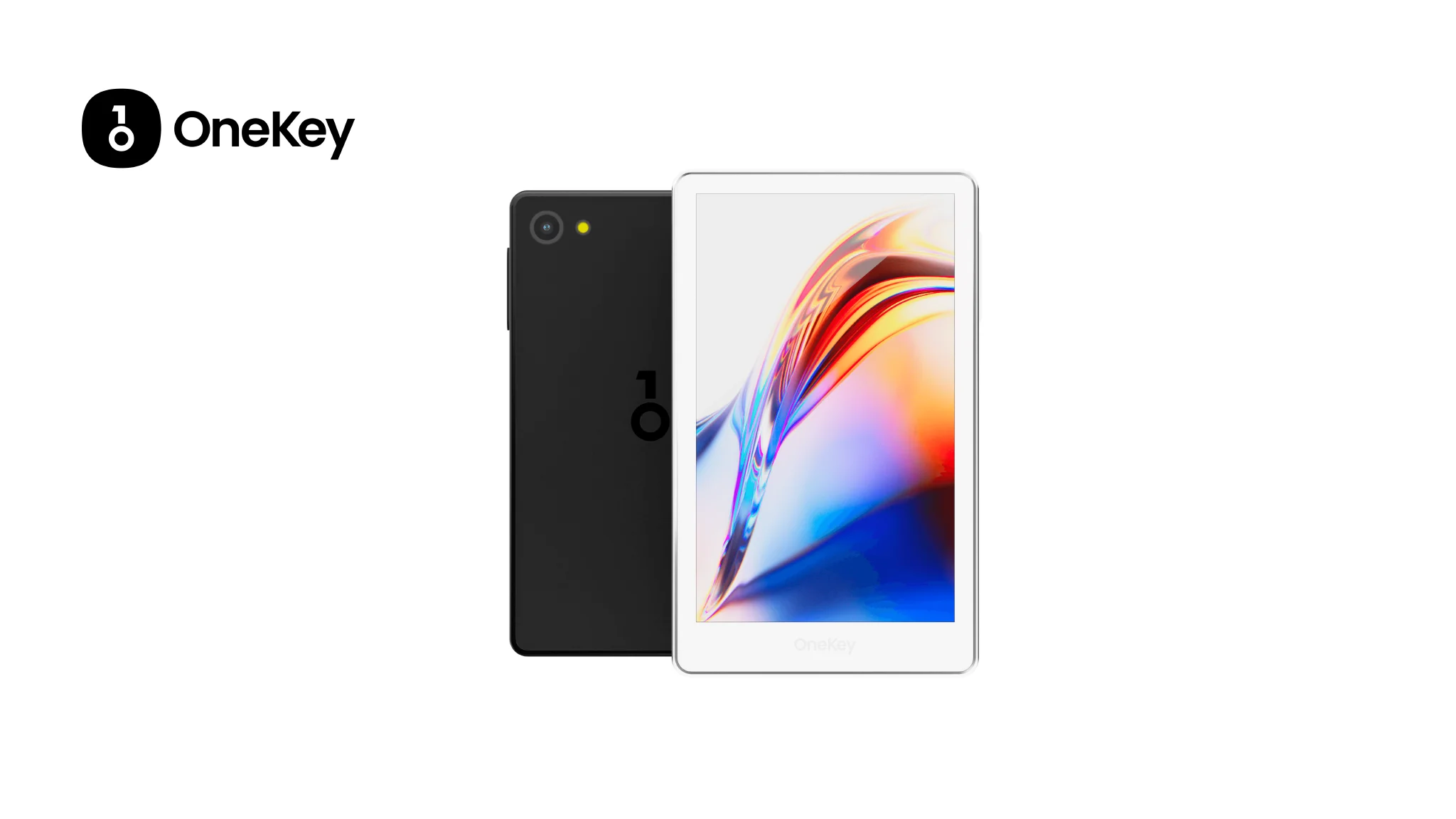 | 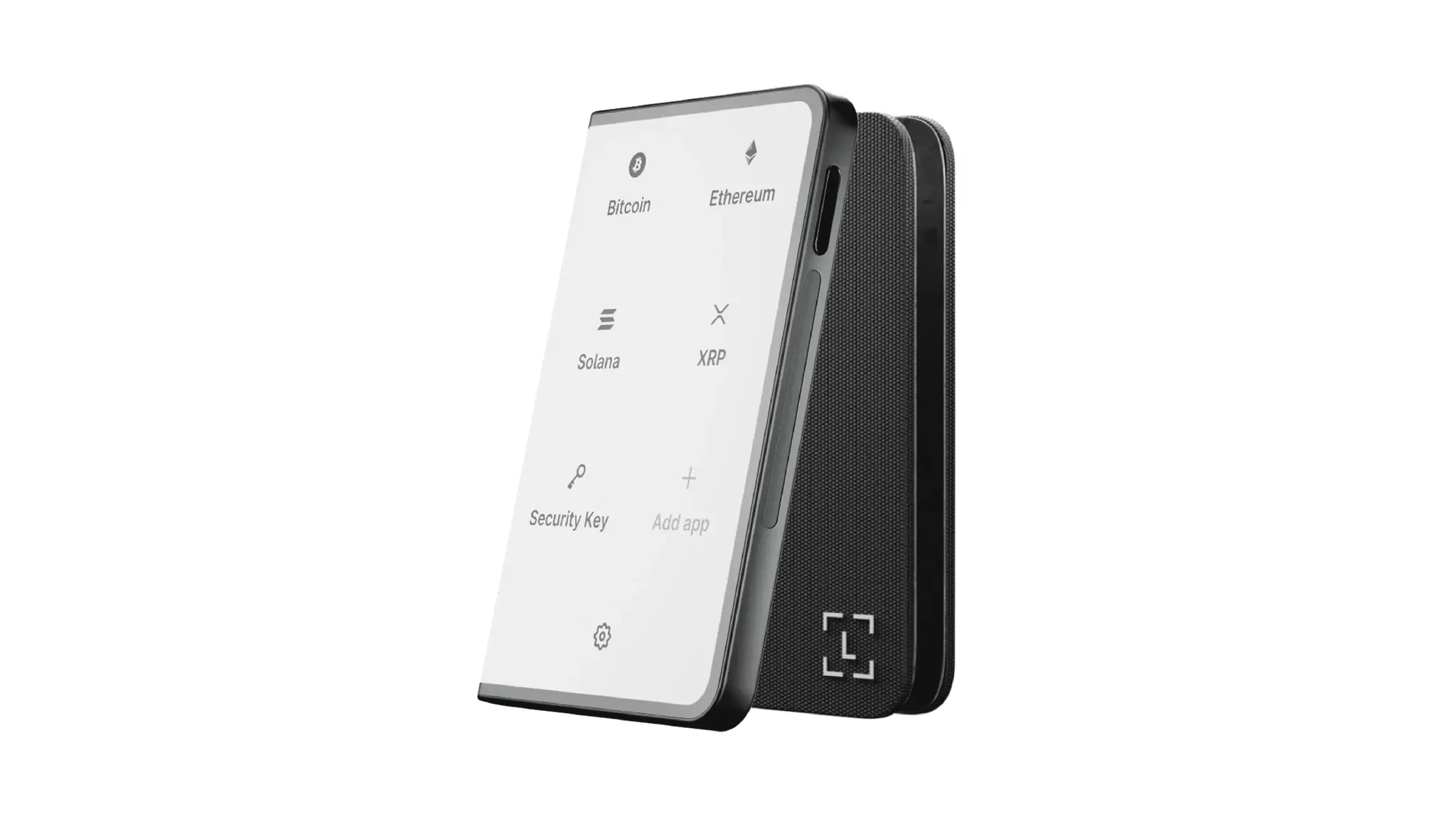 | 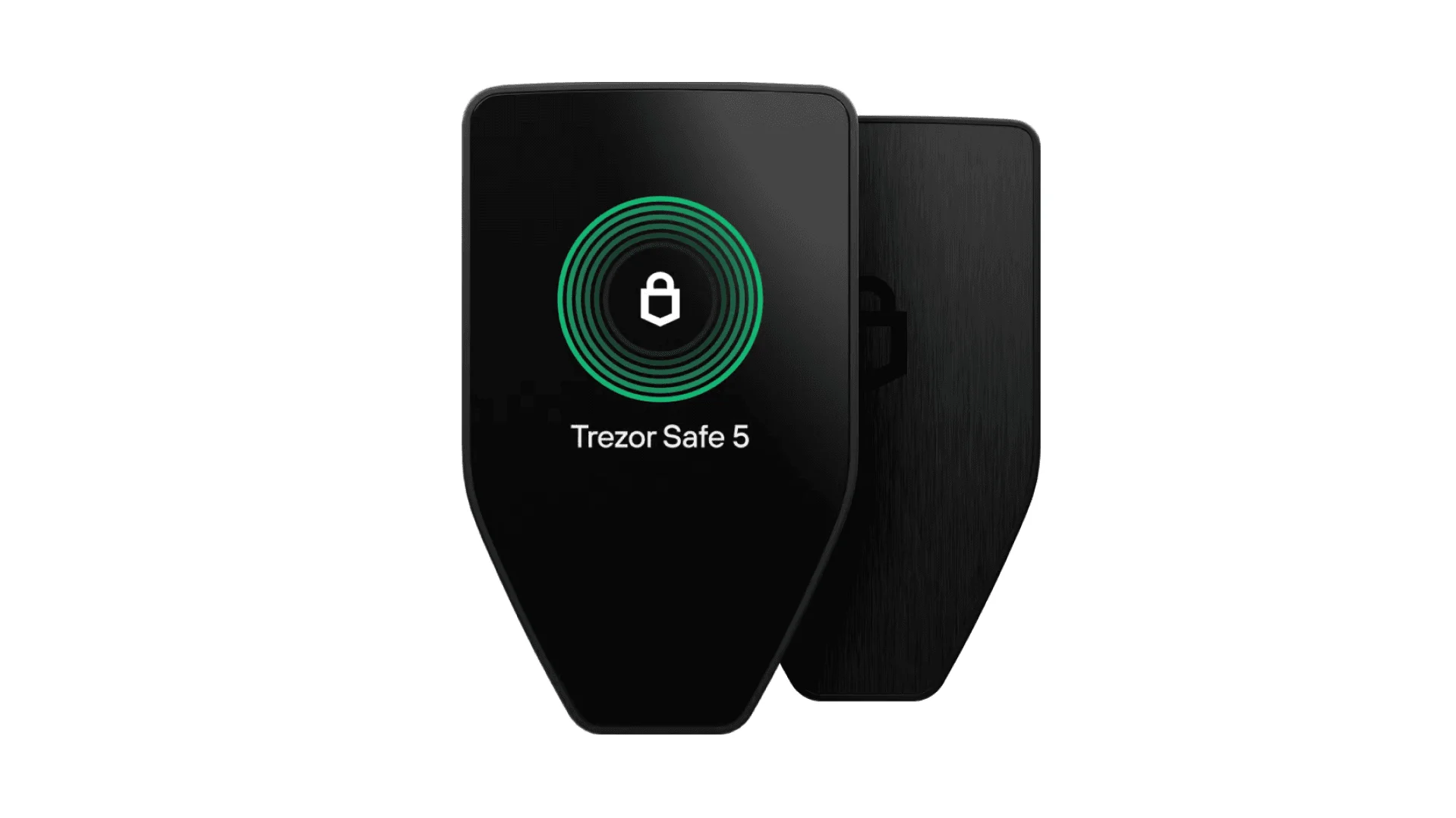 | 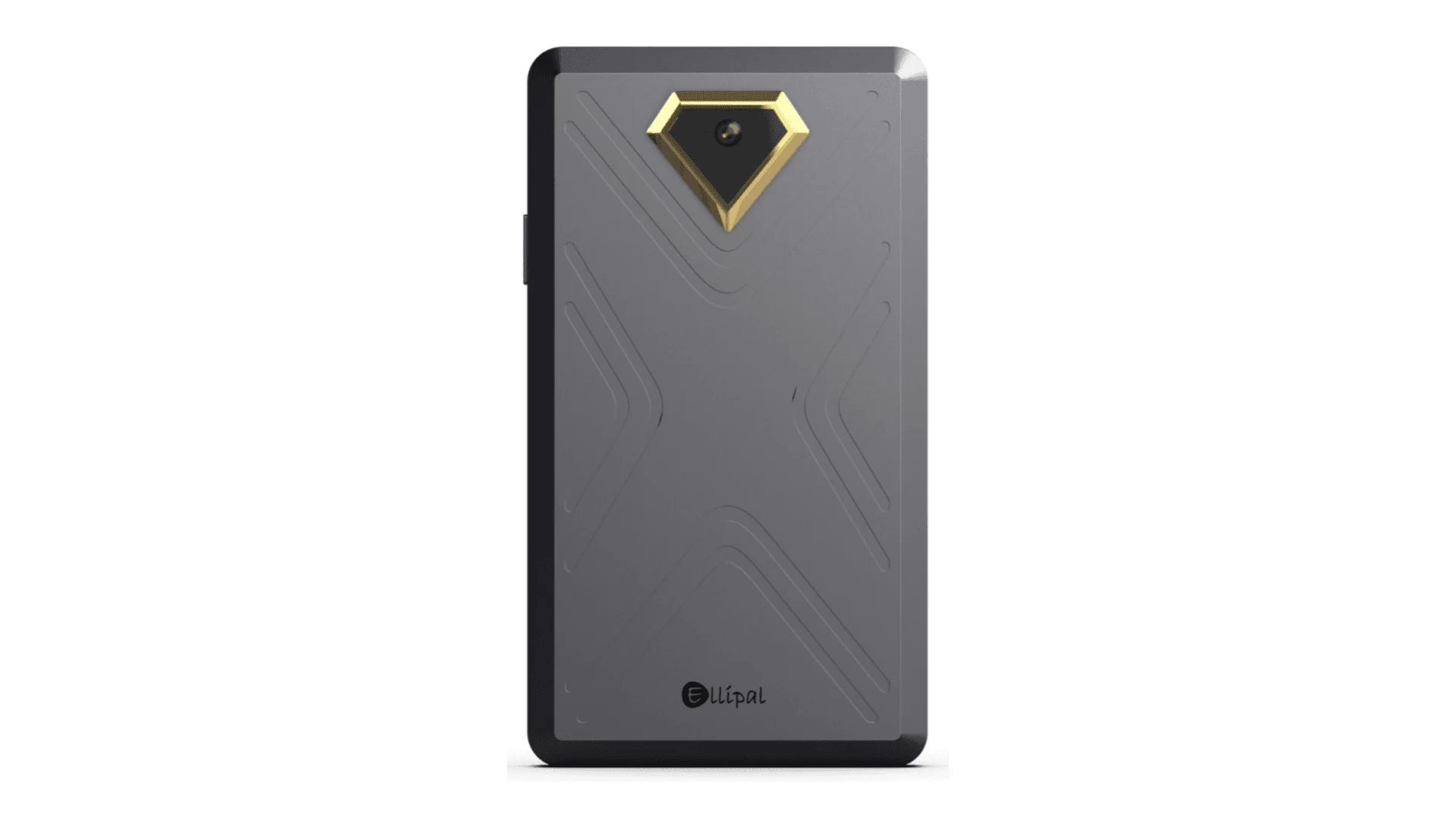 | 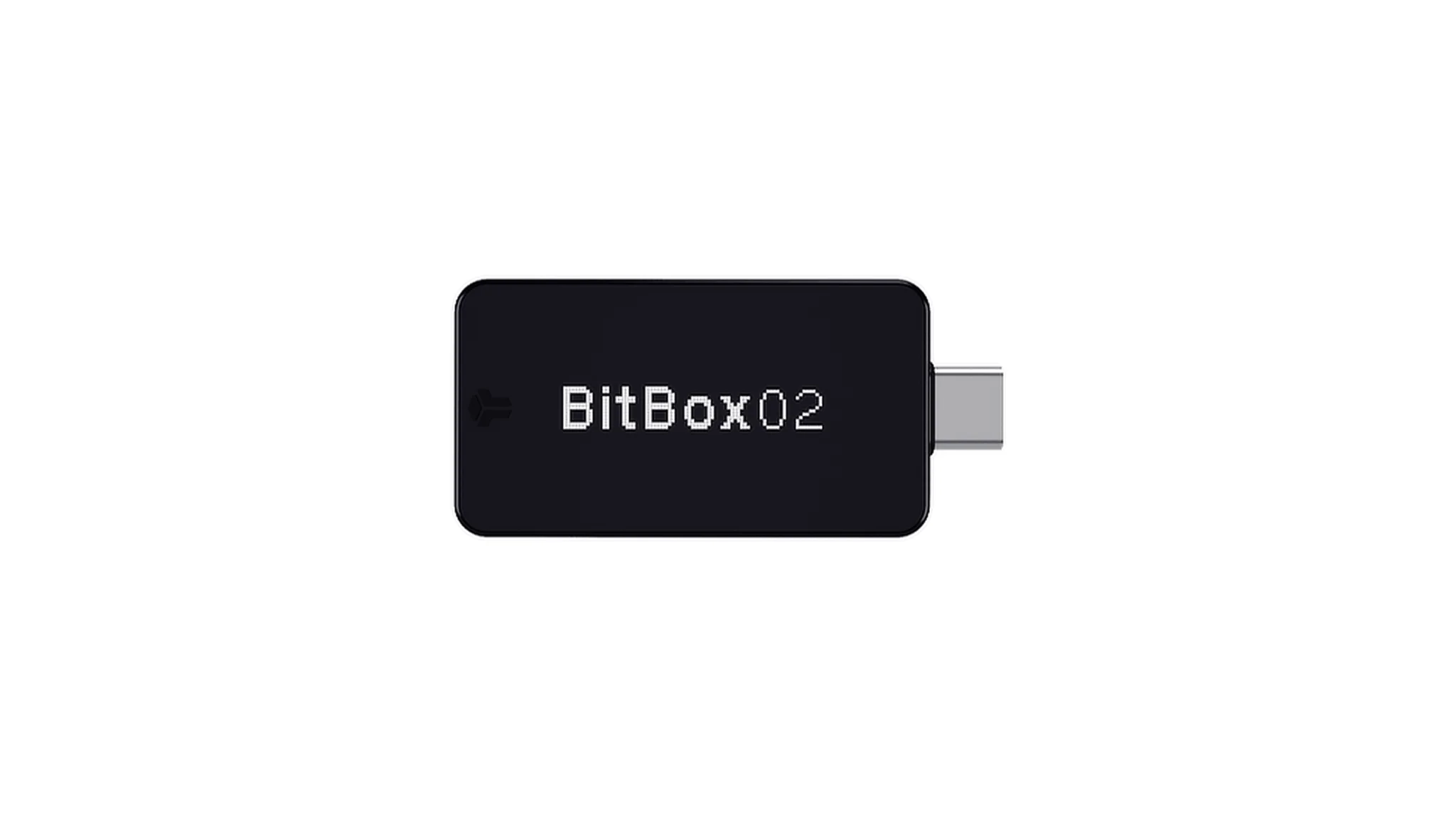 | 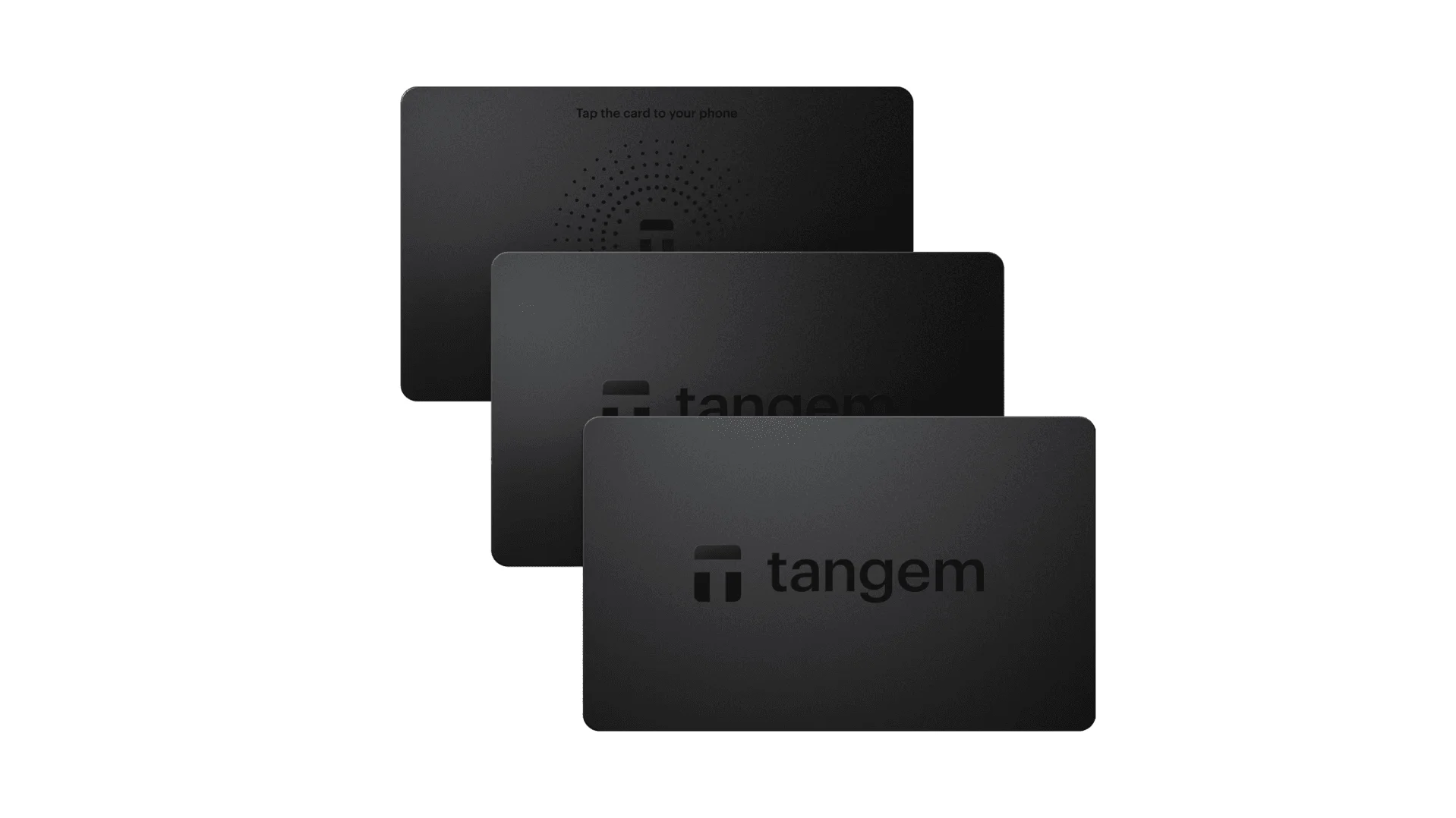 |
| Secure Element | ✅ EAL 6+ secure element | ✅ Four EAL 6+ (bank/passport-grade) secure elements | ✅ EAL6+ secure element | ✅ EAL 6+ secure element | ⚠️ EAL 5+ secure element, closed-source | ⚠️ Dual-chip (incl. ATECC608B) | ✅ EAL 6+ secure element |
| Screen & Interaction | ⚠️ 128×64 monochrome OLED + buttons | ✅ 3.5″ HD color touchscreen + camera scanning + Bluetooth + NFC | ✅ 3.7″ curved E-Ink touchscreen | ✅ 1.54″ color touchscreen (240×240) + haptics | ✅ 4.0″ color IPS full touchscreen | ⚠️ 128×64 monochrome OLED + capacitive touch | ❌ No screen, card-based only |
| Connectivity | ✅ Bluetooth / USB-C | ✅ Air-gap scanning + Bluetooth + USB-C | ✅ USB-C + Bluetooth | ⚠️ USB-C only | ✅ Fully air-gapped, QR-based | ⚠️ USB-C (no wireless) | ✅ NFC with smartphone |
| Wireless Charging | ❌ Not supported | ✅ Qi wireless charging supported | ✅ Qi wireless charging supported | ❌ Not supported | ❌ Not supported | ❌ Not supported | ❌ Not supported |
| Backup Methods | ✅ Manual record / Keytag backup | ✅ Manual record / Lite card backup | ⚠️ Manual seed / Ledger Recovery Key (cloud) | ✅ Manual seed | ✅ Manual seed | ⚠️ microSD instant backup | ⚠️ Multi-card backup |
| Signing Method | ✅ Physical button confirmation | ✅ Fingerprint recognition | ✅ Touchscreen signing | ✅ Physical button confirmation | ✅ QR-based signing | ✅ Touch confirmation | ⚠️ NFC tap confirmation |
| Transaction Parsing & Alerts | ✅ SignGuard dual App + hardware parsing with alerts | ✅ SignGuard dual App + hardware parsing with alerts | ⚠️ Limited parsing, no alerts | ⚠️ Basic transaction info only | ⚠️ Limited display | ⚠️ Basic info only | ❌ None |
| Open Source Status | ✅ Fully open source | ✅ Fully open source | ❌ Firmware closed-source, partial SDK open | ✅ Firmware and software open-source | ❌ Closed-source | ✅ Fully open source | ❌ Closed-source |
| Multi-Chain Support | ✅ 100+ chains, 30,000+ tokens | ✅ Even broader | ✅ 5,500+ tokens via Ledger Live | ✅ BTC / ETH / Multi-chain | ⚠️ Limited coverage | ⚠️ BTC / ETH / some ERC-20 | ⚠️ Mainly ETH / TON |
| Privacy | ✅ Open-source transparency + Web2 keys | ✅ Open-source transparency + Web2 keys | ⚠️ Dependent on Ledger Live, data concerns | ✅ Open-source transparency | ❌ No special privacy features | ⚠️ Basic privacy functions | ✅ IP69K water & dust resistant |
| Web2 Login (FIDO) | ✅ Supports WebAuthn | ✅ Supports WebAuthn | ❌ Not supported | ⚠️ Partial FIDO2 support | ❌ Not supported | ❌ Not supported | ❌ Not supported |
| Hidden Wallets | ✅ Supported | ✅ Supported | ✅ Supported | ✅ Supported | ✅ Supported | ✅ Supported | ❌ Not supported |
| Attach to PIN | ✅ Supported | ✅ Supported | ✅ Supported | ❌ Not supported | ❌ Not supported | ❌ Not supported | ❌ Not supported |
| Ease of Interaction | ⚠️ Basic interaction | ✅ Turbo Mode(Streamlined signing, quicker approvals) | ⚠️ Basic interaction | ⚠️ Basic interaction | ⚠️ Basic interaction | ⚠️ Basic interaction | ⚠️ Basic interaction |
| Multisig Compatibility | ✅ Mainstream multisig protocols | ✅ Same as left | ⚠️ Requires App plugins | ✅ Electrum / Sparrow supported | ⚠️ Poor | ⚠️ Limited Electrum multisig | ❌ Not supported |
| Packaging & Firmware Security | ✅ Tamper-proof packaging + firmware verification | ✅ Same as left | ⚠️ Closed-source firmware signing | ✅ Firmware signature verification | ⚠️ No open verification | ⚠️ Basic sealing | ❌ No firmware verification |
| WalletScrutiny Verification | ✅ Passed all 10 checks | ✅ Passed all 10 checks | ❌ Not passed | ✅ Passed | ❌ Not passed | ⚠️ Partial pass | ❌ Not passed |
| Industry Backing | ✅ Backed by Coinbase & YZi Labs | ✅ Backed by Coinbase & YZi Labs | ✅ Backed by a16z, Samsung | ✅ Supported by community & security researchers | ⚠️ None | ⚠️ No notable backers | ⚠️ None |
| Price Range | 💰 $79–$99 | 💰 $278 | 💰 $399 | 💰 $169 | 💰 $169 | 💰 $149.99 | 💰 $60–$90 (3-pack) |
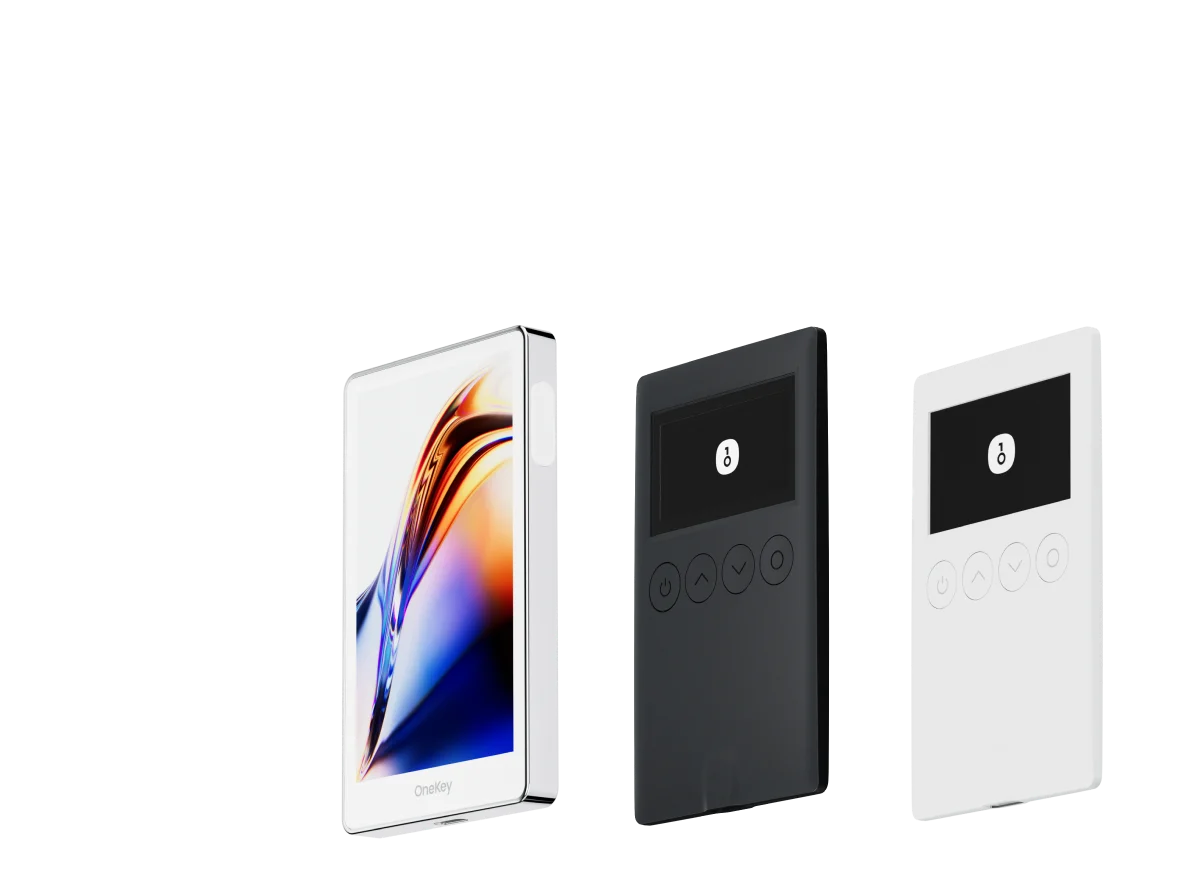
The verdict is clear. The OneKey Pro and OneKey Classic 1S are architected for the security challenges of 2026.
Their commitment to being fully open-source is a cornerstone of trust. Unlike competitors with closed-source firmware (Ledger, Ellipal, Tangem), OneKey's hardware and software are open for public inspection, a fact verified by their perfect score on the independent audit site WalletScrutiny.
The security hardware itself is top-tier, leveraging EAL 6+ secure elements—a bank and passport-grade certification that surpasses the EAL 5+ chip used in devices like the Ellipal Titan. The OneKey Pro takes this even further with a multi-chip architecture for defense-in-depth.
But the true differentiator is the user experience powered by security. The OneKey Pro’s large, 3.5" HD touchscreen is not for aesthetics; it's a critical security feature. It provides ample space for the SignGuard system to display full, unabbreviated transaction details, contract addresses, and the specific functions you are being asked to approve. This eliminates guesswork and blind trust. Competitors with smaller screens simply cannot provide this level of clarity. The Tangem wallet, with no screen at all, represents a complete regression in signing security, forcing 100% trust onto the connected phone.
The OneKey Ecosystem: The Unified and Definitive Choice for CHIP
Choosing a wallet for the CHIP chain in 2026 isn't about picking a single product. It's about adopting a system. This is where OneKey's integrated ecosystem provides an advantage no competitor can match.
The OneKey App and OneKey hardware wallets are not separate products that happen to work together; they are two halves of a whole, designed from the ground up to provide a seamless and secure user journey.
The synergy of SignGuard is the perfect example. When you initiate a complex DeFi transaction on the CHIP network:
- The OneKey App provides the first layer of defense, parsing the transaction, running it against phishing databases, and presenting a human-readable summary.
- The OneKey Hardware Wallet (Pro or Classic) provides the final, non-negotiable verification. It independently re-parses the transaction data on its secure chip and displays the verified details on its trusted screen. You physically confirm on a device that has never touched the internet.
This dual-verification process, powered by a fully open-source stack and backed by industry leaders like Coinbase and YZi Labs, is the most robust defense against the evolving threats in the crypto space. It transforms the act of signing from a leap of faith into a moment of informed confidence.
As you navigate the exciting and complex world of the CHIP network, don't compromise on security or usability. The threats are real, but the solutions are available. An ecosystem that prioritizes transparency, clear signing, and user experience is the only way to truly secure your digital assets for the future.
Don't leave your CHIP assets vulnerable to the risks of blind signing and opaque systems. It's time to upgrade to a wallet built for the modern crypto user.
Explore the future of secure self-custody. Visit the official OneKey website at onekey.so to discover the full range of products and take definitive control of your crypto journey.