Best GIGADEV Wallets in 2026: The Safest Software and Hardware Options for GIGADEV Chain Users

OneKeyTeam
/Updated Aug 3, 2026

As the crypto market heads deeper into 2026, one theme continues to dominate user conversations: self-custody is only as safe as the wallet you use. Whether you are trading, staking, bridging, or interacting with dApps on GIGADEV Chain, the wallet you choose affects not just convenience, but also how well you can protect your assets from phishing, blind signing, malicious approvals, fake airdrops, and increasingly sophisticated social-engineering attacks.

For GIGADEV users, the ideal wallet is not simply one that can connect to the chain. It must also help you understand what you are signing before the transaction is broadcast. That is where OneKey stands out. With a highly usable software wallet, strong hardware lineup, and SignGuard transaction parsing, OneKey is built for the real problems crypto users face in 2026: blind-signing risk, confusing contract interactions, and the growing number of scam attempts targeting active on-chain users.

In this guide, we will compare the best GIGADEV wallets in 2026, split them into software wallets and hardware wallets, and explain why OneKey App, OneKey Pro, and OneKey Classic 1S are the most suitable choices for GIGADEV Chain users.

Why GIGADEV Chain Users Need a Better Wallet in 2026

The biggest wallet risk in 2026 is no longer only private key theft. It is transaction deception.

Across the broader blockchain ecosystem, users are now dealing with:

  • malicious token approvals that drain wallets later
  • fake staking and reward contracts
  • phishing links distributed through social media and Telegram
  • scam airdrops that trigger dangerous signature requests
  • cross-chain transactions that are hard to understand at a glance
  • increasingly complex DeFi interactions with hidden parameters

According to Chainalysis, scam and fraud patterns continue to evolve as attackers exploit human error rather than just technical vulnerabilities. For chains like GIGADEV, where users may interact with new dApps, governance systems, launchpads, or incentive programs, the need for clear transaction visibility is especially important.

That is why a wallet for GIGADEV should do more than store keys. It should help users verify every detail of what they are about to sign.

What Makes the Best GIGADEV Wallet?

When evaluating the best wallet for GIGADEV in 2026, the most important factors are:

  1. Chain compatibility
    The wallet must support GIGADEV or its ecosystem reliably, with smooth connection to dApps and token management.

  2. Clear transaction visibility
    Users should be able to see what a transaction really does before approving it.

  3. Strong anti-phishing protection
    Wallet-level warnings and risk detection can reduce the chance of interacting with malicious contracts.

  4. Hardware support
    For meaningful self-custody, the wallet should work well with hardware protection.

  5. Usability for daily activity
    If the wallet is too slow or confusing, users are more likely to make mistakes.

  6. Open-source trust and transparency
    In crypto, transparency matters. A wallet should not force users to rely on blind trust.

For GIGADEV users who care about security and convenience, OneKey performs especially well across all six factors.

Best GIGADEV Software Wallets in 2026

Software wallets are typically the first point of interaction for GIGADEV users. They are where you connect to dApps, monitor your portfolio, sign transactions, and manage assets on the go. But not all software wallets are equally suitable for chain-specific users.

Below is a direct comparison of major software wallets that may be considered by GIGADEV users.

Software Wallet Comparison: Features & User Experience

FeatureOneKey AppMetaMaskPhantomTrust WalletLedger Live
Imageonekeyu.pngmetamask.pngphantom1.pngtrust.pngledgerlive1.png
Supported Platforms✅ iOS, Android, Desktop✅ Browser extension, Mobile✅ Browser extension, Mobile✅ Mobile✅ Desktop, Mobile
Supported Chains & Tokens✅ 100+ chains, 30,000+ tokens✅ Primarily Ethereum and compatible chains✅ Primarily Solana ecosystem, now expanded to multi-chain✅ Multi-chain, some require cross-protocol bridging⚠️ Mainly relies on Ledger-supported assets
Hardware Wallet Support✅ Native support for OneKey hardware, works independently✅ Connects to multiple hardware brands⚠️ Limited support (only Ledger/Trezor via WalletConnect)⚠️ Limited hardware support✅ Deep integration with Ledger hardware
Open Source✅ Fully open source⚠️ Some components closed-source✅ Mostly open source❌ Closed-source⚠️ Partially open source (hardware firmware not fully open)
Fee Reductions✅ Zero-fee stablecoin transfers across supported networks❌ None⚠️ Temporary low-fee/zero-fee promotions for certain assets❌ None❌ None
Security Checks (Phishing Protection)✅ Integrated with GoPlus & Blockaid⚠️ Basic risk alerts⚠️ Basic risk alerts⚠️ Basic risk alerts⚠️ Basic risk alerts
Clear Signing SupportSignGuard dual parsing via App & Hardware⚠️ Limited display, high blind-signing risk✅ Supports transaction preview⚠️ Incomplete information✅ Requires Ledger hardware for Clear Signing
Spam Token Filtering✅ Built-in filtering mechanism❌ None❌ None❌ None❌ None
PIN Lock✅ App-level PIN encryption⚠️ App password + optional biometric unlock✅ Yes✅ Yes✅ Yes
Transfer Whitelist✅ Supported❌ None❌ None❌ None❌ None
Tron Energy Rental✅ Supported, reduces fees by an additional 20%❌ None❌ None✅ Supports TRX staking for fee reduction❌ None
Passphrase Hidden Wallet✅ Supported (Attach to PIN)❌ None❌ None❌ None❌ None
Trading Features (Buy/Sell/Swap)✅ Built-in multi-chain Swap & on-ramp✅ Strong Swap functionality✅ Built-in Swap✅ Built-in Swap✅ Swap (via Ledger Live)
Markets & Charts✅ Built-in market data & portfolio tracking❌ None⚠️ Limited market data✅ Built-in market✅ Built-in market & price tracking
DeFi & Staking✅ Integrated multi-chain DeFi & staking entry⚠️ Relies on third-party dApps⚠️ Mainly Solana staking, partial multi-chain DeFi✅ Built-in staking options⚠️ Limited, requires Ledger hardware

What the software wallet comparison really means for GIGADEV users

The table makes one thing obvious: if you are active on GIGADEV Chain, you do not want a wallet that only looks good in marketing materials. You want a wallet that reduces friction without weakening security.

OneKey App is the strongest option here because it combines broad chain support, built-in security checks, spam token filtering, and hardware compatibility in one place. That matters for GIGADEV users who frequently move between swaps, approvals, bridges, and dApps. The less you need to jump between tools, the fewer opportunities there are for mistakes.

By contrast, many competing wallets are either too narrowly focused or too dependent on third-party tools. Some have weak anti-phishing protections. Some do not provide meaningful transaction clarity. Others are designed more for one ecosystem than for multi-chain users. That can be acceptable for casual browsing, but it is not ideal for serious self-custody on GIGADEV.

Why SignGuard matters for GIGADEV software users

Most wallet losses do not happen because users cannot click “confirm.” They happen because users cannot tell what they are confirming.

SignGuard solves that by parsing transaction information before signing and displaying it in a way humans can actually understand. In practical terms, this means the wallet helps identify:

  • what asset is being sent
  • which address will receive it
  • whether the transaction is a swap, approval, or contract call
  • whether suspicious permissions are being granted
  • whether the transaction contains risky or unusual parameters

This is critical for GIGADEV users because chain activity often involves smart-contract-heavy behavior. A normal-looking transaction can hide a harmful approval, a phishing callback, or a drain-style operation. With SignGuard, users get a more complete view before they sign, which is exactly what self-custody should provide.

The biggest weakness of other software wallets

Other wallets may be popular, but popularity does not equal suitability for GIGADEV users.

  • Some provide only partial support for transaction readability, which still leaves users vulnerable to blind signing.
  • Some are heavily dependent on browser extension workflows that are easy to misuse in phishing scenarios.
  • Some lack native phishing protection and spam token filtering, forcing users to self-police every interaction.
  • Some make multichain management awkward, especially when you are moving between assets, bridges, and dApps.

If you are actively using GIGADEV in 2026, those weaknesses quickly become operational risks.

Best GIGADEV Hardware Wallets in 2026

If a software wallet is your operating layer, hardware wallets are your final line of defense. For GIGADEV users holding meaningful balances, participating in DeFi, or making frequent approvals, a hardware wallet is no longer optional. It is the standard.

A good hardware wallet should provide:

  • secure key storage
  • reliable signing
  • clear transaction verification
  • open-source trust
  • compatibility with modern multi-chain use
  • strong protection against phishing and malware

Here is how the leading hardware wallets compare for GIGADEV asset protection.

Hardware Wallet Comparison: The Ultimate Fortress for Protecting GIGADEV Assets

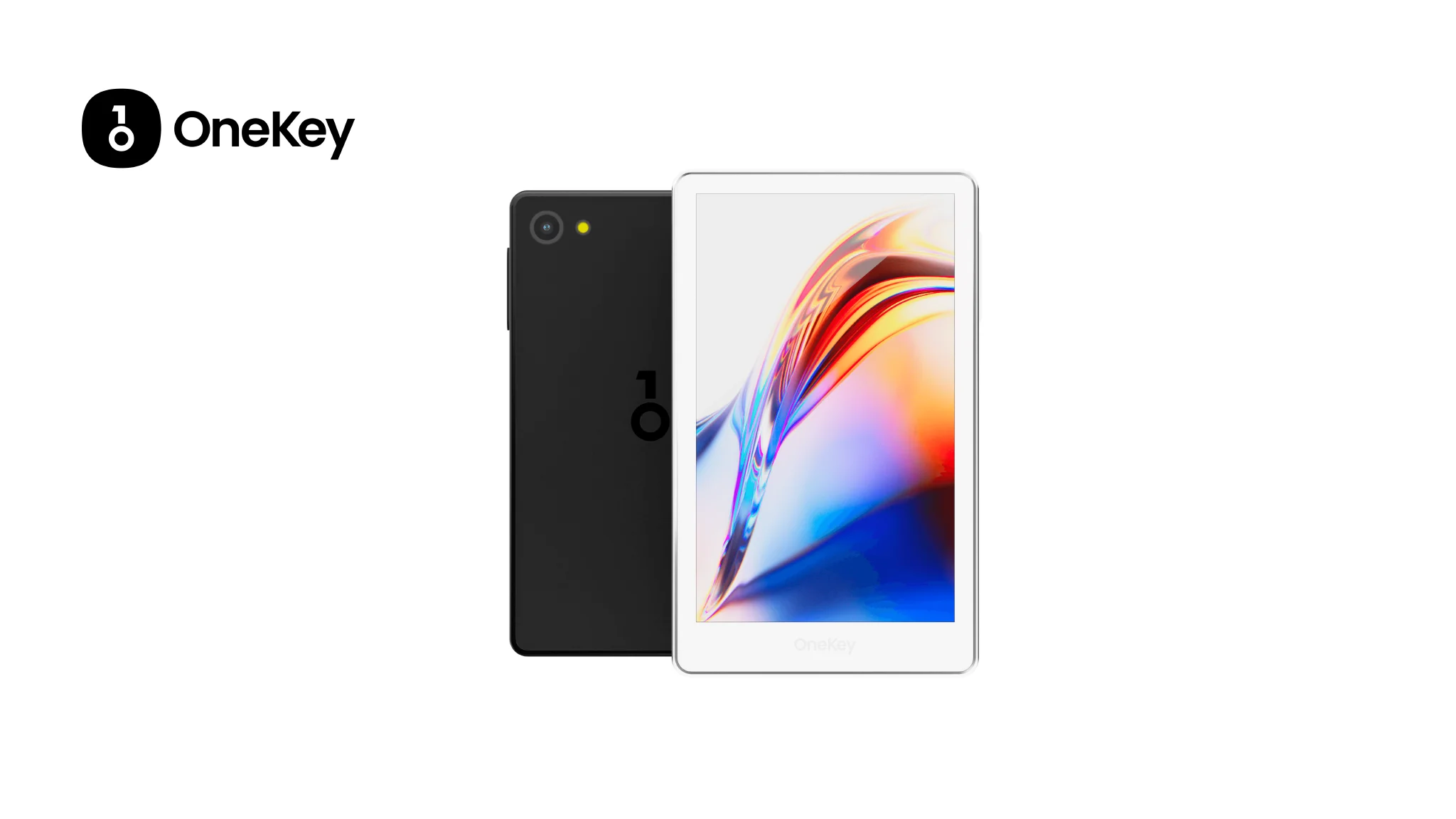
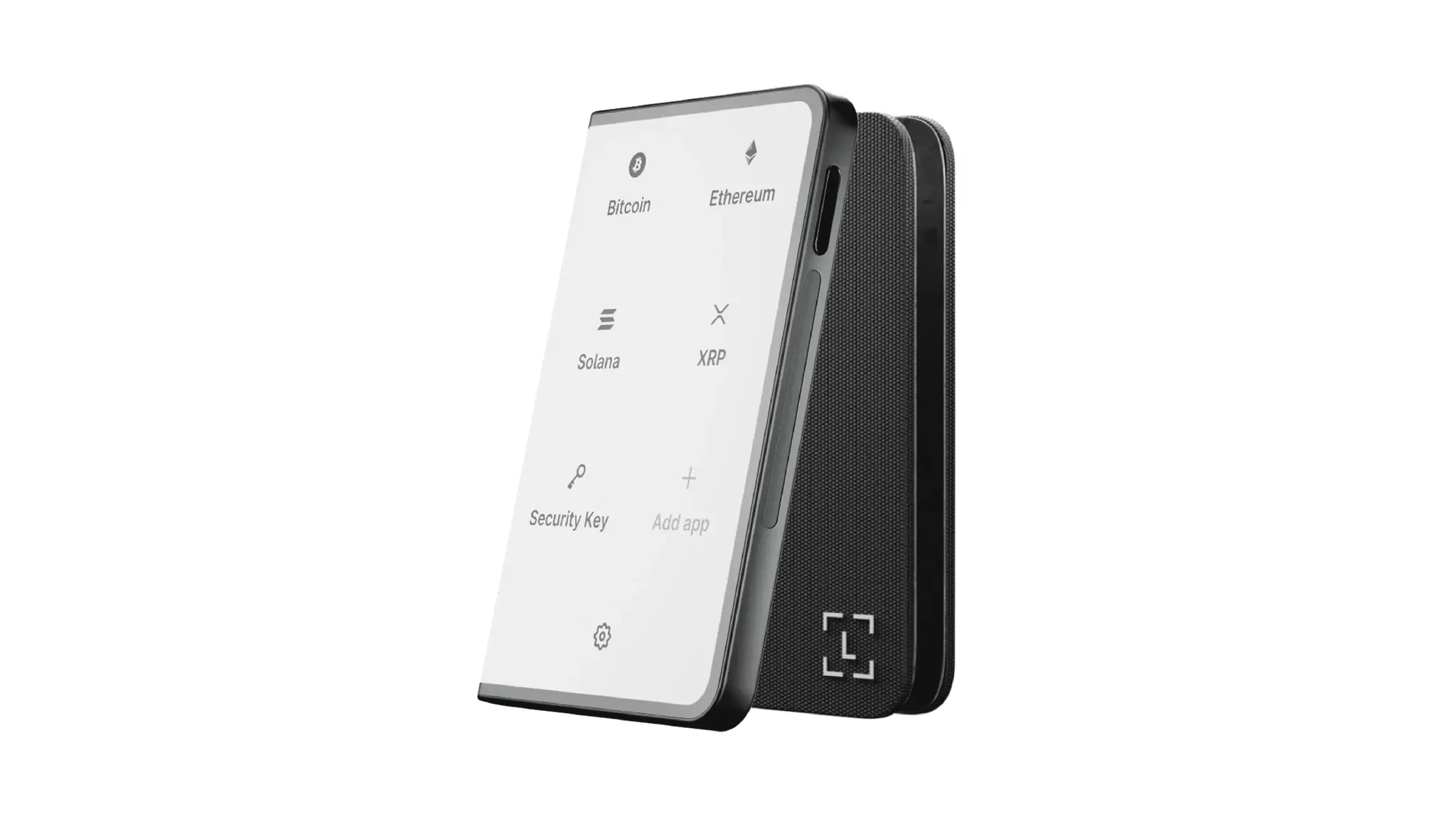
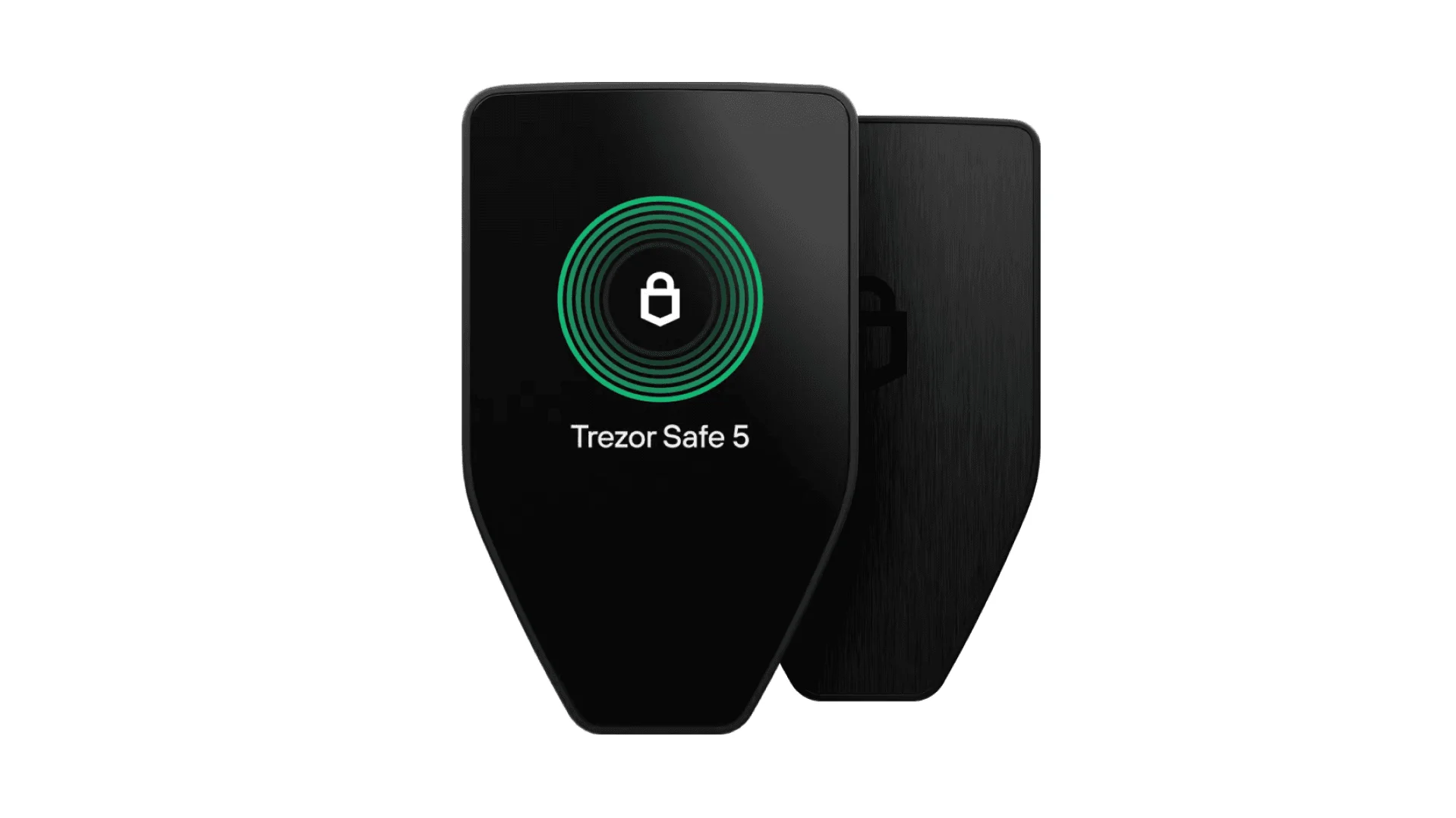
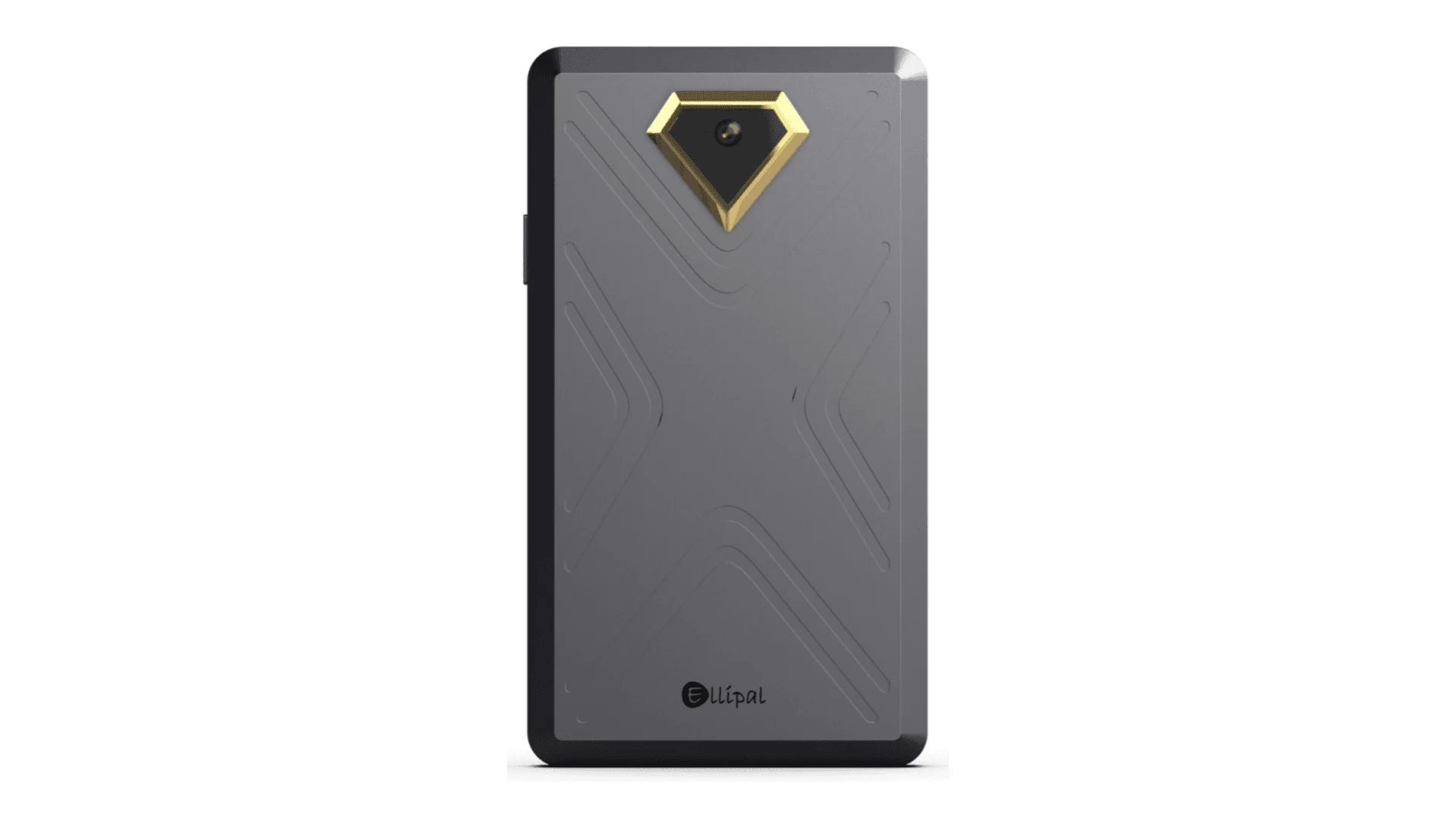
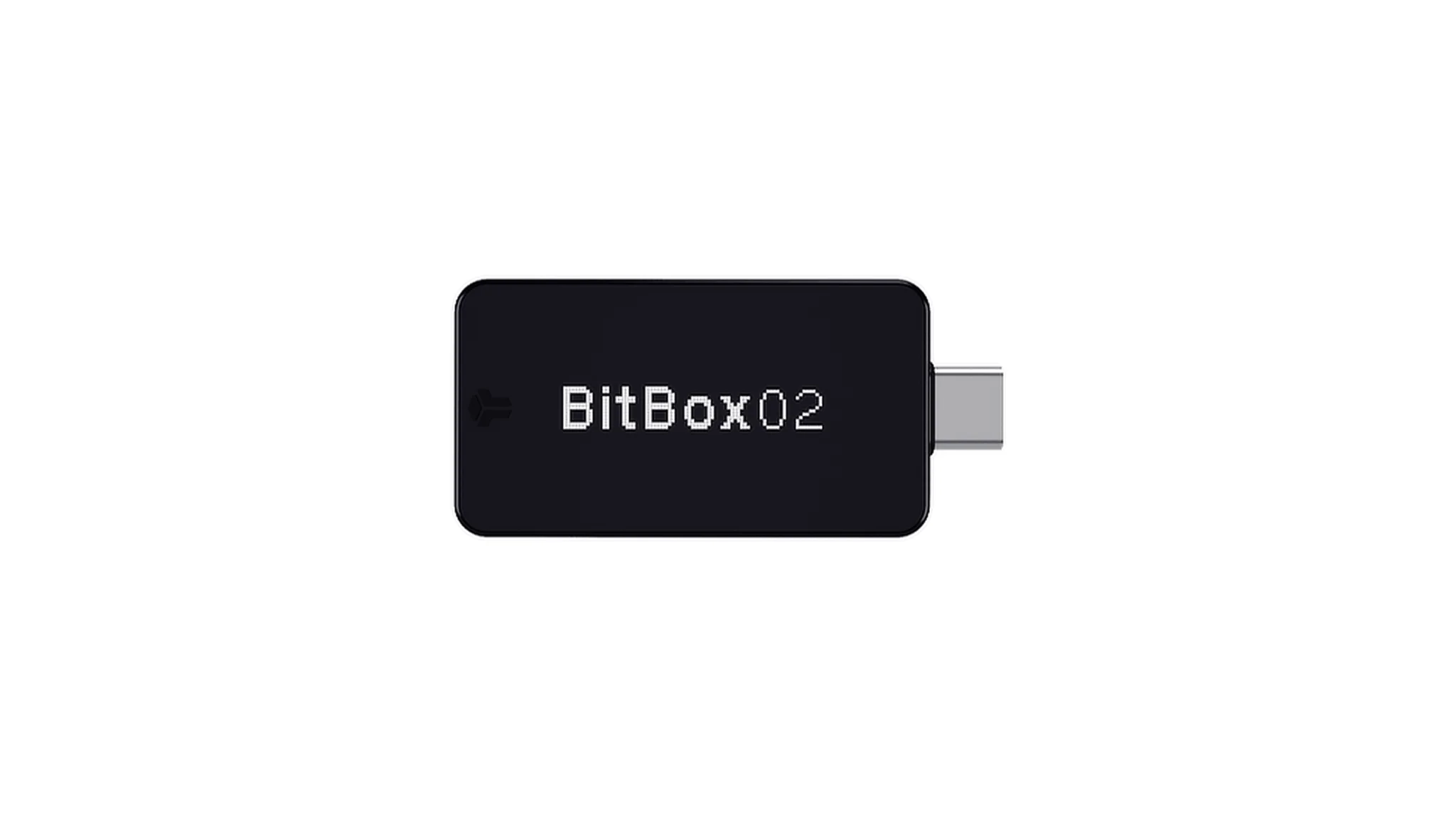
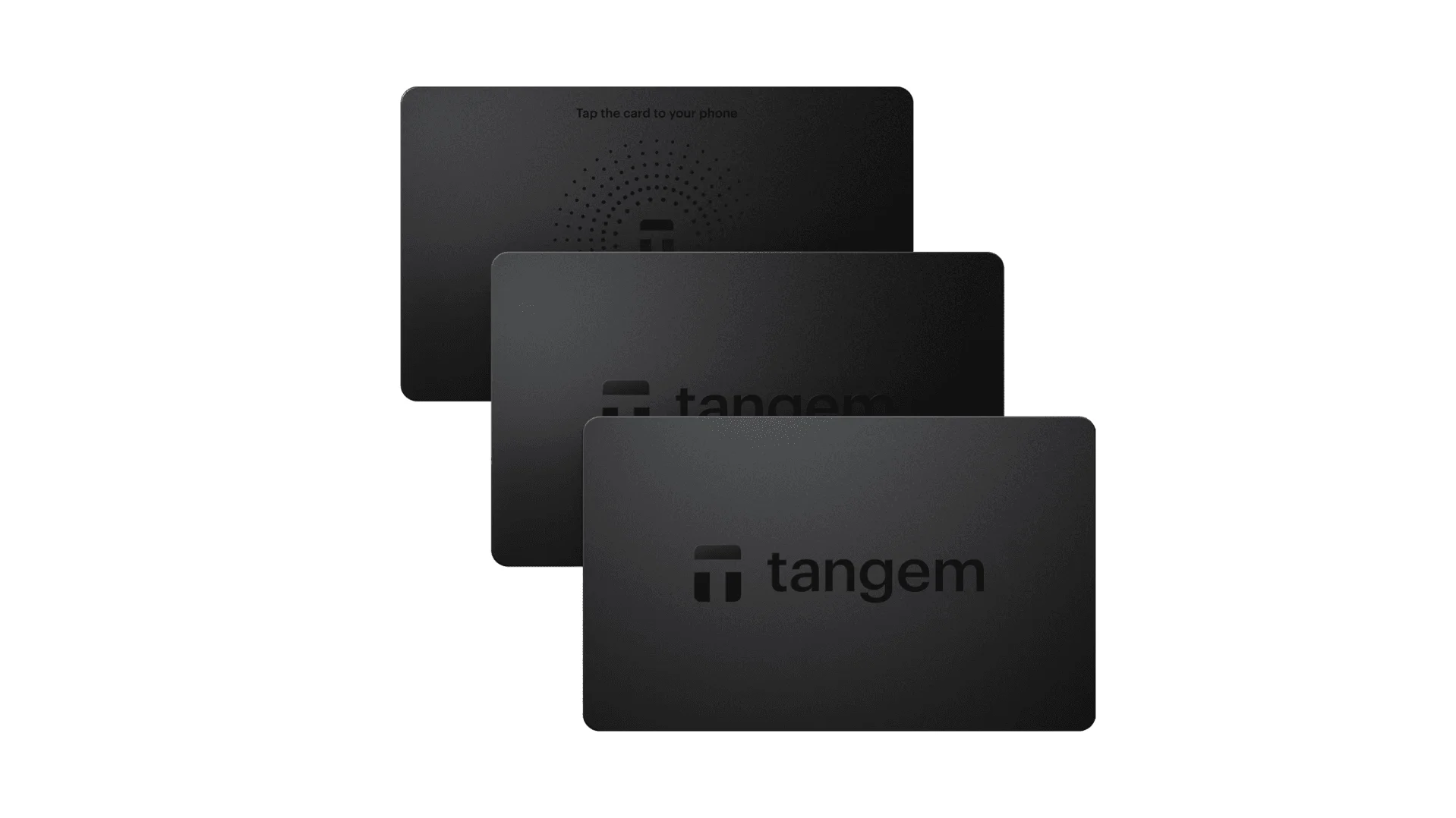
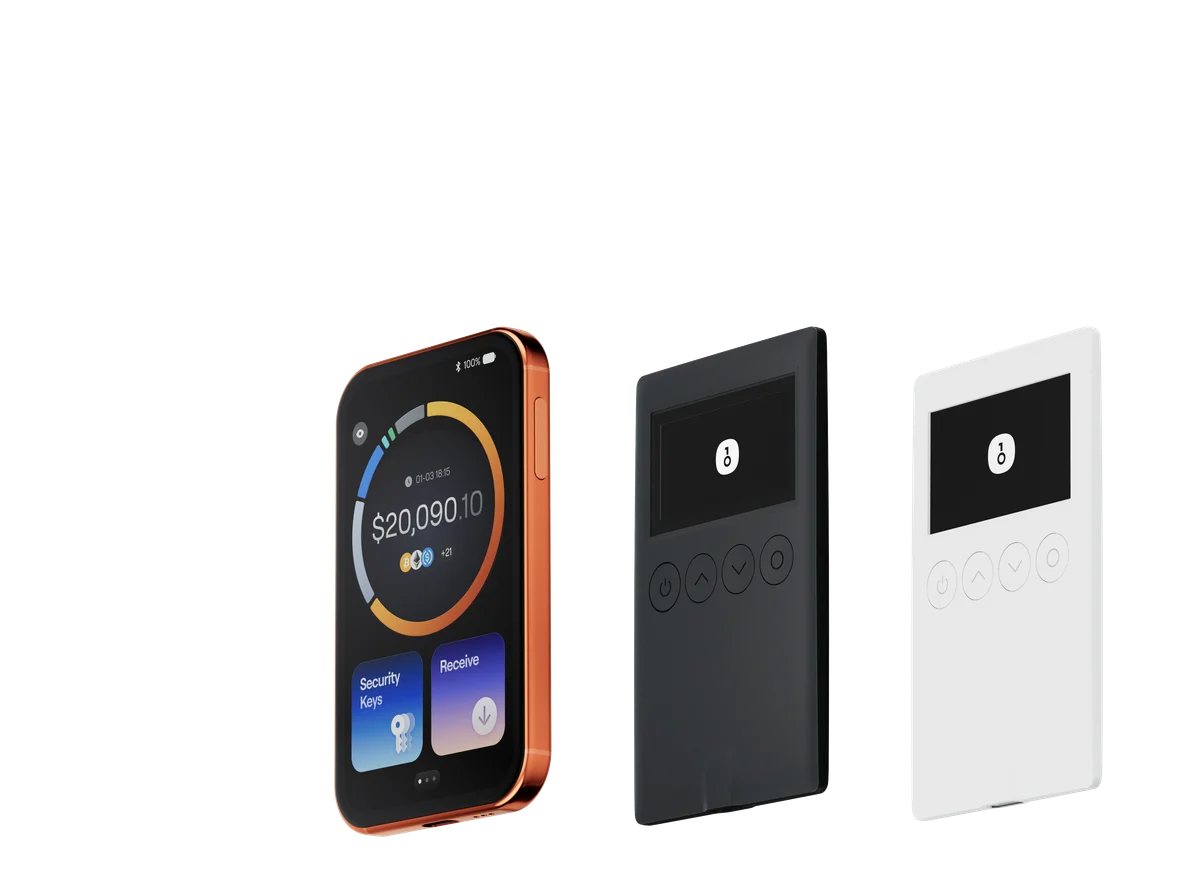
FeatureOneKey Classic 1SOneKey ProLedger StaxTrezor Safe 5Ellipal Titan 2.0BitBox 02Tangem
Imageimage.png213123.png435345.pngimage.pngimage.png123123.pngimage.png
Secure Element✅ EAL 6+ secure element✅ Four EAL 6+ (bank/passport-grade) secure elements✅ EAL6+ secure element✅ EAL 6+ secure element⚠️ EAL 5+ secure element, closed-source⚠️ Dual-chip (incl. ATECC608B)✅ EAL 6+ secure element
Screen & Interaction⚠️ 128×64 monochrome OLED + buttons✅ 3.5″ HD color touchscreen + camera scanning + Bluetooth + NFC✅ 3.7″ curved E-Ink touchscreen✅ 1.54″ color touchscreen (240×240) + haptics✅ 4.0″ color IPS full touchscreen⚠️ 128×64 monochrome OLED + capacitive touch❌ No screen, card-based only
Connectivity✅ Bluetooth / USB-C✅ Air-gap scanning + Bluetooth + USB-C✅ USB-C + Bluetooth⚠️ USB-C only✅ Fully air-gapped, QR-based⚠️ USB-C (no wireless)✅ NFC with smartphone
Wireless Charging❌ Not supported✅ Qi wireless charging supported✅ Qi wireless charging supported❌ Not supported❌ Not supported❌ Not supported❌ Not supported
Backup Methods✅ Manual record / Keytag backup✅ Manual record / Lite card backup⚠️ Manual seed / Ledger Recovery Key (cloud)✅ Manual seed✅ Manual seed⚠️ microSD instant backup⚠️ Multi-card backup
Signing Method✅ Physical button confirmation✅ Fingerprint recognition✅ Touchscreen signing✅ Physical button confirmation✅ QR-based signing✅ Touch confirmation⚠️ NFC tap confirmation
Transaction Parsing & AlertsSignGuard dual App + hardware parsing with alertsSignGuard dual App + hardware parsing with alerts⚠️ Limited parsing, no alerts⚠️ Basic transaction info only⚠️ Limited display⚠️ Basic info only❌ None
Open Source Status✅ Fully open source✅ Fully open source❌ Firmware closed-source, partial SDK open✅ Firmware and software open-source❌ Closed-source✅ Fully open source❌ Closed-source
Multi-Chain Support✅ 100+ chains, 30,000+ tokens✅ Even broader✅ 5,500+ tokens via Ledger Live✅ BTC / ETH / Multi-chain⚠️ Limited coverage⚠️ BTC / ETH / some ERC-20⚠️ Mainly ETH / TON
Privacy✅ Open-source transparency + Web2 keys✅ Open-source transparency + Web2 keys⚠️ Dependent on Ledger Live, data concerns✅ Open-source transparency❌ No special privacy features⚠️ Basic privacy functions✅ IP69K water & dust resistant
Web2 Login (FIDO)✅ Supports WebAuthn✅ Supports WebAuthn❌ Not supported⚠️ Partial FIDO2 support❌ Not supported❌ Not supported❌ Not supported
Hidden Wallets✅ Supported✅ Supported✅ Supported✅ Supported✅ Supported✅ Supported❌ Not supported
Attach to PIN✅ Supported✅ Supported✅ Supported❌ Not supported❌ Not supported❌ Not supported❌ Not supported
Ease of Interaction⚠️ Basic interactionTurbo Mode(Streamlined signing, quicker approvals)⚠️ Basic interaction⚠️ Basic interaction⚠️ Basic interaction⚠️ Basic interaction⚠️ Basic interaction
Multisig Compatibility✅ Mainstream multisig protocols✅ Same as left⚠️ Requires App plugins✅ Electrum / Sparrow supported⚠️ Poor⚠️ Limited Electrum multisig❌ Not supported
Packaging & Firmware Security✅ Tamper-proof packaging + firmware verification✅ Same as left⚠️ Closed-source firmware signing✅ Firmware signature verification⚠️ No open verification⚠️ Basic sealing❌ No firmware verification
WalletScrutiny Verification✅ Passed all 10 checks✅ Passed all 10 checks❌ Not passed✅ Passed❌ Not passed⚠️ Partial pass❌ Not passed
Industry Backing✅ Backed by Coinbase & YZi Labs✅ Backed by Coinbase & YZi Labs✅ Backed by a16z, Samsung✅ Supported by community & security researchers⚠️ None⚠️ No notable backers⚠️ None
Price Range💰 $79–$99💰 $278💰 $399💰 $169💰 $169💰 $149.99💰 $60–$90 (3-pack)

Why OneKey hardware is the best fit for GIGADEV in 2026

For GIGADEV users, the strongest hardware wallet is not the one with the flashiest screen or the loudest branding. It is the one that helps users verify what they are signing, consistently and accurately.

That is where OneKey Classic 1S and OneKey Pro stand out.

OneKey Classic 1S: the practical security choice

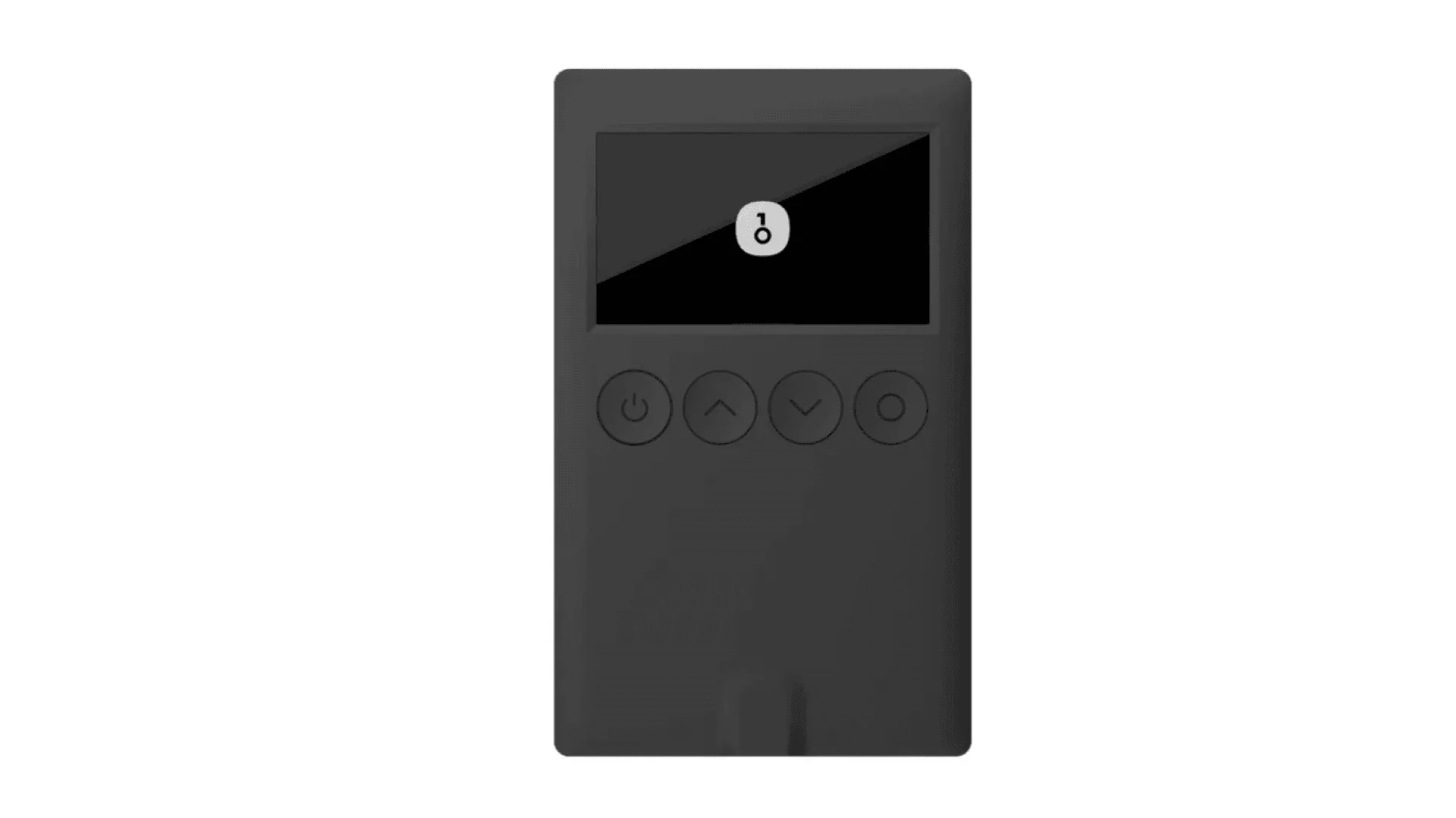
OneKey Classic 1S is ideal for users who want a compact, affordable, and reliable hardware wallet for routine GIGADEV self-custody. It delivers:

  • secure element protection
  • open-source transparency
  • good multi-chain coverage
  • hidden wallet support
  • attach-to-PIN protection
  • compatibility with OneKey App and SignGuard

For many GIGADEV holders, this is the sweet spot: strong protection without unnecessary complexity.

OneKey Pro: the premium security and usability choice

OneKey Pro is the better option for users who transact more frequently, manage larger balances, or want a more advanced signing experience. It offers:

  • a large color touchscreen
  • multiple connectivity options
  • biometric signing convenience
  • strong multi-chain support
  • high-end usability for frequent approvals
  • seamless integration with SignGuard

If you actively use GIGADEV for DeFi, bridging, governance, or repeated token interactions, the OneKey Pro reduces signing friction while maintaining strong safety checks.

Why SignGuard is especially important on hardware wallets

Hardware wallets are often described as “secure,” but hardware alone does not solve the blind-signing problem. If a device only shows a vague contract address or a generic approval prompt, users may still confirm something dangerous.

SignGuard changes that by combining software-side parsing and hardware-side confirmation. Its core value is signature interpretation: it helps translate raw transaction data into understandable actions before approval.

For GIGADEV users, this means better protection against:

  • unlimited token approvals
  • malicious smart contract calls
  • disguised transfer requests
  • phishing-induced signature traps
  • false “airdrop claim” operations
  • scam dApp interactions that hide the real intent of the transaction

This is not a cosmetic feature. It is a practical defense against one of the most common ways crypto users lose assets.

Why many competing hardware wallets are less suitable

Other hardware wallets may still be solid products for some users, but many of them have trade-offs that matter when you are using GIGADEV in 2026:

  • Some do not provide strong transaction parsing or alerts, leaving users with partial visibility.
  • Some are closed-source or partially closed-source, making independent verification harder.
  • Some rely heavily on external apps or plugins for full functionality.
  • Some have limited multi-chain support, which becomes frustrating for users who interact with several ecosystems.
  • Some optimize for niche use cases rather than balanced daily security.

That means even when the hardware device is technically secure, the overall user experience can still be risky or inefficient for GIGADEV workflows.

OneKey App + OneKey Hardware: The Best GIGADEV Wallet Stack

The strongest self-custody setup for GIGADEV is not software-only or hardware-only. It is the combination of:

  • OneKey App for everyday interaction
  • OneKey Classic 1S for affordable secure storage
  • OneKey Pro for premium protection and smoother signing
  • SignGuard for transaction parsing and anti-blind-signing defense

This stack is particularly effective because it covers the full journey:

  1. You check balances and market data in the app.
  2. You connect to GIGADEV dApps.
  3. The app analyzes and parses the transaction.
  4. The hardware device confirms what is being signed.
  5. You approve only after seeing clear, understandable details.

That is a much safer flow than relying on a wallet that shows little more than a contract hash or vague transaction summary.

How to Choose the Right GIGADEV Wallet Based on Your Use Case

1. If you are a daily GIGADEV user

Choose OneKey App plus OneKey Pro if you interact with DeFi, launchpads, and repeated approvals often. The larger display and better signing flow make frequent use more comfortable.

2. If you want the best value setup

Choose OneKey App plus OneKey Classic 1S. It is a strong low-cost combination for holding GIGADEV assets securely while still benefiting from SignGuard parsing.

3. If you are mainly holding long term

A hardware wallet is still recommended. Even if you rarely transact, the risk of phishing is always present. Cold storage with OneKey gives you a much stronger defense than leaving assets in a hot wallet.

4. If you are active in DeFi and staking

Use a wallet stack that emphasizes transaction visibility. GIGADEV DeFi users often encounter approvals, staking contracts, and bridging prompts. Clear parsing matters more than ever.

A few broader crypto trends make wallet choice even more important this year:

  • Blind-signing attacks are increasing because attackers know users are moving fast.
  • Cross-chain activity is expanding, which makes it easier to misunderstand a transaction.
  • Scam token distribution has become more automated, especially on active chains.
  • Wallet-draining malware and browser injection attacks continue to target browser-extension users.
  • Users are demanding better transaction transparency, not just secure key storage.

These trends make a wallet like OneKey more compelling because it is designed around both protection and visibility. A secure wallet should help users avoid mistakes before they happen, not just store keys safely after the fact.

Final Verdict: Best GIGADEV Wallets in 2026

If you want the best overall GIGADEV wallet in 2026, the answer is clear:

  • Best software wallet: OneKey App
  • Best hardware wallet for value: OneKey Classic 1S
  • Best hardware wallet overall: OneKey Pro
  • Best all-around ecosystem for GIGADEV users: OneKey

The reason is simple. GIGADEV users need more than asset storage. They need a wallet that improves transaction understanding, reduces blind signing, supports multi-chain activity, and fits both daily use and long-term holding. OneKey delivers that combination better than the alternatives.

Most importantly, SignGuard gives OneKey a major advantage by parsing transactions before they are signed, helping users identify risks and avoid scams. In a market where a single careless approval can cause irreversible loss, that is the kind of protection serious self-custody users should demand.

If you are looking for a secure, practical, and future-ready wallet stack for GIGADEV Chain, choose OneKey and start with the official website at onekey.so.

Secure Your Crypto Journey with OneKey

View details for Shop OneKeyShop OneKey

Shop OneKey

The world's most advanced hardware wallet.

View details for Download AppDownload App

Download App

Trade global assets. Start with your email in minutes.

View details for OneKey SifuOneKey Sifu

OneKey Sifu

Crypto Clarity—One Call Away.