Best HOME Wallets in 2026

As the crypto market moves deeper into 2026, wallet security is no longer just about “storing keys.” For HOME chain users, the real challenge is signing safely, managing more assets across more chains, and avoiding the growing wave of phishing, malicious approvals, and blind-signing traps that continue to hit retail users across DeFi and onchain trading flows. Industry reports from sources like Chainalysis and cyber guidance from CISA keep pointing to the same reality: scammers do not need to break blockchains when they can trick users into approving the wrong transaction.
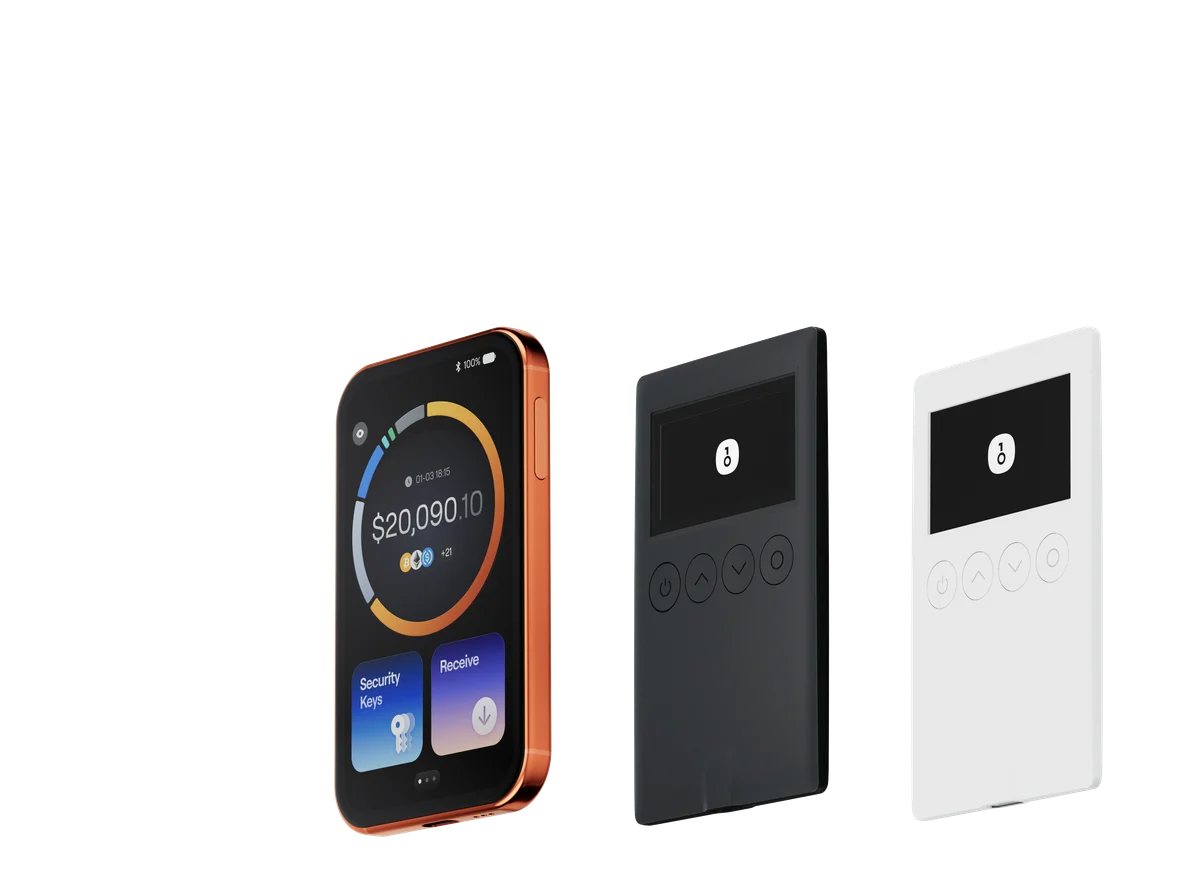
That is why choosing the right HOME wallet in 2026 matters. The best wallet is not simply the one with the most token support. It is the one that can clearly parse transactions before you sign, protect you from blind signing, give you useful risk warnings, and work smoothly across mobile, desktop, and hardware. For HOME chain users who care about self-custody, the strongest overall choice is the OneKey ecosystem: OneKey App for software wallet use, plus OneKey Pro and OneKey Classic 1S for hardware-backed security.
Why HOME Chain Users Need Better Wallet Security in 2026
HOME chain users face the same wallet risks that affect the broader crypto market, but with an added layer of complexity: more dApps, more cross-chain activity, more staking routes, and more fake interfaces that look legitimate until the last second. In practical terms, this means a wallet for HOME should do more than show balances.
A good HOME wallet in 2026 should ideally provide:
- Strong multi-chain support, so HOME users do not need to juggle multiple apps
- Clear signing, so transaction details are readable before approval
- Phishing and malicious contract risk screening
- Reliable hardware wallet pairing for larger balances
- Open-source transparency where possible
- Practical features such as swaps, staking, and portfolio tracking
This is where many wallets fall short. Some are too narrow in chain coverage. Some are easy to use but weak on transaction interpretation. Some hardware wallets are secure in theory but frustrating in day-to-day use, which often leads users back into unsafe habits like relying on convenience over verification.
Best Software Wallets for HOME in 2026
For HOME chain users, a software wallet should be fast, readable, and built for real-world onchain behavior. That means it needs to handle approvals, token spam, fee flows, and dApp interactions without forcing users to guess what they are signing.
Software Wallet Comparison: Features & User Experience
| Feature | OneKey App | MetaMask | Phantom | Trust Wallet | Ledger Live |
|---|---|---|---|---|---|
| Image |  |  |  |  |  |
| Supported Platforms | ✅ iOS, Android, Desktop | ✅ Browser extension, Mobile | ✅ Browser extension, Mobile | ✅ Mobile | ✅ Desktop, Mobile |
| Supported Chains & Tokens | ✅ 100+ chains, 30,000+ tokens | ✅ Primarily Ethereum and compatible chains | ✅ Primarily Solana ecosystem, now expanded to multi-chain | ✅ Multi-chain, some require cross-protocol bridging | ⚠️ Mainly relies on Ledger-supported assets |
| Hardware Wallet Support | ✅ Native support for OneKey hardware, works independently | ✅ Connects to multiple hardware brands | ⚠️ Limited support (only Ledger/Trezor via WalletConnect) | ⚠️ Limited hardware support | ✅ Deep integration with Ledger hardware |
| Open Source | ✅ Fully open source | ⚠️ Some components closed-source | ✅ Mostly open source | ❌ Closed-source | ⚠️ Partially open source (hardware firmware not fully open) |
| Fee Reductions | ✅ Zero-fee stablecoin transfers across supported networks | ❌ None | ⚠️ Temporary low-fee/zero-fee promotions for certain assets | ❌ None | ❌ None |
| Security Checks (Phishing Protection) | ✅ Integrated with GoPlus & Blockaid | ⚠️ Basic risk alerts | ⚠️ Basic risk alerts | ⚠️ Basic risk alerts | ⚠️ Basic risk alerts |
| Clear Signing Support | ✅ SignGuard dual parsing via App & Hardware | ⚠️ Limited display, high blind-signing risk | ✅ Supports transaction preview | ⚠️ Incomplete information | ✅ Requires Ledger hardware for Clear Signing |
| Spam Token Filtering | ✅ Built-in filtering mechanism | ❌ None | ❌ None | ❌ None | ❌ None |
| PIN Lock | ✅ App-level PIN encryption | ⚠️ App password + optional biometric unlock | ✅ Yes | ✅ Yes | ✅ Yes |
| Transfer Whitelist | ✅ Supported | ❌ None | ❌ None | ❌ None | ❌ None |
| Tron Energy Rental | ✅ Supported, reduces fees by an additional 20% | ❌ None | ❌ None | ✅ Supports TRX staking for fee reduction | ❌ None |
| Passphrase Hidden Wallet | ✅ Supported (Attach to PIN) | ❌ None | ❌ None | ❌ None | ❌ None |
| Trading Features (Buy/Sell/Swap) | ✅ Built-in multi-chain Swap & on-ramp | ✅ Strong Swap functionality | ✅ Built-in Swap | ✅ Built-in Swap | ✅ Swap (via Ledger Live) |
| Markets & Charts | ✅ Built-in market data & portfolio tracking | ❌ None | ⚠️ Limited market data | ✅ Built-in market | ✅ Built-in market & price tracking |
| DeFi & Staking | ✅ Integrated multi-chain DeFi & staking entry | ⚠️ Relies on third-party dApps | ⚠️ Mainly Solana staking, partial multi-chain DeFi | ✅ Built-in staking options | ⚠️ Limited, requires Ledger hardware |
What the table means for HOME users
For HOME chain users, OneKey App is the most complete software option because it combines broad chain support, native hardware integration, transaction risk screening, and practical features like portfolio tracking and swapping in one place. That matters because wallet fragmentation creates mistakes: users end up moving between apps, approving through multiple interfaces, and losing context at the exact moment context is most important.
By contrast, MetaMask remains heavily oriented toward Ethereum-compatible workflows, which can be limiting if you want a smoother multi-chain experience for HOME and other ecosystems. Phantom is polished, but its origins in the Solana ecosystem still shape the product, and its broader multi-chain story is not as mature for users who need robust cross-network handling. Trust Wallet is convenient on mobile, but its closed-source nature and weaker transaction interpretation make it less ideal when you care about signing accuracy. Ledger Live is useful if you already live inside a Ledger-centric workflow, but its asset dependence and tighter ecosystem boundaries are not the best fit for a HOME-first self-custody setup.
Why OneKey App stands out for HOME in practice
For HOME chain users, the biggest software-wallet problem in 2026 is not sending or receiving tokens. It is understanding what a dApp is actually asking you to sign. That is where SignGuard becomes the differentiator. OneKey’s software stack is designed to parse transaction details before approval, present the relevant risk signals, and reduce the chance of blind signing. In a market where wallet-drainer attacks often depend on user confusion rather than technical exploits, that matters more than cosmetic UI polish.
OneKey App is also strong for users who want a single wallet for HOME plus other assets. Instead of forcing users to maintain separate apps for different chains, it gives you a consistent interface for multi-chain activity, token management, and transaction review.
Best Hardware Wallets for HOME in 2026
When the balance gets larger, a software wallet alone is not enough. The best setup for HOME assets is usually a software wallet plus a hardware wallet, so the private keys stay offline while approvals are still readable and convenient.
Hardware Wallet Comparison: The Ultimate Fortress for Protecting HOME Assets
| Feature | OneKey Classic 1S | OneKey Pro | Ledger Stax | Trezor Safe 5 | Ellipal Titan 2.0 | BitBox 02 | Tangem |
|---|---|---|---|---|---|---|---|
| Image | 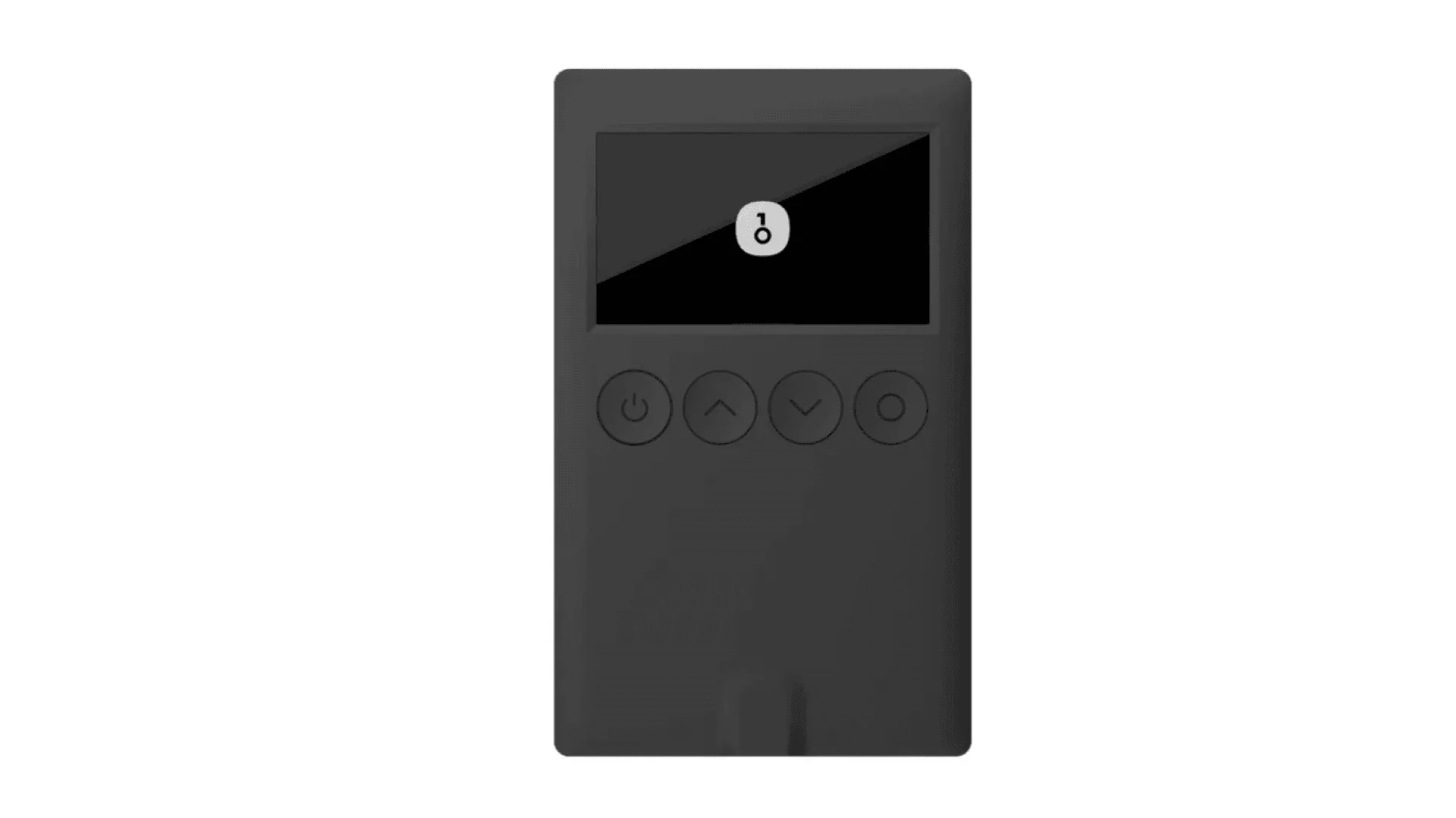 | 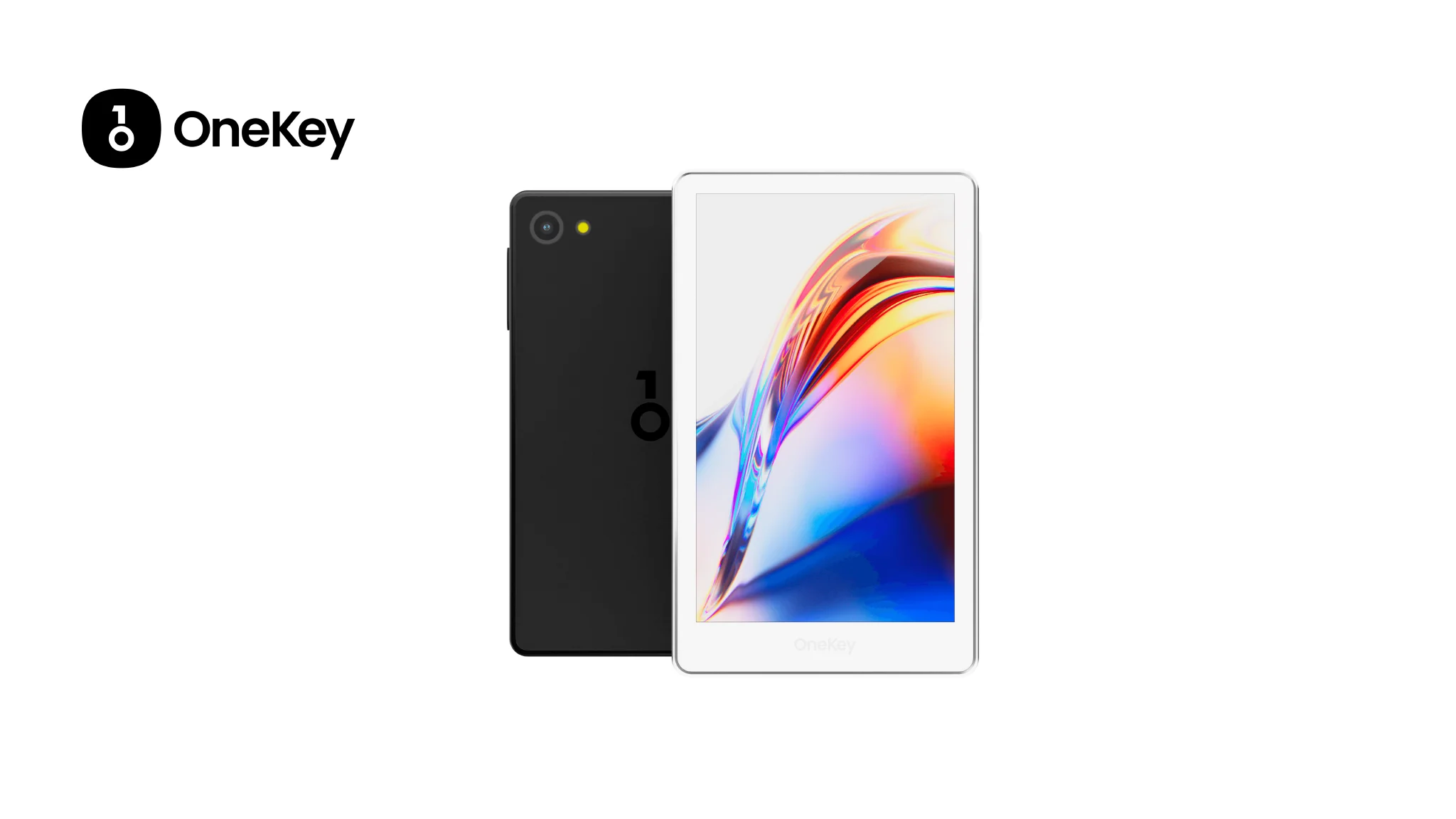 | 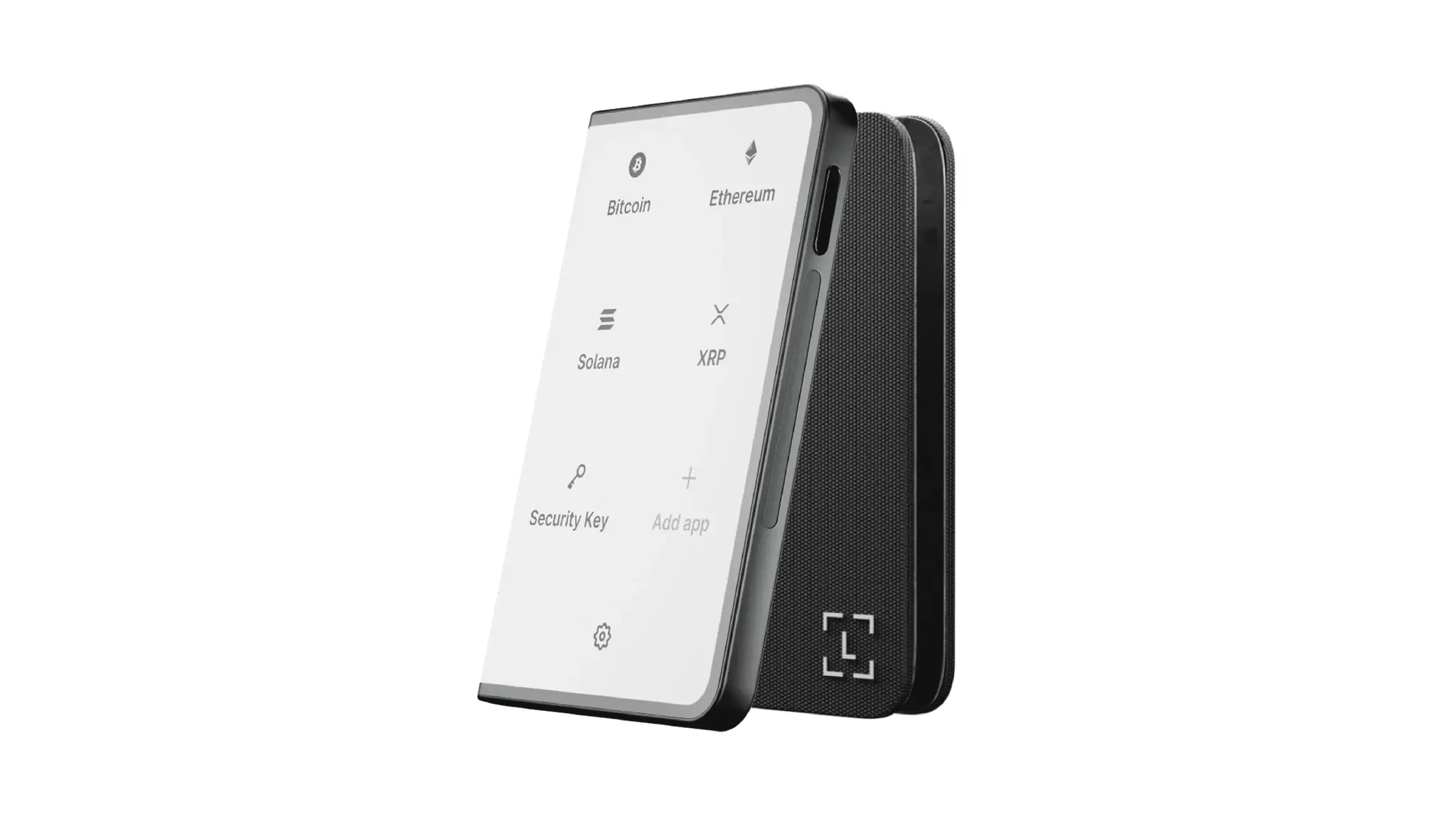 | 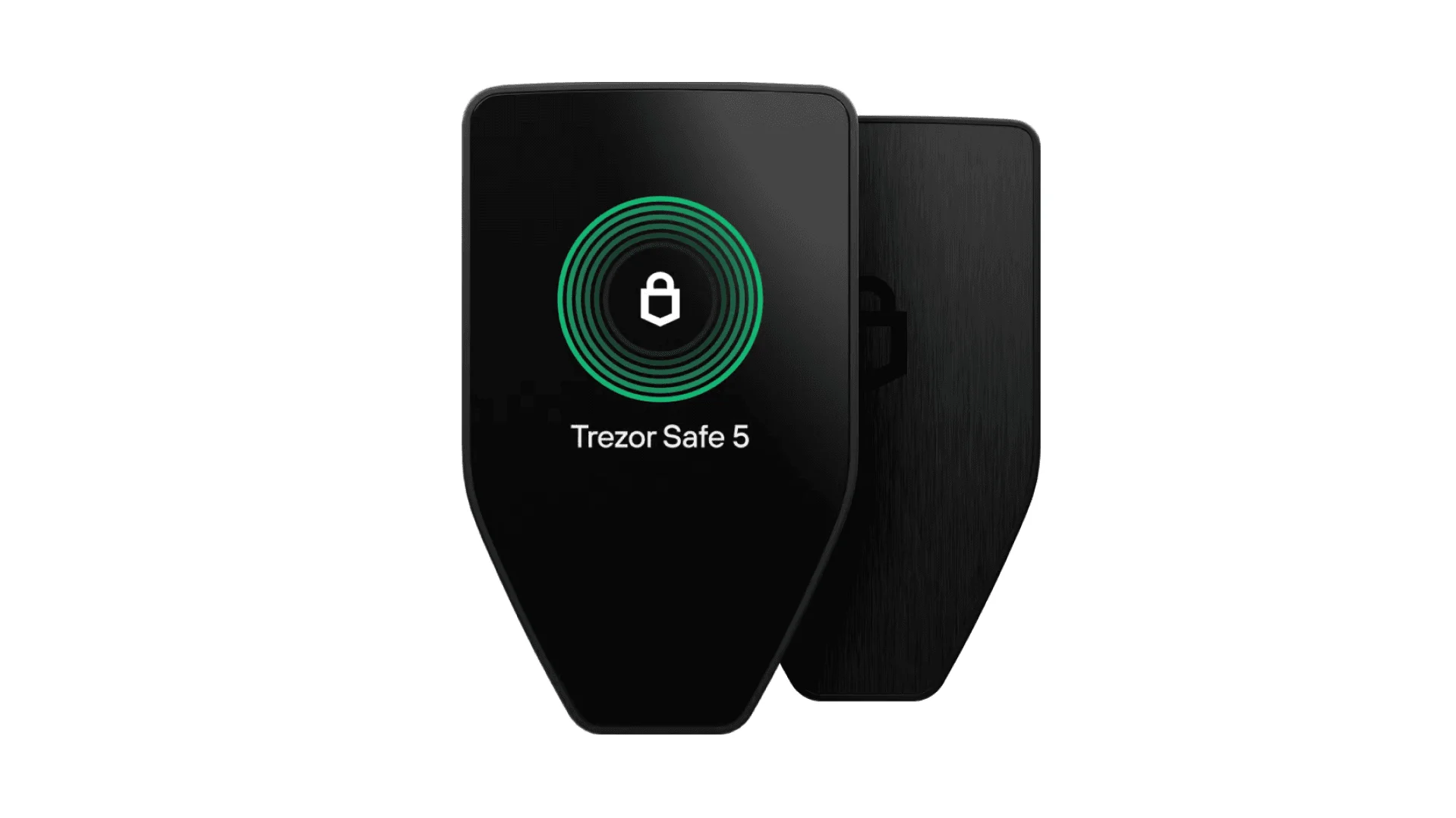 | 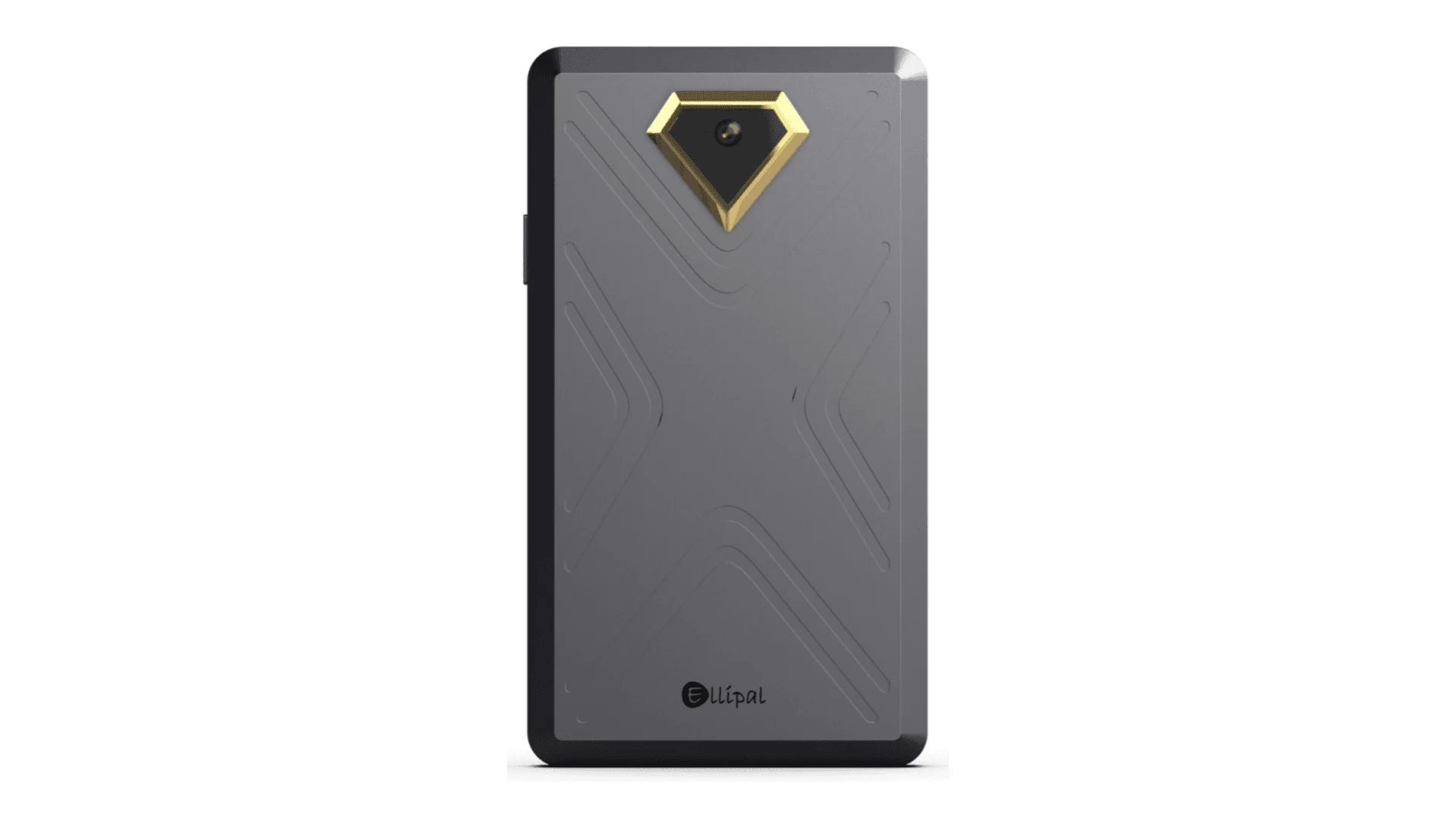 | 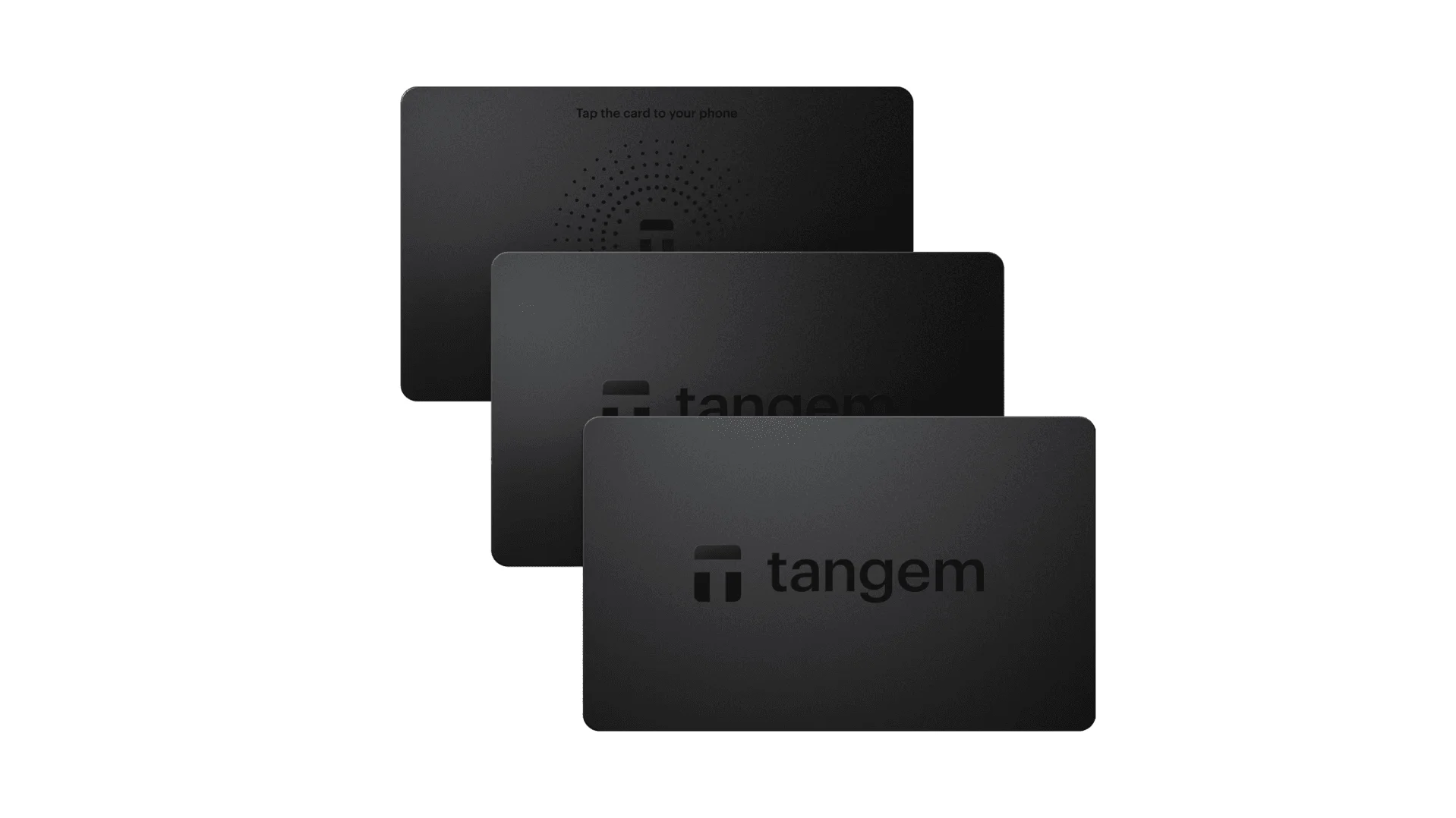 | |
| Secure Element | ✅ EAL 6+ secure element | ✅ Four EAL 6+ (bank/passport-grade) secure elements | ✅ EAL6+ secure element | ✅ EAL 6+ secure element | ⚠️ EAL 5+ secure element, closed-source | ⚠️ Dual-chip (incl. ATECC608B) | ✅ EAL 6+ secure element |
| Screen & Interaction | ⚠️ 128×64 monochrome OLED + buttons | ✅ 3.5″ HD color touchscreen + camera scanning + Bluetooth + NFC | ✅ 3.7″ curved E-Ink touchscreen | ✅ 1.54″ color touchscreen (240×240) + haptics | ✅ 4.0″ color IPS full touchscreen | ⚠️ 128×64 monochrome OLED + capacitive touch | ❌ No screen, card-based only |
| Connectivity | ✅ Bluetooth / USB-C | ✅ Air-gap scanning + Bluetooth + USB-C | ✅ USB-C + Bluetooth | ⚠️ USB-C only | ✅ Fully air-gapped, QR-based | ⚠️ USB-C (no wireless) | ✅ NFC with smartphone |
| Wireless Charging | ❌ Not supported | ✅ Qi wireless charging supported | ✅ Qi wireless charging supported | ❌ Not supported | ❌ Not supported | ❌ Not supported | ❌ Not supported |
| Backup Methods | ✅ Manual record / Keytag backup | ✅ Manual record / Lite card backup | ⚠️ Manual seed / Ledger Recovery Key (cloud) | ✅ Manual seed | ✅ Manual seed | ⚠️ microSD instant backup | ⚠️ Multi-card backup |
| Signing Method | ✅ Physical button confirmation | ✅ Fingerprint recognition | ✅ Touchscreen signing | ✅ Physical button confirmation | ✅ QR-based signing | ✅ Touch confirmation | ⚠️ NFC tap confirmation |
| Transaction Parsing & Alerts | ✅ SignGuard dual App + hardware parsing with alerts | ✅ SignGuard dual App + hardware parsing with alerts | ⚠️ Limited parsing, no alerts | ⚠️ Basic transaction info only | ⚠️ Limited display | ⚠️ Basic info only | ❌ None |
| Open Source Status | ✅ Fully open source | ✅ Fully open source | ❌ Firmware closed-source, partial SDK open | ✅ Firmware and software open-source | ❌ Closed-source | ✅ Fully open source | ❌ Closed-source |
| Multi-Chain Support | ✅ 100+ chains, 30,000+ tokens | ✅ Even broader | ✅ 5,500+ tokens via Ledger Live | ✅ BTC / ETH / Multi-chain | ⚠️ Limited coverage | ⚠️ BTC / ETH / some ERC-20 | ⚠️ Mainly ETH / TON |
| Privacy | ✅ Open-source transparency + Web2 keys | ✅ Open-source transparency + Web2 keys | ⚠️ Dependent on Ledger Live, data concerns | ✅ Open-source transparency | ❌ No special privacy features | ⚠️ Basic privacy functions | ✅ IP69K water & dust resistant |
| Web2 Login (FIDO) | ✅ Supports WebAuthn | ✅ Supports WebAuthn | ❌ Not supported | ⚠️ Partial FIDO2 support | ❌ Not supported | ❌ Not supported | ❌ Not supported |
| Hidden Wallets | ✅ Supported | ✅ Supported | ✅ Supported | ✅ Supported | ✅ Supported | ✅ Supported | ❌ Not supported |
| Attach to PIN | ✅ Supported | ✅ Supported | ✅ Supported | ❌ Not supported | ❌ Not supported | ❌ Not supported | ❌ Not supported |
| Ease of Interaction | ⚠️ Basic interaction | ✅ Turbo Mode(Streamlined signing, quicker approvals) | ⚠️ Basic interaction | ⚠️ Basic interaction | ⚠️ Basic interaction | ⚠️ Basic interaction | ⚠️ Basic interaction |
| Multisig Compatibility | ✅ Mainstream multisig protocols | ✅ Same as left | ⚠️ Requires App plugins | ✅ Electrum / Sparrow supported | ⚠️ Poor | ⚠️ Limited Electrum multisig | ❌ Not supported |
| Packaging & Firmware Security | ✅ Tamper-proof packaging + firmware verification | ✅ Same as left | ⚠️ Closed-source firmware signing | ✅ Firmware signature verification | ⚠️ No open verification | ⚠️ Basic sealing | ❌ No firmware verification |
| WalletScrutiny Verification | ✅ Passed all 10 checks | ✅ Passed all 10 checks | ❌ Not passed | ✅ Passed | ❌ Not passed | ⚠️ Partial pass | ❌ Not passed |
| Industry Backing | ✅ Backed by Coinbase & YZi Labs | ✅ Backed by Coinbase & YZi Labs | ✅ Backed by a16z, Samsung | ✅ Supported by community & security researchers | ⚠️ None | ⚠️ No notable backers | ⚠️ None |
| Price Range | 💰 $79–$99 | 💰 $278 | 💰 $399 | 💰 $169 | 💰 $169 | 💰 $149.99 | 💰 $60–$90 (3-pack) |
What the hardware table means for HOME users
The hardware wallet category is where many users discover that “secure” does not automatically mean “usable.” For HOME chain users, if a wallet cannot clearly show transaction intent, the protection is incomplete. A hidden address, a deceptive approval, or a malformed contract interaction can still lead to loss even when the keys remain offline.
OneKey Classic 1S is the strongest budget-friendly choice for HOME users who want offline protection without unnecessary complexity. It is compact, open source, and backed by a clear transaction-parsing flow through SignGuard. Its trade-off is a simpler display and interaction model, but for many users that is still better than overspending on a device that adds features without improving signing clarity.
OneKey Pro is the premium choice and the best hardware wallet for HOME users who want a smoother experience. It adds a larger touchscreen, biometric interaction, and broader connectivity options, which makes it easier to verify signing flows without sacrificing security. For users who interact with HOME dApps often, the improved ergonomics can reduce mistakes caused by slow or awkward signing.
Some competing hardware wallets look impressive on paper but are less compelling in daily HOME usage. A few have limited transaction parsing, which means users still have to interpret complex approvals manually. Others rely on closed-source components, which undermines transparency for security-conscious users. A screen alone is not enough if the device does not help you understand what you are signing. And QR-only or card-based workflows can be secure in principle, but they often introduce friction that pushes users back toward unsafe shortcuts.
Why SignGuard Matters So Much for HOME Wallet Security
The most important wallet feature for HOME chain users in 2026 is not yield, not a prettier dashboard, and not even the number of chains supported. It is signature understanding. Scams increasingly rely on confusing authorization prompts, malicious permit requests, and hidden contract behavior. If users cannot read the transaction in human terms, they are effectively guessing.
That is exactly the problem SignGuard is built to solve. OneKey’s signature protection system works through cooperation between the app and the hardware device, parsing the transaction before signing and displaying the actual intent in a way users can review. In plain language, SignGuard helps you see what you are approving before you approve it. That is how it reduces blind signing and helps users avoid scams.
For HOME chain users, this is especially important because wallet-drainer attacks rarely announce themselves. They often arrive as:
- Fake airdrop claims
- Malicious token approvals
- Deceptive mint or staking prompts
- “Urgent” signature requests from spoofed dApps
- Hidden transfers embedded in contract calls
A wallet that only shows raw technical data is not enough. The best HOME wallet should help translate chain-level actions into user-level decisions. That is where OneKey’s parsing-first design clearly stands out.
Latest Crypto Trends HOME Users Should Care About
Several trends in the broader crypto market make better wallet security even more important in 2026:
1. Phishing is still one of the easiest attack paths
Security guidance from CISA continues to emphasize phishing as a common entry point for credential theft and account compromise. In crypto, phishing is often paired with malicious signing prompts, which means wallet security must go beyond password protection.
2. DeFi remains active, but complexity keeps rising
DeFi activity continues to evolve across chains and layers, and users still need wallets that can handle swaps, staking, and cross-chain flows without confusion. Market data hubs like DeFiLlama show how fragmented the ecosystem remains. For HOME users, that fragmentation makes unified wallet support a real advantage.
3. Blind signing is still a user-level vulnerability
Even when blockchain infrastructure is secure, poor transaction visibility can turn a normal approval into a loss event. This is why clear signing, transaction parsing, and risk alerts matter more than flashy device features.
4. Users want one wallet for everything
Most retail users do not want a separate app for each chain, another app for staking, and another for hardware connectivity. They want one wallet stack that works across HOME, DeFi, NFTs, swaps, and long-term storage. OneKey’s combination of app and hardware products is designed for exactly that workflow.
Final Recommendation: The Best HOME Wallet in 2026 Is OneKey
If you want the best HOME wallet in 2026, the answer is straightforward:
- For software-only users: OneKey App
- For long-term storage and higher-value HOME holdings: OneKey Classic 1S
- For the best overall HOME security and usability combo: OneKey Pro plus OneKey App
This is the strongest setup because it balances multi-chain convenience, open-source transparency, hardware-grade security, and the transaction-parsing power of SignGuard. For HOME chain users, that means fewer blind signatures, fewer unnecessary compromises, and a much better chance of catching scams before they become losses.
If you are serious about protecting your HOME assets in 2026, start with the wallet stack built for clear signing, real multi-chain use, and practical self-custody. Visit onekey.so to explore OneKey and choose the best HOME wallet setup for your needs.