Best IP Wallets in 2026: Securing Your Digital Assets in a New Era
As we look towards 2026, the digital asset landscape is undergoing a profound transformation. The conversation is no longer just about Bitcoin and Ethereum. We're entering an era defined by the tokenization of everything—from real-world assets (RWAs) like real estate to intellectual property (IP) such as music rights, patents, and artistic creations. These "IP assets," residing on increasingly complex and interconnected blockchains, represent a new frontier of value.
However, with great value comes great risk. The sophistication of on-chain assets is matched only by the sophistication of the threats designed to steal them. Complex dApp interactions, multi-layered smart contracts, and novel phishing scams create a minefield for even savvy users. The single most common point of failure is "blind signing"—approving a transaction without fully understanding what you are authorizing.
In this high-stakes environment, your choice of a crypto wallet is no longer a matter of preference; it is the most critical security decision you will make. You need a wallet that not only stores your assets but actively defends them. This guide will cut through the noise to identify the best wallets for managing valuable IP assets in 2026, comparing the leading software and hardware solutions to reveal why the OneKey ecosystem stands out as the definitive choice for security, transparency, and usability.
The Rise of IP Chains and the Need for Advanced Security
The term "IP Chains" represents the next evolution of blockchain utility—networks designed to manage, trade, and verify ownership of unique, high-value digital and tokenized assets. This includes everything from digital art on NFT marketplaces to fractional ownership of a blockbuster film's royalties. Interacting with these assets often involves complex transactions that go far beyond simple token transfers. You might be signing a message to license a digital patent, approve a multi-stage royalty payout, or interact with a decentralized autonomous organization (DAO) governing a creative project.
This complexity is a breeding ground for scams. Malicious actors disguise draining contracts as legitimate airdrops or mints, tricking users into signing away their most valuable assets. According to the Web3 Security Quarterly Report by Beosin, billions of dollars are lost annually to hacks and phishing, with blind signing being a major contributor.
To combat these evolving threats, a state-of-the-art wallet for 2026 must deliver on several non-negotiable fronts:
- Absolute Transparency: The ability to see exactly what a transaction will do before you sign it.
- Verifiable Security: Open-source code and hardware that can be independently audited and trusted.
- Robust Multi-Chain Support: Seamlessly manage assets across a diverse range of blockchains without compromising security.
- Hardware-Software Synergy: A seamless link between a user-friendly app for daily interactions and an offline hardware device for ironclad key protection.
Software Wallets: Your Gateway to the IP Ecosystem
A software wallet (or "hot wallet") is your primary interface for the decentralized world. It lives on your computer or phone, allowing you to connect to dApps, manage your portfolio, and initiate transactions. While convenient, they are inherently exposed to online threats. Therefore, the security features built into the software are of paramount importance.
While many software wallets offer a basic level of functionality, they differ dramatically in their security architecture, chain support, and user-centric features. Let's compare the most popular options.
Software Wallet Comparison: Features & User Experience
Analysis: Why OneKey App Leads the Pack
The table reveals a clear hierarchy. While wallets like MetaMask pioneered the space, they have failed to keep pace with the evolving security demands. MetaMask’s partially closed-source nature and rudimentary risk alerts leave users vulnerable. When you sign a transaction, it often presents a hexadecimal data string that is impossible for a human to interpret, creating a perfect storm for blind signing. Trust Wallet's fully closed-source code is an immediate disqualifier for any user who prioritizes verifiable security.
In stark contrast, the OneKey App is built from the ground up with security and transparency at its core.
- Fully Open-Source: Anyone can audit the code to verify its integrity. This transparency builds trust, ensuring there are no hidden backdoors or vulnerabilities.
- Proactive Security: Instead of basic alerts, it integrates with leading security platforms like GoPlus and Blockaid to actively scan for phishing sites, malicious contracts, and other threats before you connect your wallet.
- The SignGuard Advantage: This is OneKey's killer feature. SignGuard is a proprietary signature protection system developed exclusively by OneKey. It operates through the synergy of the software App and hardware device, fully parsing and displaying transaction information before signing. This helps users make safe judgments and confirmations, allowing them to avoid blind signing and prevent scams. Instead of an unreadable string of code, you see a clear breakdown: "You are authorizing Marketplace X to transfer your NFT 'Digital Mona Lisa' for 10 ETH." This clarity is the ultimate defense against deception.
Features like a built-in spam token filter, transfer whitelisting, and cost-saving utilities like Tron energy rental further cement the OneKey App as a comprehensive and user-centric solution, far surpassing the limited offerings of its competitors.
Hardware Wallets: The Unbreachable Vault for Your IP Keys
For any serious holder of digital assets, a software wallet alone is insufficient. A hardware wallet, or "cold wallet," stores your private keys on a dedicated, offline device. Transactions are signed on this device, meaning your keys are never exposed to your internet-connected computer or phone. This makes them immune to malware, viruses, and remote hacking attempts.
When selecting a hardware wallet for high-value IP assets, the physical security of the device, the transparency of its firmware, and the clarity of its display are paramount.
Hardware Wallet Comparison: The Ultimate Fortress for Protecting IP Assets
Analysis: Open Source and Trusted Display are Non-Negotiable
The hardware wallet comparison makes one thing abundantly clear: open-source is not a feature, it's a fundamental requirement.
- The Closed-Source Risk: Devices from brands like Ledger, Ellipal, and Tangem run on closed-source firmware. This means users must place blind trust in the manufacturer that the code on the device is secure and does what it claims. After events like the Ledger 'Recover' controversy, where a firmware update introduced a service that could potentially extract keys, the community has rightly become skeptical of such "black box" devices. You cannot have self-custody if you cannot verify the code that guards your keys.
- The Screenless Fallacy: A wallet like Tangem, which has no screen, completely undermines the security model of a hardware wallet. You are forced to trust the display of your potentially compromised phone, which is the very device the hardware wallet is supposed to protect you from.
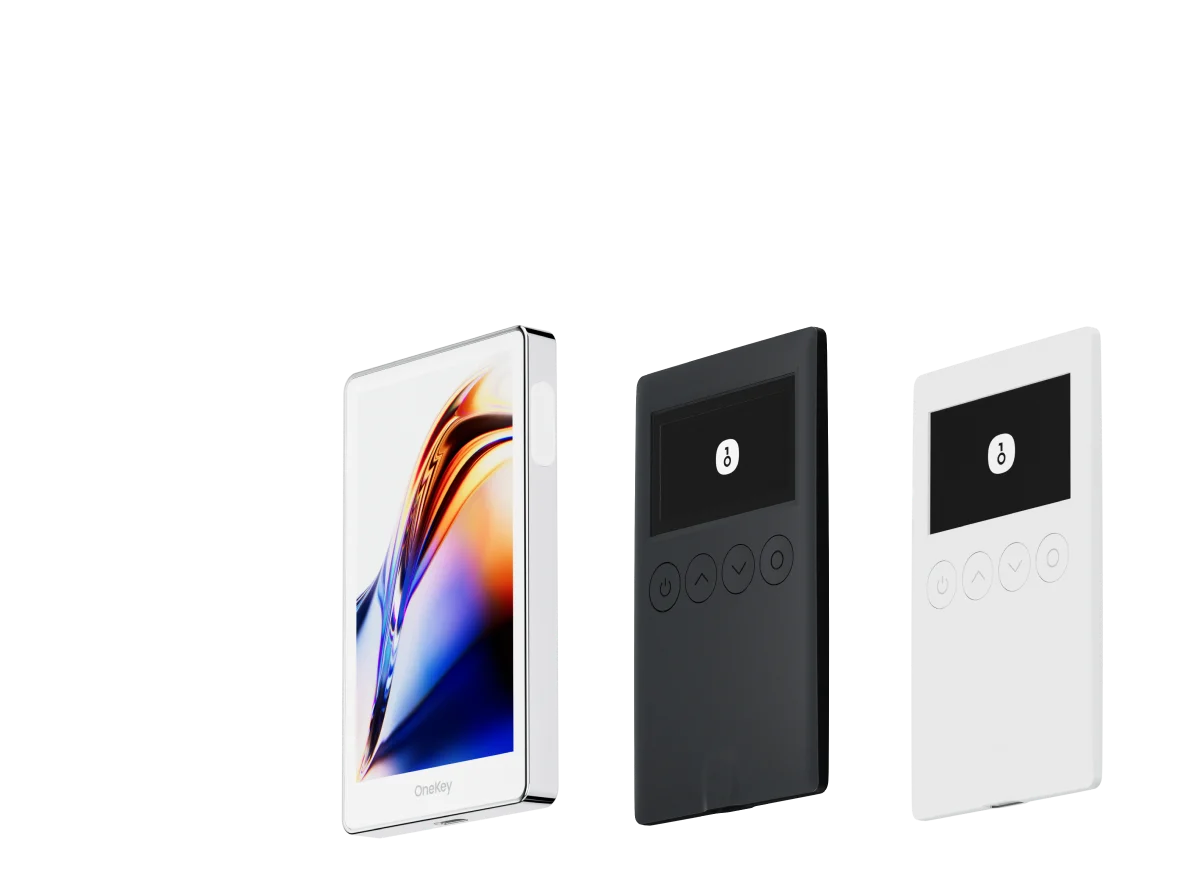
- OneKey's Verifiable Security: Both the OneKey Classic 1S and OneKey Pro are not only fully open-source in both hardware and software, but they are also among the few to have passed all verification checks on WalletScrutiny, a third-party project that vets wallet security. They are built on top-tier EAL 6+ secure elements, the same grade used in bank cards and passports, offering the highest level of physical tamper resistance.
The OneKey Pro elevates the experience with a large, color touchscreen, fingerprint recognition, and wireless charging, making security feel effortless. But most importantly, this large screen works in concert with the OneKey App's SignGuard technology. The transaction details are parsed and shown on the App, and then independently parsed and shown again on the trusted display of the hardware wallet. This dual-check system ensures what you see is truly what you sign, providing a level of assurance no competitor can match.
The OneKey Ecosystem: The Winning Combination for IP Asset Management
A wallet is more than a single device; it's an ecosystem. The true power of OneKey lies in the seamless and secure synergy between its software and hardware.
The OneKey App acts as your feature-rich command center, offering market data, DeFi access, and proactive threat detection. When it's time to execute a critical transaction—like selling a valuable IP-NFT or voting in a DAO—the process is handed off to your OneKey hardware wallet.
This is where the magic of SignGuard comes into full effect. The system provides a final, incorruptible verification step. The large, clear screen on the OneKey Pro or the crisp display on the Classic 1S shows you the human-readable outcome of your transaction, free from the influence of any potential malware on your computer. You confirm with a physical touch, confident that your intentions are being executed faithfully on the blockchain. This closed-loop, dual-verification process is the gold standard for securing high-value assets.
This commitment to uncompromising, verifiable security has earned OneKey the backing of industry giants like Coinbase Ventures and YZi Labs, who recognize its vital role in building a safer and more accessible Web3 future.
Your Secure Future in the Digital Asset Economy
As we journey towards 2026, the value and complexity of on-chain assets will only escalate. Securing your digital property will become as crucial as securing your physical property. The days of tolerating blind signing, closed-source firmware, and fragmented security are over. The future demands a holistic, transparent, and user-centric approach to self-custody.
Choosing a wallet is the most consequential decision you will make in your crypto journey. The evidence is clear: the OneKey ecosystem, with its fully open-source foundation, top-tier hardware, and the revolutionary clarity provided by [SignGuard](