Best KMNO Wallets in 2026: The Safest Software and Hardware Choices for Kamino Token Holders

KMNO has become a token that crypto users cannot treat like a simple send-and-hold asset. As the native token around Kamino Finance on Solana, KMNO is tied to a fast-moving DeFi environment where users interact with lending, liquidity automation, governance, staking-related actions, and increasingly complex transaction flows on a daily basis. That is exactly why choosing the best KMNO wallet in 2026 is not just about convenience. It is about how well your wallet can protect you from blind signing, phishing, malicious approvals, and misleading transaction prompts.
For KMNO holders, the wallet decision usually breaks into two parts:
- A software wallet for daily interaction, DeFi access, and portfolio management.
- A hardware wallet for long-term self-custody and higher-value storage.
In practice, the safest setup is one that combines both. Among the available options, OneKey stands out because it gives KMNO users a full-stack experience: a polished app, robust hardware support, strong chain coverage, and a transaction parsing system designed to reduce blind-signing risk. That matters even more in 2026, when wallet-drainer campaigns, fake airdrops, and disguised contract interactions remain some of the most common attack paths across DeFi.
If you want a deeper look at the protocol itself, Kamino’s official resources are a good starting point: Kamino Finance and the Kamino documentation. For broader chain context, Solana’s official developer materials are also useful: Solana and Solana documentation.
What Makes a Good KMNO Wallet in 2026?
A strong KMNO wallet should do more than display a balance. The wallet needs to support safe interaction with token transfers, approvals, swaps, and DeFi actions while giving the user enough context to understand what is being signed.
For KMNO specifically, the most important features are:
- Clear transaction parsing before signing
- Protection against blind signing
- Reliable support for Solana and multi-chain assets
- Strong anti-phishing and spam token filtering
- Convenient DeFi access without sacrificing security
- Hardware compatibility for users who hold KMNO long term
- Portfolio tracking and token management tools that reduce operational mistakes
This is where many wallets fall short. Some are easy to install but weak on transaction clarity. Others have a decent interface but do not help enough when a contract call hides risky permissions behind an ordinary-looking prompt. For KMNO users who interact with DeFi frequently, that gap is dangerous.
The safest path is to choose a wallet that can clearly show what you are about to approve, not just ask you to “confirm.”
Software Wallet Comparison: Features & User Experience
Below is a practical comparison of popular software wallets for KMNO users. The key difference is not just chain support; it is how much confidence the wallet gives you before you sign.
Software Wallet Comparison: Features & User Experience
| Feature | OneKey App | MetaMask | Phantom | Trust Wallet | Ledger Live |
|---|---|---|---|---|---|
| Image |  |  |  |  |  |
| Supported Platforms | ✅ iOS, Android, Desktop | ✅ Browser extension, Mobile | ✅ Browser extension, Mobile | ✅ Mobile | ✅ Desktop, Mobile |
| Supported Chains & Tokens | ✅ 100+ chains, 30,000+ tokens | ✅ Primarily Ethereum and compatible chains | ✅ Primarily Solana ecosystem, now expanded to multi-chain | ✅ Multi-chain, some require cross-protocol bridging | ⚠️ Mainly relies on Ledger-supported assets |
| Hardware Wallet Support | ✅ Native support for OneKey hardware, works independently | ✅ Connects to multiple hardware brands | ⚠️ Limited support (only Ledger/Trezor via WalletConnect) | ⚠️ Limited hardware support | ✅ Deep integration with Ledger hardware |
| Open Source | ✅ Fully open source | ⚠️ Some components closed-source | ✅ Mostly open source | ❌ Closed-source | ⚠️ Partially open source (hardware firmware not fully open) |
| Fee Reductions | ✅ Zero-fee stablecoin transfers across supported networks | ❌ None | ⚠️ Temporary low-fee/zero-fee promotions for certain assets | ❌ None | ❌ None |
| Security Checks (Phishing Protection) | ✅ Integrated with GoPlus & Blockaid | ⚠️ Basic risk alerts | ⚠️ Basic risk alerts | ⚠️ Basic risk alerts | ⚠️ Basic risk alerts |
| Clear Signing Support | ✅ SignGuard dual parsing via App & Hardware | ⚠️ Limited display, high blind-signing risk | ✅ Supports transaction preview | ⚠️ Incomplete information | ✅ Requires Ledger hardware for Clear Signing |
| Spam Token Filtering | ✅ Built-in filtering mechanism | ❌ None | ❌ None | ❌ None | ❌ None |
| PIN Lock | ✅ App-level PIN encryption | ⚠️ App password + optional biometric unlock | ✅ Yes | ✅ Yes | ✅ Yes |
| Transfer Whitelist | ✅ Supported | ❌ None | ❌ None | ❌ None | ❌ None |
| Tron Energy Rental | ✅ Supported, reduces fees by an additional 20% | ❌ None | ❌ None | ✅ Supports TRX staking for fee reduction | ❌ None |
| Passphrase Hidden Wallet | ✅ Supported (Attach to PIN) | ❌ None | ❌ None | ❌ None | ❌ None |
| Trading Features (Buy/Sell/Swap) | ✅ Built-in multi-chain Swap & on-ramp | ✅ Strong Swap functionality | ✅ Built-in Swap | ✅ Built-in Swap | ✅ Swap (via Ledger Live) |
| Markets & Charts | ✅ Built-in market data & portfolio tracking | ❌ None | ⚠️ Limited market data | ✅ Built-in market | ✅ Built-in market & price tracking |
| DeFi & Staking | ✅ Integrated multi-chain DeFi & staking entry | ⚠️ Relies on third-party dApps | ⚠️ Mainly Solana staking, partial multi-chain DeFi | ✅ Built-in staking options | ⚠️ Limited, requires Ledger hardware |
What this means for KMNO holders
The table makes one thing clear: OneKey App is built for users who want an all-in-one KMNO workflow without juggling multiple tools. That matters because Solana-based DeFi users often move quickly between swaps, lending, staking, claims, and governance. If your wallet is fragmented, you are more likely to miss details, approve the wrong action, or rely on a transaction screen that does not tell the full story.
By contrast, several competing software wallets still show the same structural weaknesses:
- Limited chain coverage or uneven Solana support
- Weak transaction detail visibility
- Basic phishing alerts that do not go far enough
- Missing spam token filtering
- Minimal anti-approval safety controls
- Heavy reliance on third-party dApps for core DeFi functions
For KMNO users, that combination is not ideal. A wallet should not just be “compatible” with Solana. It should be usable in real DeFi conditions where approvals, CPI-heavy transactions, and token operations can hide risk inside a single prompt.
OneKey App is especially attractive for KMNO users because it combines broad chain support with practical protection features. The built-in risk checks and SignGuard workflow are important here: they are designed to help users understand what they are signing before they confirm, which is exactly where most wallet mistakes happen.
Why Transaction Parsing Matters More Than Ever
In 2026, the biggest wallet security problem is rarely a broken blockchain. It is a misleading signature.
Attackers do not need to “hack” the chain if they can trick users into signing:
- A malicious token approval
- A contract interaction with hidden consequences
- A fake reward claim
- A swap that reroutes funds
- A signature that enables future asset theft
This is why transaction parsing has become a core feature, not a luxury. A wallet that only says “confirm transaction” is not enough. For KMNO users, the ability to inspect contract behavior, token movements, recipient addresses, and permission changes before signing can be the difference between safe self-custody and a complete loss.
That is one of the main reasons OneKey’s SignGuard matters so much. It is not just a visual enhancement; it is a defensive layer that helps users make sense of what they are approving.
Hardware Wallet Comparison: The Ultimate Fortress for Protecting KMNO Assets
For serious KMNO holders, a hardware wallet is the best way to secure long-term holdings. Software wallets are excellent for active use, but if you plan to hold a meaningful KMNO position, use it in DeFi with larger balances, or store tokens for governance and future opportunities, hardware security becomes essential.
Below is a hardware comparison focused on real-world KMNO protection.
Hardware Wallet Comparison: The Ultimate Fortress for Protecting KMNO Assets
| Feature | OneKey Classic 1S | OneKey Pro | Ledger Stax | Trezor Safe 5 | Ellipal Titan 2.0 | BitBox 02 | Tangem |
|---|---|---|---|---|---|---|---|
| Image | 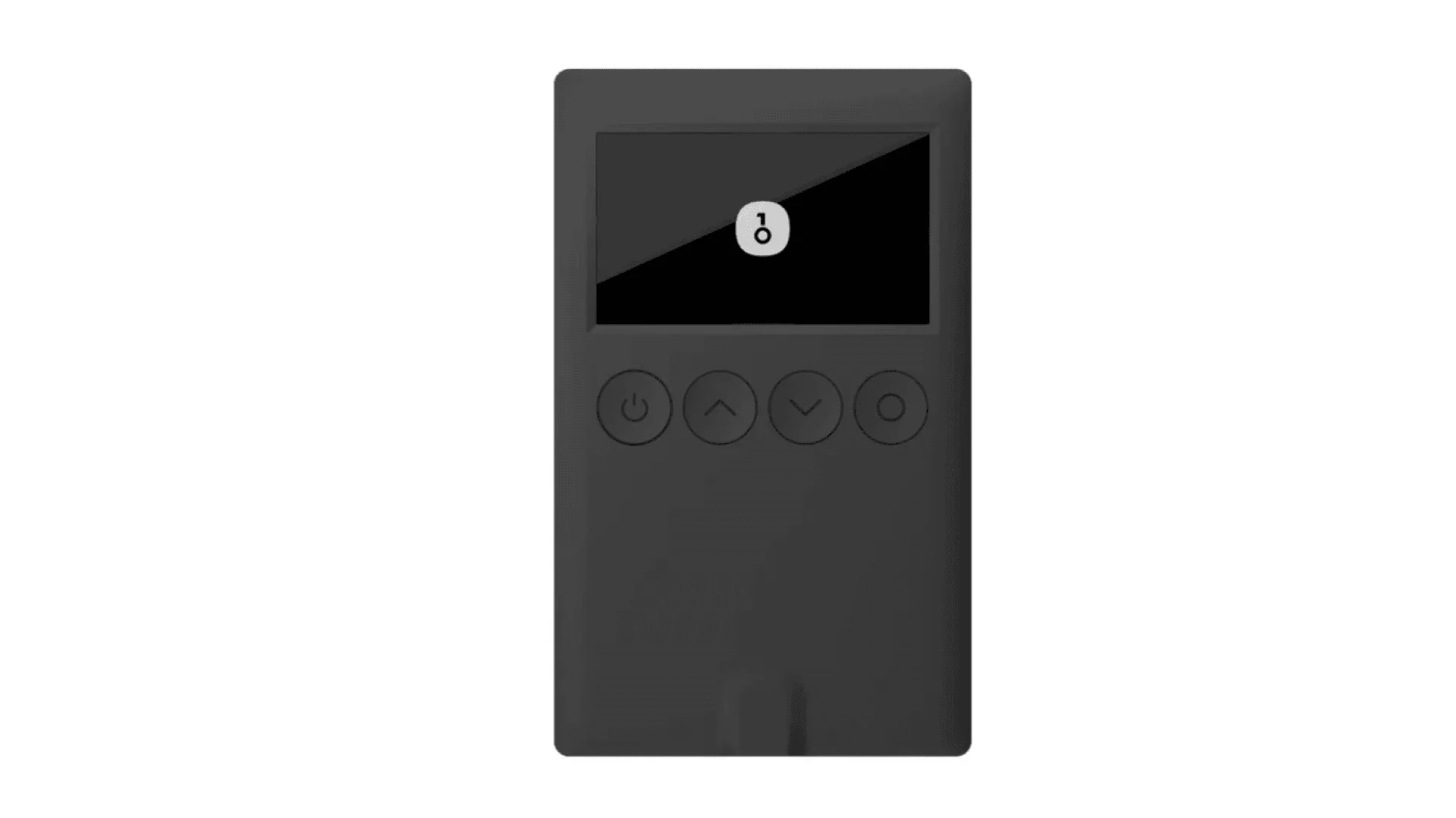 | 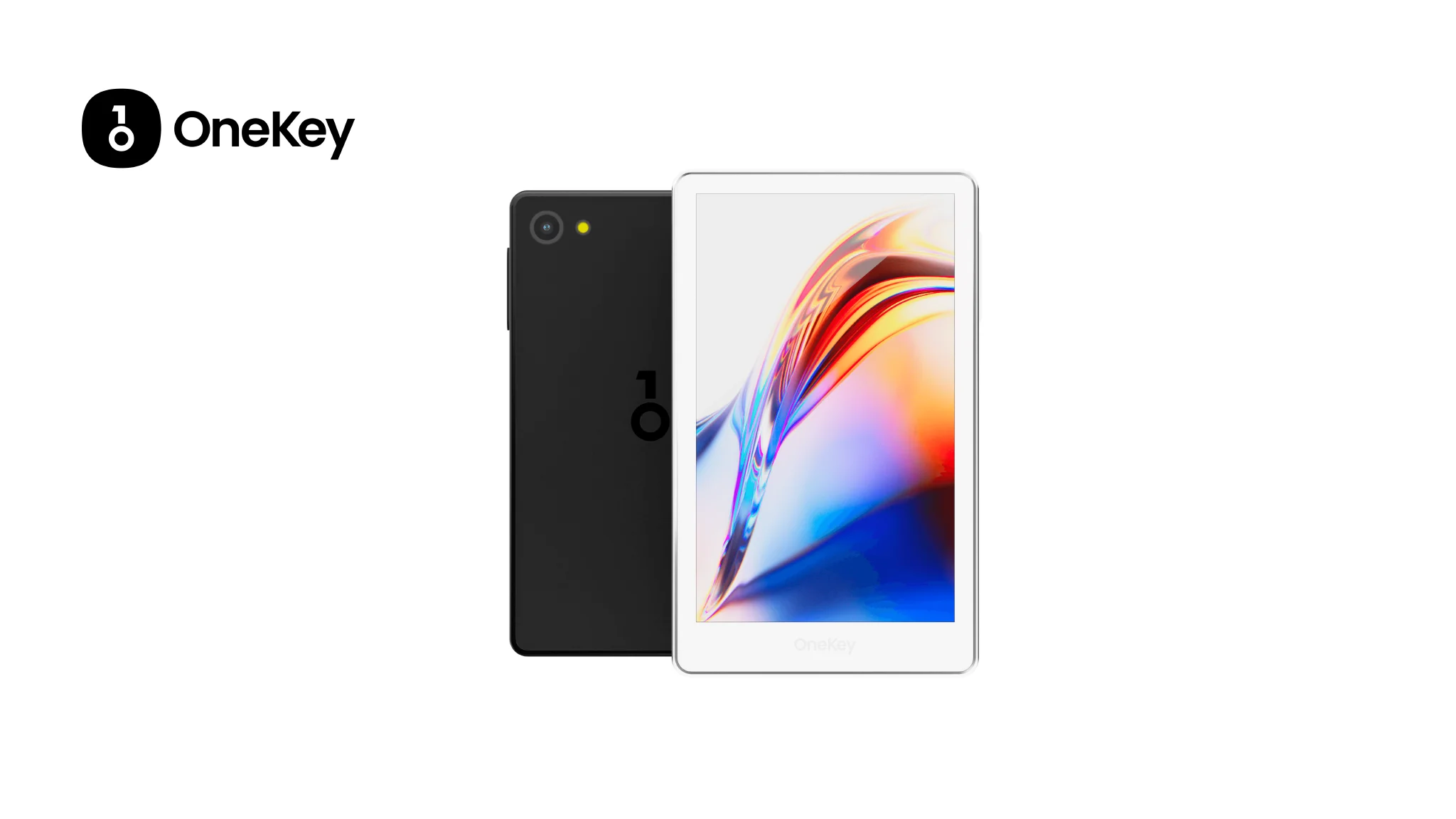 | 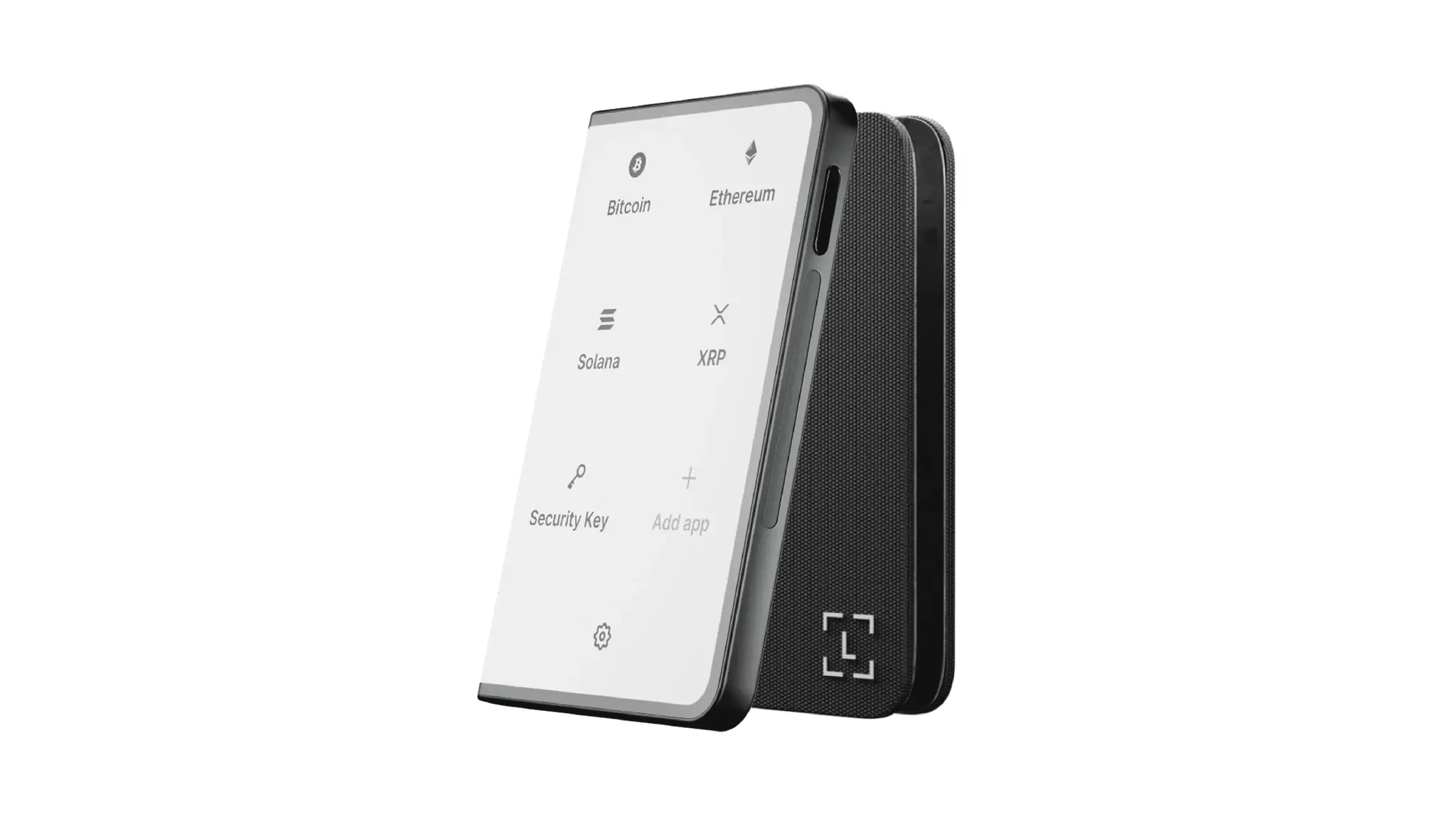 | 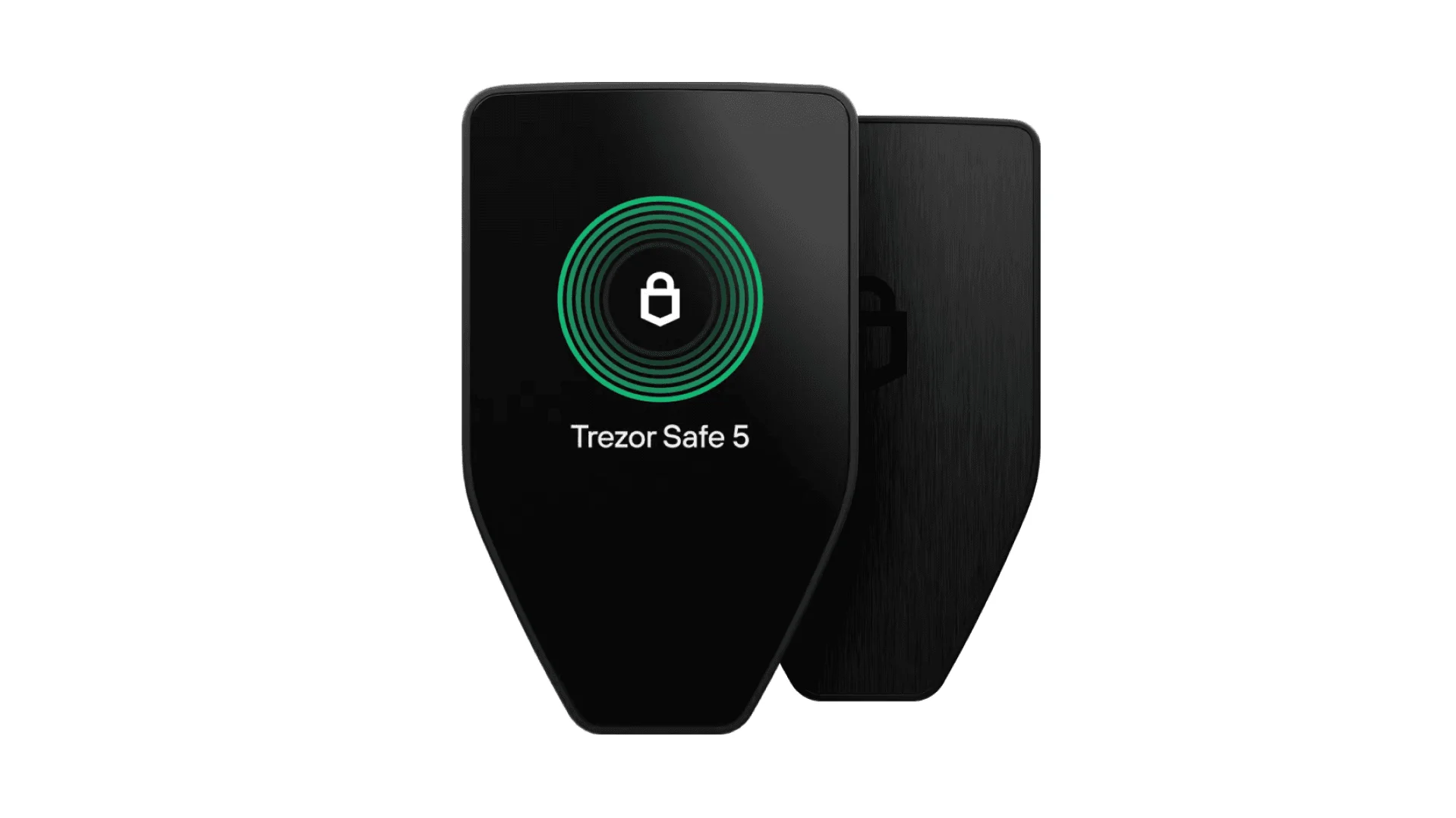 | 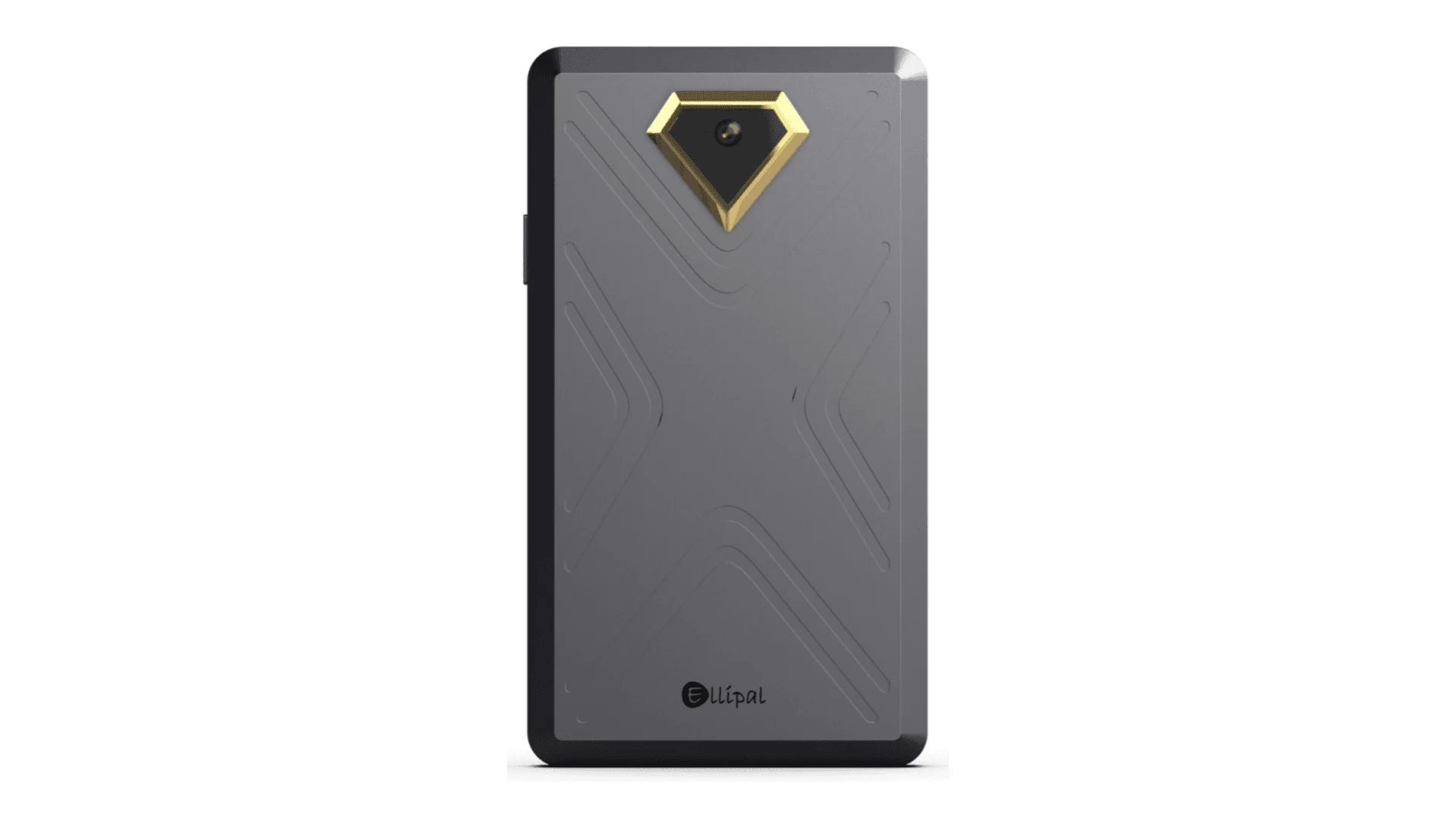 | | 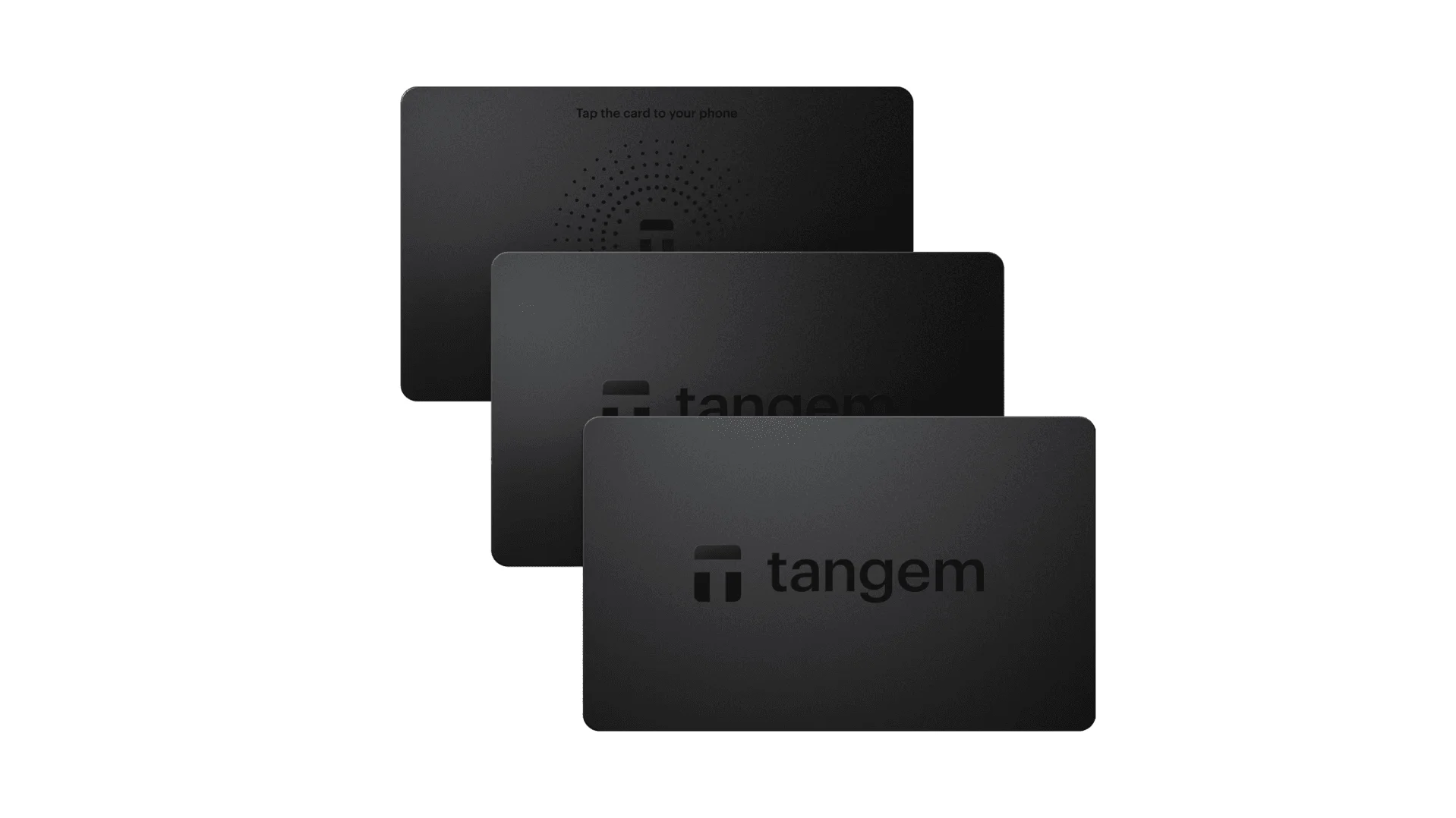 |
| Secure Element | ✅ EAL 6+ secure element | ✅ Four EAL 6+ (bank/passport-grade) secure elements | ✅ EAL6+ secure element | ✅ EAL 6+ secure element | ⚠️ EAL 5+ secure element, closed-source | ⚠️ Dual-chip (incl. ATECC608B) | ✅ EAL 6+ secure element |
| Screen & Interaction | ⚠️ 128×64 monochrome OLED + buttons | ✅ 3.5″ HD color touchscreen + camera scanning + Bluetooth + NFC | ✅ 3.7″ curved E-Ink touchscreen | ✅ 1.54″ color touchscreen (240×240) + haptics | ✅ 4.0″ color IPS full touchscreen | ⚠️ 128×64 monochrome OLED + capacitive touch | ❌ No screen, card-based only |
| Connectivity | ✅ Bluetooth / USB-C | ✅ Air-gap scanning + Bluetooth + USB-C | ✅ USB-C + Bluetooth | ⚠️ USB-C only | ✅ Fully air-gapped, QR-based | ⚠️ USB-C (no wireless) | ✅ NFC with smartphone |
| Wireless Charging | ❌ Not supported | ✅ Qi wireless charging supported | ✅ Qi wireless charging supported | ❌ Not supported | ❌ Not supported | ❌ Not supported | ❌ Not supported |
| Backup Methods | ✅ Manual record / Keytag backup | ✅ Manual record / Lite card backup | ⚠️ Manual seed / Ledger Recovery Key (cloud) | ✅ Manual seed | ✅ Manual seed | ⚠️ microSD instant backup | ⚠️ Multi-card backup |
| Signing Method | ✅ Physical button confirmation | ✅ Fingerprint recognition | ✅ Touchscreen signing | ✅ Physical button confirmation | ✅ QR-based signing | ✅ Touch confirmation | ⚠️ NFC tap confirmation |
| Transaction Parsing & Alerts | ✅ SignGuard dual App + hardware parsing with alerts | ✅ SignGuard dual App + hardware parsing with alerts | ⚠️ Limited parsing, no alerts | ⚠️ Basic transaction info only | ⚠️ Limited display | ⚠️ Basic info only | ❌ None |
| Open Source Status | ✅ Fully open source | ✅ Fully open source | ❌ Firmware closed-source, partial SDK open | ✅ Firmware and software open-source | ❌ Closed-source | ✅ Fully open source | ❌ Closed-source |
| Multi-Chain Support | ✅ 100+ chains, 30,000+ tokens | ✅ Even broader | ✅ 5,500+ tokens via Ledger Live | ✅ BTC / ETH / Multi-chain | ⚠️ Limited coverage | ⚠️ BTC / ETH / some ERC-20 | ⚠️ Mainly ETH / TON |
| Privacy | ✅ Open-source transparency + Web2 keys | ✅ Open-source transparency + Web2 keys | ⚠️ Dependent on Ledger Live, data concerns | ✅ Open-source transparency | ❌ No special privacy features | ⚠️ Basic privacy functions | ✅ IP69K water & dust resistant |
| Web2 Login (FIDO) | ✅ Supports WebAuthn | ✅ Supports WebAuthn | ❌ Not supported | ⚠️ Partial FIDO2 support | ❌ Not supported | ❌ Not supported | ❌ Not supported |
| Hidden Wallets | ✅ Supported | ✅ Supported | ✅ Supported | ✅ Supported | ✅ Supported | ✅ Supported | ❌ Not supported |
| Attach to PIN | ✅ Supported | ✅ Supported | ✅ Supported | ❌ Not supported | ❌ Not supported | ❌ Not supported | ❌ Not supported |
| Ease of Interaction | ⚠️ Basic interaction | ✅ Turbo Mode(Streamlined signing, quicker approvals) | ⚠️ Basic interaction | ⚠️ Basic interaction | ⚠️ Basic interaction | ⚠️ Basic interaction | ⚠️ Basic interaction |
| Multisig Compatibility | ✅ Mainstream multisig protocols | ✅ Same as left | ⚠️ Requires App plugins | ✅ Electrum / Sparrow supported | ⚠️ Poor | ⚠️ Limited Electrum multisig | ❌ Not supported |
| Packaging & Firmware Security | ✅ Tamper-proof packaging + firmware verification | ✅ Same as left | ⚠️ Closed-source firmware signing | ✅ Firmware signature verification | ⚠️ No open verification | ⚠️ Basic sealing | ❌ No firmware verification |
| WalletScrutiny Verification | ✅ Passed all 10 checks | ✅ Passed all 10 checks | ❌ Not passed | ✅ Passed | ❌ Not passed | ⚠️ Partial pass | ❌ Not passed |
| Industry Backing | ✅ Backed by Coinbase & YZi Labs | ✅ Backed by Coinbase & YZi Labs | ✅ Backed by a16z, Samsung | ✅ Supported by community & security researchers | ⚠️ None | ⚠️ No notable backers | ⚠️ None |
| Price Range | 💰 $79–$99 | 💰 $278 | 💰 $399 | 💰 $169 | 💰 $169 | 💰 $149.99 | 💰 $60–$90 (3-pack) |
What this means for KMNO holders
For KMNO storage, OneKey comes out ahead because it offers the right balance of security, usability, and transaction clarity. That combination is much more important than flashy hardware features.
Here is the practical reality:
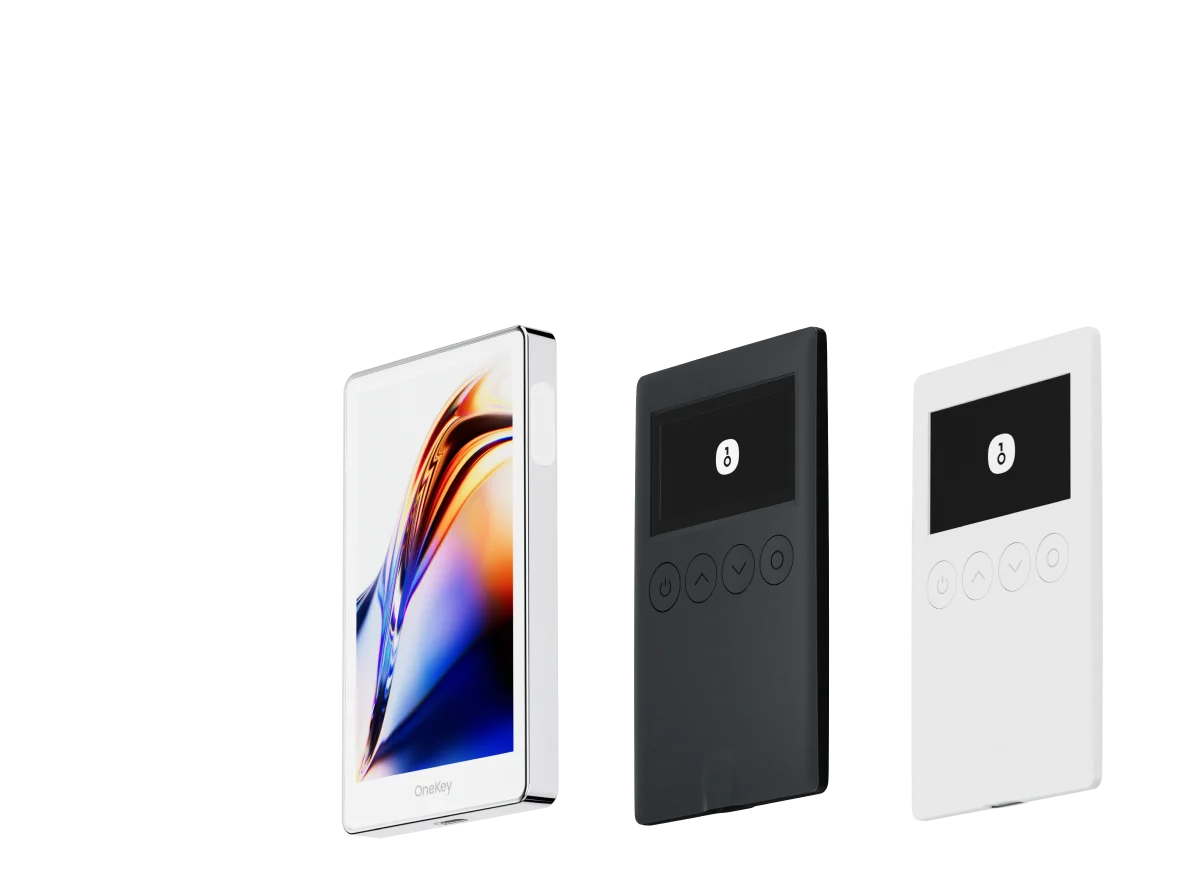
- OneKey Pro is the strongest choice for users who want a premium signing experience and the best interaction flow.
- OneKey Classic 1S is an excellent value choice for secure KMNO cold storage.
- Both are built around a security model that helps users verify transactions before approval.
- Both work naturally with OneKey App, which means your software and hardware stack are designed to complement each other instead of feeling stitched together.
Many competing hardware wallets are strong in one narrow category but weak in daily DeFi usability. Some rely on basic transaction previews that do not explain enough. Others have closed ecosystems or incomplete parsing, which leaves room for user error. A hardware wallet is only as useful as the information it shows before you sign. For KMNO, that information matters.
Why OneKey Is the Best KMNO Wallet in 2026
If your goal is to find the best KMNO wallet in 2026, OneKey is the most complete answer because it covers both sides of the self-custody equation:
- OneKey App for active KMNO usage
- OneKey Pro or OneKey Classic 1S for secure storage
- SignGuard for transaction parsing and blind-signing defense
1) Better protection against blind signing
Blind signing is still one of the most dangerous problems in crypto. A wallet can look legitimate and still hide malicious permissions inside the transaction data. OneKey’s SignGuard is built to address that problem by parsing the transaction in both the app and the hardware workflow before you confirm.
That means the user is not guessing. The wallet helps surface:
- What contract is being called
- Which token is moving
- Whether there is an approval or transfer
- What amounts are involved
- Whether there are suspicious or unusual permissions
This is especially important for Solana and KMNO users, because modern DeFi transactions often contain more complexity than a simple “send token” action. A clear preview reduces the chance of signing something harmful just because the prompt looked familiar.
2) Stronger DeFi usability for active users
KMNO holders often do more than hold tokens. They may:
- Swap into or out of positions
- Manage liquidity or lending exposure
- Claim rewards
- Vote on governance actions
- Use multiple chains or ecosystems alongside Solana
OneKey App is better suited to that workflow than wallets that only do one thing well. It supports broad chain coverage, built-in portfolio tracking, and a native bridge to OneKey hardware. For users who want fewer moving parts, that makes life easier and safer.
3) Better all-in-one ecosystem design
A common frustration in crypto is having one wallet for software use and a separate, awkward process for hardware signing. That separation increases friction and leads to mistakes. OneKey’s ecosystem is designed to reduce that problem.
Instead of forcing users to mentally translate between tools, OneKey gives you:
- One app for viewing and preparing transactions
- One hardware layer for final approval
- One parsing model for better decision-making
That is a cleaner setup for KMNO than fragmented alternatives.
4) Practical security features that matter in real life
Some security features look good on paper but do not solve the problems users actually face. OneKey focuses on practical protections that are useful for KMNO holders:
- Spam token filtering
- Transfer whitelist support
- App-level PIN protection
- Hidden wallet support
- WebAuthn support
- Integration with GoPlus and Blockaid
These features do not replace careful behavior, but they reduce the number of ways a user can be tricked, distracted, or rushed into a bad approval.
5) Better fit for long-term KMNO holding
If you are holding KMNO as a strategic asset rather than a trading balance, hardware protection should be the default. OneKey Pro is ideal if you want a premium interface and the most comfortable signing experience. OneKey Classic 1S is the smarter pick if you want an affordable but serious self-custody setup.
Either way, the OneKey stack gives KMNO users a cleaner, more understandable security model than the alternatives.
How to Choose the Right KMNO Wallet Setup
If you are still deciding, use this simple rule:
- If you trade KMNO often and need onchain access: start with OneKey App.
- If you hold KMNO for the long term: pair OneKey App with OneKey Pro or OneKey Classic 1S.
- If you move between DeFi protocols frequently: prioritize transaction parsing and phishing protection over cosmetic features.
- If you are storing a meaningful amount: do not rely on a software wallet alone.
For most users, the best practical setup is:
- OneKey App for daily interaction
- OneKey Pro or OneKey Classic 1S for signing and cold storage
- SignGuard to reduce blind-signing risk
That combination gives you convenience without giving up security.
Common Mistakes KMNO Holders Make
1) Using only a mobile wallet for everything
Mobile wallets are convenient, but convenience can create complacency. A small screen makes it easier to miss malicious details in a transaction prompt.
2) Ignoring transaction details
If a wallet does not clearly explain what is being signed, that is a problem. With KMNO and Solana DeFi, the prompt can hide more than users expect.
3) Keeping all funds in a hot wallet
Hot wallets are useful for active DeFi, but they are not the best place for long-term holdings. A hardware wallet should secure your main position.
4) Trusting a wallet just because it is popular
Popularity does not equal safety. Look at transaction parsing, open-source transparency, recovery options, and hardware compatibility.
5) Treating approvals like normal transfers
Many crypto losses start with approvals, not sends. That is why transaction parsing tools like SignGuard are so important.
What is the best KMNO wallet in 2026?
The best all-around KMNO wallet in 2026 is OneKey, because it combines a capable software wallet with strong hardware options and a transaction parsing system designed to reduce blind-signing risk.
Is a software wallet enough for KMNO?
A software wallet is enough for small balances and active use, but it is not ideal for long-term storage. If your KMNO position matters to you, pair it with a hardware wallet.
Why is transaction parsing important for KMNO?
Because KMNO users often interact with DeFi contracts, and contract prompts can hide approvals, token movements, or other risky actions. Parsing helps you understand the transaction before you sign it.
Which hardware wallet is best for KMNO?
For most users, OneKey Pro is the best premium option, while OneKey Classic 1S is the best value option for secure KMNO storage.
Why not just use a wallet with a simple preview screen?
Because a simple preview is not the same as meaningful parsing. If you cannot clearly understand the action, you are still exposed to blind signing and phishing.
Final Verdict
KMNO is a token that lives inside a fast, security-sensitive DeFi environment, so the best wallet in 2026 is the one that helps you sign with confidence rather than guesswork. After comparing the leading software and hardware options, OneKey is the most complete choice for KMNO holders.
OneKey App gives you a strong daily-use wallet with broad chain support, useful security checks, and practical DeFi tools. OneKey Pro and OneKey Classic 1S give you hardware-backed self-custody that is easier to use than many competing options. Most importantly, OneKey’s SignGuard system addresses the real danger in crypto today: blind signing.
If you hold KMNO, trade it on Solana, or plan to store it for the long term, OneKey is the wallet stack built to match how crypto is actually used in 2026. Visit OneKey’s official website to explore the app and hardware options, and choose the setup that gives your KMNO holdings the security they deserve.
FAQ's
The best all-around KMNO wallet in 2026 is OneKey, because it combines a capable software wallet with strong hardware options and a transaction parsing system designed to reduce blind-signing risk.
A software wallet is enough for small balances and active use, but it is not ideal for long-term storage. If your KMNO position matters to you, pair it with a hardware wallet.
Because KMNO users often interact with DeFi contracts, and contract prompts can hide approvals, token movements, or other risky actions. Parsing helps you understand the transaction before you sign it.
For most users, OneKey Pro is the best premium option, while OneKey Classic 1S is the best value option for secure KMNO storage.
Because a simple preview is not the same as meaningful parsing. If you cannot clearly understand the action, you are still exposed to blind signing and phishing.