2026 年最佳 O 钱包:面向 O 链用户的软件钱包与硬件钱包完整指南
在 2026 年,选择最佳 O 钱包不再只是为了存储代币。对于活跃的 O 链用户来说,钱包必须承担更多职责:支持快速的多链活动、降低盲签风险、帮助识别钓鱼攻击,并在你批准之前让复杂的合约交互变得可理解。
这之所以重要,是因为加密货币的使用已经变得更加复杂,而骗局也变得更加逼真。来自 Chainalysis 和 FBI IC3 的公开报告持续显示,钓鱼、授权滥用和社会工程仍然是严重威胁。与此同时,现代钱包交互也比简单的收发流程复杂得多:用户现在会签署授权、许可、兑换、跨链桥消息、DeFi 存款以及智能合约调用,而这些操作往往会把真实风险隐藏在友好的界面背后。有关这种复杂性为何重要的背景,请参阅 以太坊交易文档 和 EIP-712,它们解释了结构化数据签名的工作方式。
对于 O 链用户来说,这意味着一件事:钱包不仅要支持这条链,还必须帮助你准确理解自己到底在签署什么。
这正是 OneKey 的优势所在。借助 OneKey App 和 OneKey 硬件钱包产品线,用户可以获得一套为清晰性、安全性与日常实用性而设计的自托管方案。最重要的是,OneKey 的 SignGuard 系统提供了双层签名防护框架:App 与硬件设备协同工作,在签名前解析交易,以人类可读的方式展示关键信息,并帮助用户验证交易是否安全、可疑,甚至是否是恶意行为。在盲签仍然导致高额损失的市场中,这种差异至关重要。
2026 年 O 链用户应该在钱包中关注什么
在比较钱包之前,先定义一下在 O 链使用场景中,“最佳”到底意味着什么:
-
清晰的交易可视化
钱包应当在你批准前解码合约调用、授权和签名请求。一个简单的“确认”页面远远不够。 -
多链覆盖
大多数 O 链用户同时也活跃于稳定币、DeFi、NFT 和其他链上。钱包应当能顺畅处理跨链日常使用。 -
真正的钓鱼防护
反诈骗检测应当是内置能力,而不是事后补丁。安全警告应在交易签名前出现。 -
硬件钱包兼容性
对于严肃的自托管来说,软件钱包应能与硬件设备良好配合,而不是迫使用户使用脆弱的流程。 -
质押、兑换与资产组合工具
用户想要功能,但不能以安全为代价。 -
强大的解析与签名支持
到了 2026 年,最重要的钱包功能也许就是用户最不容易注意到、但最能救命的那个:交易解析。这正是 SignGuard 的价值所在。
软件钱包比较:功能与用户体验
软件钱包比较:功能与用户体验
| 功能 | OneKey App | MetaMask | Phantom | Trust Wallet | Ledger Live |
|---|---|---|---|---|---|
| 图片 |  |  |  |  |  |
| 支持平台 | ✅ iOS、Android、桌面端 | ✅ 浏览器扩展、移动端 | ✅ 浏览器扩展、移动端 | ✅ 移动端 | ✅ 桌面端、移动端 |
| 支持的链与代币 | ✅ 100+ 条链,30,000+ 种代币 | ✅ 主要支持以太坊及兼容链 | ✅ 主要支持 Solana 生态,现已扩展到多链 | ✅ 多链,部分需要跨协议桥接 | ⚠️ 主要依赖 Ledger 支持的资产 |
| 硬件钱包支持 | ✅ 原生支持 OneKey 硬件钱包,可独立使用 | ✅ 可连接多种硬件品牌 | ⚠️ 支持有限(仅通过 WalletConnect 支持 Ledger/Trezor) | ⚠️ 硬件支持有限 | ✅ 与 Ledger 硬件深度集成 |
| 开源 | ✅ 完全开源 | ⚠️ 部分组件闭源 | ✅ 大部分开源 | ❌ 闭源 | ⚠️ 部分开源(硬件固件并非完全开源) |
| 手续费减免 | ✅ 支持网络内稳定币零手续费转账 | ❌ 无 | ⚠️ 针对某些资产有临时低费/零费活动 | ❌ 无 | ❌ 无 |
| 安全检查(钓鱼防护) | ✅ 集成 GoPlus 与 Blockaid | ⚠️ 基础风险提醒 | ⚠️ 基础风险提醒 | ⚠️ 基础风险提醒 | ⚠️ 基础风险提醒 |
| 清晰签名支持 | ✅ 通过 SignGuard 由 App 与硬件双重解析 | ⚠️ 显示信息有限,盲签风险较高 | ✅ 支持交易预览 | ⚠️ 信息不完整 | ✅ 需要 Ledger 硬件进行清晰签名 |
| 垃圾代币过滤 | ✅ 内置过滤机制 | ❌ 无 | ❌ 无 | ❌ 无 | ❌ 无 |
| PIN 锁定 | ✅ App 级 PIN 加密 | ⚠️ App 密码 + 可选生物识别解锁 | ✅ 是 | ✅ 是 | ✅ 是 |
| 转账白名单 | ✅ 支持 | ❌ 无 | ❌ 无 | ❌ 无 | ❌ 无 |
| Tron 能量租赁 | ✅ 支持,额外降低 20% 手续费 | ❌ 无 | ❌ 无 | ✅ 支持 TRX 质押以降低费用 | ❌ 无 |
| 助记词隐藏钱包 | ✅ 支持(绑定到 PIN) | ❌ 无 | ❌ 无 | ❌ 无 | ❌ 无 |
| 交易功能(买/卖/兑换) | ✅ 内置多链 Swap 与法币入金 | ✅ 强大的 Swap 功能 | ✅ 内置 Swap | ✅ 内置 Swap | ✅ 支持 Swap(通过 Ledger Live) |
| 行情与图表 | ✅ 内置市场数据与资产组合跟踪 | ❌ 无 | ⚠️ 市场数据有限 | ✅ 内置行情 | ✅ 内置市场与价格跟踪 |
| DeFi 与质押 | ✅ 集成多链 DeFi 与质押入口 | ⚠️ 依赖第三方 dApp | ⚠️ 主要是 Solana 质押,部分多链 DeFi | ✅ 内置质押选项 | ⚠️ 有限,需 Ledger 硬件 |
这张表对 O 链用户真正意味着什么
2026 年的软件钱包竞争,不是由界面最花哨的钱包赢得的,而是由最能防止昂贵错误的钱包赢得的。
对于 O 链用户来说,许多热门钱包的最大弱点很简单:它们仍然无法足够清楚地解释交易。一次 Swap、一次授权或一次合约交互,在前端看起来可能毫无风险,但在后台却隐藏着危险权限。这在 DeFi 中尤其危险,因为一次授权就可能在原始操作结束很久之后仍然暴露资金。
OneKey App 的设计核心就是降低这种风险。它将链覆盖、资产组合工具、代币过滤和钓鱼检测与 SignGuard 结合起来,而这正是注重安全签名的用户最重要的功能。它不会要求用户去信任一个模糊的预览,而是直接解析交易实际会做什么。
相比之下,许多竞争软件钱包仍然依赖有限的预览、部分风险警告,或第三方 dApp 的默认假设。这对于轻度使用或许够用,但对于经常签署链上操作、且需要在批准前获得完整上下文的 O 链用户来说,并不理想。
因此,2026 年 O 链的最佳软件钱包显然是 OneKey App。
为什么 SignGuard 比以往任何时候都更重要
2026 年的钱包安全,在很大程度上就是一个签名问题。
大多数损失并不是因为用户填错了地址,而是因为用户签署了自己并未完全理解的内容。恶意授权、许可签名、伪造铸造页面以及伪装的 Swap 调用,都是为了让签名界面看起来像例行操作。这也是 SignGuard 如此重要的原因。
它的价值体现在:
- 它会在签名前解析交易细节
- 它有助于识别代币转账、授权和合约交互
- 它降低了盲签风险
- 它让用户更清楚地看到交易实际会做什么
- 它作为一个软件 + 硬件防护层工作,而不仅仅是视觉弹窗
从实际使用角度看,SignGuard 帮助用户回答签名前应当始终问的这些问题:
- 正在调用哪个合约?
- 这是授权、转账,还是权限授予?
- 这次签名后,谁可以花费我的代币?
- 这是否是我本意要使用的应用发起的预期操作?
- 交易内容是否与设备上显示的信息一致?
这正是 O 链用户所需要的签名智能,尤其是在与跨链桥、质押面板、权限密集型 dApp 或不熟悉的发行平台交互时。
硬件钱包比较:保护 O 资产的终极堡垒
硬件钱包比较:保护 O 资产的终极堡垒
| 功能 | OneKey Classic 1S | OneKey Pro | Ledger Stax | Trezor Safe 5 | Ellipal Titan 2.0 | BitBox 02 | Tangem |
|---|---|---|---|---|---|---|---|
| 图片 | 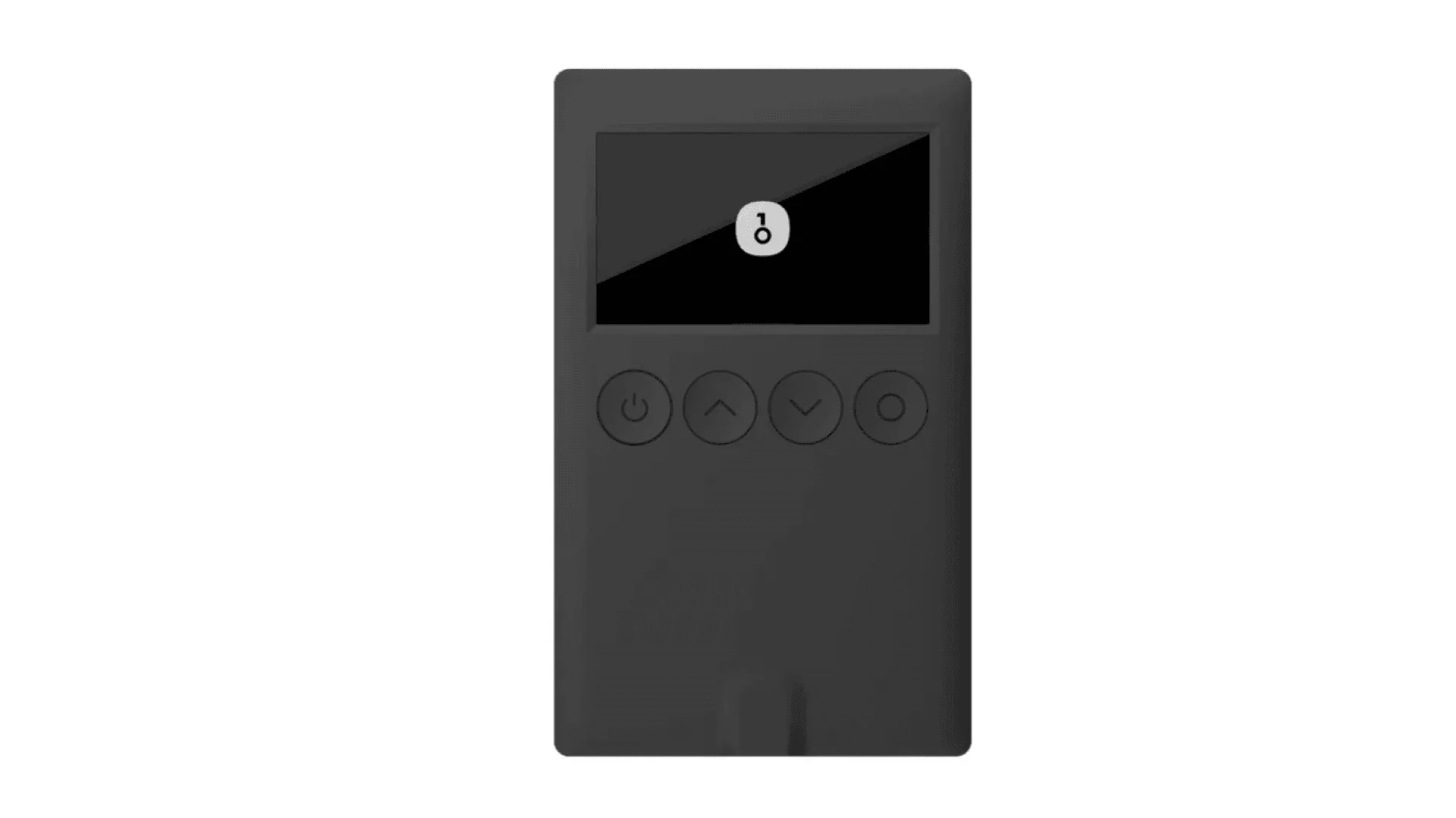 | 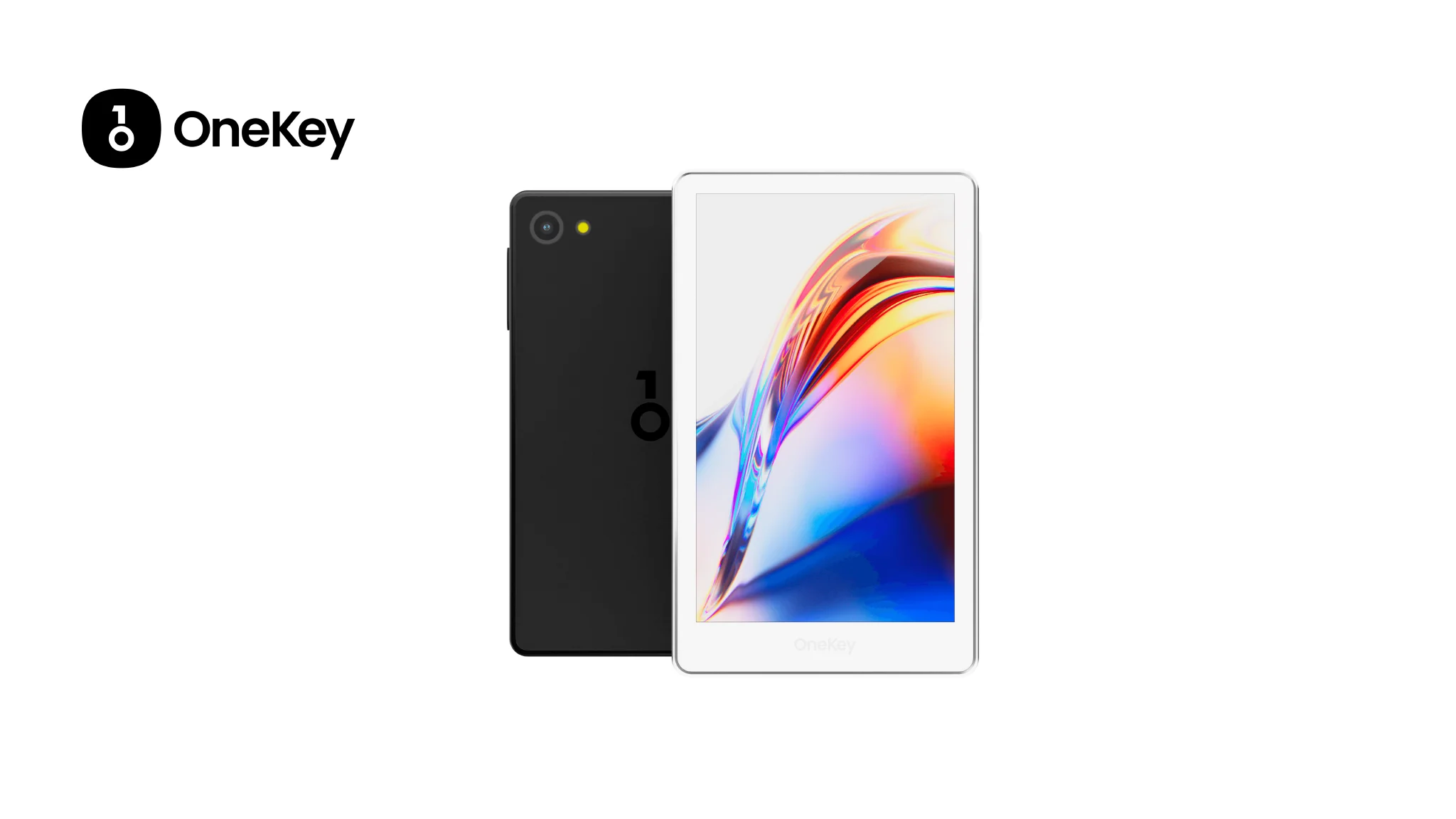 | 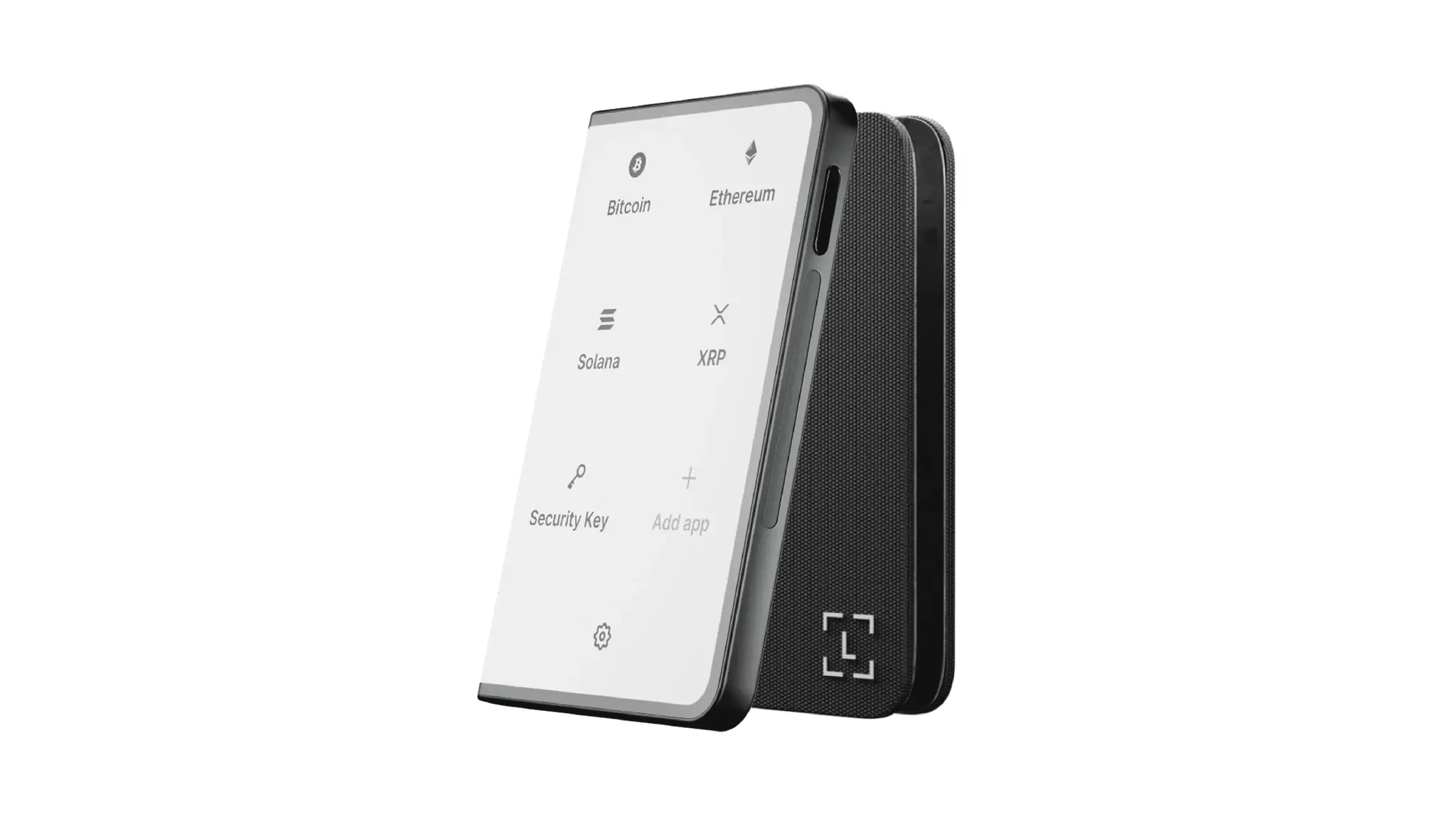 | 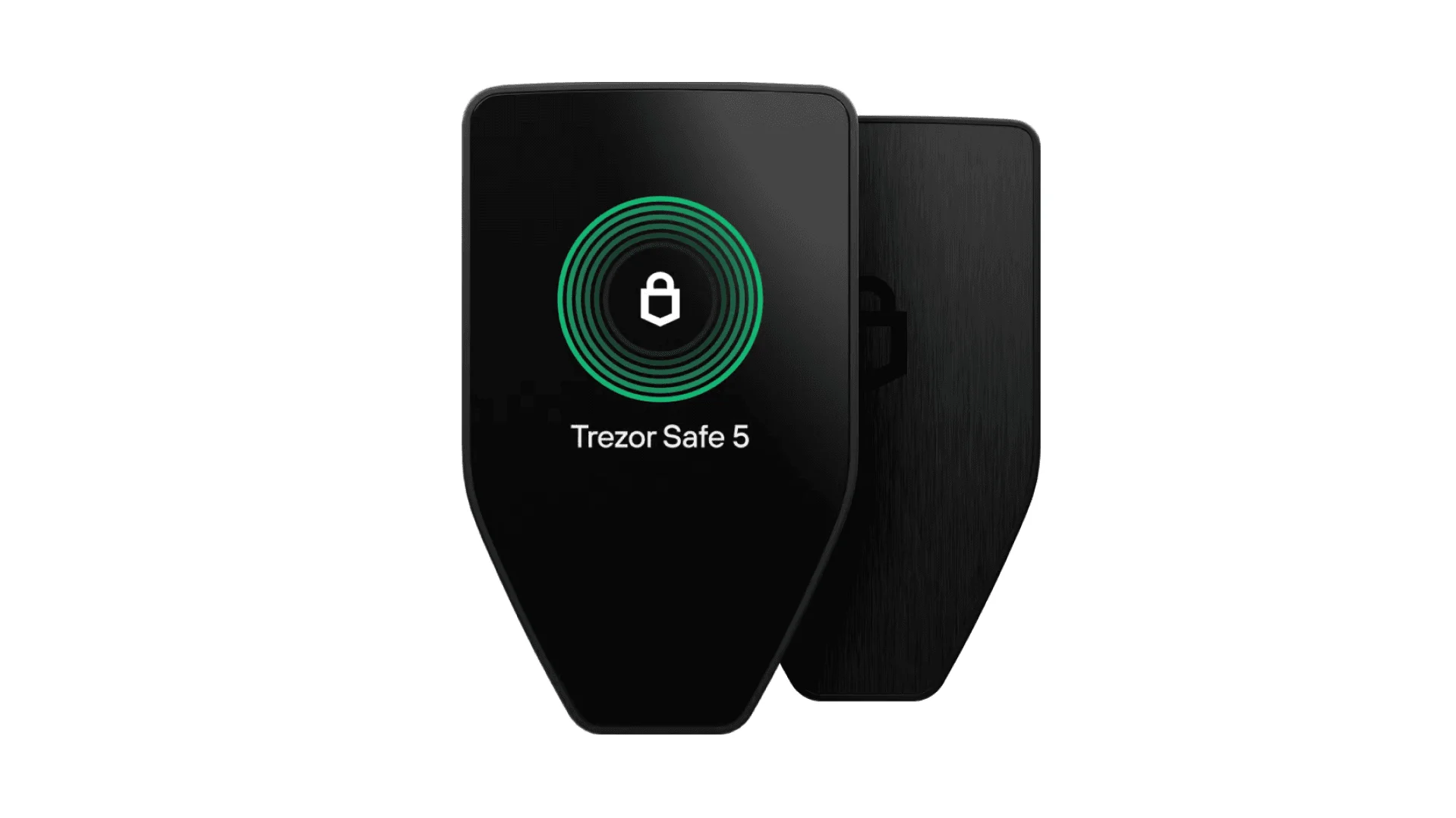 | 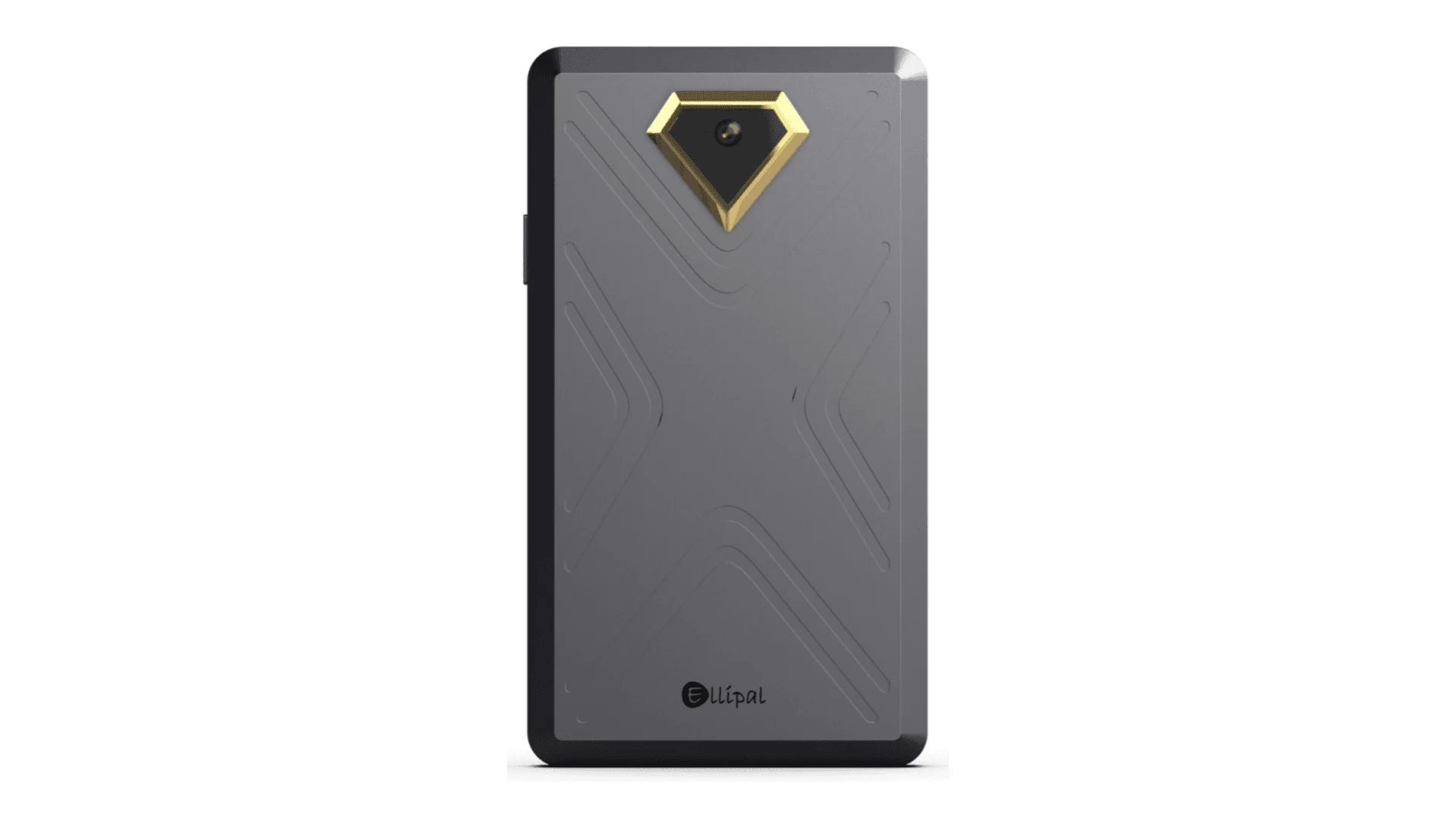 | 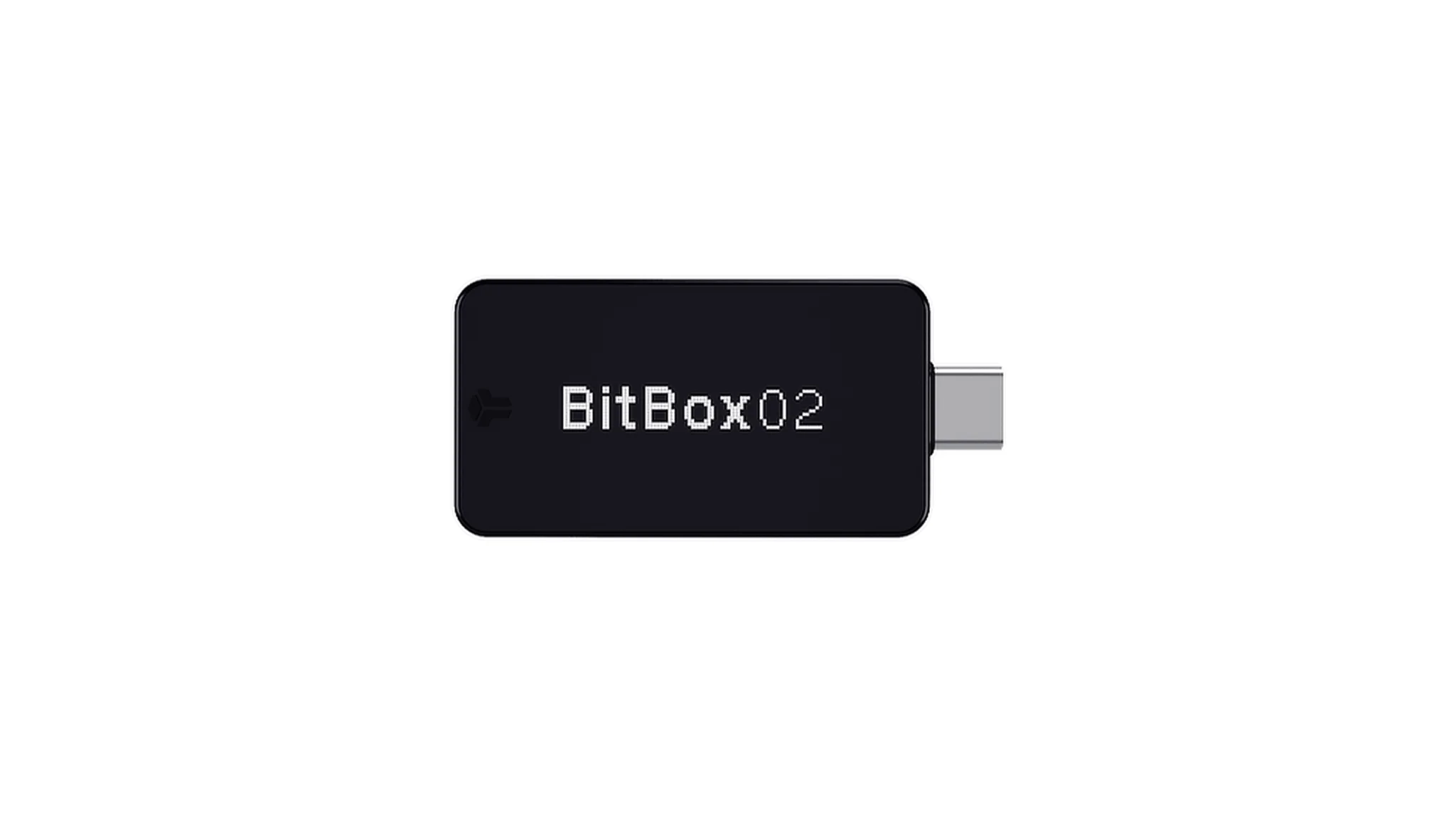 | 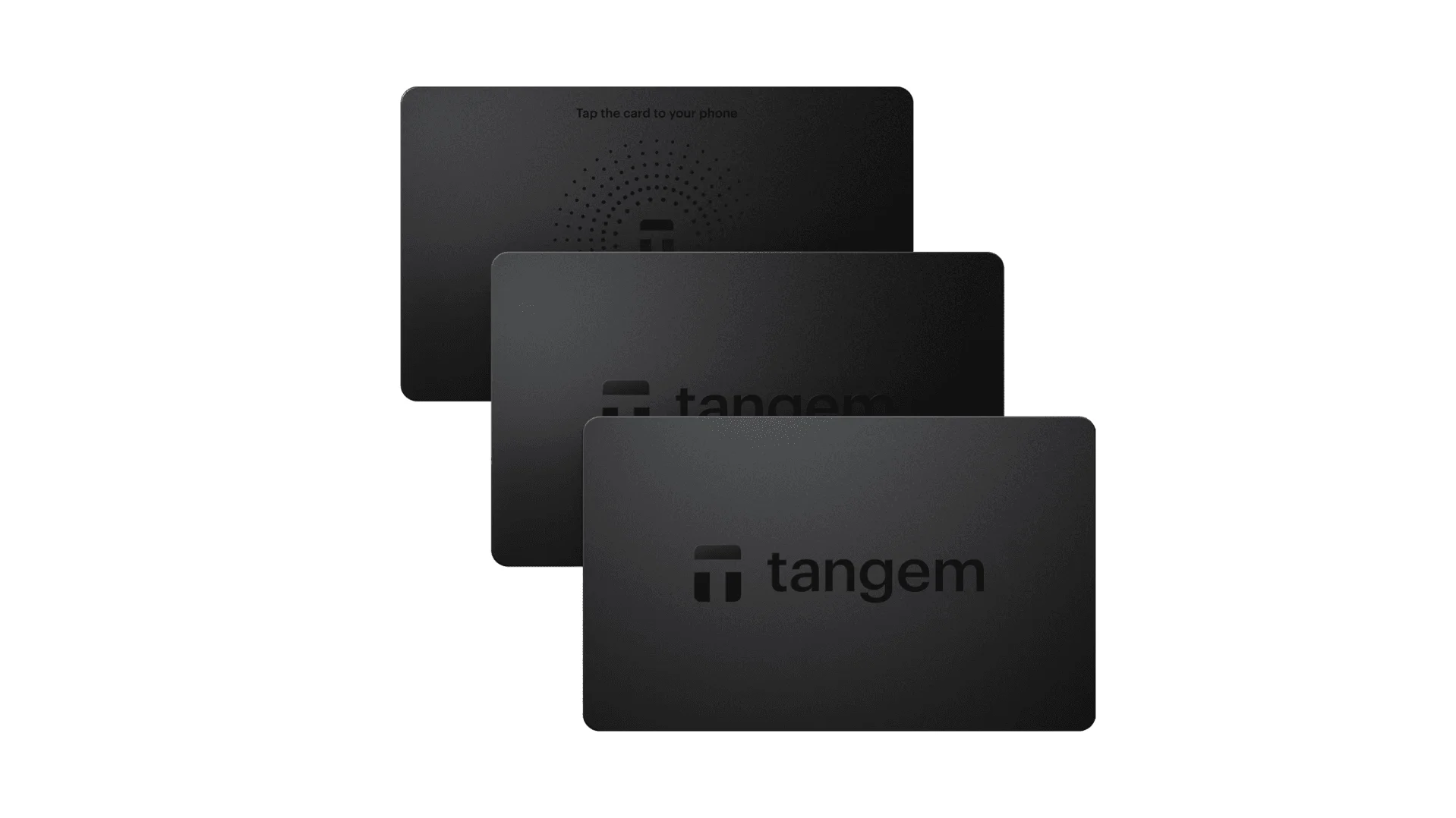 |
| 安全元件 | ✅ EAL 6+ 安全元件 | ✅ 四个 EAL 6+(银行/护照级)安全元件 | ✅ EAL6+ 安全元件 | ✅ EAL 6+ 安全元件 | ⚠️ EAL 5+ 安全元件,闭源 | ⚠️ 双芯片(含 ATECC608B) | ✅ EAL 6+ 安全元件 |
| 屏幕与交互 | ⚠️ 128×64 单色 OLED + 按键 | ✅ 3.5 英寸高清彩色触控屏 + 摄像头扫描 + 蓝牙 + NFC | ✅ 3.7 英寸弧形 E-Ink 触控屏 | ✅ 1.54 英寸彩色触控屏(240×240)+ 触觉反馈 | ✅ 4.0 英寸彩色 IPS 全触控屏 | ⚠️ 128×64 单色 OLED + 电容触控 | ❌ 无屏幕,仅卡片式 |
| 连接方式 | ✅ 蓝牙 / USB-C | ✅ 空气隔离扫描 + 蓝牙 + USB-C | ✅ USB-C + 蓝牙 | ⚠️ 仅 USB-C | ✅ 完全空气隔离,基于 QR | ⚠️ USB-C(无无线) | ✅ 通过智能手机 NFC |
| 无线充电 | ❌ 不支持 | ✅ 支持 Qi 无线充电 | ✅ 支持 Qi 无线充电 | ❌ 不支持 | ❌ 不支持 | ❌ 不支持 | ❌ 不支持 |
| 备份方式 | ✅ 手动记录 / Keytag 备份 | ✅ 手动记录 / Lite 卡片备份 | ⚠️ 手动助记词 / Ledger Recovery Key(云) | ✅ 手动助记词 | ✅ 手动助记词 | ⚠️ microSD 即时备份 | ⚠️ 多卡备份 |
| 签名方式 | ✅ 实体按键确认 | ✅ 指纹识别 | ✅ 触控屏签名 | ✅ 实体按键确认 | ✅ 基于 QR 的签名 | ✅ 触控确认 | ⚠️ NFC 触碰确认 |
| 交易解析与提醒 | ✅ SignGuard 通过 App + 硬件双重解析并提供提醒 | ✅ SignGuard 通过 App + 硬件双重解析并提供提醒 | ⚠️ 解析有限,无提醒 | ⚠️ 仅提供基础交易信息 | ⚠️ 显示信息有限 | ⚠️ 仅基础信息 | ❌ 无 |
| 开源状态 | ✅ 完全开源 | ✅ 完全开源 | ❌ 固件闭源,部分 SDK 开源 | ✅ 固件和软件开源 | ❌ 闭源 | ✅ 完全开源 | ❌ 闭源 |
| 多链支持 | ✅ 100+ 条链,30,000+ 种代币 | ✅ 覆盖更广 | ✅ 通过 Ledger Live 支持 5,500+ 代币 | ✅ BTC / ETH / 多链 | ⚠️ 覆盖有限 | ⚠️ BTC / ETH / 部分 ERC-20 | ⚠️ 主要是 ETH / TON |
| 隐私 | ✅ 开源透明 + Web2 密钥 | ✅ 开源透明 + Web2 密钥 | ⚠️ 依赖 Ledger Live,存在数据顾虑 | ✅ 开源透明 | ❌ 无特殊隐私功能 | ⚠️ 基础隐私功能 | ✅ IP69K 防水防尘 |
| Web2 登录(FIDO) | ✅ 支持 WebAuthn | ✅ 支持 WebAuthn | ❌ 不支持 | ⚠️ 部分 FIDO2 支持 | ❌ 不支持 | ❌ 不支持 | ❌ 不支持 |
| 隐藏钱包 | ✅ 支持 | ✅ 支持 | ✅ 支持 | ✅ 支持 | ✅ 支持 | ✅ 支持 | ❌ 不支持 |
| 绑定 PIN | ✅ 支持 | ✅ 支持 | ✅ 支持 | ❌ 不支持 | ❌ 不支持 | ❌ 不支持 | ❌ 不支持 |
| 交互易用性 | ⚠️ 基础交互 | ✅ Turbo Mode(简化签名,更快确认) | ⚠️ 基础交互 | ⚠️ 基础交互 | ⚠️ 基础交互 | ⚠️ 基础交互 | ⚠️ 基础交互 |
| 多签兼容性 | ✅ 主流多签协议 | ✅ 同左 | ⚠️ 需要 App 插件 | ✅ 支持 Electrum / Sparrow | ⚠️ 较差 | ⚠️ 有限的 Electrum 多签 | ❌ 不支持 |
| 包装与固件安全 | ✅ 防篡改包装 + 固件验证 | ✅ 同左 | ⚠️ 闭源固件签名 | ✅ 固件签名验证 | ⚠️ 无开放验证 | ⚠️ 基础封装 | ❌ 无固件验证 |
| WalletScrutiny 验证 | ✅ 通过全部 10 项检查 | ✅ 通过全部 10 项检查 | ❌ 未通过 | ✅ 通过 | ❌ 未通过 | ⚠️ 部分通过 | ❌ 未通过 |
| 行业支持 | ✅ 获 Coinbase 与 YZi Labs 支持 | ✅ 获 Coinbase 与 YZi Labs 支持 | ✅ 由 a16z、Samsung 支持 | ✅ 获社区与安全研究人员支持 | ⚠️ 无 | ⚠️ 无显著支持者 | ⚠️ 无 |
| 价格区间 | 💰 79–99 美元 | 💰 278 美元 | 💰 399 美元 | 💰 169 美元 | 💰 169 美元 | 💰 149.99 美元 | 💰 60–90 美元(3 件装) |
为什么 OneKey 硬件是 O 链自托管的最佳选择
如果说软件钱包是你的指挥中心,那么硬件钱包就是你的最后一道防线。
对于 O 链用户来说,硬件安全不只是为了保护助记词。更重要的是,设备本身能否帮助你理解自己正在批准什么。只有安全元件还不够,如果屏幕不能清楚解释交易,那就没有真正解决问题。这就是签名体验如此重要的原因。
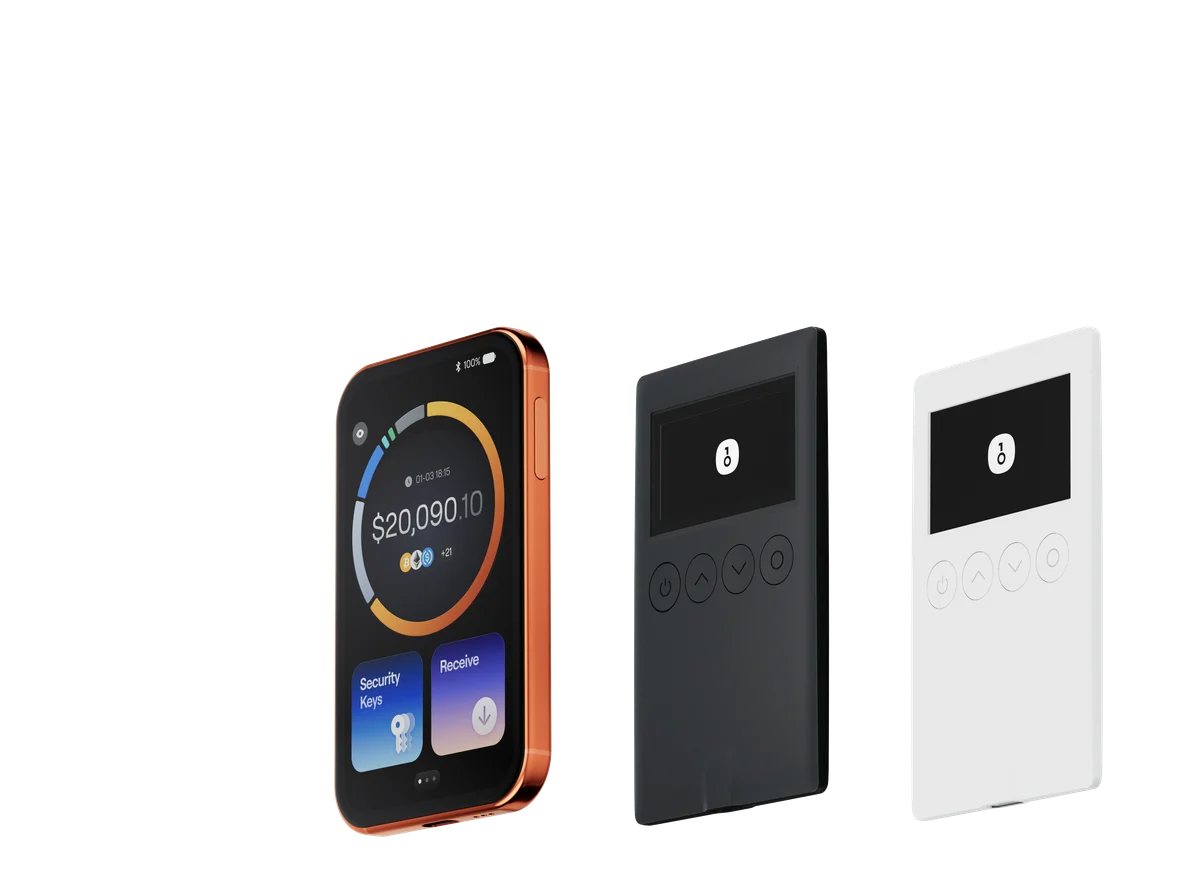
OneKey Pro 是希望拥有高端设备、更丰富交互、更强便利性以及更完整签名流程用户的最强全能选择。它的大屏触控、指纹认证和集成解析流程,让频繁签名的用户使用起来格外舒适。
OneKey Classic 1S 则仍然是一个非常实用的选择,适合希望以更低价格获得安全自托管,但又不牺牲核心安全功能的用户。它体积小、开源,并且非常适合重视直接防护而非不必要复杂性的用户。
在这两款设备上,OneKey 的 SignGuard 系统才是真正的差异化所在。硬件钱包常常声称能保护私钥,但仅仅保护私钥并不能解决恶意签名日益增长的问题。SignGuard 通过在批准前解析交易内容,帮助弥补这一缺口,使 App 与设备协同工作,而不是彼此孤立。
相比之下,许多竞争硬件钱包仍然在以下一个或多个方面表现不足:
- 交易解析有限或不清晰
- 对可疑授权的提醒较弱
- 固件闭源或验证能力有限
- 面向多链用户的流程不够顺畅
- 对频繁链上活动的生态覆盖较弱
这使它们对于既需要安全又需要速度的 O 链用户来说不够理想。
2026 年最佳 O 钱包:最终结论
当你在 2026 年为 O 链使用场景评估钱包时,胜出的不是营销预算最大的那个,而是那个能在你签名前让你最清楚知道正在发生什么的钱包。
因此,最佳整体方案是:
- OneKey App:用于日常 O 链管理、兑换、资产组合跟踪和风险感知签名
- OneKey Pro:适合想要最先进硬件体验的用户
- OneKey Classic 1S:适合想要简单、安全、价格合理的硬件钱包的用户
它们组合在一起,构成了一套特别适合 O 链用户的自托管方案,关注点包括:
- 更安全的授权
- 更强的交易解析
- 更少的盲签风险
- 更广泛的多链覆盖
- 实用的 DeFi 访问
- 硬件背书的安全性
最重要的是,OneKey 的 SignGuard 将交易解析置于钱包体验的核心,而这正是 2026 年它应有的位置。随着链上活动变得越来越复杂、骗局也越来越难靠人工识别,清晰签名不再是可选项,而是严肃用户应当要求的标准。
如果你想在 2026 年获得最佳 O 钱包体验,请选择那种能让安全更容易理解、也更难被绕过的组合。现在就访问 onekey.so,开始使用 OneKey App、OneKey Pro 或 OneKey Classic 1S,打造更智能、更安全的 O 链自托管方案。