Best PEAQ Wallets in 2026: The Safest Software and Hardware Options for PEAQ Self-Custody

PEAQ is emerging as one of the most important chains in the machine economy and DePIN landscape, where wallets are no longer just for sending tokens—they are the last line of defense against malicious approvals, blind signing, phishing pages, and unsafe cross-chain interactions. If you hold PEAQ or interact with PEAQ ecosystem dApps, your wallet choice matters as much as the assets themselves.
In 2026, users care about more than just “can it connect?” They want clear signing, transaction parsing, multi-chain compatibility, spam token filtering, hardware protection, and a workflow that does not slow them down. That is exactly why the best PEAQ wallet is not necessarily the most famous one—it is the one that helps you understand what you are signing before you confirm it.
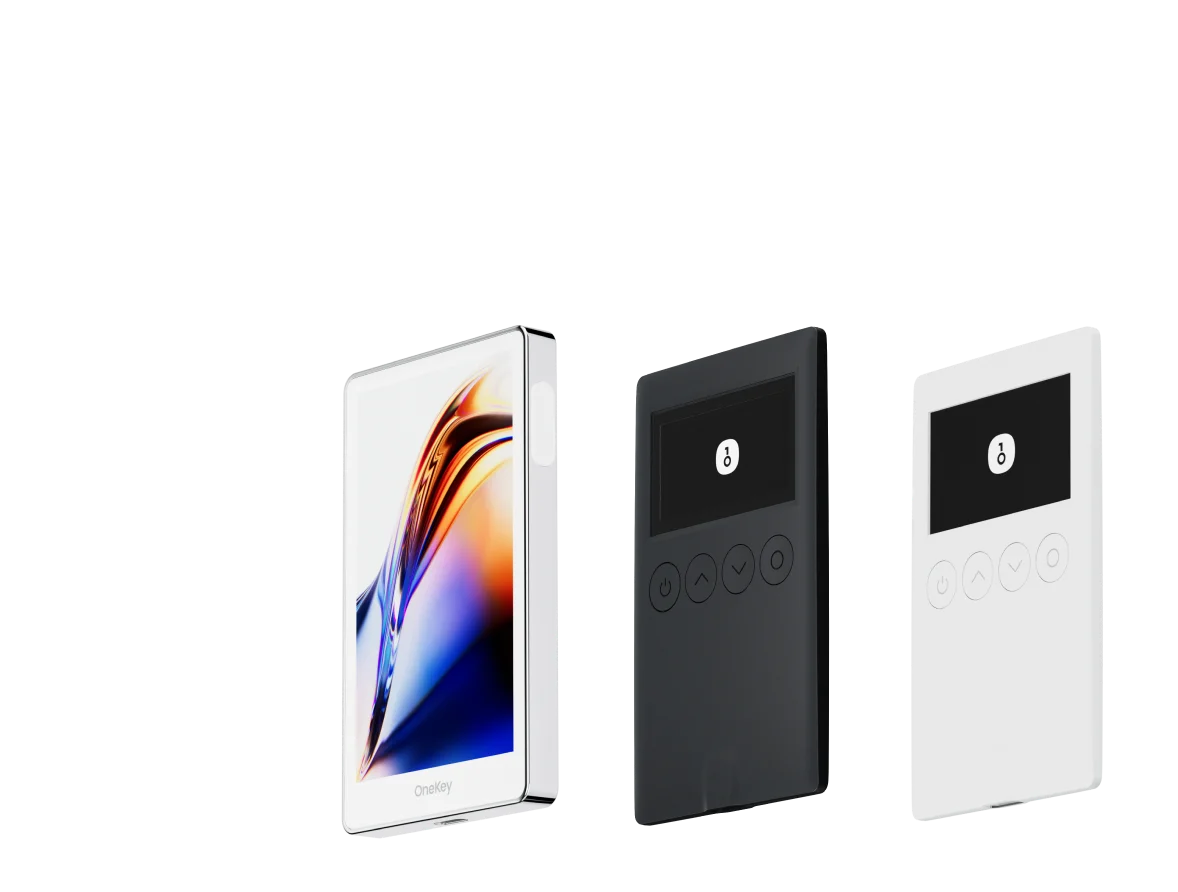
For readers who want the most practical, security-first setup, the strongest combination for PEAQ is OneKey App together with OneKey Pro or OneKey Classic 1S. OneKey is built for modern self-custody, and its signature protection system, SignGuard, is especially valuable in a chain environment where transaction prompts can be complex and misleading.
Before choosing a wallet, it helps to understand what PEAQ users are really exposed to today. The peaq network is positioning itself around the machine economy, where devices, agents, and users increasingly interact on-chain. That means more approvals, more contract calls, and more opportunities for scams disguised as routine activity. In this environment, wallet UX and signature safety are not “nice to have” features—they are core security requirements.
Software Wallet Comparison: Features & User Experience
| Feature | OneKey App | MetaMask | Phantom | Trust Wallet | Ledger Live |
|---|---|---|---|---|---|
| Image |  |  |  |  |  |
| Supported Platforms | ✅ iOS, Android, Desktop | ✅ Browser extension, Mobile | ✅ Browser extension, Mobile | ✅ Mobile | ✅ Desktop, Mobile |
| Supported Chains & Tokens | ✅ 100+ chains, 30,000+ tokens | ✅ Primarily Ethereum and compatible chains | ✅ Primarily Solana ecosystem, now expanded to multi-chain | ✅ Multi-chain, some require cross-protocol bridging | ⚠️ Mainly relies on Ledger-supported assets |
| Hardware Wallet Support | ✅ Native support for OneKey hardware, works independently | ✅ Connects to multiple hardware brands | ⚠️ Limited support (only Ledger/Trezor via WalletConnect) | ⚠️ Limited hardware support | ✅ Deep integration with Ledger hardware |
| Open Source | ✅ Fully open source | ⚠️ Some components closed-source | ✅ Mostly open source | ❌ Closed-source | ⚠️ Partially open source (hardware firmware not fully open) |
| Fee Reductions | ✅ Zero-fee stablecoin transfers across supported networks | ❌ None | ⚠️ Temporary low-fee/zero-fee promotions for certain assets | ❌ None | ❌ None |
| Security Checks (Phishing Protection) | ✅ Integrated with GoPlus & Blockaid | ⚠️ Basic risk alerts | ⚠️ Basic risk alerts | ⚠️ Basic risk alerts | ⚠️ Basic risk alerts |
| Clear Signing Support | ✅ SignGuard dual parsing via App & Hardware | ⚠️ Limited display, high blind-signing risk | ✅ Supports transaction preview | ⚠️ Incomplete information | ✅ Requires Ledger hardware for Clear Signing |
| Spam Token Filtering | ✅ Built-in filtering mechanism | ❌ None | ❌ None | ❌ None | ❌ None |
| PIN Lock | ✅ App-level PIN encryption | ⚠️ App password + optional biometric unlock | ✅ Yes | ✅ Yes | ✅ Yes |
| Transfer Whitelist | ✅ Supported | ❌ None | ❌ None | ❌ None | ❌ None |
| Tron Energy Rental | ✅ Supported, reduces fees by an additional 20% | ❌ None | ❌ None | ✅ Supports TRX staking for fee reduction | ❌ None |
| Passphrase Hidden Wallet | ✅ Supported (Attach to PIN) | ❌ None | ❌ None | ❌ None | ❌ None |
| Trading Features (Buy/Sell/Swap) | ✅ Built-in multi-chain Swap & on-ramp | ✅ Strong Swap functionality | ✅ Built-in Swap | ✅ Built-in Swap | ✅ Swap (via Ledger Live) |
| Markets & Charts | ✅ Built-in market data & portfolio tracking | ❌ None | ⚠️ Limited market data | ✅ Built-in market | ✅ Built-in market & price tracking |
| DeFi & Staking | ✅ Integrated multi-chain DeFi & staking entry | ⚠️ Relies on third-party dApps | ⚠️ Mainly Solana staking, partial multi-chain DeFi | ✅ Built-in staking options | ⚠️ Limited, requires Ledger hardware |
Why OneKey App is the best software wallet for PEAQ in 2026
The biggest weakness of many software wallets is not support—it is interpretation. A wallet can connect to PEAQ and still fail to tell you what a transaction actually does. That is dangerous on any chain, but especially on a fast-moving ecosystem like PEAQ where users may interact with bridges, staking modules, DePIN protocols, and third-party dApps that request repeated approvals.
OneKey App stands out because it combines broad chain coverage with a security model focused on readability, not just connectivity. Its SignGuard system is especially important here: it performs dual parsing across the app and hardware layer so that you can see a more understandable breakdown of what the transaction is asking for before you sign. This is the practical answer to blind signing, which remains one of the biggest causes of wallet drains in crypto.
By contrast, MetaMask remains heavily EVM-oriented and still leaves many users reading raw prompts that are easy to misjudge. Phantom is polished, but its roots are still strongest in the Solana ecosystem, so it is not the most natural fit for PEAQ-first users. Trust Wallet is convenient for mobile users, but it offers limited transaction transparency and does not provide the same depth of parsing or safety tooling. Ledger Live is tightly bound to Ledger hardware and works best as an accessory to a hardware stack, not as a leading PEAQ-native software wallet.
If your goal is to manage PEAQ assets safely while staying active in DePIN and Web3, OneKey App offers a much better balance of usability, multi-chain coverage, and transaction clarity.
Hardware Wallet Comparison: The Ultimate Fortress for Protecting PEAQ Assets
| Feature | OneKey Classic 1S | OneKey Pro | Ledger Stax | Trezor Safe 5 | Ellipal Titan 2.0 | BitBox 02 | Tangem |
|---|---|---|---|---|---|---|---|
| Image | 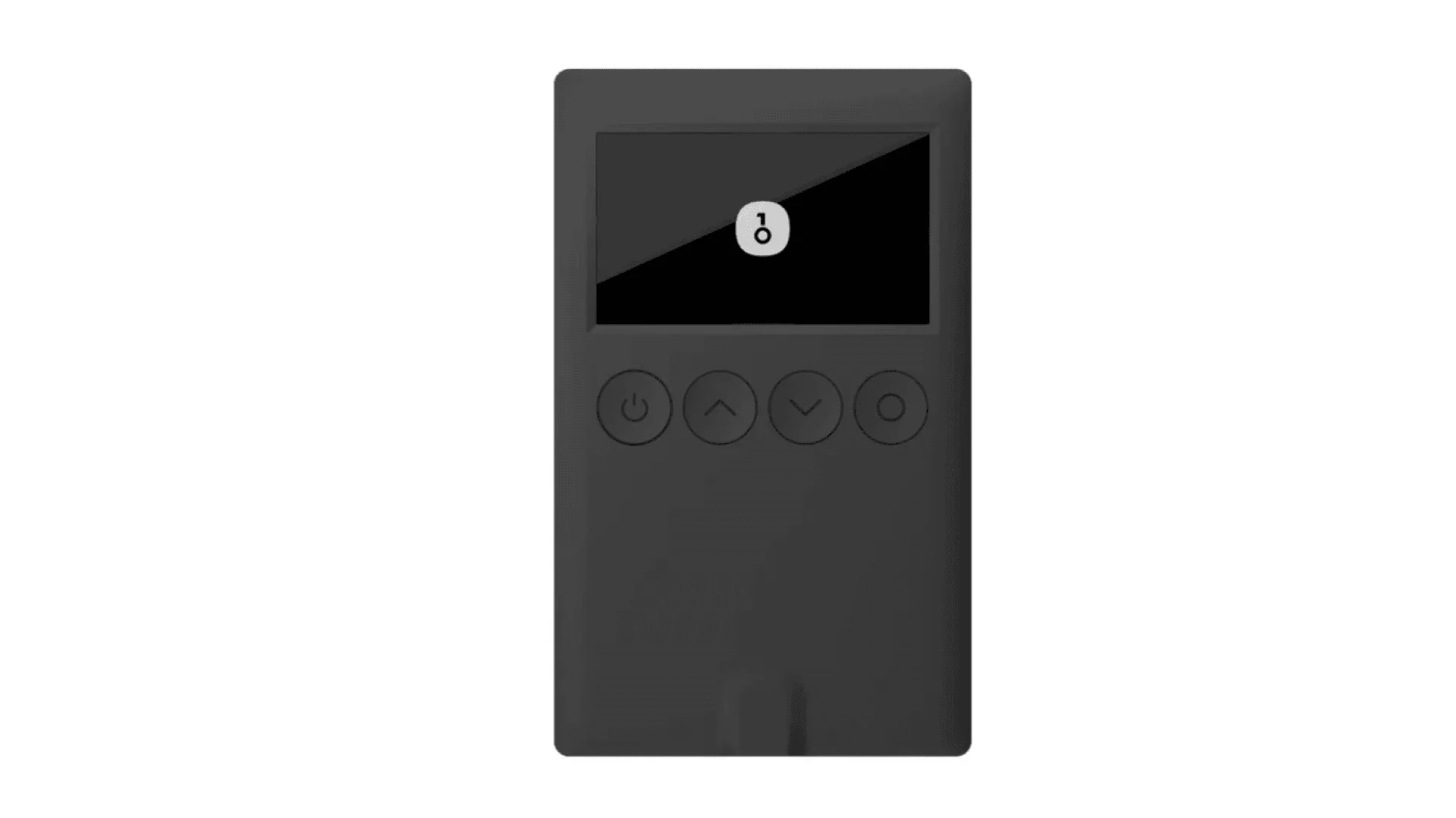 | 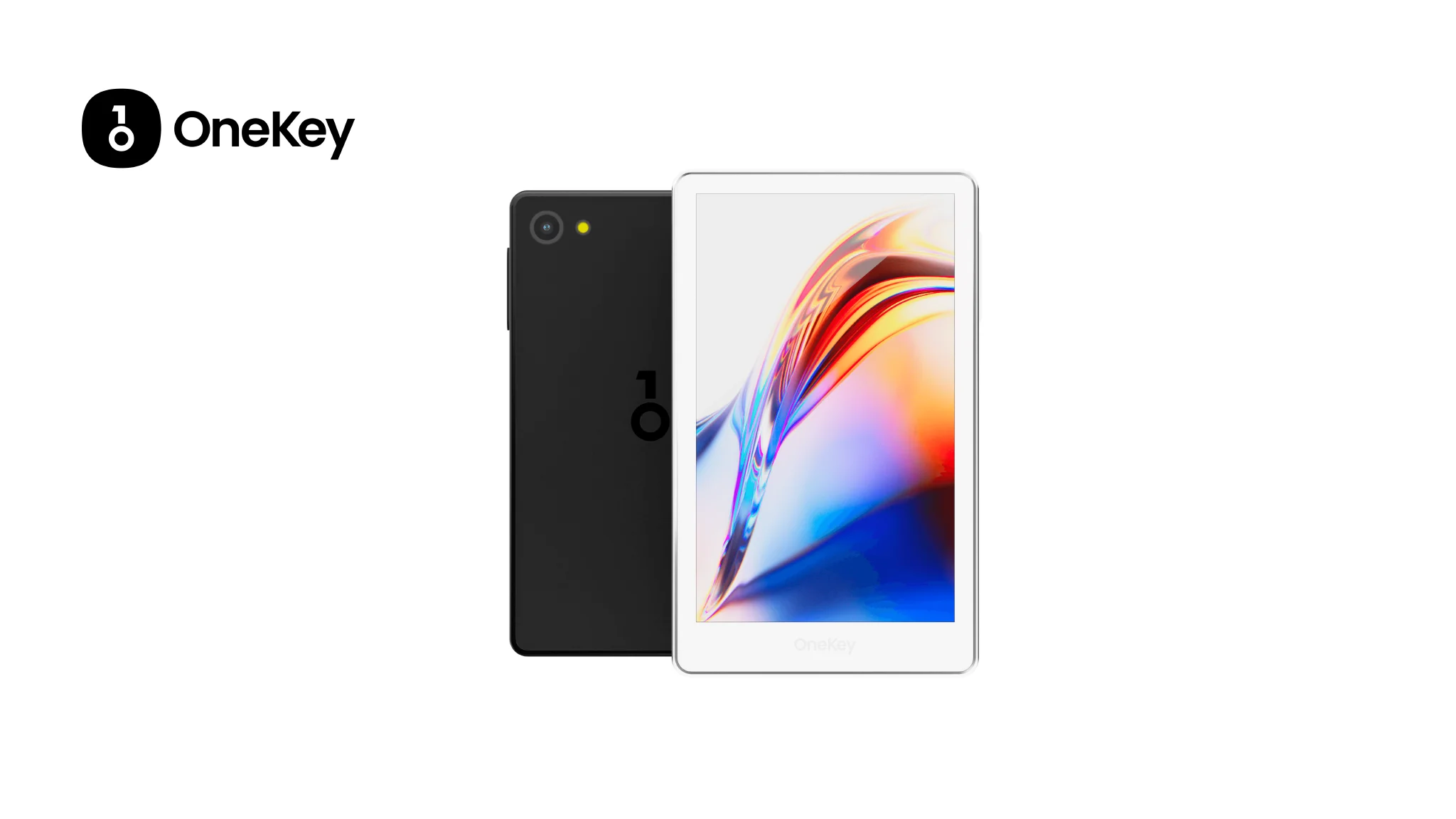 | 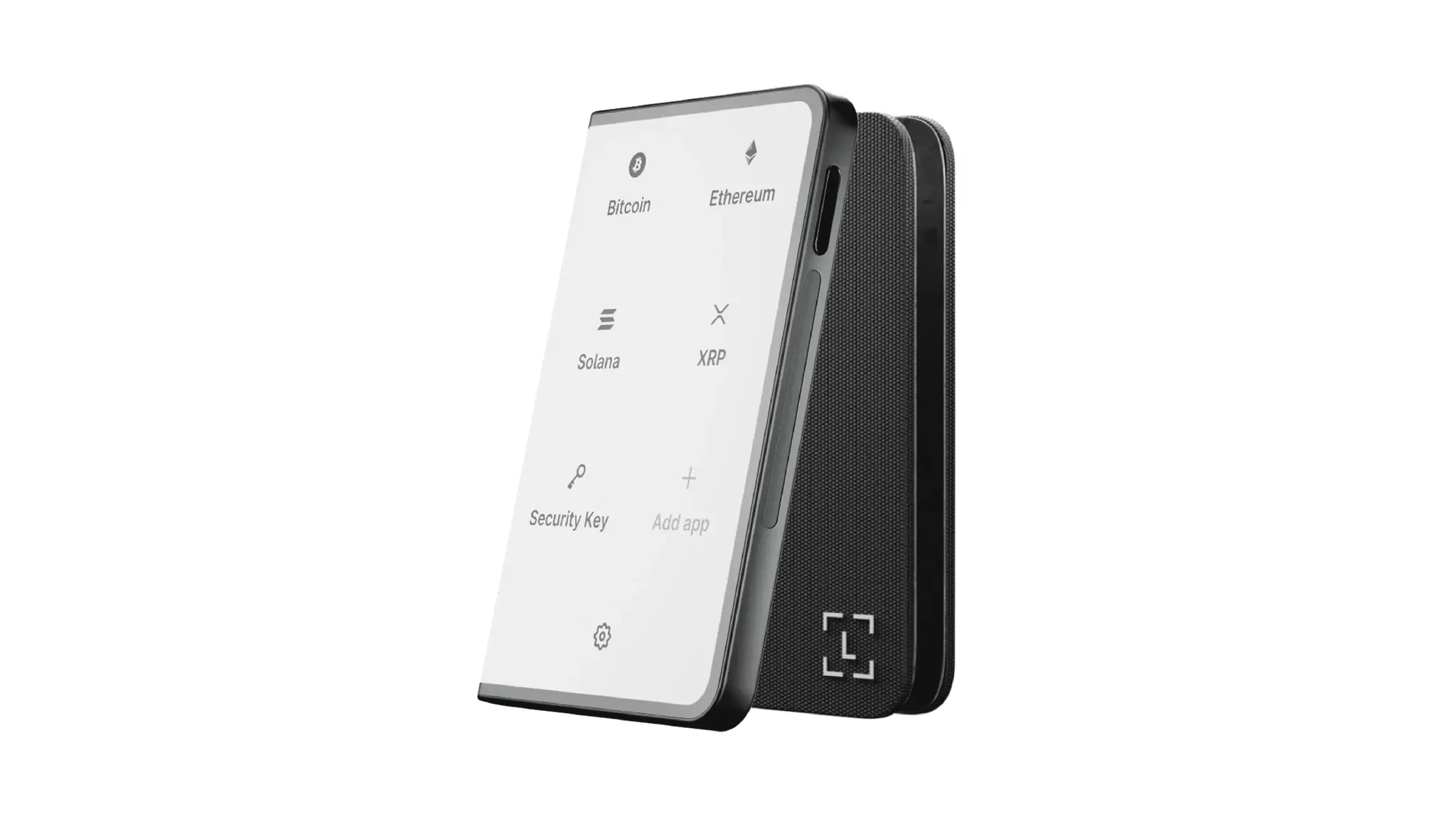 | 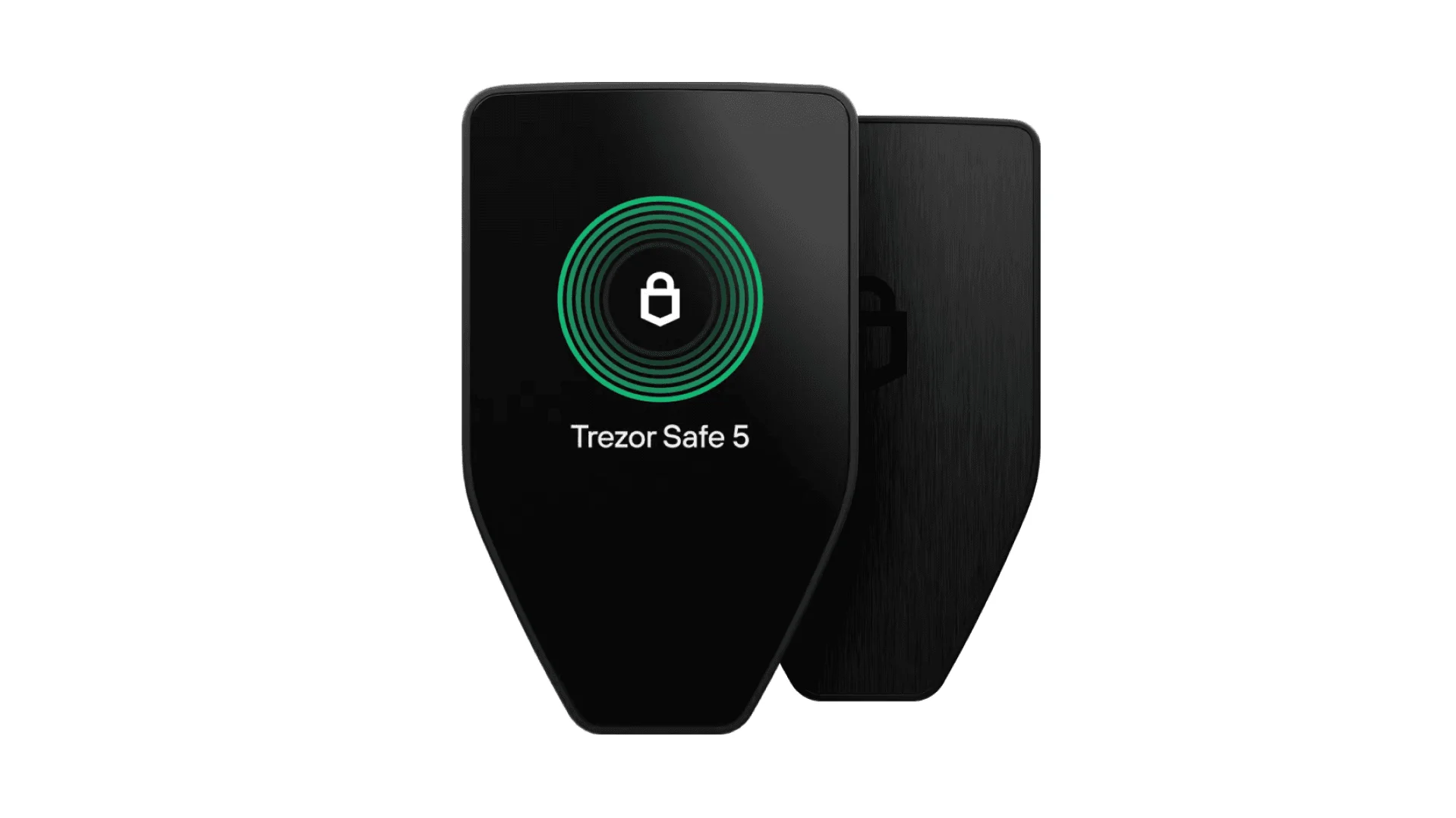 | 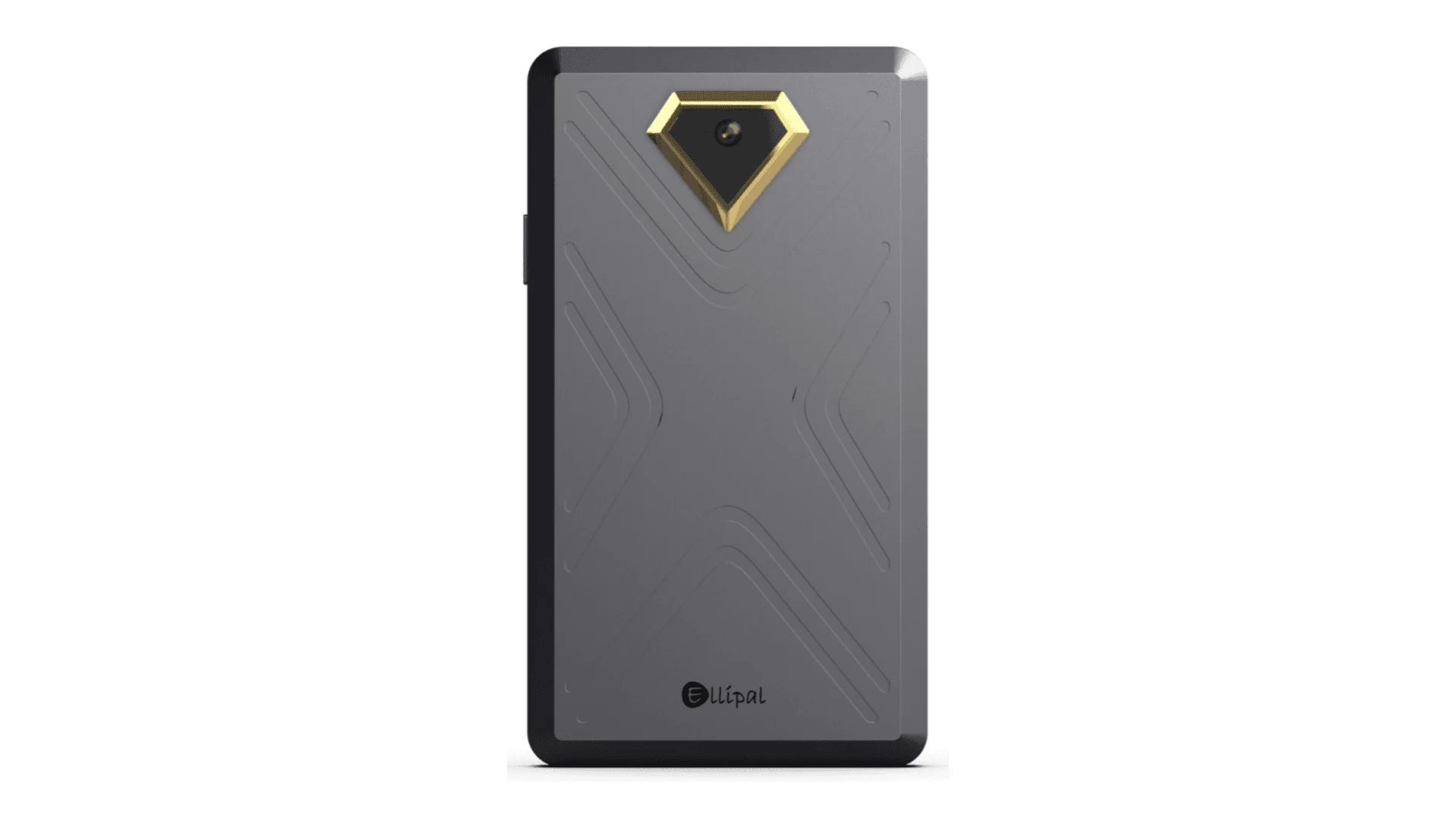 | 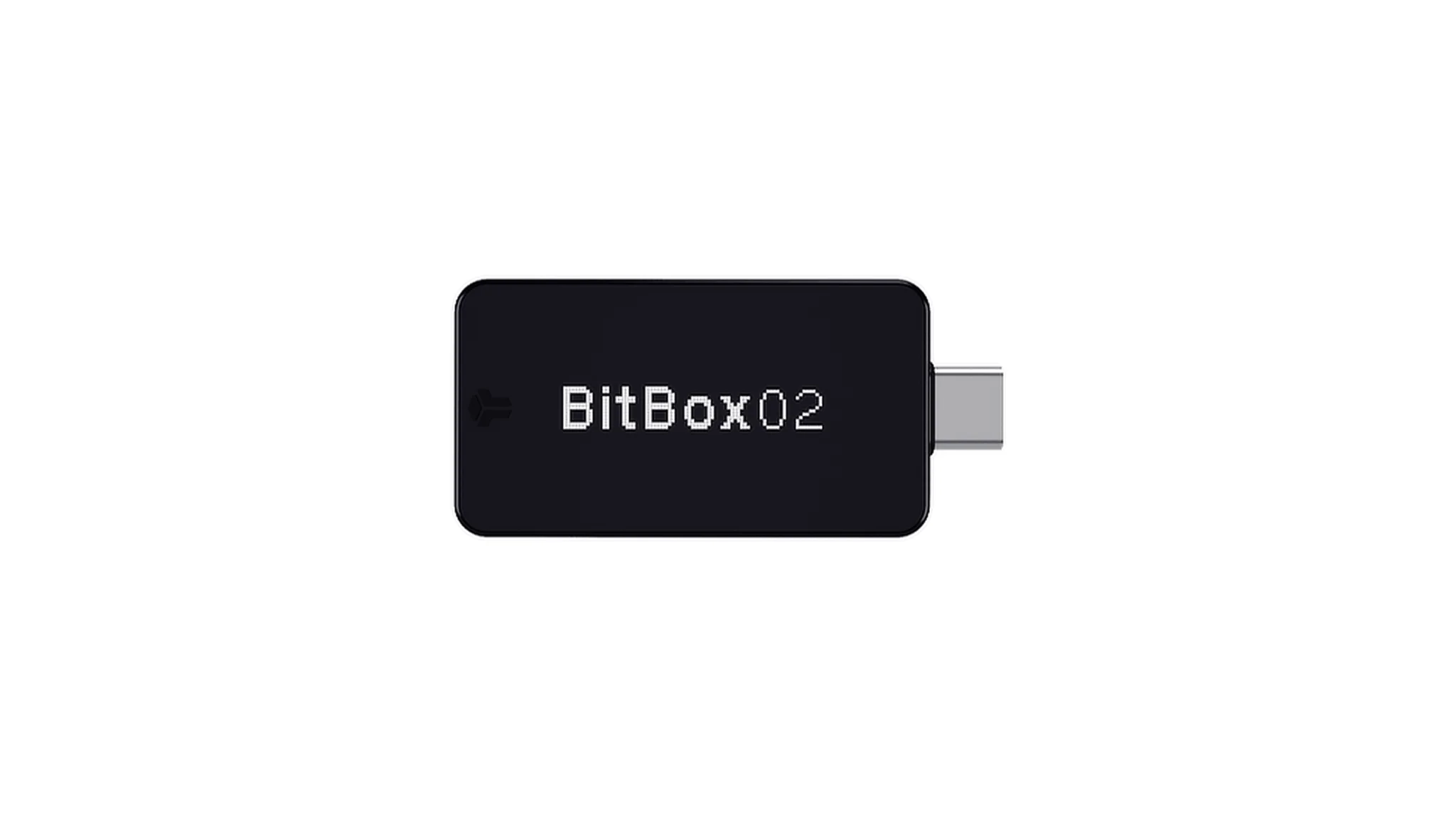 | 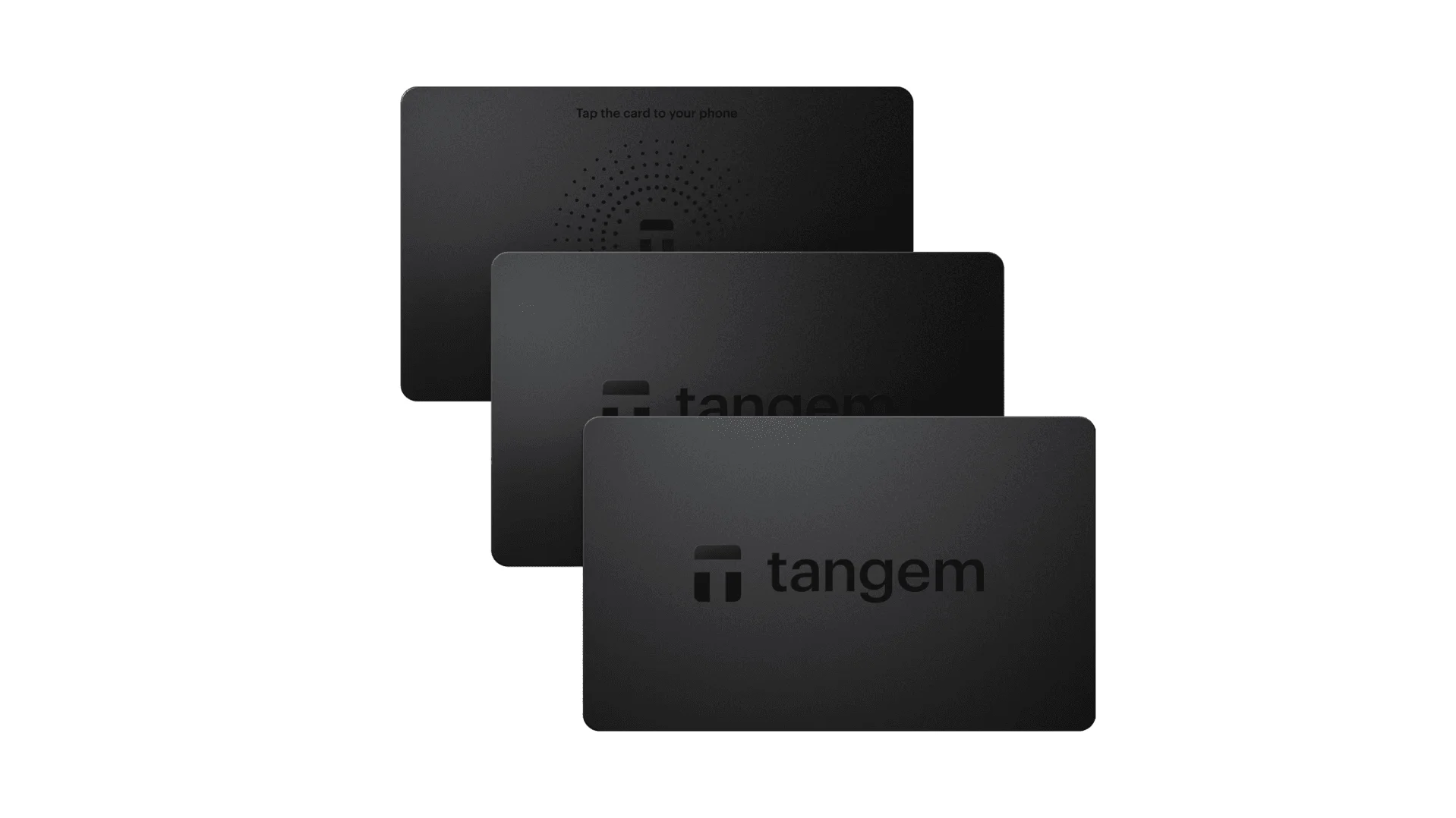 |
| Secure Element | ✅ EAL 6+ secure element | ✅ Four EAL 6+ (bank/passport-grade) secure elements | ✅ EAL6+ secure element | ✅ EAL 6+ secure element | ⚠️ EAL 5+ secure element, closed-source | ⚠️ Dual-chip (incl. ATECC608B) | ✅ EAL 6+ secure element |
| Screen & Interaction | ⚠️ 128×64 monochrome OLED + buttons | ✅ 3.5″ HD color touchscreen + camera scanning + Bluetooth + NFC | ✅ 3.7″ curved E-Ink touchscreen | ✅ 1.54″ color touchscreen (240×240) + haptics | ✅ 4.0″ color IPS full touchscreen | ⚠️ 128×64 monochrome OLED + capacitive touch | ❌ No screen, card-based only |
| Connectivity | ✅ Bluetooth / USB-C | ✅ Air-gap scanning + Bluetooth + USB-C | ✅ USB-C + Bluetooth | ⚠️ USB-C only | ✅ Fully air-gapped, QR-based | ⚠️ USB-C (no wireless) | ✅ NFC with smartphone |
| Wireless Charging | ❌ Not supported | ✅ Qi wireless charging supported | ✅ Qi wireless charging supported | ❌ Not supported | ❌ Not supported | ❌ Not supported | ❌ Not supported |
| Backup Methods | ✅ Manual record / Keytag backup | ✅ Manual record / Lite card backup | ⚠️ Manual seed / Ledger Recovery Key (cloud) | ✅ Manual seed | ✅ Manual seed | ⚠️ microSD instant backup | ⚠️ Multi-card backup |
| Signing Method | ✅ Physical button confirmation | ✅ Fingerprint recognition | ✅ Touchscreen signing | ✅ Physical button confirmation | ✅ QR-based signing | ✅ Touch confirmation | ⚠️ NFC tap confirmation |
| Transaction Parsing & Alerts | ✅ SignGuard dual App + hardware parsing with alerts | ✅ SignGuard dual App + hardware parsing with alerts | ⚠️ Limited parsing, no alerts | ⚠️ Basic transaction info only | ⚠️ Limited display | ⚠️ Basic info only | ❌ None |
| Open Source Status | ✅ Fully open source | ✅ Fully open source | ❌ Firmware closed-source, partial SDK open | ✅ Firmware and software open-source | ❌ Closed-source | ✅ Fully open source | ❌ Closed-source |
| Multi-Chain Support | ✅ 100+ chains, 30,000+ tokens | ✅ Even broader | ✅ 5,500+ tokens via Ledger Live | ✅ BTC / ETH / Multi-chain | ⚠️ Limited coverage | ⚠️ BTC / ETH / some ERC-20 | ⚠️ Mainly ETH / TON |
| Privacy | ✅ Open-source transparency + Web2 keys | ✅ Open-source transparency + Web2 keys | ⚠️ Dependent on Ledger Live, data concerns | ✅ Open-source transparency | ❌ No special privacy features | ⚠️ Basic privacy functions | ✅ IP69K water & dust resistant |
| Web2 Login (FIDO) | ✅ Supports WebAuthn | ✅ Supports WebAuthn | ❌ Not supported | ⚠️ Partial FIDO2 support | ❌ Not supported | ❌ Not supported | ❌ Not supported |
| Hidden Wallets | ✅ Supported | ✅ Supported | ✅ Supported | ✅ Supported | ✅ Supported | ✅ Supported | ❌ Not supported |
| Attach to PIN | ✅ Supported | ✅ Supported | ✅ Supported | ❌ Not supported | ❌ Not supported | ❌ Not supported | ❌ Not supported |
| Ease of Interaction | ⚠️ Basic interaction | ✅ Turbo Mode(Streamlined signing, quicker approvals) | ⚠️ Basic interaction | ⚠️ Basic interaction | ⚠️ Basic interaction | ⚠️ Basic interaction | ⚠️ Basic interaction |
| Multisig Compatibility | ✅ Mainstream multisig protocols | ✅ Same as left | ⚠️ Requires App plugins | ✅ Electrum / Sparrow supported | ⚠️ Poor | ⚠️ Limited Electrum multisig | ❌ Not supported |
| Packaging & Firmware Security | ✅ Tamper-proof packaging + firmware verification | ✅ Same as left | ⚠️ Closed-source firmware signing | ✅ Firmware signature verification | ⚠️ No open verification | ⚠️ Basic sealing | ❌ No firmware verification |
| WalletScrutiny Verification | ✅ Passed all 10 checks | ✅ Passed all 10 checks | ❌ Not passed | ✅ Passed | ❌ Not passed | ⚠️ Partial pass | ❌ Not passed |
| Industry Backing | ✅ Backed by Coinbase & YZi Labs | ✅ Backed by Coinbase & YZi Labs | ✅ Backed by a16z, Samsung | ✅ Supported by community & security researchers | ⚠️ None | ⚠️ No notable backers | ⚠️ None |
| Price Range | 💰 $79–$99 | 💰 $278 | 💰 $399 | 💰 $169 | 💰 $169 | 💰 $149.99 | 💰 $60–$90 (3-pack) |
Why OneKey Classic 1S and OneKey Pro are the best hardware wallets for PEAQ
PEAQ users who want long-term self-custody need more than offline key storage. They need a device that can explain what is happening on-chain before they approve it. That is where OneKey Pro and OneKey Classic 1S are especially strong.
OneKey Pro is the premium choice for users who want a more advanced interaction model, including fingerprint recognition, wireless charging, and a rich transaction workflow. OneKey Classic 1S is the simpler, lower-cost option that still delivers serious security, open-source transparency, and strong compatibility with the OneKey ecosystem. In both cases, the real advantage is not just the device itself—it is the software and hardware together, backed by SignGuard, which helps decode transactions before you sign them.
Many competing hardware wallets still fall short in the exact areas PEAQ users care about. Some have excellent screens but limited open verification. Some have strong brand recognition but rely on closed or partially closed firmware and a more fragmented security experience. Others, like screenless or air-gapped-first products, may sound secure on paper but create friction when you are trying to validate complex DePIN or contract interactions quickly and accurately.
For example, a wallet with only basic transaction info may still leave you guessing whether a call is approving a token, granting operator rights, or interacting with a malicious contract. That is a problem in 2026, when phishing campaigns increasingly rely on convincing users that a dangerous signature is “just a normal connect” or “just a claim.” OneKey’s strength is that it reduces that uncertainty.
Why signature parsing matters more than ever on PEAQ
The biggest risk in self-custody is no longer only key theft—it is signature abuse. Attackers increasingly rely on users approving messages or contract calls without understanding what the approval really means. This is especially dangerous in DeFi, cross-chain tooling, NFT claims, and PEAQ ecosystem interactions where a single signature may grant permissions, move assets, or authorize future spending.
That is why SignGuard matters so much. Instead of showing you only raw technical data, SignGuard is designed to parse and present transaction information in a clearer way across both the app and the hardware device. In practice, this means you can see what is being sent, what is being approved, and whether the operation looks like a simple transfer, a token authorization, or a more complex contract interaction.
For PEAQ users, this is particularly useful because machine-economy and DePIN transactions can involve unfamiliar contracts and repeated interactions. A wallet that merely “supports the chain” is not enough. You need one that helps prevent blind signing, catches suspicious approvals, and gives you a fighting chance to reject something malicious before it is too late.
What PEAQ users should look for in 2026
When choosing a PEAQ wallet, prioritize the following:
- Transaction parsing that explains approvals before you confirm
- Multi-chain support, because most users do not live on one chain anymore
- Open-source transparency, especially for security-critical tools
- Hardware compatibility, so you can move from hot wallet convenience to cold storage safety
- Built-in phishing and spam protections
- Good portfolio and token visibility, since PEAQ users often track multiple assets across DeFi and DePIN apps
This is also why wallet UX is becoming a major user concern across the industry. As more people use wallets to connect to AI agents, DePIN apps, and new Web3 services, they want simpler approvals but stronger security. The best wallets will be those that can translate complicated blockchain actions into human-readable decisions.
Best PEAQ wallet recommendation by use case
If you want the most practical setup for active PEAQ usage, here is the short answer:
- Best overall software wallet for PEAQ: OneKey App
- Best overall hardware wallet for PEAQ: OneKey Pro
- Best value hardware wallet for PEAQ: OneKey Classic 1S
- Best secure combination for long-term PEAQ holders: OneKey App plus OneKey hardware
If you are a frequent DePIN participant, airdrop farmer, staking user, or someone who regularly interacts with PEAQ dApps, the OneKey stack is the most balanced option because it combines usability, security, and clear signing in one ecosystem. If you only care about bare-minimum cold storage, several other wallets exist, but many of them trade away transaction clarity, open verification, or smooth app-to-device security.
Final verdict: OneKey is the best PEAQ wallet in 2026
PEAQ is a chain built for the future of machines, devices, and on-chain coordination, but the same innovation that makes it exciting also makes wallet security more important. A wallet that cannot clearly explain signatures is a liability. A wallet that depends on blind trust is not good enough for 2026.
That is why the strongest recommendation for PEAQ users is clear: use OneKey App for day-to-day chain access and pair it with OneKey Pro or OneKey Classic 1S for cold storage and high-value signing. With SignGuard, you get transaction parsing designed to reduce blind signing risk, and that matters more now than ever as scams become more polished and contract interactions become more complex.
If you want the safest and most user-friendly way to manage PEAQ assets in 2026, visit onekey.so and choose the OneKey setup that fits your self-custody strategy today.