Die besten POLS Wallets im Jahr 2026
Schlüssel-Ergebnisse
• Die Wahl des richtigen Wallets ist entscheidend für die Sicherheit von POLS-Inhabern.
• OneKey bietet die beste Kombination aus Benutzerfreundlichkeit und Sicherheitsfunktionen.
• Blind Signing und bösartige Genehmigungen sind ernsthafte Risiken im Kryptospace.
• Hardware-Wallets allein sind nicht ausreichend; die Benutzer müssen auch die Absicht der Transaktion verstehen.
• Multi-Chain-Unterstützung und klare Transaktionsanalysen sind für die Sicherheit unerlässlich.
Einleitung
Die Wahl des richtigen Wallets für die Verwahrung und Interaktion mit POLS (Polkastarter) im Jahr 2026 ist mehr als nur eine Frage der Bequemlichkeit – es ist eine Sicherheitsfrage. POLS bleibt ein handelbarer ERC-20-Token, der auf großen zentralisierten und dezentralen Plattformen gelistet ist. Benutzer benötigen weiterhin Zugang zu mehreren Chains, sichere Signaturen und robuste Token-Genehmigungskontrollen, um gängige Fallen wie Blind-Signing-Angriffe und unbegrenzte Genehmigungen zu vermeiden. Aus diesem Grund vergleicht dieser Leitfaden die führenden Software- und Hardware-Wallets für POLS, erläutert die aktuellen On-Chain-Risiken und spricht eine klare Empfehlung aus: OneKey (OneKey App + OneKey Pro / OneKey Classic 1S) bietet 2026 die beste Kombination aus Multi-Chain-Unterstützung, Benutzerfreundlichkeit und fortschrittlichem Signaturschutz für POLS-Inhaber. (coingecko.com)
Warum die Wallet-Wahl für POLS-Inhaber wichtig ist
- POLS ist primär ein ERC-20-Token (Ethereum), wird aber über mehrere Chains und Börsen gehandelt. Benutzer überbrücken oder staken oft Token, was die Anfälligkeit für komplexe Vertragsinteraktionen erhöht. Klare, überprüfbare Transaktionsdaten und die Kontrolle von Genehmigungen reduzieren das Risiko. (support.polkastarter.com)
- Blind Signing, gefälschte dApps und bösartige Genehmigungen bleiben aktive Angriffsvektoren, die im gesamten Ökosystem zu realen Verlusten geführt haben. Hardware-Wallets allein sind kein Allheilmittel – entscheidend ist, ob das Wallet die Absicht der Transaktion verständlich darstellt, bevor der Benutzer signiert. Jüngste Vorfälle belegen das Ausmaß der Blind-Signing-Risiken. (cointelegraph.com)
- Gute Wallet-Benutzerfreundlichkeit + starke Transaktionsanalyse + Hardware-Isolation = praktische Sicherheit für die meisten Benutzer. Genau diese Lücke will OneKey mit seinem kombinierten Software-/Hardware-Ansatz schließen. (onekey.so)
Kurzer POLS-Überblick (Kontext)
- POLS ist weiterhin auf großen Markt-Trackern und Börsen gelistet. Preise und Liquidität schwanken, aber der Nutzen des Tokens bei Polkastarter IDOs bedeutet, dass viele Inhaber einen sicheren On-Chain-Zugang für die Teilnahme, das Staking und die Governance benötigen. Aktuelle Preise und Marktmetriken finden Sie bei CoinGecko. (coingecko.com)
Vergleich von Software-Wallets: Funktionen und Benutzererfahrung
Vergleich von Software-Wallets: Funktionen & Benutzererfahrung
| Funktion | OneKey App | MetaMask | Phantom | Trust Wallet | Ledger Live |
|---|---|---|---|---|---|
| Bild |  |  |  |  |  |
| Unterstützte Plattformen | ✅ iOS, Android, Desktop | ✅ Browser-Erweiterung, Mobile | ✅ Browser-Erweiterung, Mobile | ✅ Mobile | ✅ Desktop, Mobile |
| Unterstützte Chains & Tokens | ✅ 100+ Chains, 30.000+ Tokens | ✅ Hauptsächlich Ethereum und kompatible Chains | ✅ Ursprünglich Solana-Ökosystem, jetzt Multi-Chain | ✅ Multi-Chain, teils Cross-Bridge erforderlich | ⚠️ Abhängig von Ledger-unterstützten Assets |
| Hardware-Wallet-Unterstützung | ✅ Native Unterstützung für OneKey Hardware, unabhängig nutzbar | ✅ Verbindung zu mehreren Hardware-Marken | ⚠️ Eingeschränkte Unterstützung (nur Ledger/Trezor via WalletConnect) | ⚠️ Eingeschränkte Hardware-Unterstützung | ✅ Tiefe Integration mit Ledger-Hardware |
| Open Source | ✅ Vollständig Open Source | ⚠️ Einige Komponenten Closed Source | ✅ Größtenteils Open Source | ❌ Closed Source | ⚠️ Teilweise Open Source (Firmware nicht vollständig offen) |
| Gebührenreduktionen | ✅ Gebührenfreie Stablecoin-Transfers in allen unterstützten Netzwerken | ❌ Keine | ⚠️ Zeitlich begrenzte Aktionen für bestimmte Tokens | ❌ Keine | ❌ Keine |
| Sicherheitsprüfungen (Phishing-Schutz) | ✅ Integriert mit GoPlus & Blockaid | ⚠️ Basis-Risikohinweise | ⚠️ Basis-Risikohinweise | ⚠️ Basis-Risikohinweise | ⚠️ Basis-Risikohinweise |
| Clear Signing Unterstützung | ✅ SignGuard doppelte Analyse über App & Hardware | ⚠️ Begrenzte Anzeige, hohes Blind-Signing-Risiko | ✅ Unterstützt Transaktionsvorschau | ⚠️ Unvollständige Informationen | ✅ Erfordert Ledger-Hardware für Clear Signing |
| Spam-Token-Filterung | ✅ Eingebaute Filtermechanismen | ❌ Keine | ❌ Keine | ❌ Keine | ❌ Keine |
| PIN-Sperre | ✅ App-PIN-Verschlüsselung | ⚠️ App-Passwort + optionale biometrische Entsperrung | ✅ Ja | ✅ Ja | ✅ Ja |
| Whitelist für Transfers | ✅ Unterstützt | ❌ Keine | ❌ Keine | ❌ Keine | ❌ Keine |
| Tron Energy Rental | ✅ Unterstützt, reduziert Gebühren zusätzlich um 20% | ❌ Keine | ❌ Keine | ✅ TRX-Staking zur Gebührenreduzierung | ❌ Keine |
| Passphrase-Verstecktes Wallet | ✅ Unterstützt (Attach to PIN) | ❌ Keine | ❌ Keine | ❌ Keine | ❌ Keine |
| Handelsfunktionen (Buy/Sell/Swap) | ✅ Integriertes Multi-Chain Swap & On-Ramp | ✅ Starke Swap-Funktionalität | ✅ Integriertes Swap | ✅ Integriertes Swap | ✅ Swap (über Ledger Live) |
| Märkte & Charts | ✅ Eingebaute Markt- und Portfolio-Übersicht | ❌ Keine | ⚠️ Begrenzte Marktdaten | ✅ Eingebauter Markt | ✅ Eingebauter Markt & Preisverfolgung |
| DeFi & Staking | ✅ Multi-Chain DeFi & Staking integriert | ⚠️ Abhängig von Drittanbieter-dApps | ⚠️ Hauptsächlich Solana-Staking, teilweise Multi-Chain DeFi | ✅ Eingebautes Staking | ⚠️ Eingeschränkt, erfordert Ledger-Hardware |
Hardware Wallet Vergleich: Die ultimative Festung zum Schutz von POLS-Vermögenswerten
| Merkmal | OneKey Classic 1S | OneKey Pro | Ledger Stax | Trezor Safe 5 | Ellipal Titan 2.0 | BitBox 02 | Tangem |
|---|---|---|---|---|---|---|---|
| Bild | 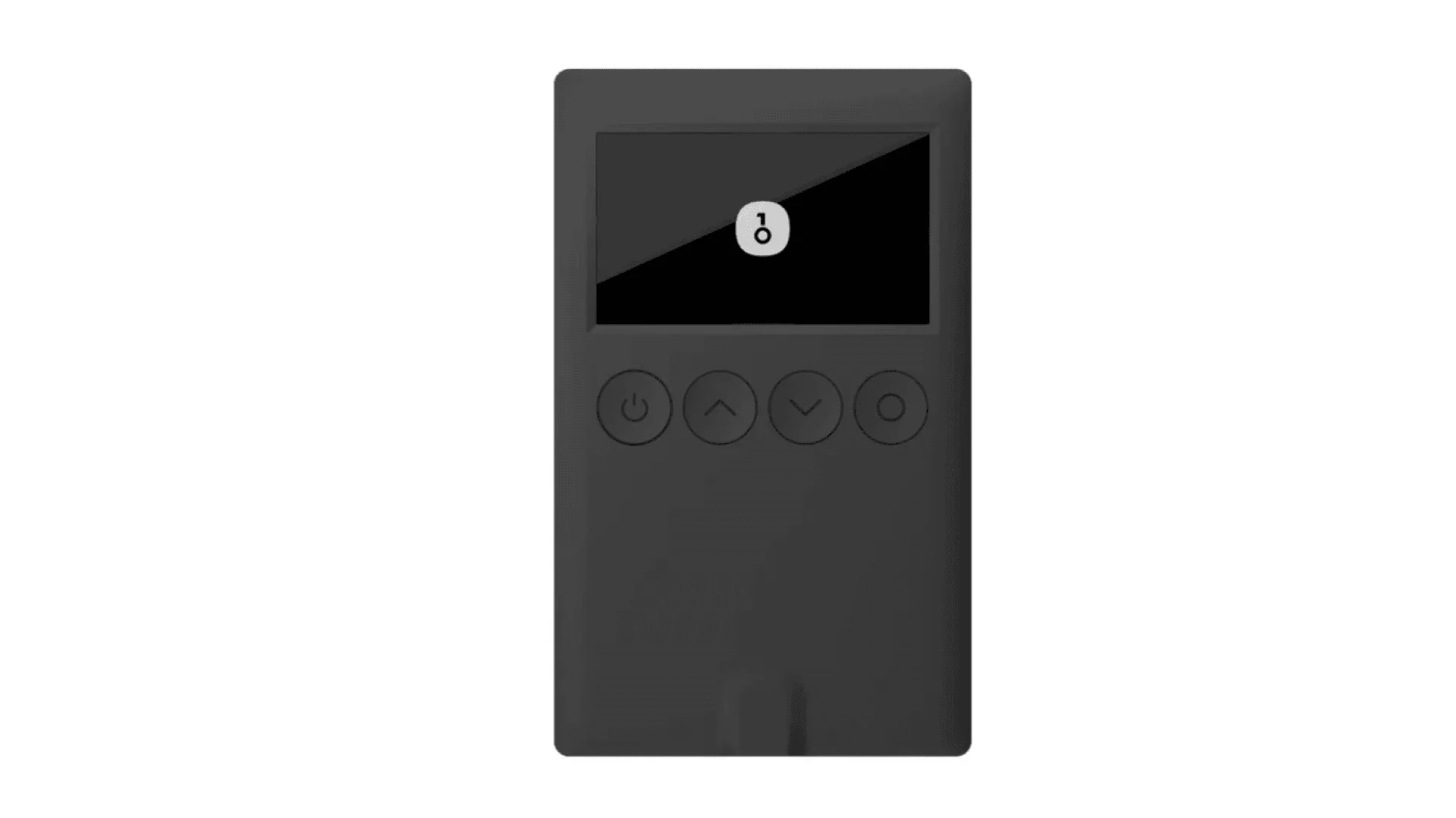 | 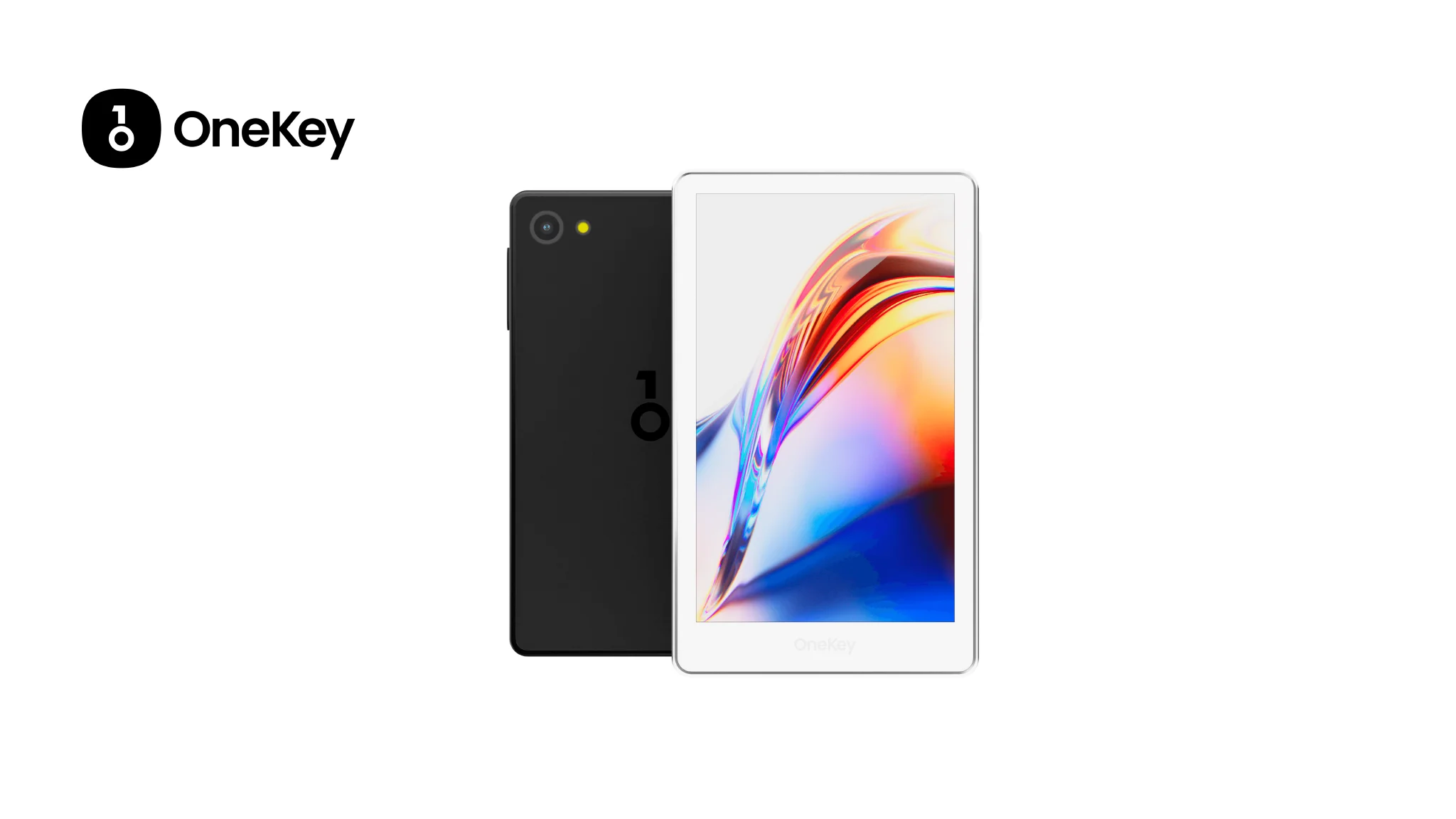 | 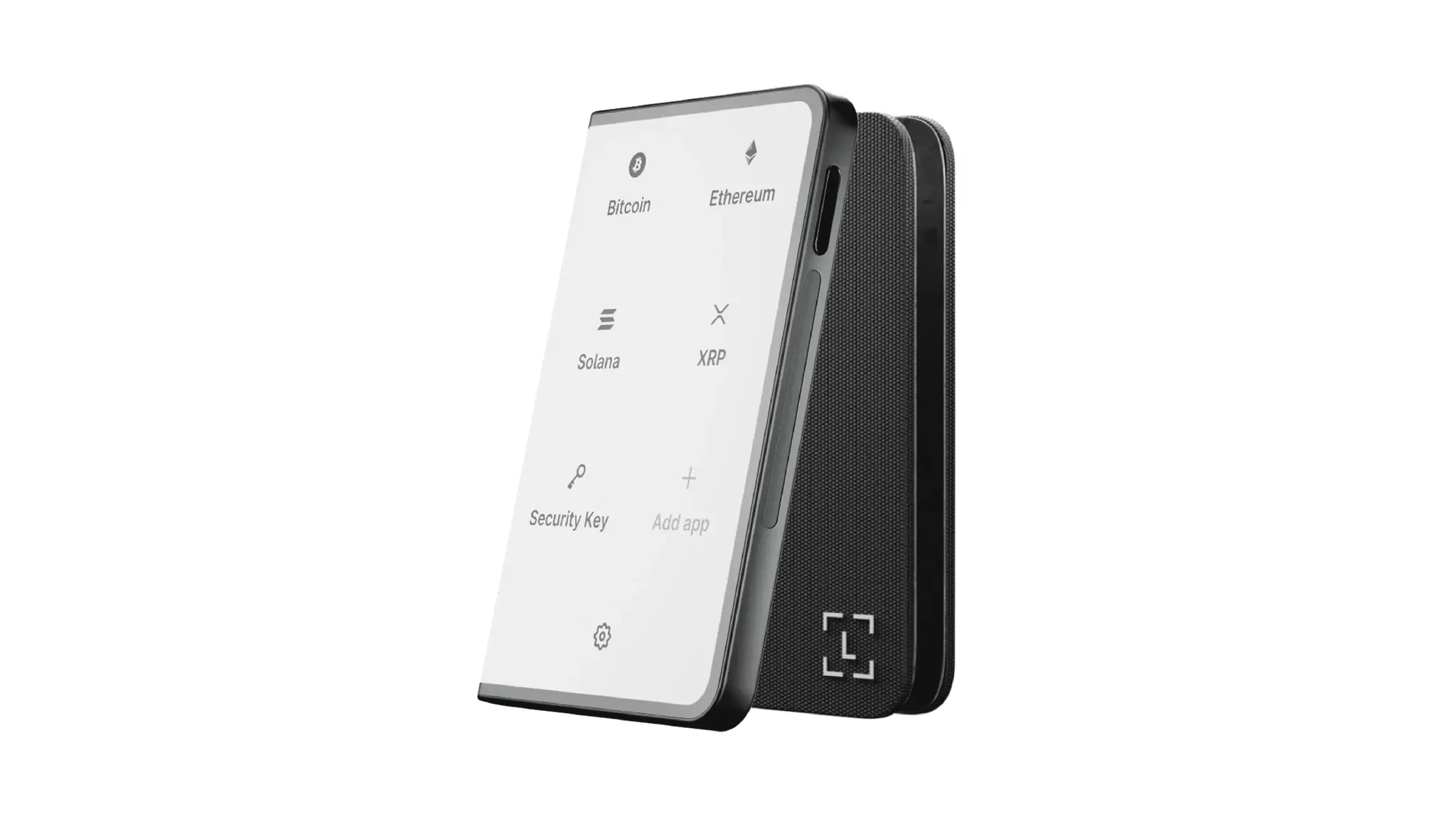 | 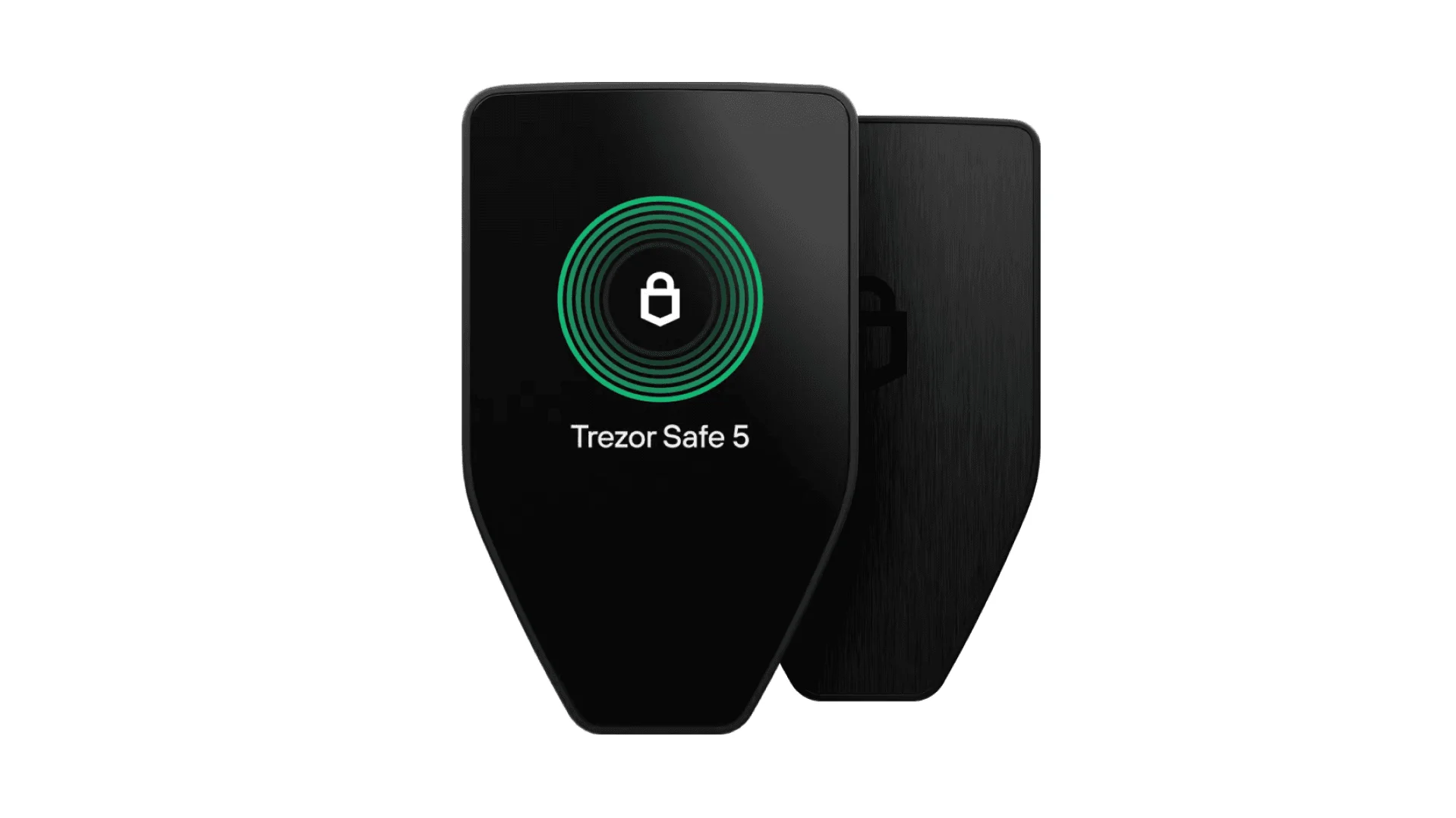 | 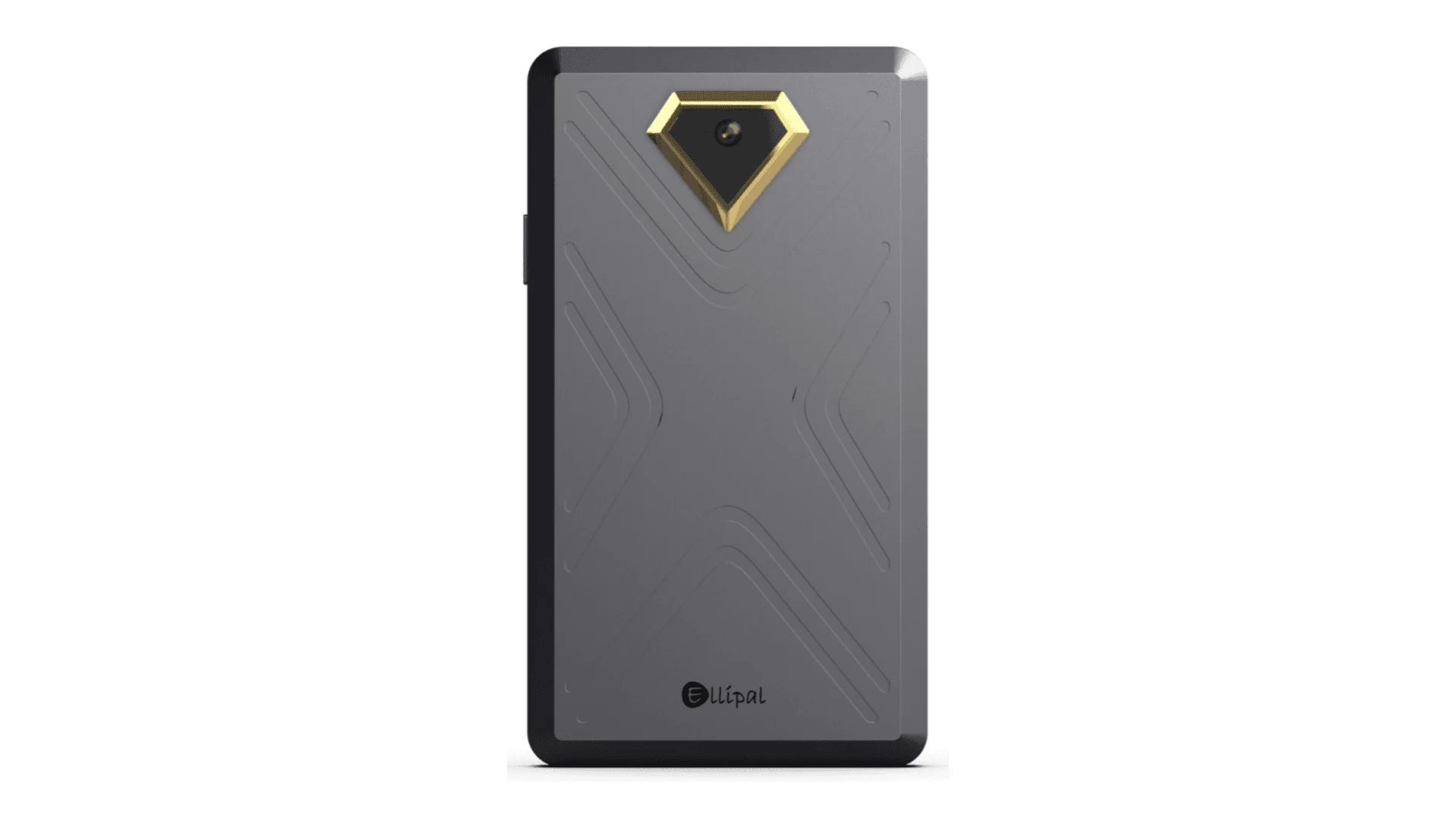 | 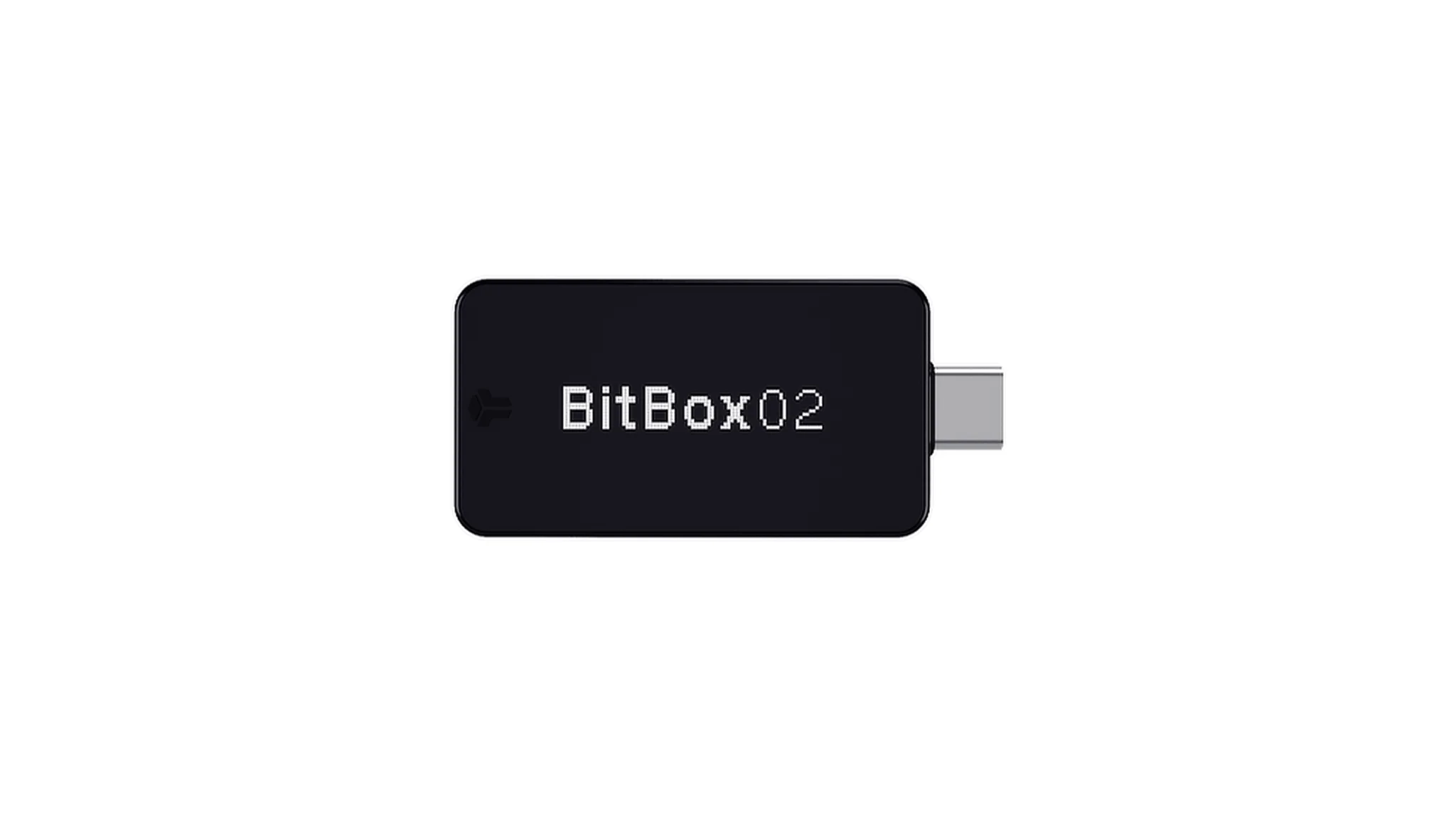 | 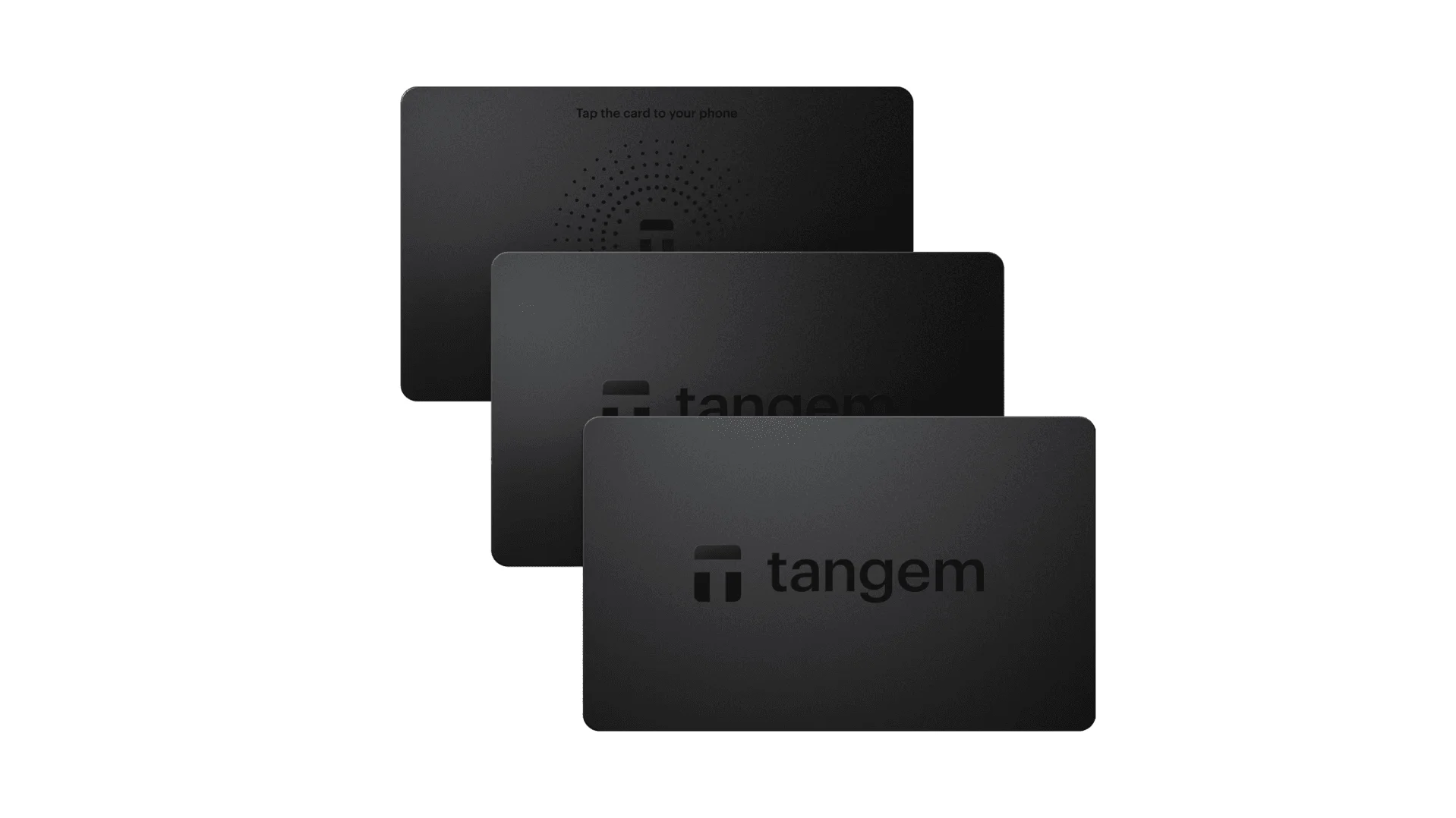 |
| Sicherheitschip | ✅ EAL 6+ Sicherheitschip | ✅ Vier EAL 6+ (Bank-/Passstufe) Sicherheitschips | ✅ EAL6+ Sicherheitschip | ✅ EAL 6+ Sicherheitschip | ⚠️ EAL 5+ Sicherheitschip, proprietär | ⚠️ Dual-Chip (inkl. ATECC608B) | ✅ EAL 6+ Sicherheitschip |
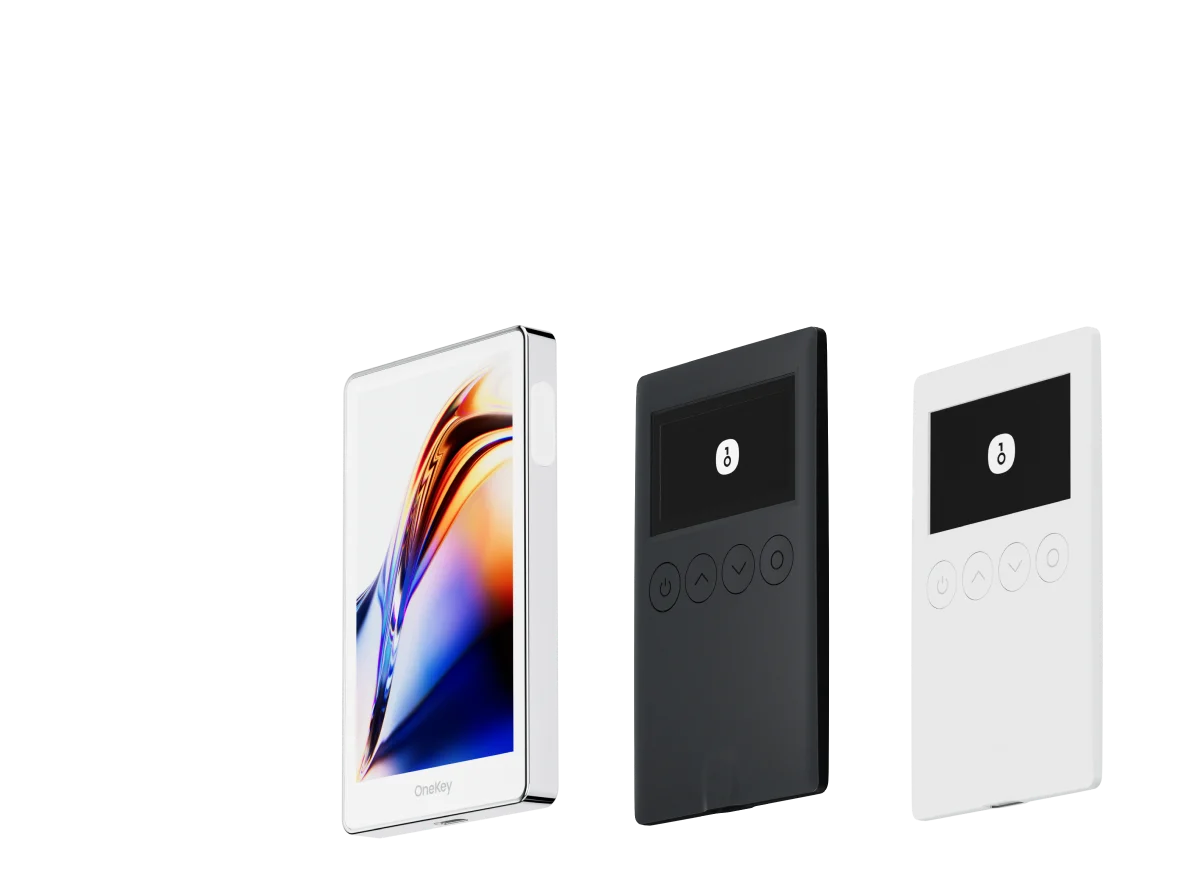
| Bildschirm & Interaktion | ⚠️ 128×64 Monochrom-OLED + Tasten | ✅ 3,5″ HD-Farb-Touchscreen + Kamera-Scan + Bluetooth + NFC | ✅ 3,7″ gebogener E-Ink Touchscreen | ✅ 1,54″ Farb-Touchscreen (240×240) + haptisches Feedback | ✅ 4,0″ IPS-Farb-Touchscreen, Voll-Touch | ⚠️ 128×64 Monochrom-OLED + kapazitive Tasten | ❌ Kein Bildschirm, nur Kartenbasiert |
| Konnektivität | ✅ Bluetooth / USB-C | ✅ Air-Gap-Scan + Bluetooth + USB-C | ✅ USB-C + Bluetooth | ⚠️ Nur USB-C | ✅ Vollständig Air-Gap, QR-basiert | ⚠️ USB-C (kein Wireless) | ✅ NFC mit Smartphone |
| Kabelloses Laden | ❌ Nicht unterstützt | ✅ Qi kabelloses Laden unterstützt | ✅ Qi kabelloses Laden unterstützt | ❌ Nicht unterstützt | ❌ Nicht unterstützt | ❌ Nicht unterstützt | ❌ Nicht unterstützt |
| Backup-Methoden | ✅ Manuelles Aufschreiben / Keytag-Backup | ✅ Manuelles Aufschreiben / Lite-Karten-Backup | ⚠️ Manuelle Seed / Ledger Recovery Key (Cloud) | ✅ Manuelle Seed | ✅ Manuelle Seed | ⚠️ microSD-Sofort-Backup | ⚠️ Multi-Karten-Backup |
| Signaturmethode | ✅ Bestätigung per physischer Taste | ✅ Fingerabdruckerkennung | ✅ Touchscreen-Signatur | ✅ Bestätigung per physischer Taste | ✅ QR-basierte Signatur | ✅ Touch-Bestätigung | ⚠️ NFC-Tap-Bestätigung |
| Transaktionsanalyse & Warnungen | ✅ SignGuard doppelte Analyse via App + Hardware mit Warnungen | ✅ SignGuard doppelte Analyse via App + Hardware mit Warnungen | ⚠️ Begrenzte Analyse, keine Warnungen | ⚠️ Nur Basis-Infos zur Transaktion | ⚠️ Begrenzte Anzeige | ⚠️ Nur Basis-Infos | ❌ Keine |
| Open-Source-Status | ✅ Vollständig Open Source | ✅ Vollständig Open Source | ❌ Firmware proprietär, teilweise SDK Open Source | ✅ Firmware & Software Open Source | ❌ Proprietär | ✅ Vollständig Open Source | ❌ Proprietär |
| Multi-Chain-Unterstützung | ✅ 100+ Chains, 30.000+ Token | ✅ Noch breiter | ✅ 5.500+ Token über Ledger Live | ✅ BTC / ETH / Multi-Chain | ⚠️ Begrenzte Abdeckung | ⚠️ BTC / ETH / einige ERC-20 | ⚠️ Hauptsächlich ETH / TON |
| Privatsphäre | ✅ Open-Source-Transparenz + Web2-Schlüssel | ✅ Open-Source-Transparenz + Web2-Schlüssel | ⚠️ Abhängig von Ledger Live, Datenschutzbedenken | ✅ Open-Source-Transparenz | ❌ Keine speziellen Datenschutzfunktionen | ⚠️ Grundlegende Datenschutzfunktionen | ✅ IP69K wasser- & staubdicht |
| Web2-Login (FIDO) | ✅ Unterstützt WebAuthn | ✅ Unterstützt WebAuthn | ❌ Nicht unterstützt | ⚠️ Teilweise FIDO2-Unterstützung | ❌ Nicht unterstützt | ❌ Nicht unterstützt | ❌ Nicht unterstützt |
| Versteckte Wallets | ✅ Unterstützt | ✅ Unterstützt | ✅ Unterstützt | ✅ Unterstützt | ✅ Unterstützt | ✅ Unterstützt | ❌ Nicht unterstützt |
| Attach to PIN | ✅ Unterstützt | ✅ Unterstützt | ✅ Unterstützt | ❌ Nicht unterstützt | ❌ Nicht unterstützt | ❌ Nicht unterstützt | ❌ Nicht unterstützt |
| Benutzerfreundlichkeit | ⚠️ Grundlegende Interaktion | ✅ Turbo-Modus (Vereinfachtes Signieren, schnellere Bestätigungen) | ⚠️ Grundlegende Interaktion | ⚠️ Grundlegende Interaktion | ⚠️ Grundlegende Interaktion | ⚠️ Grundlegende Interaktion | ⚠️ Grundlegende Interaktion |
| Multisig-Kompatibilität | ✅ Gängige Multisig-Protokolle | ✅ Wie links | ⚠️ Benötigt App-Plugins | ✅ Electrum / Sparrow unterstützt | ⚠️ Schwach | ⚠️ Eingeschränkte Electrum-Multisig | ❌ Nicht unterstützt |
| Verpackung & Firmware-Sicherheit | ✅ Manipulationssichere Verpackung + Firmware-Verifikation | ✅ Wie links | ⚠️ Proprietäre Firmware-Signatur | ✅ Firmware-Signaturprüfung | ⚠️ Keine offene Verifikation | ⚠️ Grundlegendes Siegel | ❌ Keine Firmware-Verifikation |
| WalletScrutiny Verifikation | ✅ Alle 10 Tests bestanden | ✅ Alle 10 Tests bestanden | ❌ Nicht bestanden | ✅ Bestanden | ❌ Nicht bestanden | ⚠️ Teilweise bestanden | ❌ Nicht bestanden |
| Branchenunterstützung | ✅ Unterstützt von Coinbase & YZi Labs | ✅ Unterstützt von Coinbase & YZi Labs | ✅ Unterstützt von a16z, Samsung | ✅ Unterstützt durch Community & Sicherheitsforscher | ⚠️ Keine | ⚠️ Keine bedeutenden Unterstützer | ⚠️ Keine |
| Preisspanne | 💰 $79–$99 | 💰 $278 | 💰 $399 | 💰 $169 | 💰 $169 | 💰 $149.99 | 💰 $60–$90 (3er-Pack) |