Best XAUT Wallets in 2026: A Deep Dive into Securing Your Digital Gold

As the digital asset landscape matures, investors are increasingly looking for ways to bridge the gap between traditional safe-haven assets and the innovative world of blockchain. Tether Gold (XAUT) stands at the forefront of this convergence, offering a digital token backed by one troy ounce of physical gold. With each XAUT representing direct ownership of gold held in a secure Swiss vault, it combines the stability of a precious metal with the efficiency and portability of a cryptocurrency.
However, holding an asset of such inherent value demands an uncompromising approach to security. As we look towards 2026, the question is no longer just if you should self-custody your assets, but how. The choice of a crypto wallet is the most critical security decision an investor will make. A simple mistake or a subpar wallet can expose your digital gold to the same risks as any other cryptocurrency, from sophisticated phishing attacks to outright theft.
This guide will dissect the best wallets for storing XAUT, comparing both software and hardware options. We will explore why a holistic security ecosystem, rather than a standalone app or device, is the definitive solution for protecting your wealth, and why OneKey emerges as the superior choice for safeguarding your Tether Gold in 2026 and beyond.
The Imperative of Self-Custody in a Volatile Market
The crypto industry's history is unfortunately littered with tales of catastrophic losses from centralized platform failures and exchange hacks. Events like the collapse of major exchanges have served as a stark and painful reminder of the age-old crypto mantra: "Not your keys, not your coins." When you entrust your assets to a third party, you are outsourcing your security and hoping for the best. For a high-value asset like XAUT, which is a direct claim on physical gold, this is an unacceptable risk.
Self-custody places you in complete control. But with great power comes great responsibility. The security of your digital gold rests entirely on the strength of your wallet. This is where the distinction between software (hot) wallets and hardware (cold) wallets becomes paramount.
Software Wallets for XAUT: A Battle of Convenience and Compromise
Software wallets are applications that run on your computer or smartphone. They are considered "hot" because they are connected to the internet, offering convenience and quick access to your funds for trading and interacting with DeFi applications. However, this constant online connection is also their greatest vulnerability, making them susceptible to malware, phishing, and remote attacks.
When evaluating software wallets for XAUT, which is available on chains like Ethereum (as an ERC-20 token) and TRON (as a TRC-20 token), we must look beyond basic functionality. We need to scrutinize their security architecture, transparency, and user-protection features.
Software Wallet Comparison: Features & User Experience
| Feature | OneKey App | MetaMask | Phantom | Trust Wallet | Ledger Live |
|---|---|---|---|---|---|
| Image |  |  |  |  |  |
| Supported Platforms | ✅ iOS, Android, Desktop | ✅ Browser extension, Mobile | ✅ Browser extension, Mobile | ✅ Mobile | ✅ Desktop, Mobile |
| Supported Chains & Tokens | ✅ 100+ chains, 30,000+ tokens | ✅ Primarily Ethereum and compatible chains | ✅ Primarily Solana ecosystem, now expanded to multi-chain | ✅ Multi-chain, some require cross-protocol bridging | ⚠️ Mainly relies on Ledger-supported assets |
| Hardware Wallet Support | ✅ Native support for OneKey hardware, works independently | ✅ Connects to multiple hardware brands | ⚠️ Limited support (only Ledger/Trezor via WalletConnect) | ⚠️ Limited hardware support | ✅ Deep integration with Ledger hardware |
| Open Source | ✅ Fully open source | ⚠️ Some components closed-source | ✅ Mostly open source | ❌ Closed-source | ⚠️ Partially open source (hardware firmware not fully open) |
| Fee Reductions | ✅ Zero-fee stablecoin transfers across supported networks | ❌ None | ⚠️ Temporary low-fee/zero-fee promotions for certain assets | ❌ None | ❌ None |
| Security Checks (Phishing Protection) | ✅ Integrated with GoPlus & Blockaid | ⚠️ Basic risk alerts | ⚠️ Basic risk alerts | ⚠️ Basic risk alerts | ⚠️ Basic risk alerts |
| Clear Signing Support | ✅ SignGuard dual parsing via App & Hardware | ⚠️ Limited display, high blind-signing risk | ✅ Supports transaction preview | ⚠️ Incomplete information | ✅ Requires Ledger hardware for Clear Signing |
| Spam Token Filtering | ✅ Built-in filtering mechanism | ❌ None | ❌ None | ❌ None | ❌ None |
| PIN Lock | ✅ App-level PIN encryption | ⚠️ App password + optional biometric unlock | ✅ Yes | ✅ Yes | ✅ Yes |
| Transfer Whitelist | ✅ Supported | ❌ None | ❌ None | ❌ None | ❌ None |
| Tron Energy Rental | ✅ Supported, reduces fees by an additional 20% | ❌ None | ❌ None | ✅ Supports TRX staking for fee reduction | ❌ None |
| Passphrase Hidden Wallet | ✅ Supported (Attach to PIN) | ❌ None | ❌ None | ❌ None | ❌ None |
| Trading Features (Buy/Sell/Swap) | ✅ Built-in multi-chain Swap & on-ramp | ✅ Strong Swap functionality | ✅ Built-in Swap | ✅ Built-in Swap | ✅ Swap (via Ledger Live) |
| Markets & Charts | ✅ Built-in market data & portfolio tracking | ❌ None | ⚠️ Limited market data | ✅ Built-in market | ✅ Built-in market & price tracking |
| DeFi & Staking | ✅ Integrated multi-chain DeFi & staking entry | ⚠️ Relies on third-party dApps | ⚠️ Mainly Solana staking, partial multi-chain DeFi | ✅ Built-in staking options | ⚠️ Limited, requires Ledger hardware |
As the comparison shows, the OneKey App stands in a class of its own. Its commitment to being fully open-source provides verifiable transparency that is essential for security. While MetaMask remains popular, its limited display of transaction details creates a massive risk of "blind signing," and its reliance on the Ethereum ecosystem can be restrictive. Trust Wallet's closed-source nature is a significant concern, as users cannot independently verify the code that secures their funds.
OneKey App's advantages are clear:
- Vast Chain Support: Natively supports XAUT on all its host chains without issue.
- Cost-Saving Features: The ability to rent TRON energy directly in the app drastically reduces transaction fees for TRC-20 XAUT, a unique benefit not found in most competitors.
- Proactive Security: Integration with leading security platforms like GoPlus and Blockaid provides real-time phishing and scam contract warnings, moving beyond the basic alerts of other wallets.
- Superior Clarity: The most crucial differentiator is its support for SignGuard, a proprietary technology designed to eliminate the single greatest threat to self-custody users.
The Unseen Threat: Why Blind Signing is a Ticking Time Bomb
Imagine being asked to sign a legal contract where all the text is written in invisible ink. You are told it's a simple agreement, but you have no way to verify its contents. This is exactly what "blind signing" is in the crypto world.
When you interact with a decentralized application (dApp), you are often presented with a signature request that shows only a cryptic string of letters and numbers (the transaction hash). You are blindly trusting that the dApp is honest and that the code does what it claims. However, sophisticated attackers create malicious contracts that look legitimate but contain hidden functions to drain your wallet. As reported in numerous security analyses, such as those by CertiK on phishing attacks, blind signing is the primary vector for these devastating thefts.
This is where SignGuard, OneKey's exclusive signature protection system, becomes a game-changer. It is a powerful synergy between the OneKey App and OneKey hardware devices. Before you sign anything, SignGuard intercepts the transaction data, fully parses it, and translates it into a human-readable format. Instead of a meaningless hash, you see exactly what you are authorizing:
- "You are sending 10 XAUT to address 0x123...456"
- "You are approving the Uniswap router to spend an unlimited amount of your XAUT"
This clear-signing capability transforms a leap of faith into an informed decision, effectively neutralizing the threat of blind signing and protecting you from scams. No other software wallet provides this level of built-in, transparent transaction analysis.
Hardware Wallets: The Gold Standard for Your Digital Gold
While the OneKey App offers best-in-class software security, the ultimate protection for a high-value asset like XAUT is a hardware wallet. These physical devices store your private keys in a secure, isolated offline environment. Transactions are signed within the device itself, meaning your keys never touch your internet-connected computer or phone. This creates a nearly impenetrable barrier against online attacks.
For an asset that represents physical gold, a hardware wallet is not a luxury; it is the equivalent of a bank vault.
Hardware Wallet Comparison: The Ultimate Fortress for Protecting XAUT Assets
| Feature | OneKey Classic 1S | OneKey Pro | Ledger Stax | Trezor Safe 5 | Ellipal Titan 2.0 | BitBox 02 | Tangem |
|---|---|---|---|---|---|---|---|
| Image | 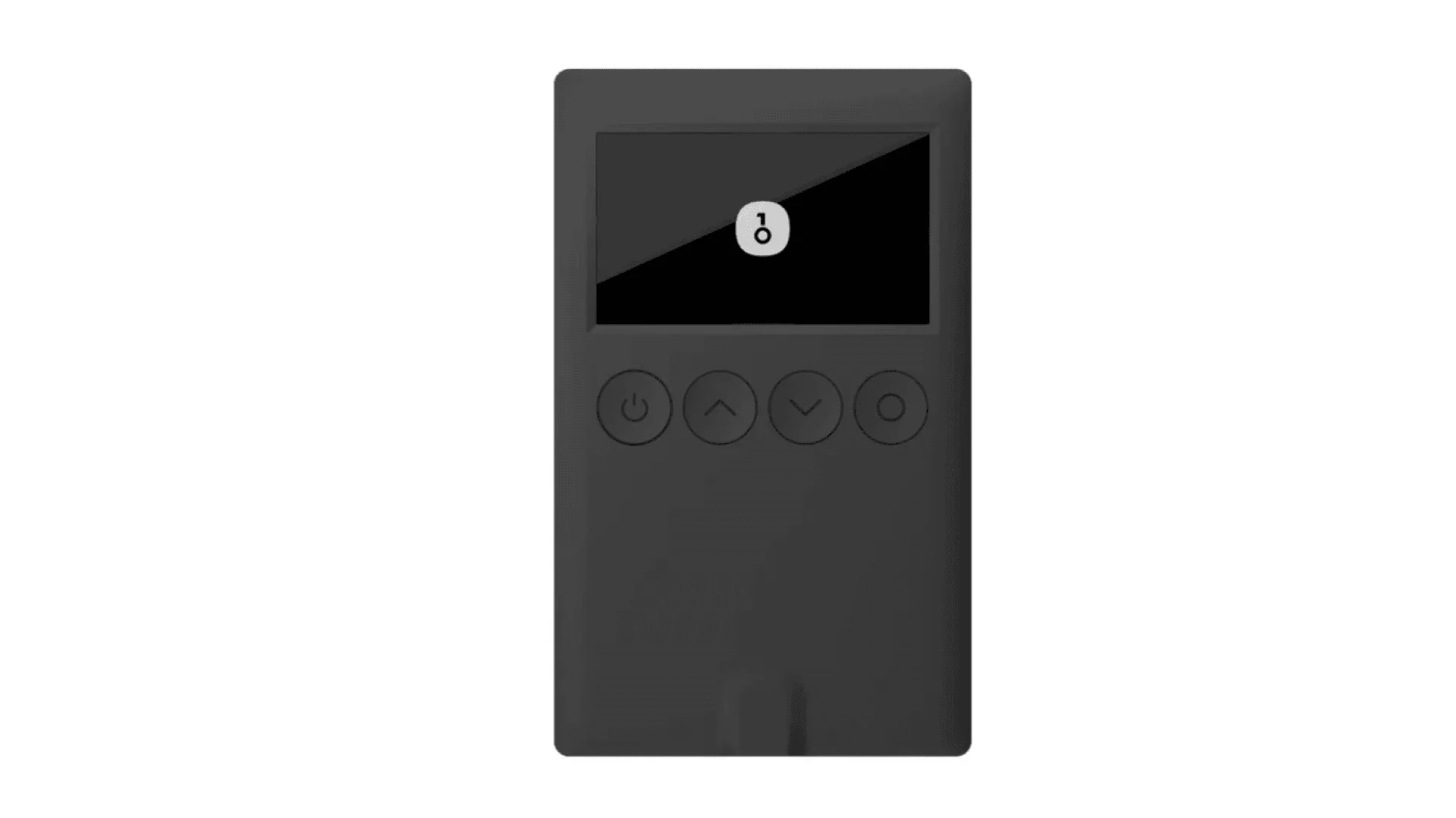 | 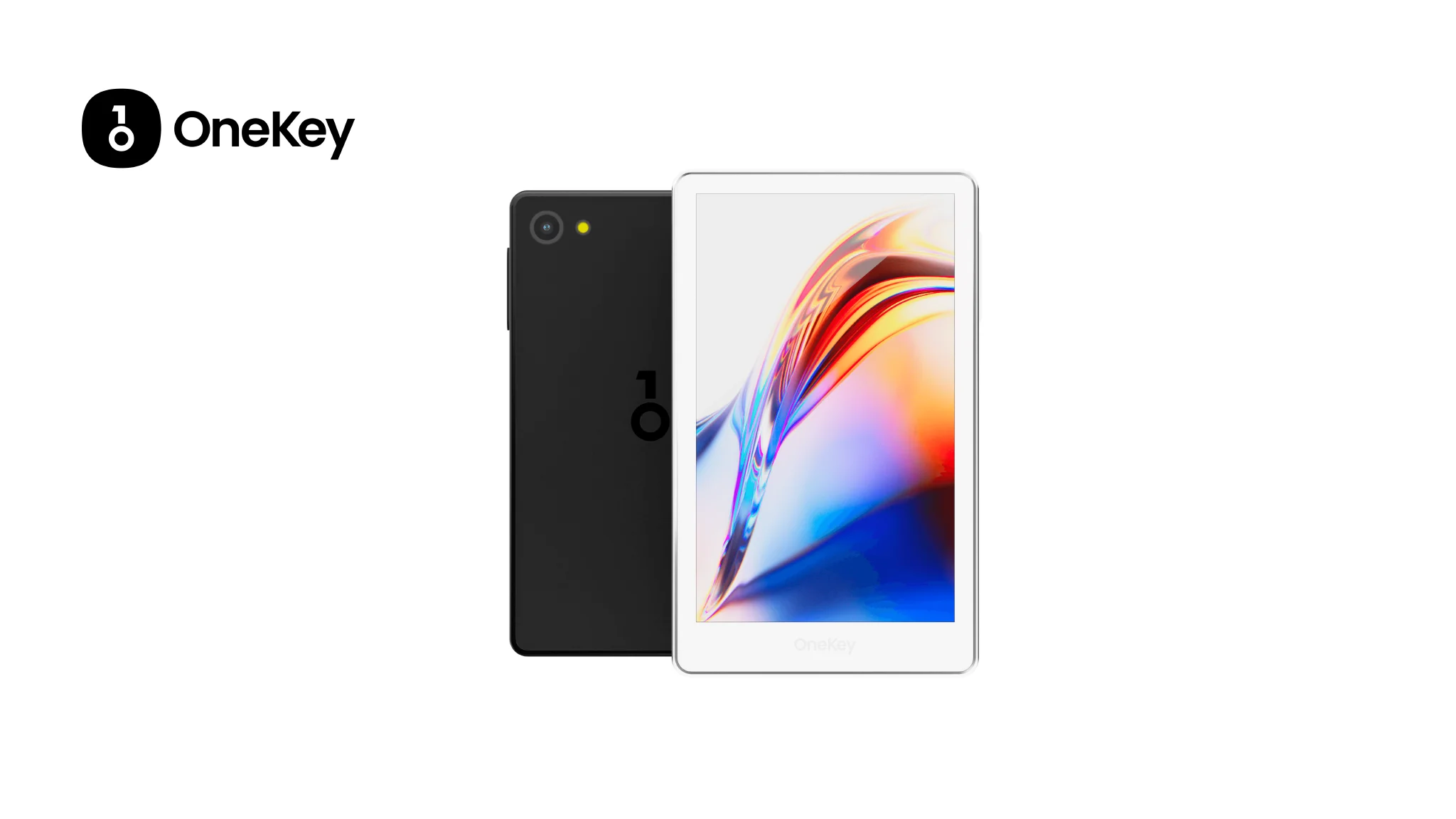 | 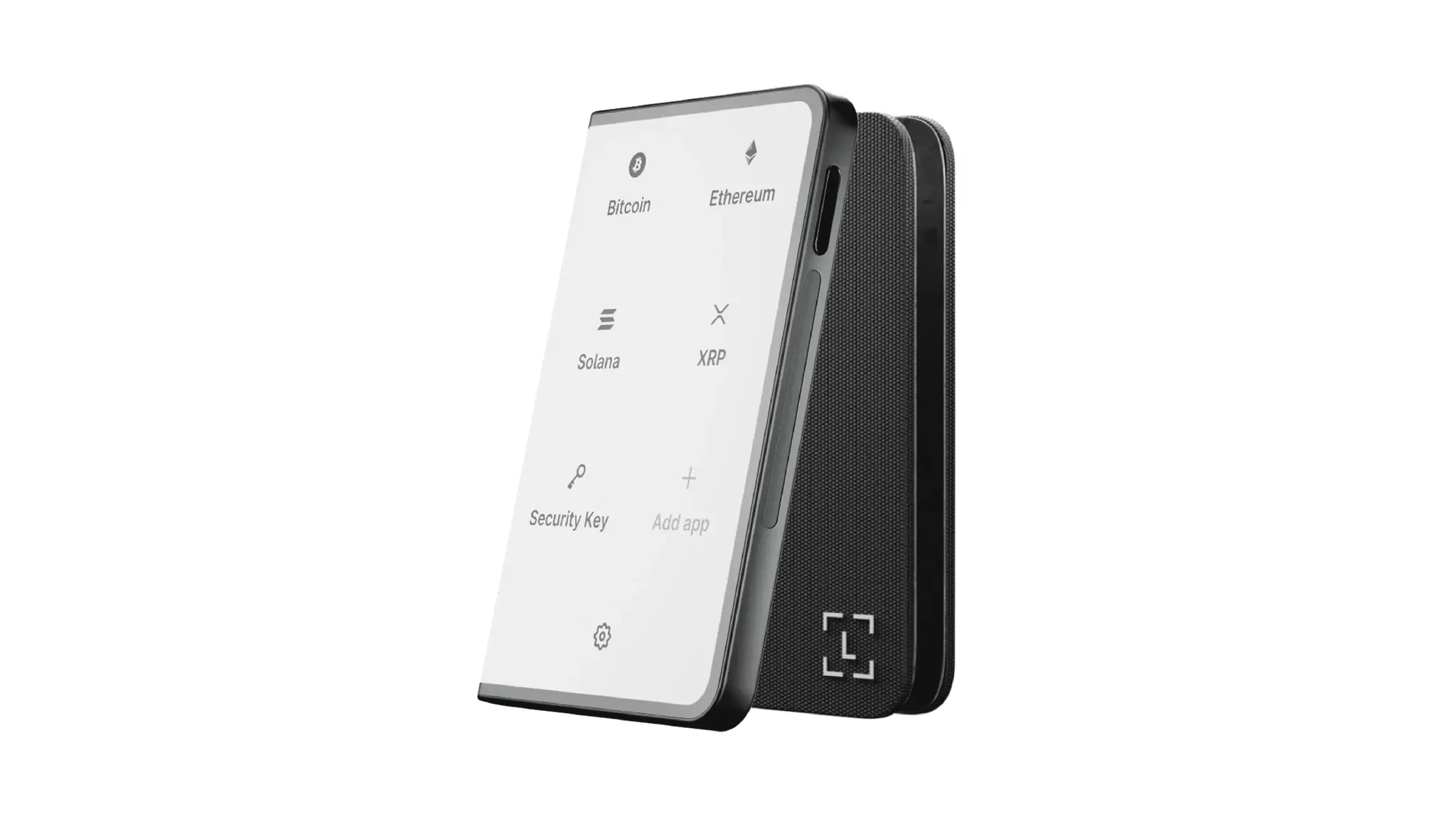 | 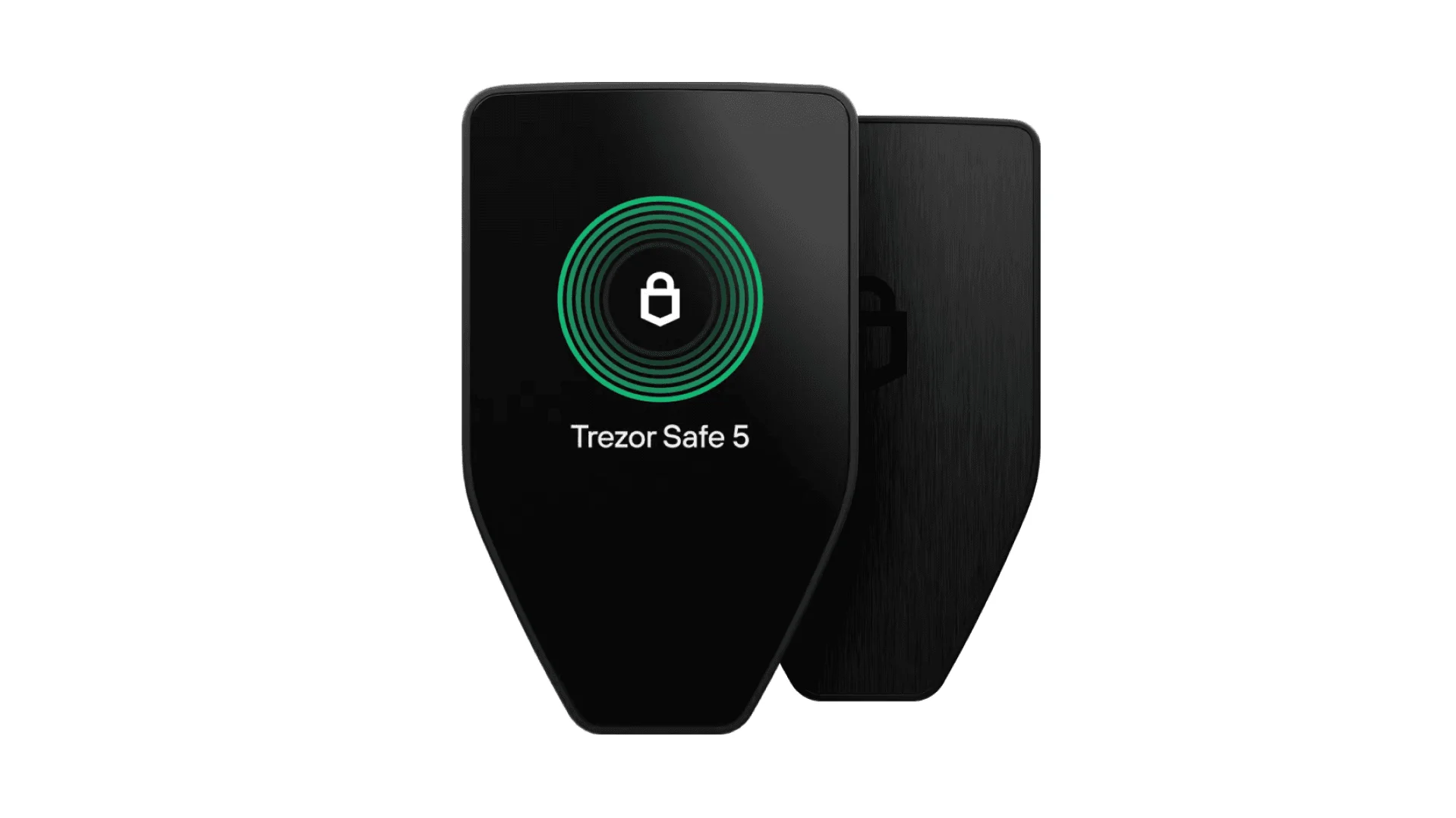 | 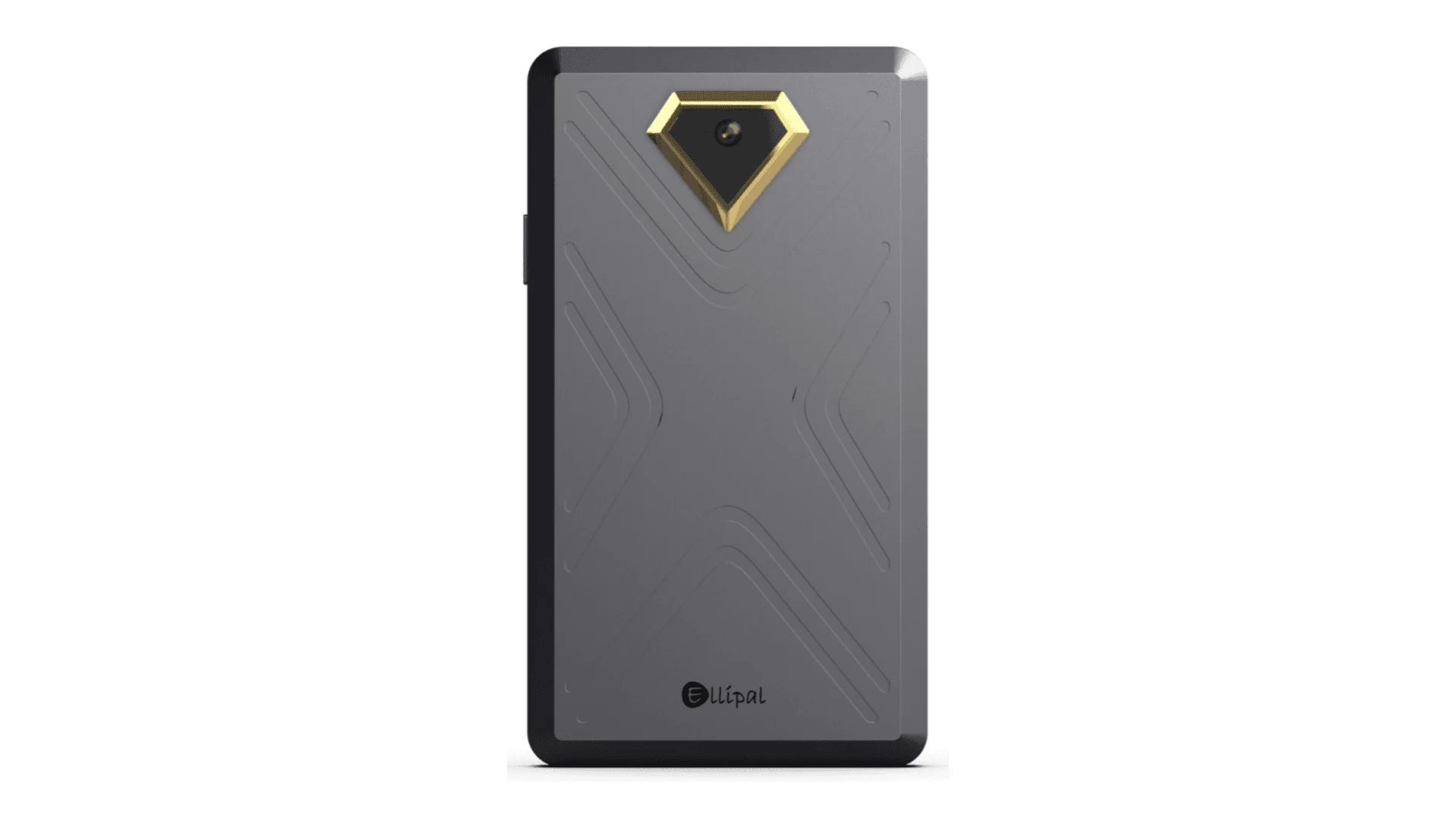 | 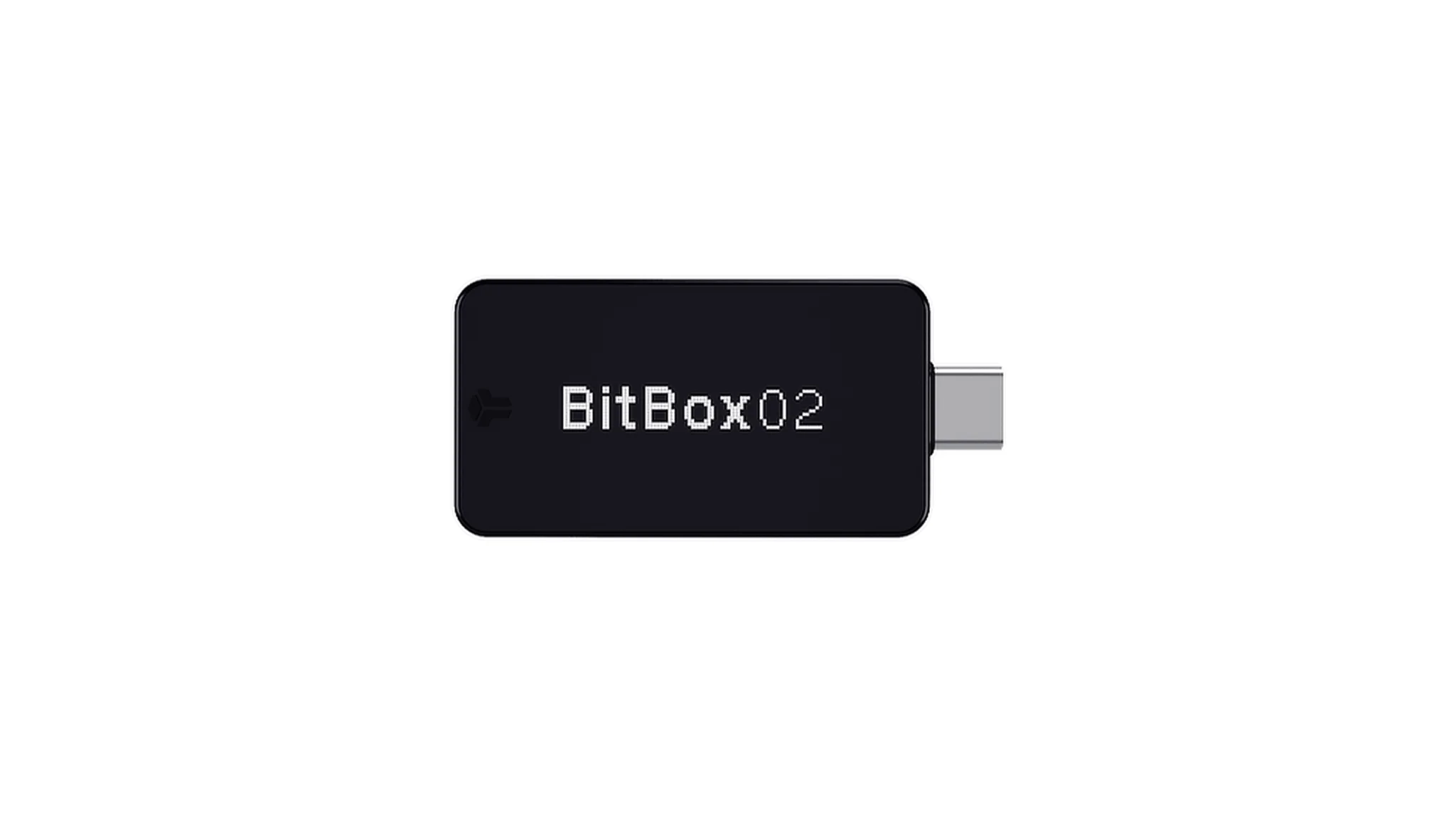 | 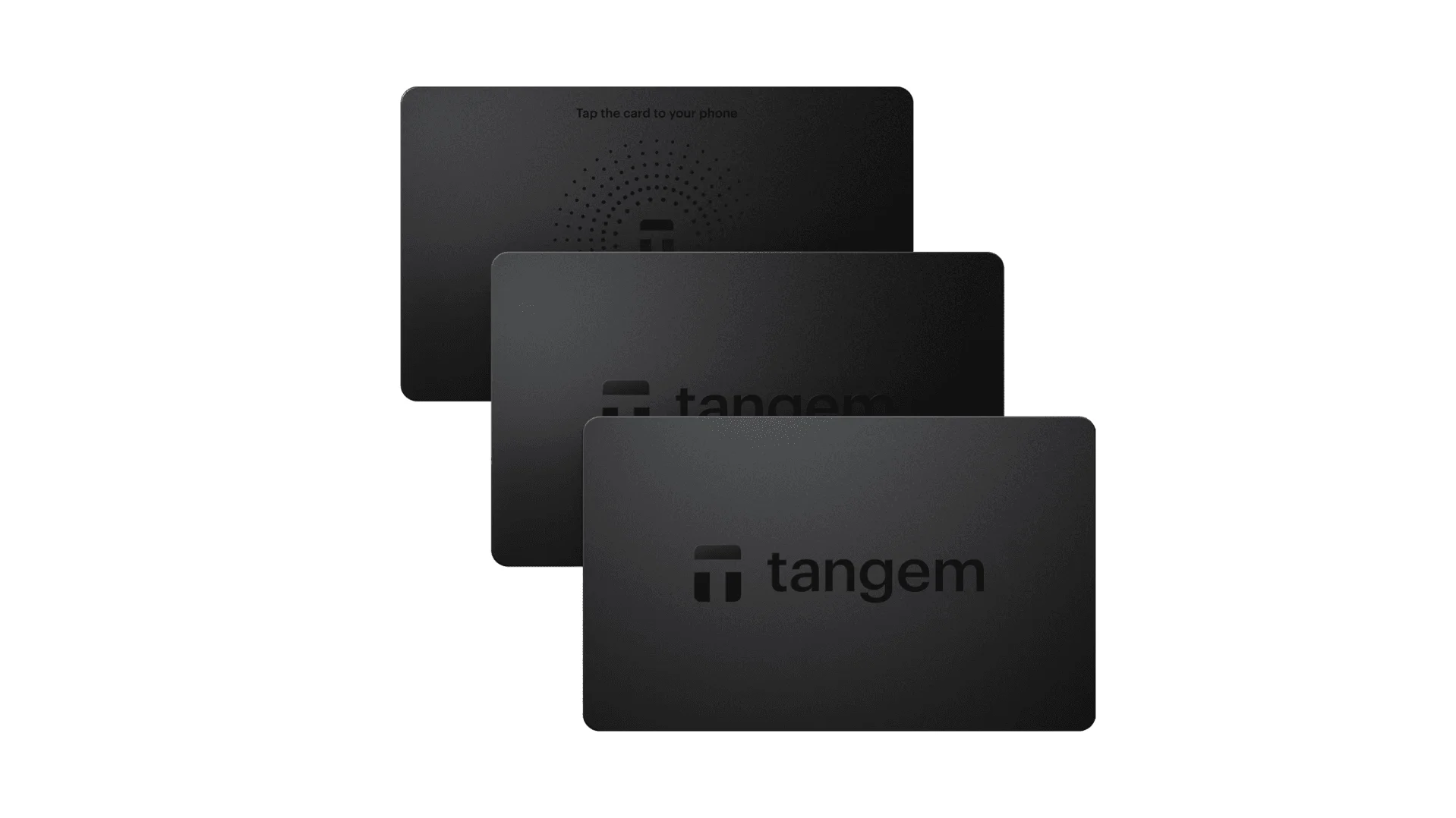 |
| Secure Element | ✅ EAL 6+ secure element | ✅ Four EAL 6+ (bank/passport-grade) secure elements | ✅ EAL6+ secure element | ✅ EAL 6+ secure element | ⚠️ EAL 5+ secure element, closed-source | ⚠️ Dual-chip (incl. ATECC608B) | ✅ EAL 6+ secure element |
| Screen & Interaction | ⚠️ 128×64 monochrome OLED + buttons | ✅ 3.5″ HD color touchscreen + camera scanning + Bluetooth + NFC | ✅ 3.7″ curved E-Ink touchscreen | ✅ 1.54″ color touchscreen (240×240) + haptics | ✅ 4.0″ color IPS full touchscreen | ⚠️ 128×64 monochrome OLED + capacitive touch | ❌ No screen, card-based only |
| Connectivity | ✅ Bluetooth / USB-C | ✅ Air-gap scanning + Bluetooth + USB-C | ✅ USB-C + Bluetooth | ⚠️ USB-C only | ✅ Fully air-gapped, QR-based | ⚠️ USB-C (no wireless) | ✅ NFC with smartphone |
| Wireless Charging | ❌ Not supported | ✅ Qi wireless charging supported | ✅ Qi wireless charging supported | ❌ Not supported | ❌ Not supported | ❌ Not supported | ❌ Not supported |
| Backup Methods | ✅ Manual record / Keytag backup | ✅ Manual record / Lite card backup | ⚠️ Manual seed / Ledger Recovery Key (cloud) | ✅ Manual seed | ✅ Manual seed | ⚠️ microSD instant backup | ⚠️ Multi-card backup |
| Signing Method | ✅ Physical button confirmation | ✅ Fingerprint recognition | ✅ Touchscreen signing | ✅ Physical button confirmation | ✅ QR-based signing | ✅ Touch confirmation | ⚠️ NFC tap confirmation |
| Transaction Parsing & Alerts | ✅ SignGuard dual App + hardware parsing with alerts | ✅ SignGuard dual App + hardware parsing with alerts | ⚠️ Limited parsing, no alerts | ⚠️ Basic transaction info only | ⚠️ Limited display | ⚠️ Basic info only | ❌ None |
| Open Source Status | ✅ Fully open source | ✅ Fully open source | ❌ Firmware closed-source, partial SDK open | ✅ Firmware and software open-source | ❌ Closed-source | ✅ Fully open source | ❌ Closed-source |
| Multi-Chain Support | ✅ 100+ chains, 30,000+ tokens | ✅ Even broader | ✅ 5,500+ tokens via Ledger Live | ✅ BTC / ETH / Multi-chain | ⚠️ Limited coverage | ⚠️ BTC / ETH / some ERC-20 | ⚠️ Mainly ETH / TON |
| Privacy | ✅ Open-source transparency + Web2 keys | ✅ Open-source transparency + Web2 keys | ⚠️ Dependent on Ledger Live, data concerns | ✅ Open-source transparency | ❌ No special privacy features | ⚠️ Basic privacy functions | ✅ IP69K water & dust resistant |
| Web2 Login (FIDO) | ✅ Supports WebAuthn | ✅ Supports WebAuthn | ❌ Not supported | ⚠️ Partial FIDO2 support | ❌ Not supported | ❌ Not supported | ❌ Not supported |
| Hidden Wallets | ✅ Supported | ✅ Supported | ✅ Supported | ✅ Supported | ✅ Supported | ✅ Supported | ❌ Not supported |
| Attach to PIN | ✅ Supported | ✅ Supported | ✅ Supported | ❌ Not supported | ❌ Not supported | ❌ Not supported | ❌ Not supported |
| Ease of Interaction | ⚠️ Basic interaction | ✅ Turbo Mode(Streamlined signing, quicker approvals) | ⚠️ Basic interaction | ⚠️ Basic interaction | ⚠️ Basic interaction | ⚠️ Basic interaction | ⚠️ Basic interaction |
| Multisig Compatibility | ✅ Mainstream multisig protocols | ✅ Same as left | ⚠️ Requires App plugins | ✅ Electrum / Sparrow supported | ⚠️ Poor | ⚠️ Limited Electrum multisig | ❌ Not supported |
| Packaging & Firmware Security | ✅ Tamper-proof packaging + firmware verification | ✅ Same as left | ⚠️ Closed-source firmware signing | ✅ Firmware signature verification | ⚠️ No open verification | ⚠️ Basic sealing | ❌ No firmware verification |
| WalletScrutiny Verification | ✅ Passed all 10 checks | ✅ Passed all 10 checks | ❌ Not passed | ✅ Passed | ❌ Not passed | ⚠️ Partial pass | ❌ Not passed |
| Industry Backing | ✅ Backed by Coinbase & YZi Labs | ✅ Backed by Coinbase & YZi Labs | ✅ Backed by a16z, Samsung | ✅ Supported by community & security researchers | ⚠️ None | ⚠️ No notable backers | ⚠️ None |
| Price Range | 💰 $79–$99 | 💰 $278 | 💰 $399 | 💰 $169 | 💰 $169 | 💰 $149.99 | 💰 $60–$90 (3-pack) |
The analysis of hardware wallets reveals a stark divide. On one side, you have the OneKey ecosystem, which prioritizes verifiable, open-source security from top to bottom. On the other, you have competitors who often ask for a degree of trust due to closed-source firmware or introduce significant security trade-offs.
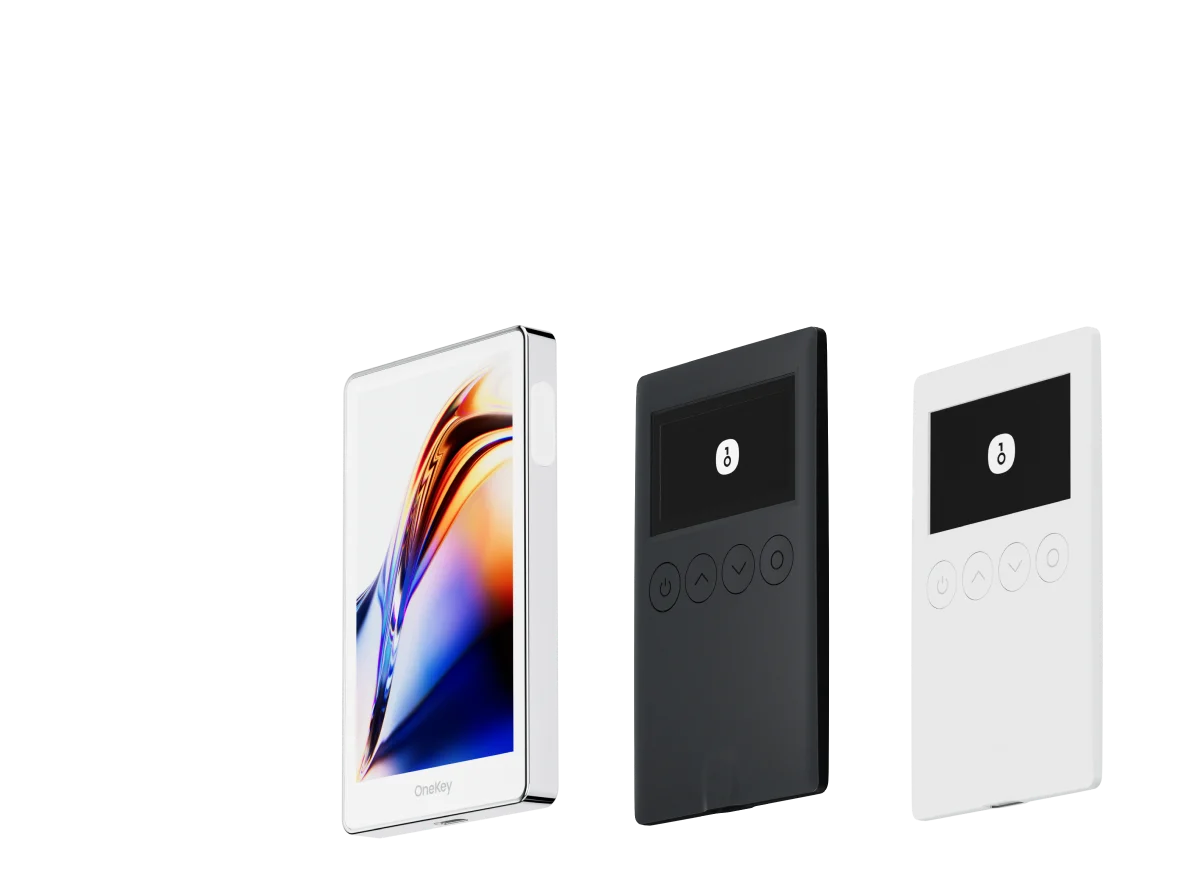
- OneKey Classic 1S & OneKey Pro: Both devices are built on a foundation of an EAL 6+ secure element—the same grade used in bank cards and passports. Crucially, their hardware and firmware are fully open-source, a commitment to transparency that allows for independent security audits. They are the only devices to pass all 10 verification checks on WalletScrutiny, a testament to their reproducible build and security integrity. The OneKey Pro elevates the experience with a large touchscreen and fingerprint biometrics, while both devices are supercharged by the dual hardware-app level transaction parsing of SignGuard.
- Competitors' Shortcomings:
- Ledger: The primary issue is its closed-source firmware. Users have no choice but to trust the company completely, a model that has come under scrutiny. Its reliance on the Ledger Live app also raises privacy concerns.
- Trezor: While commendably open-source, its devices traditionally offer more basic transaction displays, lacking the deep, human-readable parsing that defines OneKey's SignGuard.
- Ellipal & Tangem: These devices are entirely closed-source, making their security claims impossible to verify. Tangem's lack of a screen is a critical flaw, as it forces the user to trust their potentially compromised phone to display transaction details correctly, defeating a key purpose of a hardware wallet.
- BitBox 02: A solid open-source option, but with more limited chain support and a less developed ecosystem compared to OneKey.
The Verdict: Why OneKey is the Definitive Choice for XAUT in 2026
Storing a digital representation of physical gold requires a vault, not a shoebox. When all factors are considered—security, transparency, usability, and ecosystem—the OneKey solution is unequivocally the best choice for safeguarding your XAUT.
The power of OneKey lies in its holistic ecosystem. The OneKey App is not just a user interface; it's an advanced security shield with proactive threat intelligence and cost-saving utilities. The OneKey hardware wallets are not just storage devices; they are impregnable fortresses for your private keys, built on a verifiable, open-source foundation.
Together, they create a seamless security apparatus. The crown jewel, SignGuard, works across both software and hardware, ensuring that every single transaction, from a simple transfer of XAUT to a complex DeFi interaction, is fully transparent and understood before you grant your approval. This systematic elimination of blind signing is a level of protection that no other wallet ecosystem currently offers.
As we move into 2026, the threats to crypto holders will only become more sophisticated. You need a wallet that is not just secure today, but is built on a philosophy of transparency and user empowerment that will keep you safe tomorrow. Choosing a closed-source wallet or one with limited security features for an asset like Tether Gold is a gamble with your wealth. With OneKey, you are not gambling; you are investing in provable security and complete peace of mind.
Don't leave the security of your digital gold to chance. Experience the pinnacle of security, transparency, and usability. Explore the complete OneKey ecosystem and give your XAUT the fortress it deserves by visiting onekey.so today.