Binance Adds Smart DCA to Convert Recurring Buys: Automatically Adjusting Purchases With the Crypto Fear & Greed Index
Binance Adds Smart DCA to Convert Recurring Buys: Automatically Adjusting Purchases With the Crypto Fear & Greed Index
On July 2, 2026, Binance expanded its Convert recurring buy (DCA) experience with a new Smart DCA “advanced settings” option. The idea is simple: instead of buying the exact same amount every time, users can dynamically scale their periodic purchase size based on market sentiment, using the Crypto Fear & Greed Index as the trigger. A report covering the feature notes configurable zones for “oversold” (0–40) and “overbought” (60–100), with investment sizing adjustable from 10% to 200% of the baseline amount, and support currently limited to crypto (excluding stock tokens). Reference
This update reflects a broader 2025–2026 industry direction: exchanges are increasingly packaging “pro” strategy concepts—sentiment, volatility regimes, risk controls—into interfaces that are accessible to everyday users. The question is no longer whether Dollar Cost Averaging works as a discipline tool, but how to make DCA smarter without turning it into full-time “market timing.”
What Smart DCA changes compared with classic Dollar Cost Averaging
Traditional Dollar Cost Averaging (DCA) is intentionally boring: you buy a fixed amount on a fixed schedule, regardless of price. The main benefit is behavioral—reducing FOMO buys and panic pauses—while gradually building a position over time. Binance’s own educational materials describe DCA as a way to spread entries across time to reduce the stress of picking a perfect moment. Learn more
Smart DCA keeps the recurring schedule, but adds a conditional “multiplier layer”:
- You set a base recurring buy amount (your normal plan).
- You optionally define two sentiment ranges:
- Oversold zone: index 0–40
- Overbought zone: index 60–100
- When the index falls into one of those ranges, Binance allows the recurring purchase amount to be scaled from 10% up to 200% of the original plan. Reference
In practice, this is a structured way of doing what many long-term investors already attempt manually: buy a bit more when the market feels “scary,” and less when the market feels euphoric—but without relying on willpower.
Why the Crypto Fear & Greed Index is becoming a default “sentiment input”
The Crypto Fear & Greed Index compresses market mood into a 0–100 score, where lower values generally imply fear and higher values imply greed. While different platforms may present variants, one of the most widely referenced versions is published by Alternative.me. Index source
It’s popular because it translates messy signals—volatility, momentum, attention, and positioning proxies—into a single number that can be used as a rule-based trigger rather than a gut feeling. Binance Academy also explains the index conceptually and why it’s often used to understand sentiment cycles in crypto markets. Explanation
Important nuance: sentiment indicators are not price oracles. A market can stay fearful (or greedy) longer than most users expect. Smart DCA is best viewed as position sizing automation, not a guarantee of better entries.
How to think about the 10%–200% adjustment range (without over-optimizing)
Because Smart DCA allows a wide range—from 0.1× to 2× your base amount—it’s easy to accidentally build a plan that is emotionally satisfying but financially mismatched.
A few practical mental models:
-
Start conservative, scale later
If your base DCA is already near the upper limit of what you can comfortably invest, a 2× multiplier may create cash-flow pressure at exactly the worst psychological time (during drawdowns). -
Use Smart DCA to reduce “regret risk,” not chase returns
Many users stop buying during fear, then restart after a rebound. A modest oversold multiplier can help maintain consistency when it matters most. -
Treat the overbought zone as a “heat shield,” not a sell signal
Lowering the recurring buy in high-greed periods can reduce the chance of repeatedly buying local tops, while still keeping a foothold in the market.
If you want a baseline reference for what “classic” recurring buys look like on Binance, Binance also maintains a public Recurring Buy product page that describes how scheduled DCA plans work on the platform. Product overview
Coverage and limitations: crypto only, stock tokens excluded
According to reporting on the feature, Smart DCA currently applies to crypto recurring purchase plans, while stock tokens are not supported. Reference
This distinction matters because tokenized equities and stock-linked products often come with different market hours, liquidity assumptions, and regulatory constraints. Binance’s choice to keep Smart DCA crypto-only (for now) signals that the first target is 24/7, sentiment-driven markets where emotion cycles are a core part of the volatility profile.
What this means in the 2025–2026 market environment
Since 2025, user priorities have shifted in noticeable ways:
- More automation, less “screen time.” Many investors want systematic exposure without living on a chart.
- More focus on execution and security. After multiple industry blowups in prior cycles, users increasingly separate “where I buy” from “where I store.”
- More structured risk management. The market is maturing, and so are user expectations: recurring buys, portfolio rebalancing, and rules-based sizing are becoming standard.
Smart DCA sits right at the intersection: it’s a user-friendly step toward rules-based investing—but it also increases the importance of having a clear custody plan, because automation can quietly accumulate meaningful balances over time.
A security checklist for Smart DCA users: exchange convenience vs self-custody
Smart DCA makes it easier to buy on autopilot. It does not automatically solve the “where should my assets live long-term?” question.
If you plan to build a long-term crypto position via recurring buys, consider separating the workflow into two layers:
- Accumulation layer (exchange): buy on schedule, potentially using Smart DCA sizing.
- Storage layer (self-custody): periodically withdraw to a wallet you control.
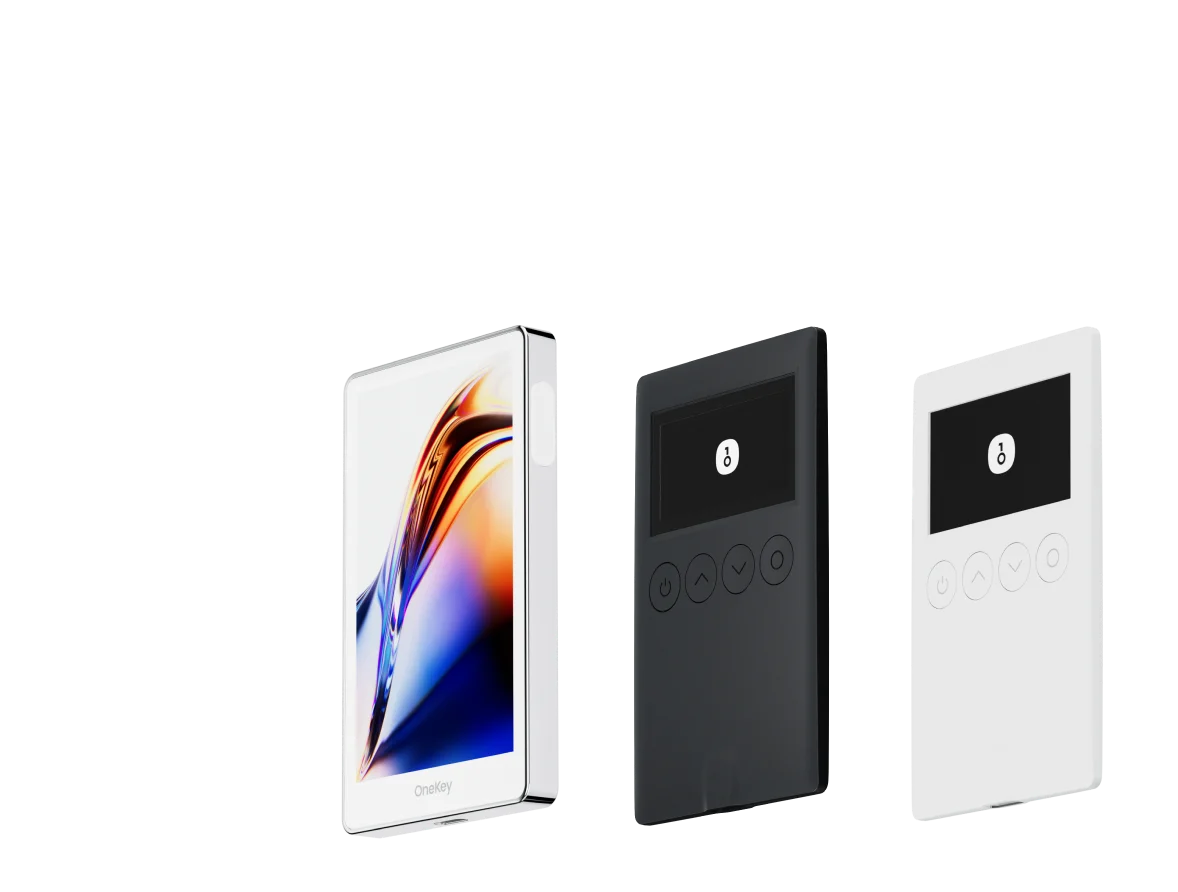
This is where a hardware wallet like OneKey can fit naturally: it’s designed for offline key isolation (cold storage) and can be used as the destination for periodic withdrawals, helping reduce prolonged exchange exposure as your recurring buys compound.
A simple operational routine many long-term users follow:
- DCA weekly (or biweekly) on an exchange
- Withdraw monthly (or when balances reach a predefined threshold)
- Verify addresses carefully, do a small test transfer when changing networks, and keep a written plan for recovery and inheritance
Smart DCA may change how much you buy each period, but the long-term win is still the same: consistency + risk control + disciplined custody.
Bottom line
Binance Smart DCA is a meaningful product evolution: it turns a popular sentiment gauge into a built-in position sizing rule for recurring buys, with user-defined multipliers between 10% and 200% when the market enters oversold (0–40) or overbought (60–100) sentiment zones, currently for crypto only. Reference
Used well, it can reduce emotional decision-making while keeping your investing process systematic. Used carelessly, it can lead to oversized buys, inconsistent cash management, and larger-than-expected exchange balances—making a clear self-custody plan (and tools like OneKey for cold storage) increasingly important as automated accumulation scales.