Binance Alpha Adiciona 10 Novos Títulos Tokenizados da Ondo: HOODon, COINon, e Mais
Binance Alpha Adiciona 10 Novos Títulos Tokenizados da Ondo: HOODon, COINon, e Mais
Em 4 de março de 2026, a Binance Alpha expandiu sua oferta de Ativos do Mundo Real (RWAs) com a adição de 10 novos títulos tokenizados da Ondo: HOODon, COINon, ORCLon, SLVon, INTCon, PLTRon, MUon, MSTRon, BABAon, IAUon. Com esta atualização, a Binance Alpha agora suporta 20 títulos tokenizados da Ondo, e a Binance indicou que mais serão adicionados ao longo do tempo. (Fonte)
Este movimento é mais um sinal claro de que as finanças onchain estão se integrando rapidamente aos mercados tradicionais, e que os "títulos tokenizados" estão se tornando uma categoria de produto cripto mainstream — ao lado de stablecoins, Tesouros tokenizados e outros primitivos de RWA.
O que exatamente a Binance Alpha listou desta vez?
Os novos tickers adicionados correspondem a ações de empresas e produtos de fundos fiduciários de commodities bem conhecidos listados nos EUA, incluindo:
- HOODon (Robinhood Markets)
- COINon (Coinbase)
- ORCLon (Oracle)
- INTCon (Intel)
- PLTRon (Palantir)
- MUon (Micron)
- MSTRon (MicroStrategy)
- BABAon (Alibaba ADR)
- SLVon (iShares Silver Trust)
- IAUon (iShares Gold Trust)
Do ponto de vista de um usuário de cripto, a mudança importante não são os tickers individuais — é o canal de distribuição: a Binance Alpha está integrada à Binance Wallet e projetada para ajudar os usuários a descobrir e negociar ativos onchain. (O que é a Binance Alpha?)
Por que os títulos tokenizados da Ondo são importantes em cripto (além de "ações onchain")
1) Tokenização é agora uma narrativa de ponta para 2025–2026
Em 2025, a tokenização passou de "experimentos" para "roteiros de infraestrutura", sendo cada vez mais discutida por reguladores e instituições de políticas globais. O BIS destacou a tokenização como um caminho para uma estrutura de mercado e liquidação mais eficientes — ao mesmo tempo em que enfatiza a importância de uma regulamentação sólida. (Comunicado de imprensa do BIS, 24 de junho de 2025)
O FMI também analisou como a tokenização poderia reduzir certas ineficiências do mercado financeiro, enquanto introduz novos trade-offs de design e governança. (Notas Fintech do FMI, 29 de janeiro de 2025)
A adição de mais ativos Ondo pela Binance se alinha perfeitamente a essa macrotendência: as plataformas de cripto estão correndo para se tornarem camadas de distribuição para produtos financeiros regulados e tokenizados.
2) O modelo da Ondo é projetado para portabilidade onchain
A Ondo Global Markets foi posicionada como uma forma para investidores não americanos obterem exposição onchain a ações e ETFs dos EUA, começando no Ethereum e expandindo para outras redes. (Anúncio da Ondo via PRNewswire)
Essa "portabilidade" é importante porque impulsiona os ativos tokenizados em direção à componibilidade: o mesmo token pode potencialmente transitar entre carteiras, plataformas e protocolos DeFi — sujeito às regras do produto e às restrições de conformidade do ecossistema.
Verificação da realidade regulatória: a disponibilidade depende da jurisdição
Títulos tokenizados se situam na interseção entre os trilhos de cripto e as regras de valores mobiliários. Nos relatórios sobre o lançamento da Binance Alpha, foi observado que o acesso depende da jurisdição e que esses produtos não estão disponíveis nos Estados Unidos. (Cobertura do Cointelegraph)
Enquanto isso, as estruturas regulatórias em centros como Abu Dhabi continuam a evoluir. Por exemplo, a FSRA da ADGM publicou atualizações em seu quadro regulatório de ativos digitais com o objetivo de agilizar aprovações e refinar requisitos. (Anúncio da ADGM FSRA)
Conclusão para usuários: trate os títulos tokenizados como produtos altamente sensíveis à jurisdição. Antes de interagir, confirme a elegibilidade, os termos do produto e as restrições dentro da sua interface de negociação.
Preocupações do usuário que mais importam (e o que observar)
1) "Eu possuo a ação?"
Normalmente, os produtos de ações tokenizadas fornecem exposição de preço a um título subjacente, mas podem não conceder direitos de acionista, como o direito de voto. Sempre leia a documentação do produto e as divulgações de risco, e assuma que exposição econômica ≠ status completo de acionista a menos que explicitamente declarado pelo emissor e pela plataforma. (Cobertura do Cointelegraph)
2) Preços, liquidez e qualidade de execução
Mesmo que um token rastreie um ativo conhecido, você ainda precisa considerar:
- liquidez na plataforma que você usa
- spreads e slippage
- janelas de resgate / liquidação (se aplicável)
- como as ações corporativas (desdobramentos, dividendos) são tratadas
Uma área que a indústria está aprimorando ativamente é a infraestrutura de preços onchain. A Ondo integrou o Chainlink Price Feeds para algumas ações tokenizadas no Ethereum, permitindo um uso mais amplo em DeFi, como empréstimos com garantia. (Cointelegraph sobre feeds Chainlink)
3) Verificação de contrato inteligente e endereço (não negociável)
À medida que os títulos tokenizados se expandem por várias cadeias, o phishing e os tokens falsificados se tornam um risco real. Melhor prática:
- verifique os endereços de contrato na interface do usuário oficial da sua plataforma e/ou referências do emissor
- confira em exploradores confiáveis como Etherscan e BscScan antes de trocar ou transferir
Ângulo de auto-custódia: por que as carteiras de hardware ainda importam para RWAs
Mesmo quando a descoberta e a negociação ocorrem dentro da experiência de uma grande plataforma, os títulos tokenizados ainda são ativos onchain — e ativos onchain atraem riscos onchain: aprovações maliciosas, dApps falsificados e assinatura da transação errada.
Se você planeja manter títulos tokenizados por períodos mais longos, ou movê-los entre protocolos, usar uma carteira de hardware pode reduzir a probabilidade de um comprometimento de um único dispositivo drenar seus fundos.
Onde a OneKey se encaixa
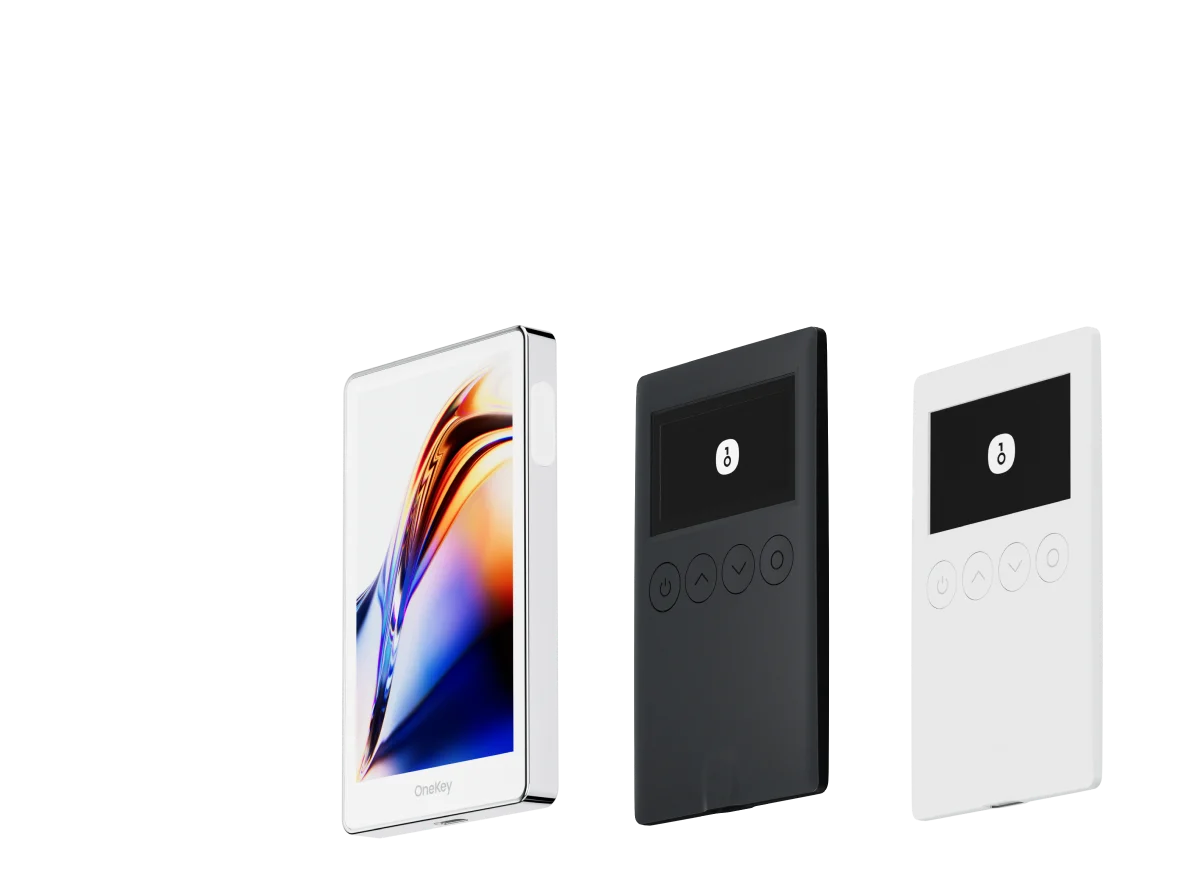
A OneKey é construída para auto-custódia: suas chaves privadas permanecem offline, e as transações exigem confirmação física no dispositivo — útil ao interagir com ativos onchain que podem envolver aprovações e chamadas de contrato. Para usuários que exploram o crescente setor de RWAs (incluindo títulos tokenizados), esse isolamento adicional de assinatura pode ser uma atualização de segurança prática.
Você pode aprender mais sobre a direção mais ampla da tokenização com órgãos de política e pesquisa como o BIS e o FMI, mas no nível do usuário a regra permanece simples: se está onchain, trate cada assinatura como uma decisão de segurança.
Conclusão
A adição pela Binance Alpha em 4 de março de 2026 de HOODon, COINon, ORCLon, SLVon, INTCon, PLTRon, MUon, MSTRon, BABAon e IAUon marca mais um passo na rápida expansão de RWAs e títulos tokenizados em superfícies de produtos cripto mainstream. (Fonte)
A oportunidade é clara: acesso global, liquidação programável e potencial composição em DeFi. Mas os trade-offs são igualmente reais: limites de jurisdição, nuances da estrutura do produto, risco de contrato inteligente e segurança operacional. Se você está participando, concentre-se na verificação, higiene de permissões e melhores práticas de auto-custódia — especialmente à medida que a tokenização se torna um dos temas definidores da estrutura do mercado de cripto em 2025–2026.