Binance Alpha Adds FLORK and PONS: What the New Listings Signal for Crypto Traders
Binance Alpha Adds FLORK and PONS: What the New Listings Signal for Crypto Traders
On September 2, Binance Alpha added FLORK and PONS to its lineup, bringing two fresh tokens into the spotlight at a time when traders are still scanning the market for early narratives, fast-moving communities, and new on-chain opportunities.
For many crypto users, a Binance Alpha listing is less about a long-term thesis on day one and more about discovery. In a market where attention moves quickly, even a small listing announcement can change liquidity, social sentiment, and short-term price behavior in a matter of hours. That is why updates like this matter: they can surface new assets before they spread more widely across the market.
Why Binance Alpha Listings Draw Attention
Binance Alpha is widely watched because it tends to highlight tokens that sit closer to the market’s experimental edge. For traders, that usually means three things:
-
Higher visibility
A token suddenly reaches a much larger audience, including retail traders, on-chain participants, and market makers. -
Faster price discovery
New attention often leads to sharper volatility as the market tries to decide what the asset is worth. -
Stronger narrative trading
In crypto, narratives often move faster than fundamentals. A listing can become part of a broader theme, especially when the market is already favoring community-driven or high-risk, high-reward assets.
That does not mean every Binance Alpha listing is a quality signal on its own. It simply means the asset has crossed into a more visible phase of market discovery. For users, the important question is not only whether a token is trending, but whether it has the liquidity, structure, and transparency to support informed participation.
For readers who want to understand the broader mechanics of token visibility and market structure, Binance’s own educational materials on token listings and crypto market basics can be useful starting points.
What Traders Should Look At Before Engaging With FLORK or PONS
When a token appears on a high-traffic platform, the temptation is to act quickly. In 2025, though, disciplined users are increasingly treating speed and caution as a pair rather than a trade-off.
Before interacting with FLORK, PONS, or any newly surfaced asset, a few checks are worth making:
- Verify the official contract address through the project’s own channels.
- Inspect liquidity depth to understand whether a small trade could move the market.
- Review token distribution and watch for concentration in a few wallets.
- Check unlock schedules or emission rules, if available, to see whether supply pressure may increase later.
- Look for on-chain activity, not just social media momentum.
Tools such as Etherscan and BscScan can help users examine transaction history, holder concentration, and contract behavior on supported chains. Even when a token looks exciting on the surface, on-chain data often tells a more complete story.
Why This Matters in the 2025 Crypto Market
This year, the market has continued to reward users who can balance narrative awareness with risk control. The most active traders are no longer just chasing headlines; they are combining speed, chain data, and portfolio discipline.
That is especially important with early-stage tokens, where:
- price action can be extreme,
- liquidity can vanish quickly,
- community sentiment can shift in minutes,
- and execution risk is often higher than in established large-cap assets.
In other words, a Binance Alpha listing can be a useful signal, but it should be treated as an entry point for research, not a substitute for it. The best practice is still to evaluate the asset on its own merits and to size positions accordingly.
A Safer Way to Approach New Listings
If you do decide to explore newly listed tokens, self-custody becomes more important, not less. Early-stage assets often require interaction with multiple venues, wallets, and contracts, which increases the need for strong key management.
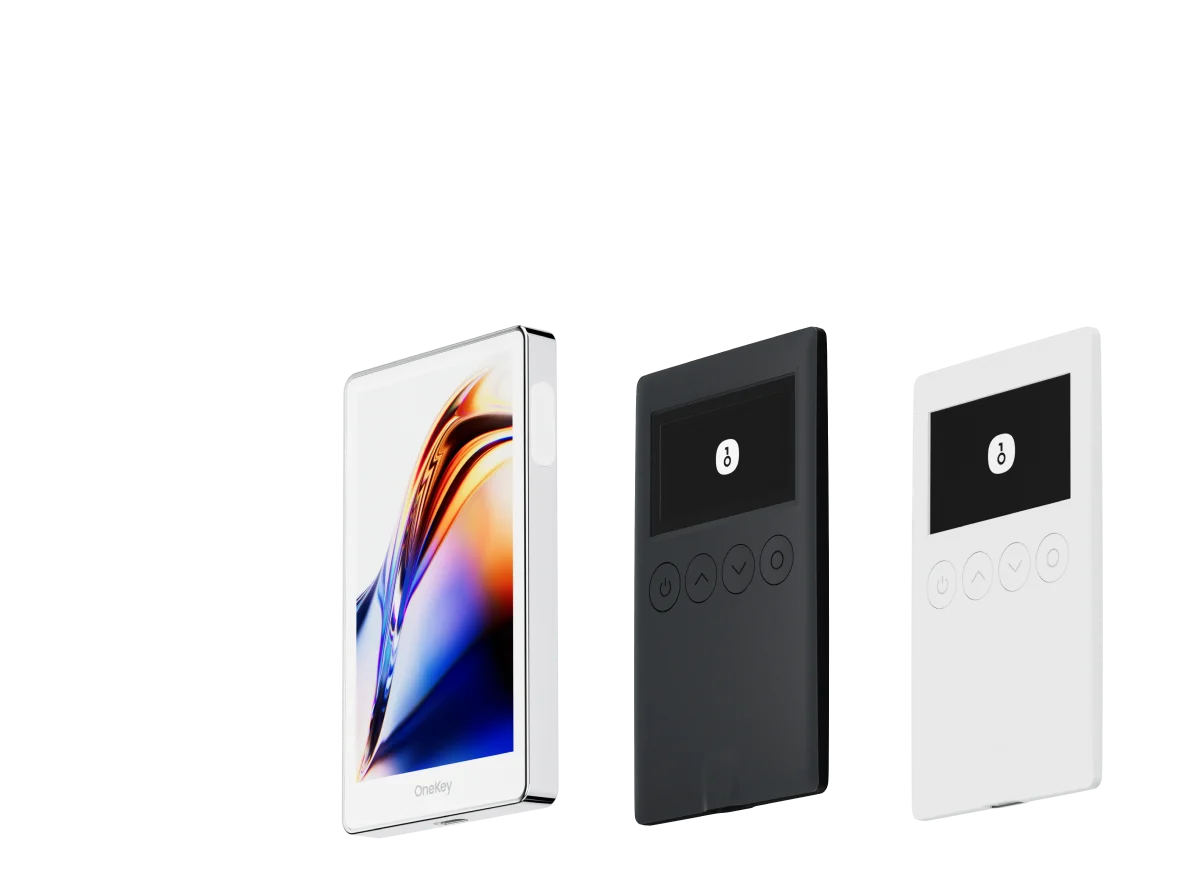
A hardware wallet such as OneKey can help keep private keys offline while you navigate new listings and manage assets across different chains. For users active in DeFi or frequently trading newer tokens, separating signing security from day-to-day market activity is a practical way to reduce operational risk.
If you are moving between spot holdings, on-chain positions, and experimental assets like FLORK or PONS, a self-custody setup can provide a more secure foundation for long-term participation. You can learn more about the concept of self-custody wallets and why private key control remains central to crypto ownership.
Final Thoughts
The addition of FLORK and PONS to Binance Alpha is another reminder that crypto markets still move on a mix of visibility, speculation, and on-chain discovery. For traders, this can create opportunity. For everyone else, it is also a reminder to stay selective.
New listings deserve attention, but they also deserve scrutiny. Before following the crowd, check the data, confirm the contracts, and think about how much risk you are willing to take. And if you are planning to hold new assets beyond a short-term trade, keeping them in a secure self-custody setup is still one of the simplest ways to stay prepared.