Binance HODLer Airdrops Launches OpenGradient (OPG): What It Means for BNB Earn Users and the Decentralized AI Narrative
Binance HODLer Airdrops Launches OpenGradient (OPG): What It Means for BNB Earn Users and the Decentralized AI Narrative
Binance has added OpenGradient (OPG) as the 66th project in its HODLer Airdrops program—another clear signal that the market’s “AI x Crypto” thesis is evolving from hype into infrastructure. According to Binance’s announcement, OpenGradient is positioning itself as an Open Intelligence network: a decentralized system built to host, run inference, and verify AI models at scale. You can read the full details in the official notice, Introducing OpenGradient (OPG) on Binance HODLer Airdrops.
This article breaks down the airdrop timeline, eligibility mechanics, and—more importantly—why verifiable AI inference is becoming one of the most watched infrastructure trends in crypto heading into 2026.
Key Airdrop Timeline (Make the Dates Unambiguous)
Binance’s HODLer Airdrops use historical snapshots, meaning your eligibility is based on what you did during a past window, not after you see the announcement.
Subscription / snapshot window (UTC+8):
- June 22, 2026 08:00 → June 25, 2026 07:59 (UTC+8)
Same window in UTC (as stated by Binance):
- June 22, 2026 00:00 → June 24, 2026 23:59 (UTC)
Distribution timing:
- Binance estimates the OPG rewards will be delivered to eligible users’ Spot accounts within ~5 hours after the announcement is published. Source: Binance announcement.
Who Was Eligible? (BNB Simple Earn and On-Chain Yields)
Per Binance, users qualified if they subscribed BNB into:
- Simple Earn (Flexible and/or Locked), and/or
- On-Chain Yields
…and held those subscriptions within the snapshot window above. Binance also reiterates that snapshots are taken multiple times per hour to compute an hourly average balance (which discourages “one-minute” gaming). Details are in the same Binance announcement.
Important regional note (especially for U.S. users)
Binance states that participation depends on jurisdiction and lists multiple excluded regions, including the United States. If you are affected, you may not be able to participate through Binance Earn products even if you hold BNB. Always check the latest eligibility language in the official announcement.
What Is OpenGradient (OPG) Actually Building?
OpenGradient sits at the intersection of two mega-themes:
- AI agents making real economic decisions (trading, lending, governance, compliance)
- A growing demand for auditability: “Show me what model ran, what inputs were used, and whether outputs were tampered with.”
OpenGradient’s core pitch is verifiable AI inference—a system where inference can be executed quickly, then proven and verified without requiring blind trust in a single operator. The project’s documentation describes a design that separates execution from verification, aiming to keep performance closer to Web2 while preserving cryptographic accountability. See:
- OpenGradient docs: About
- Verifiable LLM execution (on-chain verification overview)
- Inference nodes and network architecture
If you want a more beginner-friendly overview, Binance Academy also published a dedicated explainer: What Is OpenGradient (OPG)?.
Why This Matters: “Verifiable Compute” Is Becoming a Core Crypto Use Case
In 2025–2026, the crypto market has increasingly rewarded projects that can answer one of the hardest questions in AI:
How do we verify computation we didn’t run ourselves?
This is not just philosophical. It’s directly tied to:
- DeFi risk controls (did an agent follow its constraints?)
- Institutional compliance (can an inference decision be audited?)
- Consumer privacy (was data processed in a trusted environment?)
- AI supply chain integrity (what model version produced this output?)
OpenGradient leans into this by combining specialized node roles and verification pathways, and by making OPG the token used for network payments and coordination, as described across its official materials:
Token and Network Hygiene: Don’t Skip Contract Verification
Whenever a Binance airdrop or listing drives attention, copycat tokens and phishing links tend to follow. Binance publishes contract references for OPG on both BNB Smart Chain and Base in its announcement.
Before interacting with any token, confirm you have the correct contract on a reputable explorer:
Practical best practices:
- Treat unsolicited “airdrop claim” DMs as hostile by default.
- Verify domains carefully (especially for “connect wallet” pages).
- If you move OPG on-chain, do a small test transaction first.
Airdrop Strategy: What Users Actually Care About
1) Retroactive design reduces “announcement chasing”
HODLer Airdrops are structured so that you can’t reliably wait for a headline and then rush into BNB Earn. The snapshots are historical and averaged. This nudges behavior toward consistent positioning, not reactive speculation.
2) Earn programs blur into token distribution rails
Binance explicitly frames Simple Earn subscriptions as automatically eligible not only for HODLer Airdrops, but also for other reward programs (depending on rules). That’s part of a broader exchange trend: yield products doubling as distribution infrastructure. See Binance’s framing in the OPG HODLer Airdrops announcement.
3) Custodial rewards vs. self-custody reality
Even when rewards land in a Spot account, many users ultimately want to:
- hold long term,
- participate in governance,
- or use tokens on-chain (Base / BNB Smart Chain).
That’s where self-custody decisions become relevant.
If You Plan to Hold OPG Long-Term: Consider a Hardware Wallet Workflow
If you receive OPG through an exchange and later plan to use it on-chain (for example on Base), a common security pattern is:
- Withdraw to a self-custody wallet you control
- Interact with dApps from a segregated environment
- Keep signing keys isolated from daily browsing risks
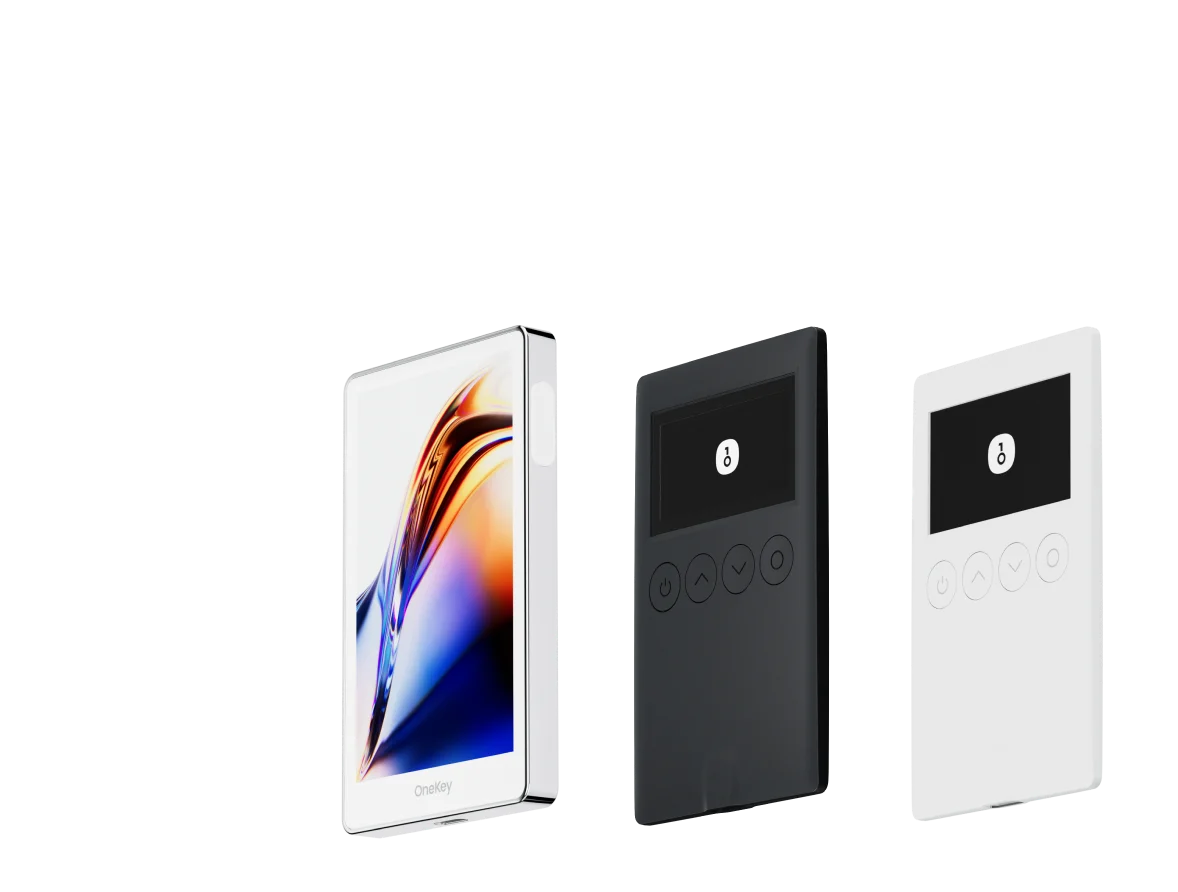
A hardware wallet like OneKey can support this workflow by keeping private keys offline and reducing the blast radius of phishing attempts—especially during high-attention events like airdrops and new listings. (As always, confirm chain, token contract, and destination address before transferring.)
Final Thoughts
OpenGradient’s appearance as Binance HODLer Airdrops #66 is more than a “free tokens” moment—it reflects a broader shift: crypto networks increasingly compete on verification, provenance, and trust-minimization for off-chain computation, not just transaction throughput.
For users, the immediate takeaway is straightforward:
- Understand the snapshot window and distribution mechanics
- Pay attention to jurisdiction restrictions
- Prioritize contract verification and operational security if you move OPG on-chain
In a cycle where AI narratives can turn into scam magnets overnight, disciplined security habits are still the highest-ROI strategy.