Binance to Delist 7 Spot Trading Pairs on August 14: What Crypto Traders Should Know
Binance to Delist 7 Spot Trading Pairs on August 14: What Crypto Traders Should Know
Binance is set to stop trading and remove seven spot trading pairs on August 14, 2026, at 03:00 UTC. The affected pairs are:
- APT/BTC
- AR/BTC
- A/USDC
- BTTC/TRY
- CYBER/USDC
- LPT/BTC
- WAL/FDUSD
The change applies to specific spot trading pairs, not necessarily to the underlying tokens themselves. In most cases, users may still be able to trade the affected assets through other available pairs on Binance, depending on the exchange’s market support at the time. Traders should always check the latest updates through the official Binance announcements page before taking action.
What does a spot trading pair delisting mean?
A spot trading pair delisting means that Binance will no longer support trading between the two assets in that specific market. For example, if APT/BTC is removed, users will not be able to place new spot orders directly between APT and BTC after the effective time.
This does not automatically mean:
- The token is being removed from Binance entirely
- Deposits or withdrawals are immediately suspended
- The project has failed
- Users must sell the asset immediately
However, it does mean users should review their open orders, trading bots, portfolio exposure, and preferred liquidity routes before the removal takes effect.
Exchanges often adjust listed pairs based on factors such as trading volume, liquidity quality, user demand, market-making efficiency, and operational considerations. Binance has previously stated that it periodically reviews trading markets to help maintain a high-quality trading environment, and users can find broader exchange rules and trading information in its spot trading rules.
Why these removals matter for traders
For active crypto traders, the delisting of a spot pair can affect execution strategy. Even if the underlying token remains listed, the removal of a direct pair may force users to route trades through another quote asset such as USDT, USDC, FDUSD, BTC, or a local fiat-linked market.
This can create several practical issues:
1. Lower convenience for certain trading routes
A trader who previously used BTC as the base portfolio asset may need to convert through another market after APT/BTC, AR/BTC, or LPT/BTC is removed. This can add an extra step and may increase trading costs.
2. Potential liquidity fragmentation
When a pair is removed, liquidity may shift to remaining markets. For users trading larger size, it is important to compare order book depth, spreads, and slippage before executing transactions.
3. Automated strategies may require updates
Users running grid bots, API-based systems, portfolio rebalancing scripts, or recurring strategies should check whether any of the affected pairs are included. If a strategy continues to reference a removed symbol, orders may fail or behave unexpectedly after the delisting time.
4. Tax and accounting records should be preserved
Trading pair changes can complicate transaction tracking for frequent traders. Users should export trading history and keep clear records, especially in jurisdictions where crypto-to-crypto trades are taxable events. For general investor education, resources from agencies such as the U.S. Investor.gov crypto assets guide can help users understand risk considerations.
Affected pairs: quick market context
The seven pairs cover several asset categories within the crypto market:
- APT/BTC: Aptos is a Layer 1 blockchain project, and BTC-denominated pairs are often used by traders benchmarking altcoin performance against Bitcoin.
- AR/BTC: Arweave is associated with decentralized storage, a sector that remains relevant as AI, data availability, and permanent web use cases grow.
- A/USDC: USDC markets are commonly used by traders who prefer regulated dollar-backed stablecoin exposure.
- BTTC/TRY: TRY pairs serve users seeking local-currency access, particularly in markets where crypto adoption is closely linked to currency volatility and retail trading demand.
- CYBER/USDC: CyberConnect is tied to Web3 social and identity infrastructure.
- LPT/BTC: Livepeer is part of decentralized video and compute infrastructure, a theme that continues to attract attention as on-chain media and AI-related workloads expand.
- WAL/FDUSD: FDUSD pairs are part of Binance’s stablecoin trading ecosystem and are often used in spot market liquidity programs.
The removal of these pairs should be understood as a market-structure adjustment rather than a definitive judgment on the long-term value of any individual asset.
What users should do before August 14
If you hold or trade any of the affected assets, consider the following steps before 03:00 UTC on August 14:
-
Review open spot orders
Cancel or adjust any pending orders in APT/BTC, AR/BTC, A/USDC, BTTC/TRY, CYBER/USDC, LPT/BTC, or WAL/FDUSD. -
Check whether alternative pairs are available
Look for other supported markets for the same asset, such as USDT, USDC, FDUSD, BTC, or other quote assets. -
Update trading bots and API configurations
If you use automation, remove the affected symbols from your strategy settings. -
Evaluate liquidity before converting
Avoid rushing into low-liquidity markets. Check spreads and order book depth before placing large trades. -
Move long-term holdings to self-custody if appropriate
If you are not actively trading, consider whether keeping assets on an exchange still fits your risk profile.
Exchange delistings and the case for self-custody
Centralized exchanges are important venues for price discovery and liquidity, but they remain custodial platforms. Trading pair removals are a reminder that users do not control exchange listings, market availability, or platform-level policy changes.
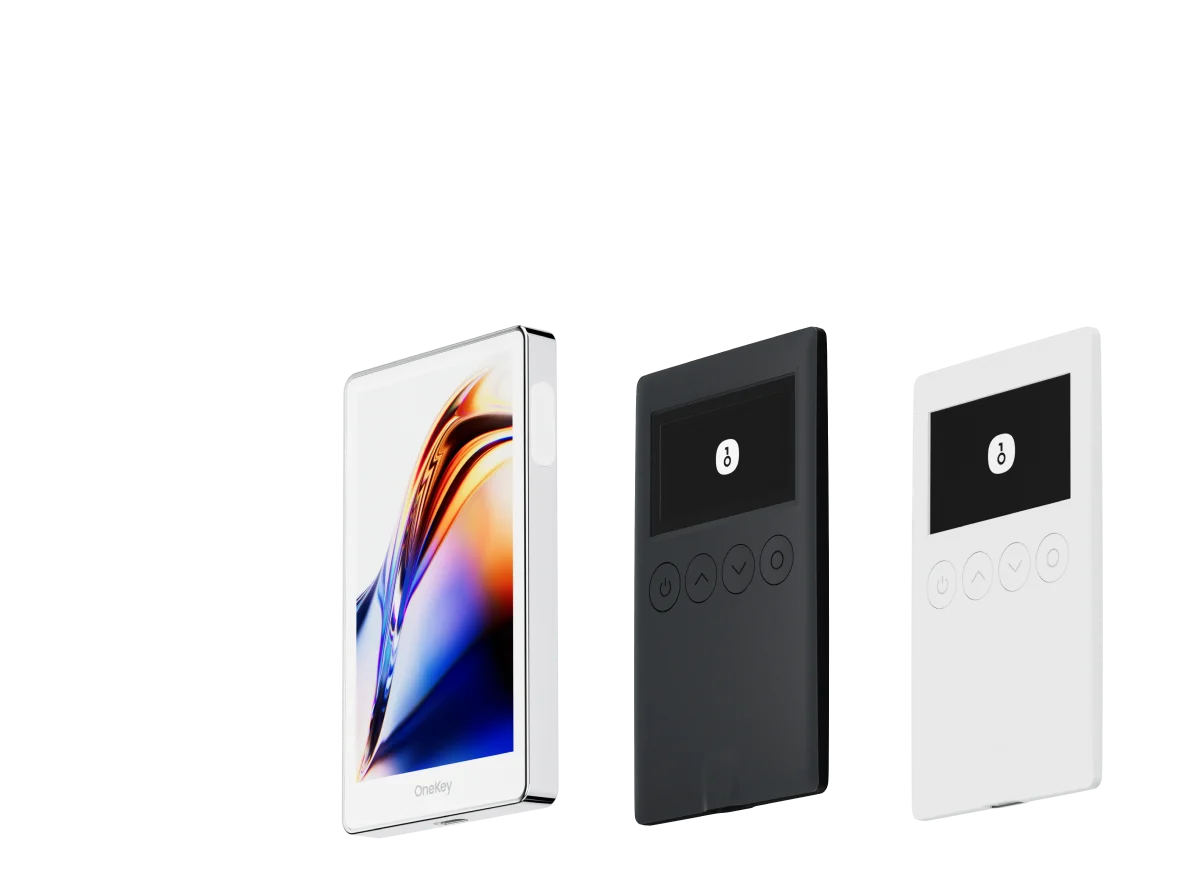
For long-term holders, self-custody can reduce dependence on exchange infrastructure. A hardware wallet such as OneKey helps users manage private keys offline while supporting multi-chain asset storage and transaction verification. This is especially relevant for users who hold assets across different ecosystems and do not need constant exchange access.
Self-custody does not eliminate market risk, but it gives users more control over asset ownership, wallet access, and long-term storage decisions.
Final thoughts
Binance’s planned removal of APT/BTC, AR/BTC, A/USDC, BTTC/TRY, CYBER/USDC, LPT/BTC, and WAL/FDUSD on August 14 is a routine but important event for spot traders. The most important takeaway is that a trading pair delisting is not always the same as a token delisting.
Users should check official updates, manage open orders, review automated strategies, and consider whether their assets are better suited for active trading or secure long-term storage. In a market where exchange policies, liquidity conditions, and regulatory expectations continue to evolve, disciplined portfolio management remains one of the most valuable habits for crypto users.