Should You Move from Binance to Hyperliquid? A Practical Decision Framework
There is no one-size-fits-all answer. Some traders have already moved their main perpetuals activity to Hyperliquid. Others still prefer Binance. Many use both, switching depending on liquidity, product coverage, fees, and risk tolerance. Source: Hyperliquid docs.
This article is not a “DEX beats CEX” argument. Instead, it gives you a practical framework for deciding whether moving from Binance to Hyperliquid makes sense, which parts of your setup to migrate, and how to use OneKey Perps to manage risk while you operate across both platforms.
First, clarify what you actually want to move
“Moving from Binance to Hyperliquid” can mean three different things:
- Perpetuals trading: moving futures/perps positions from Binance Futures to Hyperliquid.
- Asset custody: withdrawing long-term crypto holdings from a Binance account into a self-custody wallet.
- Spot trading: moving day-to-day spot activity from Binance to on-chain DEXs.
These are separate decisions. The right answer for one may not apply to the others.
This article focuses mainly on the first question: whether to move your perpetuals trading from Binance to Hyperliquid.
Reasons to consider moving to Hyperliquid
1. Self-custody and lower platform counterparty risk
When you trade on Hyperliquid, your margin is controlled through your own wallet. The exchange does not hold your private keys and cannot unilaterally freeze your wallet or block withdrawals in the same way a centralized exchange account can be restricted.
After FTX, “exchange failure” is no longer a theoretical tail risk for crypto traders. For many users, reducing dependence on a centralized venue is the strongest reason to explore Hyperliquid.
2. Transparent fee structure
Hyperliquid’s fee model is defined at the protocol level and documented publicly. Makers may receive rebates, and taker fees are generally competitive. The fee calculation is visible and rules-based, which makes it easier to evaluate costs before moving size.
3. No KYC and stronger privacy by default
Regulatory frameworks such as MiCA in the EU and AML requirements in many jurisdictions are pushing centralized exchanges toward stricter identity checks. Binance has already required more comprehensive verification in many regions.
Hyperliquid is accessed through an on-chain wallet connection and does not require users to submit personal identity documents in the same way a CEX account typically does.
4. On-chain transparency and reduced “exchange wick” concerns
Hyperliquid activity is visible on-chain, and the trading flow does not rely on the same kind of opaque centralized account layer. For traders who have experienced or worried about suspicious liquidation wicks on centralized venues, this transparency is a major appeal.
That does not remove market risk or liquidation risk, but it does make the venue mechanics more open to inspection.
Reasons to stay on Binance
1. Binance still has deeper liquidity in many markets
Binance Futures remains one of the deepest derivatives venues in crypto. In extreme volatility, its order book depth can still be meaningfully larger than Hyperliquid’s, especially for long-tail altcoin perps and very large orders.
If your strategy trades thin markets or you regularly execute large single orders, this liquidity gap matters. Slippage and execution quality can easily outweigh other benefits.
2. More advanced order types
Binance supports a wider range of advanced order tools, including trailing stops, iceberg orders, TWAP-style execution, and other execution controls.
Hyperliquid has improved quickly, but some advanced order types are still missing. If your strategy depends on trailing stops or complex execution logic, you should test carefully before migrating meaningful size.
3. Native mobile app experience
Binance has a mature, full-featured mobile app. Hyperliquid is primarily accessed through a browser-based interface, so the mobile experience can feel less polished.
If you trade heavily from your phone, this is not a minor detail. It can affect reaction time, order management, and overall comfort.
4. Integrated spot and futures account management
If you actively move funds between spot and futures inside one account, Binance is still more convenient. Its unified account system makes internal transfers and collateral management straightforward.
On-chain perps DEXs are not yet as seamless for spot-plus-perps workflows. Hyperliquid’s spot functionality is still developing, and coordinating between spot holdings and perps margin may require extra steps.
Decision framework: five questions to ask
Use the questions below to evaluate whether moving from Binance to Hyperliquid fits your actual trading style.
If most of your answers lean toward the right column, Hyperliquid is worth serious consideration. If most lean left, Binance may still be the more practical venue for your current workflow.
Migration does not have to be all-or-nothing
The most rational setup is often a layered one rather than a full switch:
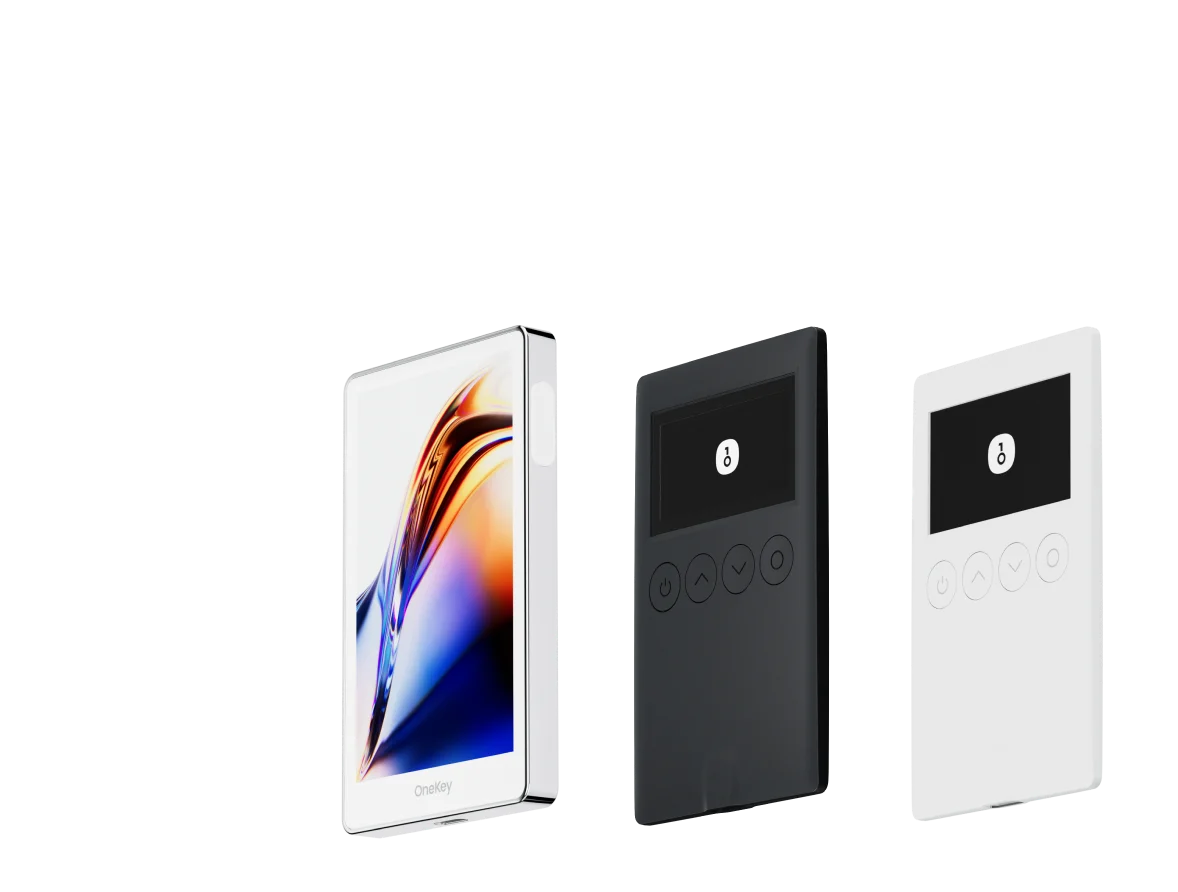
- Long-term holdings: withdraw from CEXs and self-custody with a OneKey hardware wallet.
- Main perpetuals activity: gradually test and move suitable markets to Hyperliquid to reduce reliance on centralized venues.
- Small emergency liquidity: keep limited funds on Binance for spot trades, fiat rails, or situations where CEX liquidity is useful.
This lets you benefit from on-chain custody and transparency without giving up every CEX advantage at once.
Managing the transition with OneKey Perps
During migration, the biggest operational risk is fragmented visibility. If you have positions on both Binance and Hyperliquid, it becomes easier to misread your total exposure, over-hedge, double up unintentionally, or miss liquidation risk on one side.
OneKey Perps helps by giving you a clearer cross-platform view of your perpetuals activity, so you can monitor exposure during the transition instead of managing risk from scattered tabs and separate interfaces.
A practical workflow looks like this:
- Download and set up OneKey.
- Secure your wallet with a OneKey hardware device where appropriate.
- Connect to Hyperliquid through the Hyperliquid app using your OneKey wallet.
- Start with a small deposit and test the full flow before moving larger size.
- Use OneKey Perps to monitor positions and risk while you still operate across both Binance and Hyperliquid.
Your private keys remain stored in your wallet setup and are not exposed to online services. This is especially important when moving from a CEX account model to a wallet-based trading model.
It is also worth reviewing documentation from other on-chain perps protocols such as dYdX and GMX when comparing CEX-to-DEX workflows. The goal is not to move just because a venue is popular, but to confirm that Hyperliquid actually fits your strategy, size, and risk model.
FAQ
Q1: How long does it take to move funds from Binance to Hyperliquid?
Usually there are two steps:
- Withdraw USDC from Binance to Arbitrum. This often takes around 15–30 minutes, depending on network and exchange processing conditions.
- Deposit from Arbitrum into Hyperliquid. On-chain confirmation usually completes within a few minutes.
For your first transfer, use a small test amount and verify the full route before sending more funds.
Q2: Can I trade stock perpetuals after moving to Hyperliquid?
Yes. Hyperliquid offers stock perpetuals such as TSLA, NVDA, and AAPL. These trade 24 hours a day and do not require opening a traditional brokerage account. This is one of Hyperliquid’s distinctive advantages compared with Binance.
Q3: Are Hyperliquid funding rates more expensive than Binance?
Not necessarily. Funding rates are determined by market demand between longs and shorts, and they vary by asset and time. There is no universal answer that one venue is always cheaper.
If you use leverage, funding can have a significant impact on PnL. Always compare current funding rates before opening a position.
Q4: Can I directly migrate an open Binance futures position to Hyperliquid?
No. You cannot transfer an open position directly. You would need to close the position on Binance, withdraw funds, deposit into Hyperliquid, and open a new position there.
Before doing this, account for execution costs, possible slippage, funding differences, and market movement during the transfer window.
Q5: Can I use OneKey Perps on mobile?
Yes. The OneKey mobile app can be used with Hyperliquid through a mobile browser and OneKey wallet connection. For many users, this is one of the more practical ways to access Hyperliquid from mobile while keeping a wallet-based workflow.
Conclusion
The strongest reason to move from Binance to Hyperliquid is reducing centralized platform risk through self-custody. The main reasons not to move are Binance’s deeper liquidity, broader advanced order support, and stronger native mobile experience.
If your trading size is moderate, you mainly trade from desktop, and you care about reducing CEX counterparty risk, moving part of your perps activity to Hyperliquid can make sense. A staged approach is usually safer than an all-in migration.
Try OneKey and use OneKey Perps to manage the transition with clearer position visibility, better custody hygiene, and a more controlled workflow across Binance and Hyperliquid.
Risk warning: This article is for informational purposes only and does not constitute investment, financial, or trading advice. Crypto perpetuals are high-risk products and can result in the loss of your entire principal. Always assess your own risk tolerance and take full responsibility for your trading decisions.