Binance.US Lists NPC
Binance.US Lists NPC
According to a report by BlockBeats on March 4, Binance.US announced the listing of Non-Playable Coin (NPC) and opened the NPC/USDT trading pair. Binance.US also confirmed that deposits and withdrawals for NPC on the Ethereum network are available, with trading going live on March 4, 2026 at 6 a.m. EST. For the original exchange notice, see the Binance.US Help Center update: Binance.US lists Non-Playable Coin (NPC) | Deposit now.
This type of U.S. exchange listing matters because it can meaningfully expand access, improve spot liquidity, and increase mainstream visibility for a token—while also bringing the usual listing-day volatility that traders and long-term holders should plan for.
What is NPC?
Non-Playable Coin (NPC) is commonly described as a memecoin and NFT hybrid inspired by the “Non-Player Character” internet meme. In practice, it’s a crypto-native culture asset that blends meme-driven liquidity with NFT-style collectability narratives. You can review key market data and token information on CoinMarketCap’s NPC page and the project’s official site, npc.com.
Important: “NPC” is a ticker that can be reused by unrelated projects across chains. When you deposit or withdraw, always verify you’re dealing with the correct asset and network specified by your exchange.
Why a Binance.US listing is a notable catalyst (and what it isn’t)
A Binance.US listing can create short-term momentum for three main reasons:
- New fiat-adjacent on-ramps and visibility: More U.S.-based users can access NPC through a familiar centralized venue, rather than bridging on-chain first.
- Potential liquidity improvement: A new spot market can tighten spreads and increase turnover, especially during the first 24–72 hours after launch.
- Narrative tailwinds: Into 2025 and 2026, “internet culture” tokens and memecoin-adjacent assets have remained a recurring retail theme—often moving fast on attention alone.
However, a listing is not the same thing as a protocol upgrade, revenue milestone, or a fundamental change in utility. For memecoin-style assets, price action around listings often reflects positioning, liquidity, and sentiment more than long-term fundamentals.
For an additional event reference, CoinMarketCal tracked the listing time window here: Non-Playable Coin (NPC): Binance.US Listing.
Practical user checklist: trading, deposits, and safety
If you plan to trade or transfer NPC after the Binance.US listing, focus on execution and risk control:
1) Confirm the network before you transfer
Binance.US explicitly notes NPC deposits and withdrawals on Ethereum in its listing notice. Sending NPC on the wrong chain (or to the wrong contract) can lead to irreversible loss. Start from the exchange’s official instructions: Binance.US listing notice.
2) Verify the token contract
Use a reputable market data page and a block explorer to confirm the correct contract before interacting with any third-party “airdrop” or “claim” links. CoinMarketCap lists NPC contract and explorers on its profile page: Non-Playable Coin on CoinMarketCap.
3) Expect volatility around the opening window
Opening minutes can include spread widening, rapid wicks, and sharp reversals—especially for assets driven by social momentum. If you trade, consider limit orders and predefined risk limits rather than chasing market orders during peak volatility.
Self-custody after buying NPC: why it matters
Centralized exchange listings make access easier, but custody risk doesn’t disappear. If you’re holding NPC beyond a short-term trade, it can be worth moving assets to self-custody, where you control the private keys rather than leaving funds on an exchange.
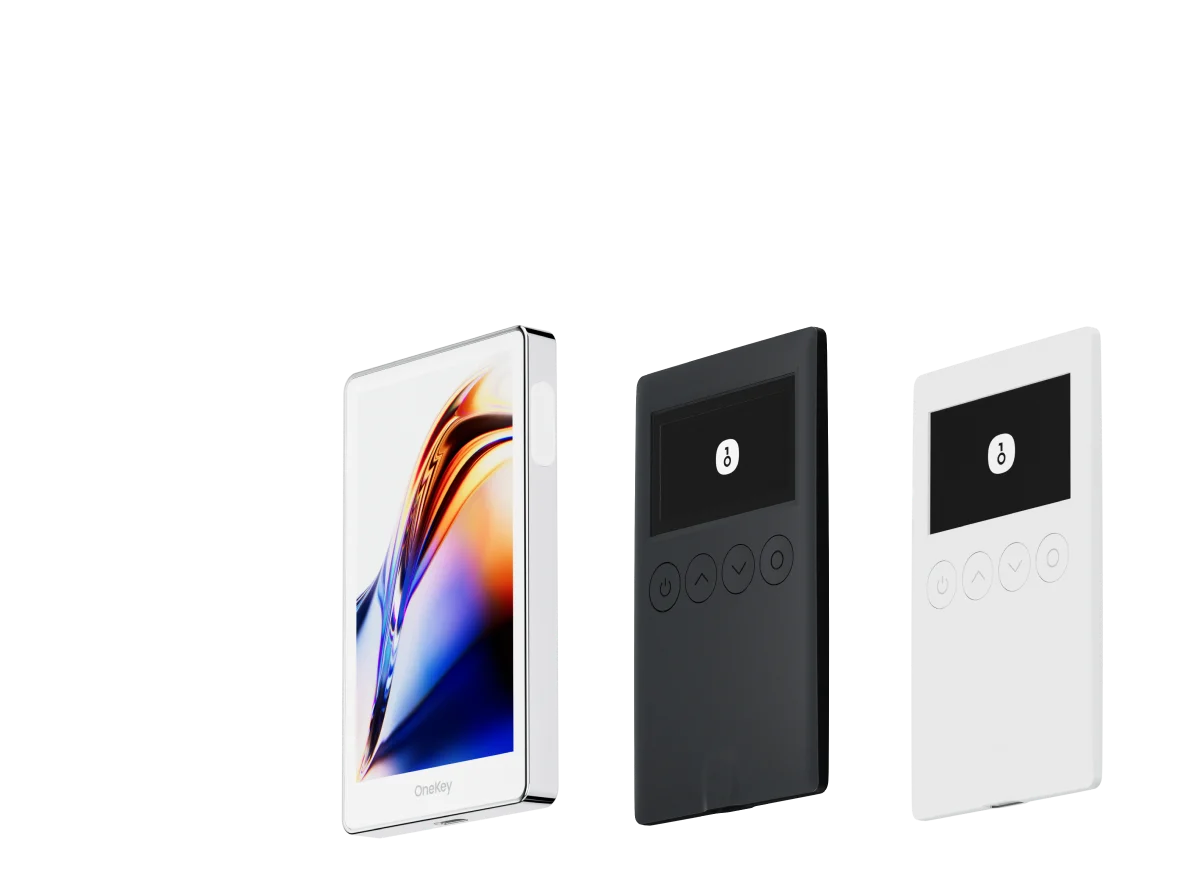
A hardware wallet like OneKey is designed for this moment: keeping private keys offline while still allowing you to manage crypto assets across networks and interact with Web3 when needed. If you choose to withdraw NPC from Binance.US (on the supported network), self-custody can help reduce exposure to account-level risks and platform incidents—especially during high-traffic listing days when phishing attempts tend to spike.
Bottom line
Binance.US listing NPC and enabling the NPC/USDT pair on March 4, 2026 is a meaningful distribution event for a culture-driven token—likely increasing liquidity and attention, while also elevating short-term volatility and user safety risks. Trade carefully, verify contracts and networks, and consider self-custody with OneKey if your plan is to hold beyond the initial listing cycle.