Bitget Lists SHAZ, SOFI, and PENG Stock Perpetual Contracts
Bitget Lists SHAZ, SOFI, and PENG Stock Perpetual Contracts
Bitget has expanded its stock perpetual contract offering with three new markets: SHAZ, SOFI, and PENG. The newly listed contracts are settled in USDT, support up to 20x leverage, and are available for 24/7 trading. With this update, Bitget’s stock contract lineup now covers 246 underlying assets, reflecting the broader convergence between crypto market infrastructure and traditional equity exposure.
For traders, the launch is not only about three new tickers. It also highlights a growing trend in 2025: crypto exchanges are increasingly offering synthetic access to real-world market themes, including artificial intelligence, fintech, semiconductors, and listed equities, through perpetual derivatives.
What Was Listed?
The three new stock perpetual contracts are:
- SHAZ: SharonAI
- SOFI: SoFi Technologies
- PENG: Penguin Solutions
SOFI is widely associated with the fintech sector, while PENG is linked to enterprise technology and AI infrastructure themes. Traders can review public market information for SoFi Technologies through its profile on Nasdaq, and Penguin Solutions is also listed on Nasdaq.
Unlike spot equity ownership, stock perpetual contracts are derivative products. They allow users to take long or short exposure to price movements without directly holding the underlying shares. This makes them closer to crypto perpetual futures than to traditional stock investing.
Why Stock Perpetual Contracts Matter in Crypto
Perpetual contracts have long been a core part of crypto derivatives trading. Their appeal comes from continuous trading, leverage, and the ability to express directional views without an expiry date. By applying a similar structure to stock-linked assets, exchanges are creating a hybrid market where crypto-native users can trade equity-related exposure using stablecoin collateral.
The key features of Bitget’s new contracts include:
- USDT settlement, which may simplify profit and loss accounting for crypto traders
- Up to 20x leverage, increasing both capital efficiency and liquidation risk
- 24/7 availability, unlike traditional stock market sessions
- Access through crypto trading infrastructure rather than a conventional brokerage account
This model fits a broader industry shift toward tokenized real-world assets and synthetic market access. Institutions and retail users are increasingly paying attention to products that connect blockchain liquidity with traditional financial markets. Reports from organizations such as the Bank for International Settlements have repeatedly discussed how tokenization and digital asset market structure may reshape financial infrastructure over time.
The Opportunity: Flexible Exposure to Equity Themes
For crypto traders, SHAZ, SOFI, and PENG may represent different market narratives.
SOFI is often viewed through the lens of digital finance, consumer lending, and fintech adoption. PENG has attracted attention from traders following AI infrastructure, computing demand, and enterprise technology cycles. SHAZ adds another AI-related name to the growing list of tradable assets available through crypto derivatives platforms.
The listing of these contracts may be particularly relevant for users who already manage portfolios in USDT and want to trade stock-linked volatility without moving capital back into fiat-based brokerage systems. This can improve convenience, but it also introduces a different risk profile.
The Risk: Leverage, Liquidity, and Market Structure
The convenience of stock perpetual contracts should not be confused with lower risk. Leverage can magnify gains, but it can also accelerate losses. A 20x position can be liquidated by relatively small adverse price movements, especially during periods of high volatility or thin liquidity.
Traders should pay attention to:
- Funding rates and how they affect holding costs
- Index pricing methodology and contract specifications
- Liquidity depth before entering large positions
- Slippage during fast markets
- Differences between traditional stock prices and perpetual contract pricing
- Counterparty and platform risk
Users who are new to leveraged products should review general educational materials on margin and leverage, such as the explanation of margin trading from Investor.gov. Although crypto derivatives have their own mechanics, the core principle remains the same: borrowed exposure increases both upside and downside.
24/7 Stock Exposure Is Powerful, but Not the Same as Stock Ownership
One of the most important distinctions is that stock perpetual contracts do not provide shareholder rights. Traders do not receive voting rights, dividends, or direct ownership of the underlying company’s shares. Instead, they are trading a contract that tracks price exposure according to the exchange’s rules.
The 24/7 trading model can be attractive because crypto markets never close. However, traditional equities still have official trading hours, earnings calendars, regulatory disclosures, and after-hours price discovery. During weekends or periods when the underlying stock market is closed, derivatives pricing may become more sensitive to sentiment, funding, and liquidity conditions.
This is why users should treat stock perpetual contracts as advanced trading instruments rather than simple substitutes for buying shares.
A Sign of Where Crypto Markets Are Heading
Bitget’s expansion to 246 stock contract markets shows how competitive crypto exchanges are moving beyond native tokens. The next phase of digital asset trading is likely to include more cross-asset products, such as tokenized equities, commodities, government bond exposure, and other real-world assets.
At the same time, regulators continue to scrutinize synthetic and tokenized financial products. Traders should stay aware of local rules, platform restrictions, and the legal status of derivatives in their jurisdiction. The International Organization of Securities Commissions remains an important reference point for global securities market standards and regulatory discussions.
Security Considerations for Traders
When trading leveraged products, risk management is not limited to chart analysis. Asset custody also matters. Traders often keep USDT or other stablecoins on exchanges for active positions, but long-term or idle funds should be handled more carefully.
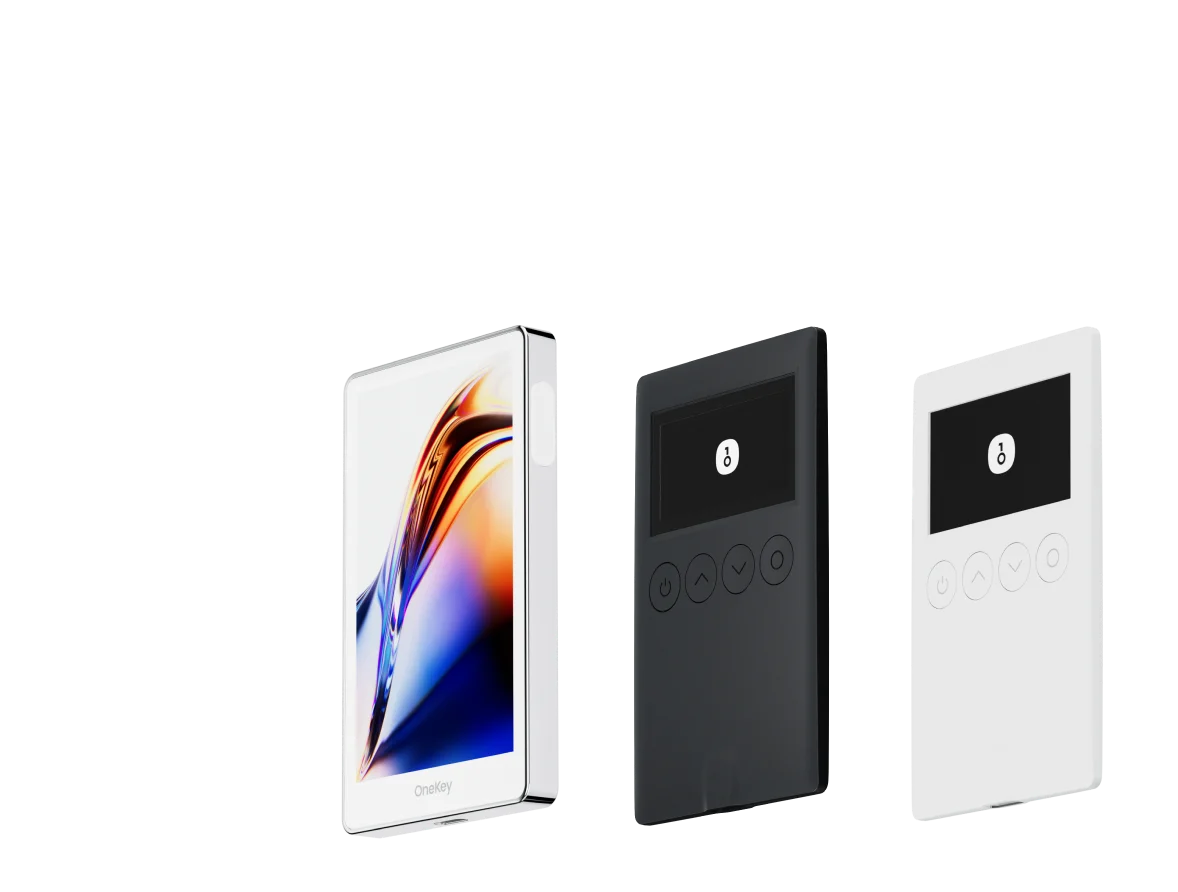
A hardware wallet such as OneKey can help users self-custody assets that are not being actively used for trading. For users who move funds between self-custody and exchanges, separating trading capital from long-term holdings can reduce exposure to platform, phishing, and account compromise risks.
Final Thoughts
The launch of SHAZ, SOFI, and PENG stock perpetual contracts gives Bitget users more ways to trade equity-related narratives through crypto-native infrastructure. USDT settlement, leverage, and 24/7 availability make these products flexible, but they also demand disciplined risk management.
For experienced traders, the new listings may offer additional opportunities across AI, fintech, and technology themes. For everyone else, the key is to understand the product before using leverage: stock perpetual contracts are derivatives, not shares, and their risks can be significantly higher than spot exposure.