CZ: Not Against Hardware Wallets, Different Wallet Products Fit Different Use Cases
CZ: Not Against Hardware Wallets, Different Wallet Products Fit Different Use Cases
Security has always been one of the most important topics in crypto. On October 10, CZ shared a reminder on X that users should stay focused on keeping their assets “SAFU,” while also clarifying that he is not against hardware wallets or self-custody. His point was simple but important: different wallet products are designed for different scenarios, and each comes with its own security assumptions, user habits, and best practices.
This is a timely message for the crypto industry in 2025. As more users interact with DeFi, stablecoins, Bitcoin Layer 2 networks, restaking protocols, airdrops, on-chain games, and real-world asset tokenization, wallet security is no longer just about “where to store coins.” It is about choosing the right security model for the right activity.
Wallet Security Is Not One-Size-Fits-All
A common mistake among crypto users is treating all wallets as interchangeable. In reality, a wallet is not only a place to hold assets; it is the interface through which users sign transactions, approve smart contracts, manage private keys, and access blockchain applications.
A mobile wallet may be convenient for frequent transfers, small balances, and on-the-go interactions. A browser-based wallet may work well for testing new protocols or interacting with decentralized applications. A hardware wallet is typically better suited for long-term storage, larger balances, and users who want private keys to remain isolated from internet-connected devices.
CZ’s comment highlights a mature view of crypto security: the question is not whether one wallet category is universally “good” or “bad.” The better question is: what are you using the wallet for, and what risks are you trying to reduce?
For users who want to understand the basics of private key ownership, the Ethereum Foundation provides a helpful overview of accounts and key management through its educational resources on Ethereum accounts.
Why Self-Custody Still Matters
Self-custody remains one of the defining principles of crypto. When users control their private keys, they are not relying on a centralized intermediary to approve withdrawals, maintain solvency, or protect access to funds.
However, self-custody also comes with responsibility. Losing a recovery phrase, signing a malicious transaction, or storing backups carelessly can lead to permanent loss. This is why education, user experience, and wallet design matter as much as cryptography.
The industry has learned this lesson repeatedly. Phishing attacks, fake wallet apps, address poisoning, malicious approvals, and social engineering campaigns continue to target both beginners and experienced users. According to Chainalysis research on crypto crime, illicit activity constantly evolves as attackers adapt to new market cycles and user behavior.
In this environment, self-custody should not be understood as a slogan. It should be treated as an operational security practice.
Hardware Wallets and the Role of Key Isolation
Hardware wallets are built around a straightforward security idea: private keys should be generated and stored in a dedicated device, separated from general-purpose computers and smartphones that may be exposed to malware, browser exploits, or compromised applications.
This does not mean a hardware wallet automatically eliminates every risk. Users still need to verify addresses, understand what they are signing, protect recovery phrases, and avoid counterfeit or tampered devices. But for long-term holdings and larger portfolios, key isolation can significantly reduce the attack surface.
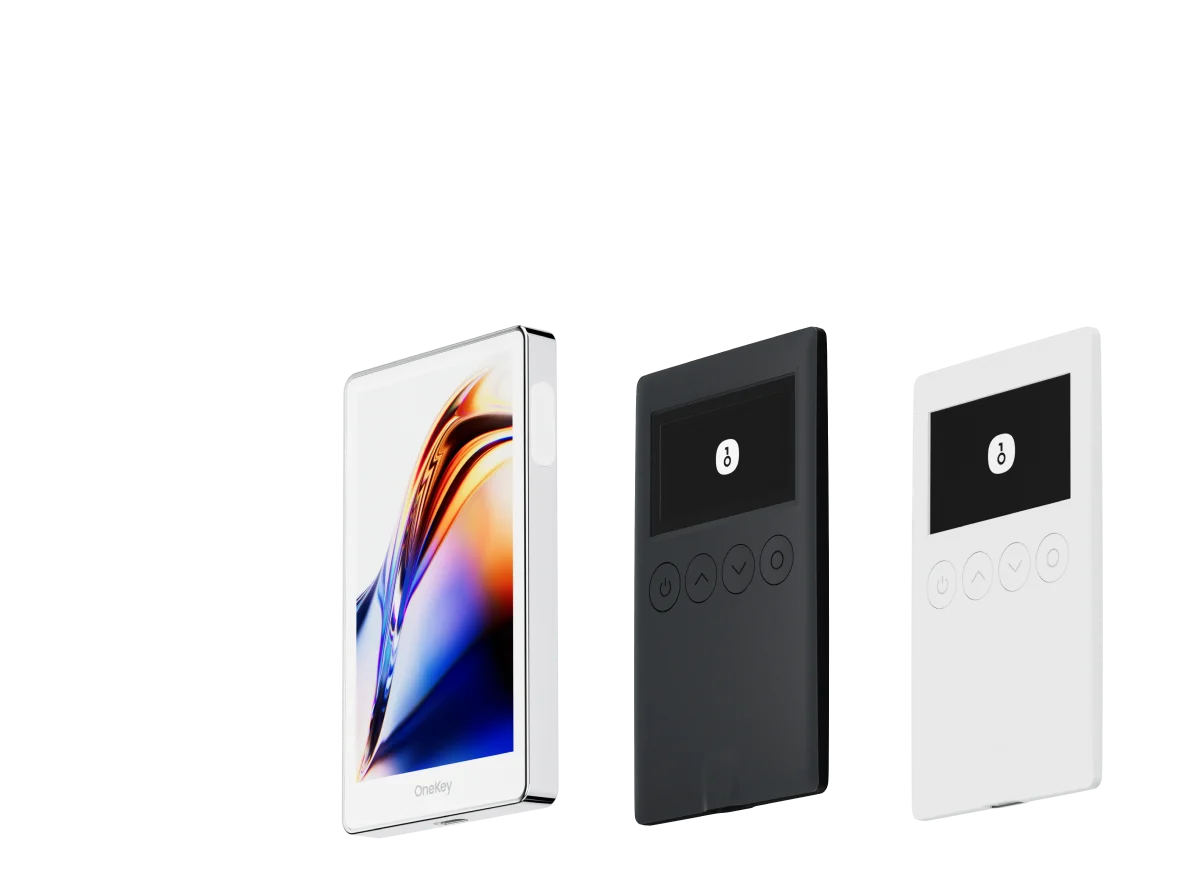
This is where products such as OneKey are relevant. OneKey focuses on self-custody, offline private key protection, multi-chain asset management, and a user experience designed for both retail users and more advanced crypto participants. In practical terms, a hardware wallet can be especially useful when users want to separate daily on-chain activity from long-term asset storage.
A simple security structure many users adopt is:
- Use a mobile or software wallet for small balances and frequent interactions.
- Use a dedicated wallet for testing new decentralized applications.
- Use a hardware wallet for long-term holdings, treasury assets, or high-value accounts.
- Review token approvals regularly.
- Keep recovery backups offline and physically secure.
This layered approach is often more realistic than expecting a single wallet to cover every possible use case.
Mobile Wallets, Smart Accounts, and 2025 User Behavior
The wallet landscape is also changing. In 2025, many users expect wallets to support smoother onboarding, account abstraction, passkeys, multi-chain networks, and integrated security warnings. Developers are working to make wallets feel less like technical tools and more like secure financial applications.
Mobile wallets remain important because they reduce friction. They are useful for payments, small transfers, NFT access, and quick DeFi interactions. Smart contract wallets and multi-signature setups are also gaining traction among teams and more sophisticated users.
This is why investment interest in different wallet categories makes sense. YZi Labs has backed hardware wallet projects such as OneKey and SafePal, as well as mobile wallet products such as Trust Wallet. The broader message is that crypto security is an ecosystem, not a single product category.
The key is matching the wallet to the user’s risk profile. A new user holding a small amount of crypto may prioritize ease of use. A long-term Bitcoin holder may prioritize cold storage. A DAO or startup may need role-based approvals and multi-person signing. An active DeFi participant may need transaction simulation, approval management, and phishing protection.
Best Practices for Choosing a Crypto Wallet
Before choosing a wallet, users should consider a few practical questions:
1. What assets will you store?
Different wallets support different chains, tokens, and signing standards. Users who hold assets across Bitcoin, Ethereum, EVM networks, and other ecosystems should check compatibility before transferring funds.
2. How often will you transact?
If you sign transactions daily, convenience matters. If you rarely move funds, stronger isolation and offline storage may be more appropriate.
3. What is your threat model?
A casual user, an NFT collector, a DeFi power user, and a company treasury do not face identical risks. The higher the value stored, the more important it becomes to reduce exposure.
4. Can you manage recovery securely?
A wallet is only as secure as its backup process. Recovery phrases should not be stored in cloud notes, screenshots, email drafts, or messaging apps. Public agencies such as the U.S. Cybersecurity and Infrastructure Security Agency regularly warn users about phishing and credential theft; its guidance on avoiding phishing attacks is relevant for crypto users as well.
5. Do you understand what you are signing?
Many losses happen not because private keys are stolen directly, but because users approve malicious contracts or sign deceptive messages. Wallet interfaces that provide clearer transaction information can help, but users should still slow down before confirming high-value actions.
The Industry Is Moving Toward Practical Security
CZ’s statement is valuable because it avoids a false debate. Hardware wallets, mobile wallets, browser wallets, smart accounts, and institutional custody tools all have roles to play. The crypto industry does not need a single winner in wallet design; it needs better security awareness across all user segments.
As crypto adoption expands, wallet education will become even more important. Users will need to understand not only seed phrases and private keys, but also smart contract permissions, cross-chain bridges, MEV risks, address spoofing, and social engineering. Security will increasingly become part of everyday wallet UX.
For long-term holders and users managing meaningful balances, a hardware wallet remains one of the most practical ways to strengthen self-custody. OneKey is designed for this type of use case: keeping private keys offline, supporting multi-chain asset management, and helping users build a clearer separation between daily crypto activity and long-term storage.
The main takeaway is not that every user must use the same wallet. It is that every user should choose deliberately. In crypto, convenience and security are always connected, and the safest setup is the one that fits your actual behavior, risk level, and asset value.