EDGE Deep Dive: Token Future Development and Price Trends

In the ever-expanding universe of cryptocurrency, projects built on the Polkadot ecosystem are garnering significant attention for their focus on interoperability and scalability. Among them is Edgeware, a high-performance, self-upgrading smart contract platform. Its native token, EDGE, is at the heart of its operations, governance, and security.
This deep dive offers a comprehensive cryptocurrency analysis of the EDGE token, exploring its underlying technology, market performance, and future potential to provide a clearer picture of its long-term trajectory.
What is Edgeware (EDGE)? A Technical Overview
Edgeware is not just another smart contract platform; it's a community-governed network designed for building and deploying decentralized applications (dApps). Launched as one of the first smart contract chains in the Polkadot ecosystem, it aims to provide a robust environment for developers.
Understanding Edgeware requires looking at its core components:
A Key Player in the Polkadot Ecosystem
Edgeware is built using Substrate, the same framework that powers Polkadot itself. This positions it to eventually connect to the Polkadot Relay Chain as a parachain or parathread. This connection would grant Edgeware shared security and interoperability with a vast network of other specialized blockchains, a significant catalyst for growth. You can learn more about how parachains work on the official Polkadot website.
WebAssembly (WASM) Smart Contracts
While many platforms use the Ethereum Virtual Machine (EVM), Edgeware champions the use of WebAssembly (WASM). WASM is a high-performance binary instruction format that allows developers to write smart contracts in familiar languages like Rust, C++, and Go. This flexibility can attract a broader developer base and enable more complex and efficient dApps compared to the limitations of Solidity.
On-Chain Governance and Treasury
Decentralization is central to Edgeware's philosophy. EDGE token holders have direct control over the network's future. Through a sophisticated on-chain governance system, they can propose, vote on, and implement protocol upgrades without the need for hard forks. Furthermore, a portion of network fees and inflation contributes to a community-managed treasury, which funds projects and initiatives that benefit the entire ecosystem.
Market Performance: A Look at the Past
Like many altcoins, the EDGE token has experienced significant volatility throughout its history. Its market performance has often been influenced by broader market sentiment, developments within the Polkadot ecosystem, and its own developmental milestones.
A review of its price history on platforms like CoinGecko shows periods of rapid appreciation, often correlated with bull market cycles and major announcements, followed by extended corrections during market downturns. This pattern highlights the inherent risks of investing in smaller-cap crypto assets. The key takeaway from its market history is that its value is closely tied to speculative interest in its future potential rather than current utility, a common trait for developing platforms.
Future Development and Ecosystem Growth
The long-term success of Edgeware and the value of the EDGE token are contingent on its ability to execute its roadmap and foster a vibrant ecosystem. Several factors will be critical in the coming months and years.
The Parachain Ambition
Securing a permanent parachain slot on Polkadot remains a primary objective. Doing so would integrate Edgeware directly into Polkadot's shared security model, enhance its cross-chain communication capabilities, and significantly boost its credibility and visibility. Even operating as a more flexible "parathread" would provide valuable interoperability.
dApp Adoption and Developer Activity
A smart contract platform is only as valuable as the applications built upon it. Edgeware's future hinges on attracting developers to build innovative dApps in sectors like DeFi, NFTs, and decentralized identity. The growth of the on-chain treasury is crucial here, as it can provide the necessary grants to bootstrap development and incentivize builders to choose Edgeware over its many competitors.
Community Engagement
An active and engaged community is a powerful asset. Edgeware's on-chain governance model empowers its community, but this is only effective if token holders actively participate in voting on proposals and steering the project's direction. Strong participation signals a healthy, decentralized project committed to its long-term vision.
EDGE Price Prediction and Future Outlook
Disclaimer: This section provides a speculative analysis based on available information and does not constitute financial advice. Always conduct your own thorough research (DYOR) before making any investment decisions.
Predicting the future price of any cryptocurrency is challenging, but we can analyze the potential catalysts and risks for the EDGE token.
Bullish Factors
- Polkadot Ecosystem Growth: As Polkadot and its parachain ecosystem mature, interconnected projects like Edgeware could see a significant influx of users and capital.
- Successful dApp Launches: The emergence of a "killer app" on Edgeware could drive substantial demand for the EDGE token for use in transaction fees and platform-specific activities.
- WASM Adoption: If WASM becomes the standard for next-generation smart contracts, Edgeware's early focus on this technology could become a major competitive advantage.
- Market Recovery: A broader crypto market bull run would likely lift all promising projects, including Edgeware.
Bearish Factors
- Intense Competition: The smart contract platform space is incredibly crowded, with giants like Ethereum and its Layer-2 solutions, Solana, and Avalanche commanding significant market share.
- Failure to Gain Traction: If Edgeware fails to attract developers and users, its token could struggle to find utility and demand, leading to price stagnation.
- Development Delays: Delays in securing a parachain slot or rolling out key features could cause investor confidence to wane.
Ultimately, the future EDGE token price will be a reflection of its team's ability to navigate the competitive landscape and deliver on its technological promises.
How to Secure Your EDGE Tokens
As the Edgeware ecosystem evolves, ensuring the security of your digital assets is paramount. Whether you are a long-term holder looking to participate in governance or a user interacting with dApps, a secure storage solution is essential. The EDGE token, being part of the Substrate framework, requires a wallet that supports the broader Polkadot ecosystem.
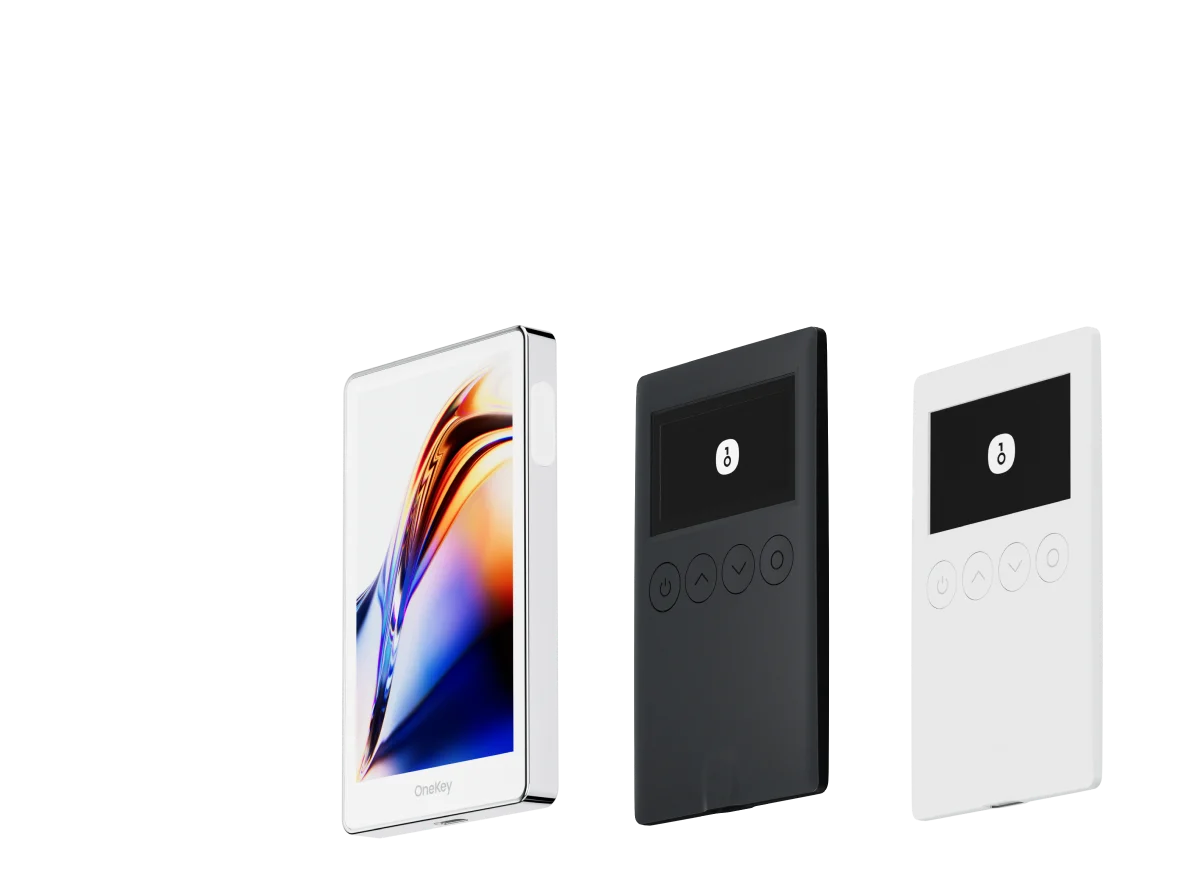
For investors who believe in the long-term potential of projects like Edgeware, a hardware wallet is the gold standard for security. The OneKey hardware wallet provides robust, open-source protection for a vast array of digital assets, including full support for the Polkadot and Substrate ecosystem. By keeping your private keys offline, OneKey shields your EDGE tokens from online threats like phishing attacks and malware, making it the ideal choice for securing your investment while you watch the ecosystem grow.
Conclusion
Edgeware (EDGE) presents an interesting case study in the competitive world of smart contract platforms. Its strong technical foundation with WASM, a decentralized governance model, and its strategic position within the promising Polkadot ecosystem are all compelling attributes.
However, its path to success is not guaranteed. The project must overcome intense competition and successfully foster a thriving ecosystem of developers and users. For investors and enthusiasts, the journey of the EDGE token will be a key indicator of the platform's progress. Its future is not written in stone, but it is certainly one to watch closely.