GUA Deep Research Report: Token Future Development and Outlook

Key Takeaways
• SUPERFORTUNE (GUA) is a high-attention, high-volatility token linked to an AI and metaphysics Web3 product.
• Multiple on-chain tokens share the GUA ticker; verifying contract addresses is crucial to avoid scams.
• Short-term price movements are driven by exchange listings and airdrop mechanics, while long-term value relies on user retention and product traction.
• Effective risk management strategies include using hardware wallets and confirming contract details before transactions.
Executive summary
GUA has recently re-emerged in market headlines as the native token tied to two different projects that share the same ticker. The most market-visible variant in late November 2025 — often presented as SUPERFORTUNE (GUA) — is an AI-driven prediction-market / Web3 metaphysics project incubated by Manta Network that has attracted airdrop buzz, exchange listings and on-chain events. At the same time, other on-chain tokens with the GUA ticker exist, so careful contract verification is essential before interacting with any GUA listing. This report covers project fundamentals, recent market-moving events, tokenomics, risks, and realistic scenarios for price trajectory and adoption. Key primary sources and exchange announcements are cited throughout.
Table of contents
- Project overview: what is SUPERFORTUNE (GUA)?
- Tokenomics and on-chain identity (important: ticker collisions)
- Recent developments that matter for price and adoption
- Market drivers, risks, and how to interpret them
- Future scenarios and technical / fundamental indicators to watch
- Practical guidance: custody, risk control, and security (OneKey mention)
- Conclusion
Project overview: what is SUPERFORTUNE (GUA)?
Core concept
SUPERFORTUNE positions itself as an AI-powered prediction engine that blends data-driven market signals with elements of Chinese metaphysics (fortune reports, “wallet qi purification”, gamified charms and virtual items) to create consumer-facing Web3 experiences. The token named GUA is described by the team as the native utility token used within the app for unlocking reports, purchasing in-app items, and participating in platform mechanics. See the project descriptions and community pages published alongside exchange listings for full details. MEXC announcement | XT exchange notice.
What makes it noteworthy now
The project gained immediate attention through coordinated exchange listings and airdrop mechanics (notably Binance Alpha airdrop mechanics and MEXC/Gate listing events), plus marketing events such as burn-to-earn programs that aim to create on-chain activity. These coordinated events are typical ways teams drive early liquidity and user onboarding; they can also amplify short-term price volatility. Binance Alpha airdrop coverage | MEXC listing and airdrop+ announcement.
Tokenomics & on-chain identity — confirm before you trade
Supply and contract matters
Different data providers report slightly different metrics depending on which on-chain contract they index. For example, CoinGecko and CoinMarketCap list GUA with supply/contract details that should be cross-checked against the exchange and the official token contract used in the listing you intend to trade. CoinGecko shows a total supply and burned amount for one GUA listing; other GUA tokens (e.g., BNB Chain variants used by Superfortune) use different contract addresses. Always verify the exact contract address on the exchange listing page and on-chain explorer before purchase. CoinGecko GUA page | official listing notices contain on-chain references (e.g., BSC contract) such as the exchange announcements.
Example contract (SUPERFORTUNE on BNB Chain as announced by some exchanges):
BSC contract (reported in listing announcements): 0xa5c8e1513b6a08334b479fe4d71f1253259469be
Explore on BscScan: https://bscscan.com/token/0xa5c8e1513b6a08334b479fe4d71f1253259469be
Another GUA variant shown on aggregator sites:
Ethereum contract (example shown on aggregators): 0x393f...d61065
Explore on Etherscan: https://etherscan.io/token/0x393f...d61065
Always click the exchange listing’s token link and confirm the contract on-chain before interacting.
Recent developments and why they matter
-
Exchange listings and airdrop mechanics: SUPERFORTUNE (GUA) saw coordinated listing activity in late November 2025 (MEXC, Binance Alpha, Gate, Poloniex, XT and other venues), often combined with limited-time airdrop campaigns or listing rewards. These events increase on-chain liquidity and retail attention but also often create immediate post-listing sell pressure from claimants. MEXC listing announcement | XT listing notice.
-
Airdrop mechanics and thresholds: Binance Alpha-style claims for GUA used a points-based system (examples reported with 256-point thresholds for initial claims and 750 token allocations). Airdrops on large exchange channels typically boost early-day trading volume and can produce multi-day spikes. Binance Alpha airdrop coverage (news aggregation) | PANews coverage.
-
Burn-to-earn and community incentives: Superfortune announced burn-to-earn initiatives and partnerships to encourage users to destroy low-value meme tokens in exchange for future GUA allocations; these programs aim to create engagement and token sink mechanics but also introduce complex incentive flows that affect token distribution. MEXC report on Burn-to-Earn.
-
Ecosystem partnerships and staking rewards: The project announced integrations with Manta Network incentives (allocating a portion of supply or rewards for MANTA stakers), aiming to tap into an existing community for distribution and utility. Such cross-ecosystem incentives can provide initial demand but depend on long-term retention. MEXC coverage of Manta-staker rewards.
Market drivers and key risks
Bullish drivers
- Listing velocity and exchange visibility (Alpha and Innovation Zone listings increase discoverability and retail liquidity). CoinMarketCap summary of listing impact.
- Novel utility and viral UX: combining AI prediction features + gamified metaphysics could attract users who prefer consumer-style Web3 products rather than pure DeFi primitives.
- Token sinks and buyback-like mechanics (e.g., “wallet qi purification” using market buybacks) can reduce circulating pressure if implemented transparently.
Bearish / risk factors
- Airdrop and listing sell pressure: first-claim users often take immediate profits; airdrop-driven flows are historically associated with sharp early dumps if demand doesn’t match supply. Multiple news outlets flagged an elevated risk of post-listing volatility. Binance Alpha airdrop reporting.
- Token unlock schedule and dilution: public token unlocks, reserves allocated for listings or ecosystem mining, and large team/treasury pools can weigh on price if releases are poorly communicated or poorly timed. Aggregators and price-prediction analyses highlighted concerns about future unlocks. CoinMarketCap analysis of token unlock risk.
- Token identity confusion (ticker collisions): with multiple tokens using GUA, retail investors may buy the wrong contract. This is a practical hazard that can result in lost funds or interaction with scam contracts if contract verification is skipped. CoinGecko GUA page | BscScan token page for Superfortune contract.
Regulatory and macro factors
- New consumer-facing on-chain projects intersecting with gaming, AI and “fortune” services may attract increased scrutiny in certain jurisdictions. Broader macro market corrections and liquidity droughts can hit small-cap tokens hardest.
Future scenarios: plausible price and adoption paths
Below are three concise scenarios investors and observers should consider, with suggested watchlists of indicators.
Bull case (adoption-driven)
- Preconditions: platform delivers an engaging app, user retention metrics exceed benchmarks, partnerships (Manta ecosystem) convert into recurring on-chain utility; token sinks and buybacks manage circulating supply.
- Likely outcome: measured, sustainable price appreciation supported by real demand; listings broaden liquidity without dumping.
- Indicators to watch: active daily users in app, sustained on-chain volume outside initial listing, decreasing sell-side concentration, successful roadmap milestones.
Base case (speculation-led)
- Preconditions: strong initial interest from listings and airdrops but only modest product traction.
- Likely outcome: repeated price spikes coinciding with marketing or listings followed by partial retracements; medium-term sideways volatility.
- Indicators to watch: high turnover after airdrops, limited retention, repeated new listings required to maintain volume.
Bear case (failed utility / dump)
- Preconditions: product fails to retain users; airdrop recipients rapidly sell; large token unlocks occur without offsetting demand.
- Likely outcome: sharp price decline and long consolidation; social sentiment turns negative.
- Indicators to watch: large wallet holders dumping, persistent downtrends in price with dropping liquidity, negative audit or security notices.
Technical and fundamental indicators to monitor
- Contract/Explorer verification: confirm the token contract on the exchange listing page and verify on-chain explorer (BscScan / Etherscan).
- Exchange order book depth across primary listings (Alpha / MEXC / Gate): shallow books amplify volatility.
- Holder distribution and concentration (top holder %, whale movement via on-chain analytics).
- Token unlock schedule and vesting transparency (roadmap and tokenomics statements).
- On-chain activity metrics: daily active addresses interacting with the protocol, burn-to-earn redemptions, and smart contract interactions.
Practical aggregator references: CoinGecko token page and exchange announcements are useful starting points for each metric. CoinGecko GUA | MEXC announcements.
Custody & security: how to manage GUA exposure
- Verify contract before interacting: always confirm contract address on exchange listing and open it on an on-chain explorer prior to approving or purchasing tokens.
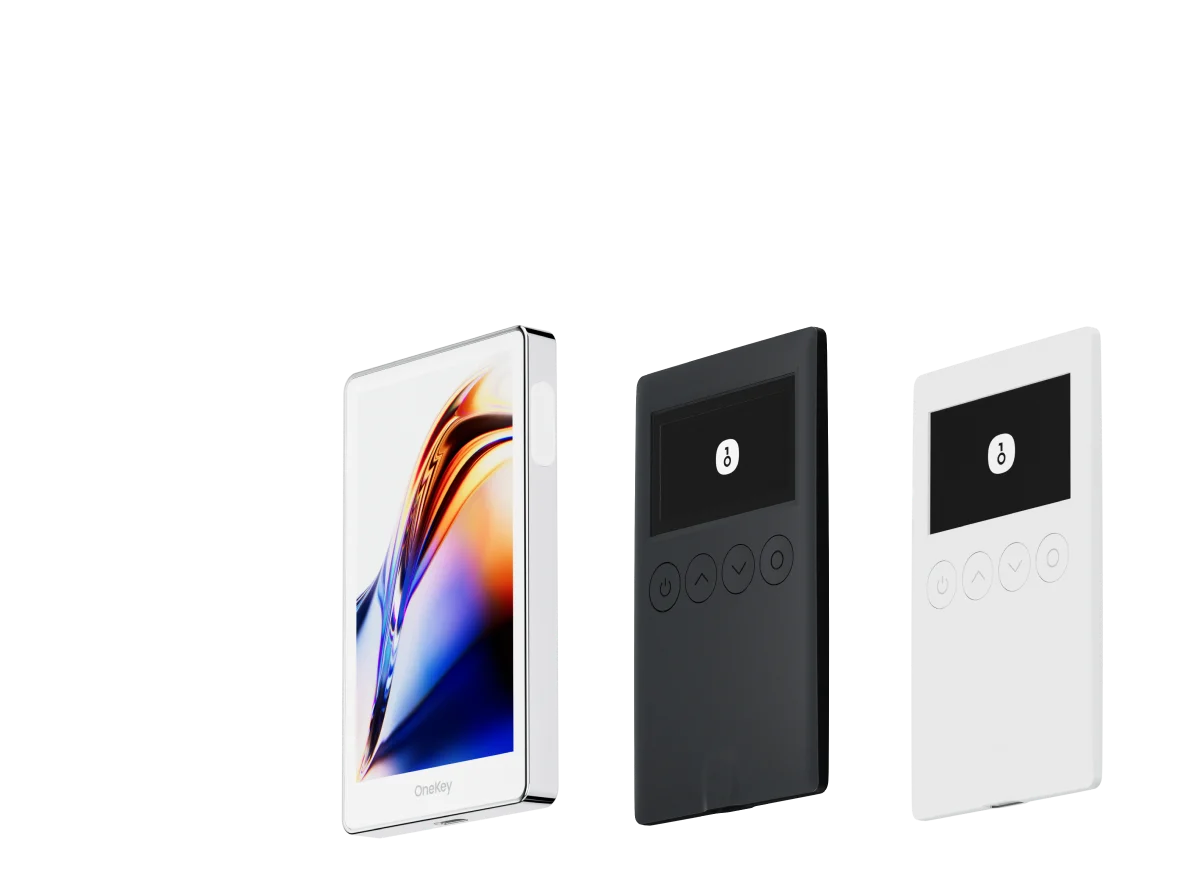
- Use hardware custody for meaningful holdings: for tokens that will be held beyond speculative intraday periods, controlling private keys in cold storage reduces online-exposure risk. A hardware wallet that supports multiple chains and offline signing provides a safer operational model than leaving assets on exchange accounts.
- For short-term airdrop claims and trading, keep exposure limited and avoid auto-approving unlimited token allowances with smart contract approvals.
Note: If you choose a hardware wallet for long-term custody, prefer devices that strictly store private keys offline, offer clear transaction review UX, and integrate with popular wallets and dApps. OneKey is one such hardware wallet option that supports multi-chain signing and offline private key storage, making it a practical choice for users who want to keep newly acquired tokens like GUA in cold custody while retaining easy access for signed transactions. (No direct product link provided here — verify model features and firmware from the vendor before purchase.)
Investment hygiene and suggested allocation rules
- Position sizing: treat newly listed small-cap tokens as high-risk — consider allocating only a small percentage (e.g., 1–3%) of liquid crypto capital to speculative launches.
- Staging exposure: avoid buying large positions immediately at listing open; consider scaling in on signs of sustained demand or after the initial volatility subsides.
- Stop-loss & profit-taking: predefine risk limits and a profit-taking plan, particularly after airdrop-driven spikes.
- Diversify: exposure to one project should be balanced across strategies (staking, stablecoins, blue-chip holdings) to manage systemic risk.
Key takeaways
- SUPERFORTUNE (GUA) is a high-attention, high-volatility token tied to an AI + metaphysics consumer Web3 product; recent exchange listings and airdrop mechanics (late November 2025) drove major short-term interest. MEXC listing & airdrop+ | Binance Alpha airdrop reporting.
- There are multiple on-chain tokens using the GUA ticker. Always confirm the exact contract address on the exchange and explore it on a reliable block explorer to avoid token confusion or scams. CoinGecko GUA token overview.
- Short-term upside is typically driven by listing and airdrop mechanics; long-term value depends on real product traction, community retention, and transparent token-management (vesting, burns, sinks). CoinMarketCap analysis.
- Risk management: if you hold GUA beyond speculative timeframes, use hardware custody and follow allowance hygiene to reduce smart-contract risk and online exposure.
Appendix — Selected authoritative links and references
- MEXC — SUPERFORTUNE (GUA) listing and Airdrop+ announcement: https://www.mexc.com/announcements/17827791531933
- MEXC — Burn-to-Earn / partnership news: https://www.mexc.co/news/175178
- XT exchange listing notice for SUPERFORTUNE (GUA): https://xtsupport.zendesk.com/hc/en-us/articles/52801813294105-XT-Announcement-on-the-Launching-GUA-SUPERFORTUNE
- PANews coverage of Binance Alpha airdrop mechanics and listing: https://www.panewslab.com/en/articles/ff1e58f4-2aeb-4359-a012-94d56bbcc124
- CoinGecko GUA page (aggregated token metrics / contract links): https://www.coingecko.com/en/coins/gua
- CoinMarketCap CMC-AI write-up and price-prediction context: https://coinmarketcap.com/cmc-ai/superfortune/price-prediction/
- BscScan token page (example BSC contract reported in exchange notices): https://bscscan.com/token/0xa5c8e1513b6a08334b479fe4d71f1253259469be
Final recommendation
If you plan to participate in GUA-related events (airdrops, listings, burn programs) or hold any meaningful amount post-listing, follow a strict checklist:
- Confirm the exact token contract on the exchange page and explorer.
- Pilot small transactions first to validate flow and contract behavior.
- Use a hardware wallet for medium- to long-term holdings and keep exchange exposure minimized.
- Monitor exchange order books, on-chain holder movement and official team communications for token unlocks or governance updates.
For custody of acquired tokens, consider a hardware wallet that supports offline private keys and multi-chain signing; this reduces counterparty and hot-wallet risks while letting you participate safely in multi-chain ecosystems and dApp flows.
This report is for informational purposes only and does not constitute financial advice. Always do your own research (DYOR) and consider consulting a licensed financial professional before making investment decisions.