HTX Lists ISRG, TWLO, LUNR, and EUL Perpetual Contracts With Up to 10x Leverage
HTX Lists ISRG, TWLO, LUNR, and EUL Perpetual Contracts With Up to 10x Leverage
HTX has expanded its derivatives market by adding four new USDT-settled perpetual contracts: ISRG/USDT, TWLO/USDT, LUNR/USDT, and EUL/USDT. The newly listed contracts support leverage of up to 10x, giving traders more flexibility to express directional views on assets that span both traditional-market tickers and crypto-native tokens.
The launch reflects a broader 2025 market trend: crypto exchanges are increasingly offering products that connect digital asset liquidity with real-world market narratives, including equities, AI infrastructure, space technology, DeFi protocols, and tokenized exposure. For active traders, this creates more opportunities. It also raises the importance of risk control, custody discipline, and understanding how perpetual futures work before using leverage.
What Has Been Listed?
According to HTX’s announcement channel, the exchange has added the following perpetual trading pairs:
- ISRG/USDT perpetual contract
- TWLO/USDT perpetual contract
- LUNR/USDT perpetual contract
- EUL/USDT perpetual contract
All four contracts allow leverage of up to 10x.
In practical terms, these markets let users trade price exposure against USDT without directly holding the underlying asset. Unlike spot trading, perpetual contracts do not have an expiry date. Traders can open long or short positions, while funding rates are typically used to keep the contract price aligned with the reference market.
For readers who want to understand how this mechanism works, the CME Group’s educational overview of perpetual futures and derivatives concepts is a useful starting point.
Why These Tickers Matter
The four contracts represent different market themes that have been attracting attention across both crypto and traditional finance.
ISRG is commonly associated with Intuitive Surgical, a company known for robotic-assisted medical technology. TWLO refers to Twilio, a cloud communications platform widely followed in the software sector. LUNR is linked to Intuitive Machines, a company operating in the commercial space and lunar infrastructure sector. EUL, meanwhile, is the governance token of Euler, a DeFi lending protocol.
This mix is notable because it shows how crypto derivatives venues are no longer focused only on major cryptocurrencies. Instead, they are increasingly building markets around narratives that retail and professional traders already follow across multiple asset classes.
The growing overlap between digital assets and traditional market exposure is also part of the wider discussion around tokenization. Institutions such as the Bank for International Settlements and World Economic Forum have published research on how tokenized assets could reshape market infrastructure, settlement, and access.
Perpetual Contracts Are Flexible, but Leverage Changes the Risk Profile
A 10x maximum leverage setting means that traders can control a position larger than their posted margin. While this can amplify gains, it can also magnify losses. A relatively small price movement against the position may trigger liquidation if margin levels fall below the exchange’s requirements.
Before trading perpetual contracts, users should pay attention to several factors:
-
Funding rates
Perpetual futures often use periodic funding payments between long and short traders. A profitable directional view can still be affected by funding costs if a position is held for too long. -
Liquidity and slippage
Newly listed contracts may experience changing order book depth. Wider spreads or sudden volatility can affect execution quality. -
Reference pricing
Traders should understand how the exchange calculates index prices and mark prices, especially for contracts connected to non-crypto assets. -
Liquidation mechanics
Leverage reduces the margin for error. Risk settings such as stop-loss orders, isolated margin, and conservative position sizing can help reduce unwanted liquidation risk. -
Event-driven volatility
Equity-linked tickers may react to earnings reports, regulatory updates, macroeconomic data, or sector-specific news. DeFi tokens may move sharply around governance proposals, protocol upgrades, security incidents, or liquidity changes.
The U.S. Commodity Futures Trading Commission provides general educational material on virtual currency derivatives risks, which remains relevant for users trading leveraged crypto products.
The Bigger Picture: More Markets Are Moving On-Chain
The addition of ISRG, TWLO, LUNR, and EUL perpetual contracts highlights an important direction for the crypto industry: traders increasingly want unified access to different narratives from one interface. In the past, crypto exchanges primarily competed on Bitcoin, Ethereum, and major altcoin liquidity. Today, the competition is expanding toward broader synthetic exposure, tokenized assets, and derivatives that mirror global market trends.
This shift is connected to several industry developments:
- More users are comfortable trading stablecoin-margined products.
- Exchanges are experimenting with new types of market exposure.
- DeFi protocols are becoming more closely connected to professional trading strategies.
- Tokenization is becoming a serious topic for asset managers, payment networks, and market infrastructure providers.
- Traders want 24/7 access to themes that may be limited by traditional market hours.
However, this does not mean every new contract is suitable for every user. More market access also means more responsibility. Traders need to distinguish between short-term speculation, hedging, and long-term portfolio construction.
Custody Still Matters When Trading on Centralized Platforms
Perpetual contracts are usually traded on centralized exchanges, which means users must deposit margin to open positions. But that does not mean all crypto holdings should remain on an exchange at all times.
A more disciplined approach is to separate trading capital from long-term holdings. Funds needed for active margin trading can stay on the exchange, while assets intended for storage can be kept in self-custody.
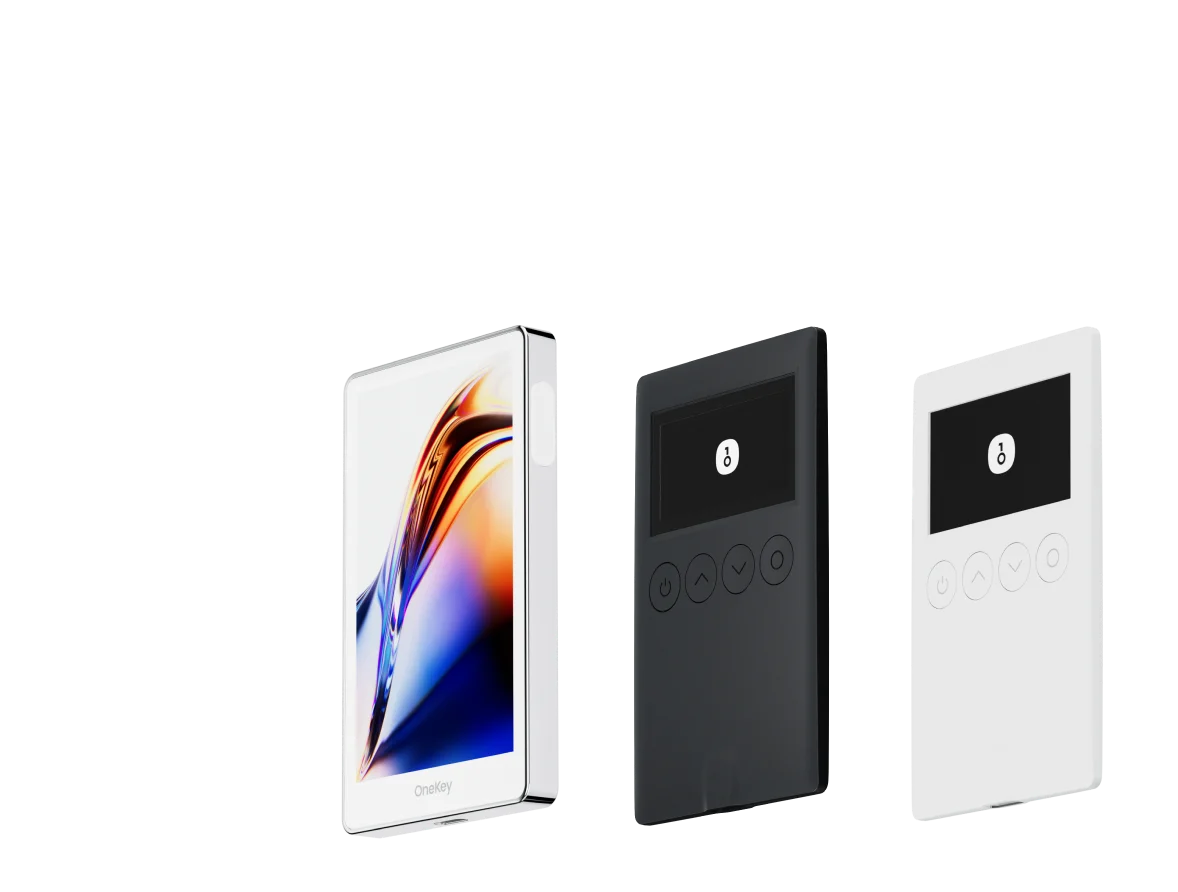
This is where a hardware wallet such as OneKey can be relevant. OneKey is designed for secure self-custody, helping users keep private keys offline while managing crypto assets across supported networks. For traders who participate in high-volatility markets, using a hardware wallet for non-trading funds can reduce unnecessary exchange exposure and improve overall asset management discipline.
Key Takeaways for Traders
HTX’s listing of ISRG/USDT, TWLO/USDT, LUNR/USDT, and EUL/USDT perpetual contracts gives users more instruments to trade cross-market narratives with USDT margin and up to 10x leverage.
The opportunity is clear: more flexibility, more trading pairs, and access to diverse themes. The risk is also clear: leverage, volatility, liquidity conditions, and funding costs can quickly change the outcome of a trade.
For anyone considering these new contracts, the best approach is to start with a clear plan:
- Understand the asset narrative before trading.
- Use modest leverage rather than maximizing exposure.
- Monitor funding rates and liquidation levels.
- Avoid placing long-term holdings at unnecessary exchange risk.
- Keep self-custody as part of a broader security strategy.
As crypto markets continue to integrate with traditional finance, traders will see more products like these. The advantage will belong not only to those who find new opportunities early, but also to those who manage risk consistently.