Keystone Pauses All Shipments and Isolates Affected Devices, Shortening Logistics Data Retention to 90 Days
Keystone Pauses All Shipments and Isolates Affected Devices, Shortening Logistics Data Retention to 90 Days
Keystone has temporarily halted all shipments and begun isolating potentially affected devices across its partner warehouse network, including facilities operated by Amazon. The company is also changing how long it retains logistics information, reducing the period from 180 days to 90 days with immediate effect.
The measures come as the crypto hardware wallet industry faces growing scrutiny over product distribution, customer privacy, and phishing risks. For users, the incident is a reminder that securing digital assets involves more than protecting a recovery phrase. Purchasing channels, delivery records, device handling, and post-sale communications can all become part of a broader security environment.
What Keystone Has Changed
According to information published on October 30 and independently reported by BlockBeats, Keystone has introduced several immediate measures:
- All outgoing shipments have been suspended.
- Potentially affected products are being separated at partner warehouses, including Amazon-linked storage facilities.
- Logistics data retention has been reduced from 180 days to 90 days.
- Customers may request earlier deletion of their delivery-related information after receiving their products.
- Keystone has contacted affected users by email.
- The company is reviewing and strengthening the security of its affected-user inquiry page.
- Further arrangements are expected to be announced in the coming days.
The shortened retention period is particularly relevant for crypto users who view privacy as an essential part of self-custody. Delivery records can contain names, addresses, phone numbers, order details, and other information that may reveal an individual’s relationship with digital assets. Although logistics data does not provide access to on-chain funds by itself, unnecessary exposure can increase the risk of targeted scams, social engineering, and physical security threats.
Why Logistics Data Matters to Crypto Users
A hardware wallet is designed to keep private keys isolated from internet-connected devices. However, the surrounding purchase and support process may still generate sensitive information.
An attacker who learns that someone has ordered a crypto security device may attempt to impersonate a manufacturer, delivery company, or customer-support representative. These scams often rely on urgency: a message may claim that a shipment is blocked, a device must be reactivated, or a user must verify a recovery phrase before an order can be completed.
This is why operational privacy should be treated as part of an overall cryptocurrency security strategy. Data minimization, limited retention, and controlled access can reduce the amount of information available to potential attackers.
Keystone’s decision to shorten the retention window does not eliminate all privacy risks, but it reduces the period during which logistics information remains stored. Allowing customers to request earlier deletion also gives users greater control over their personal data.
Be Careful With Emails and Support Requests
Keystone has warned that incident-related communications will only come from [email protected]. Users should verify the complete sender address rather than relying on the display name shown in an email application.
More importantly, a legitimate support process should never require a user to disclose a wallet recovery phrase. A seed phrase, private key, PIN, or backup password should remain confidential at all times. Anyone requesting this information by email, direct message, telephone, or a website should be treated as a potential scammer.
Users should also be cautious when a message includes any of the following:
- A demand to take immediate action
- A link asking for a recovery phrase or private key
- A request to install unfamiliar software
- Instructions to move assets to a “secure” or “temporary” address
- A warning that funds will be frozen unless identity or wallet details are provided
The Federal Trade Commission’s guidance on phishing provides practical advice that applies to crypto-related impersonation attempts as well as conventional online fraud.
What Affected Customers Should Do Now
Users who believe they may be affected should avoid interacting with unsolicited links or responding to suspicious messages. Instead, they can take the following steps:
- Check the sender address carefully. Do not rely solely on branding, logos, or the sender name.
- Access support through an independently verified official website. Avoid using contact details embedded in unexpected emails.
- Never disclose the recovery phrase. Customer service cannot restore or validate a wallet by asking for the seed phrase.
- Do not move funds because of an unverified warning. Confirm the situation through an official channel first.
- Preserve suspicious messages. Keeping the email headers, links, and screenshots may help with investigation.
- Review personal exposure. Consider what delivery information, public wallet addresses, or social media posts may connect an individual to digital assets.
- Wait for verified updates. The company has indicated that additional information will be released in the coming days.
If a user has already entered sensitive information into a suspicious website, they should treat the credentials as compromised. For a recovery phrase, the appropriate response is to create a new wallet using a trusted setup process and transfer assets only after verifying the destination and transaction details. The old phrase should not be reused.
A Broader Lesson for Hardware Wallet Security
The incident illustrates an important distinction between wallet security and ecosystem security.
A hardware wallet can protect private keys from many online threats, but it cannot prevent every form of social engineering, supply-chain manipulation, or data leakage. Security therefore depends on several layers:
- Device integrity: The product should come from a trusted source and be inspected for signs of tampering.
- Secure initialization: The recovery phrase should be generated by the device and recorded offline.
- Transaction verification: Users should verify addresses and transaction details on the wallet’s trusted display.
- Communication hygiene: Support messages and websites must be authenticated before any action is taken.
- Privacy management: Personal information should be disclosed only when necessary and retained for as short a period as possible.
This layered model aligns with the core principles of self-custody: users control their assets, but they must also control the procedures surrounding access to those assets. The Bitcoin white paper established the foundation for removing reliance on centralized intermediaries, while modern self-custody requires users to manage both cryptographic keys and real-world security practices.
What to Watch for in the Coming Days
The next important questions will concern the scope of the affected devices, the criteria used to identify them, and the procedures for customers who have already received or activated a product. Users should look for updates through verified Keystone channels and avoid relying on screenshots or forwarded messages without confirmation.
The company’s review of its affected-user inquiry page is also significant. A support portal used during a security event becomes a high-value target for impersonation and credential theft. Any replacement or updated page should be accessed through an official domain, use secure connections, and clearly explain what information is and is not required.
For the wider crypto industry, the situation reinforces the need for transparent data-retention policies, controlled warehouse processes, and strong authentication for customer communications. Hardware wallet providers are not only custodians of a physical product; they also operate within a sensitive ecosystem where privacy failures can create risks beyond ordinary e-commerce concerns.
Final Takeaway
Keystone’s shipment suspension, warehouse isolation measures, and reduced logistics-data retention represent a cautious response while the company evaluates the situation. Customers should remain calm, avoid rushed actions, and remember one fundamental rule: no legitimate support representative needs a wallet recovery phrase.
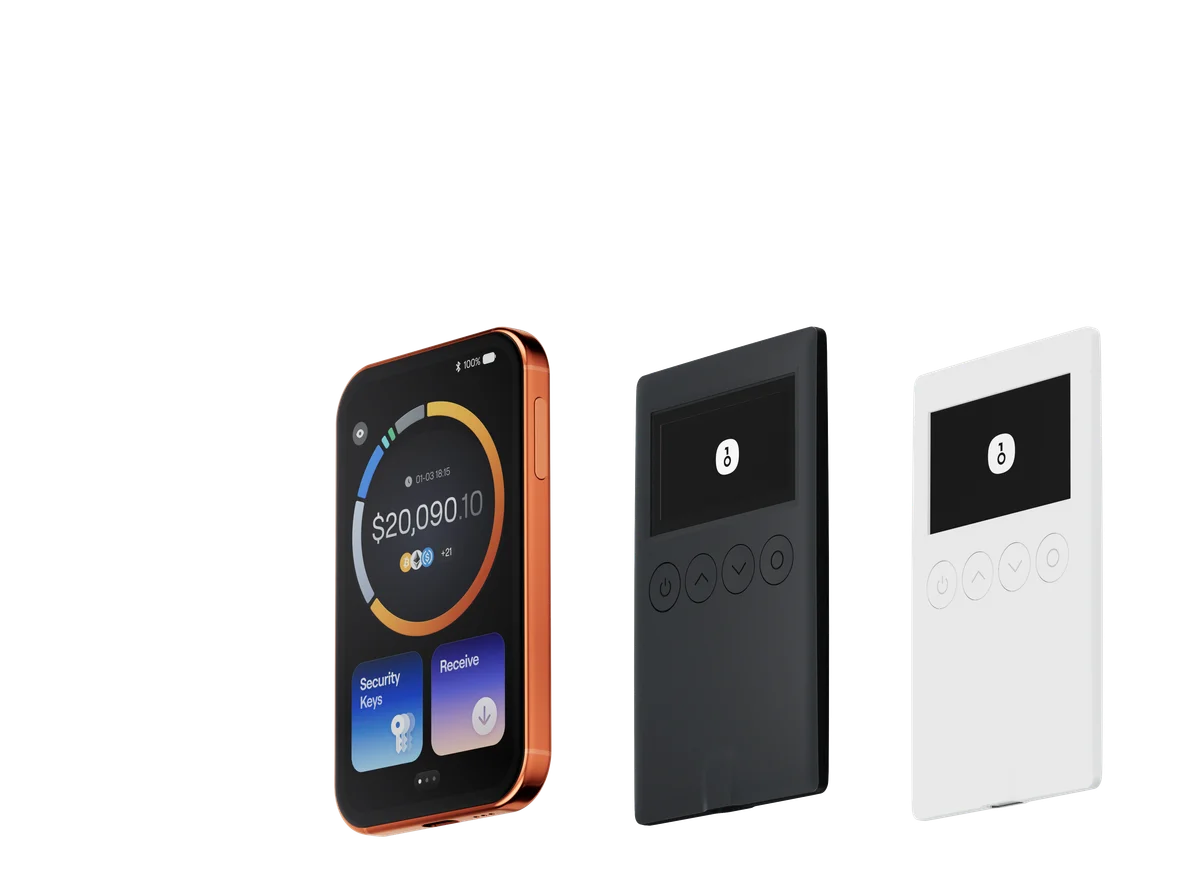
For users comparing hardware wallets, privacy practices and communication security should be considered alongside device design and key protection. OneKey’s hardware wallet ecosystem is built around offline key management and on-device transaction verification, making it relevant for users who want to reduce online exposure while maintaining direct control of their assets. Regardless of the device selected, the strongest protection comes from combining secure hardware, careful purchasing practices, minimal personal-data sharing, and disciplined resistance to phishing attempts.