La Comisión de Servicios Financieros de Corea avanza en el marco de valores tokenizados, señalando la emisión de paquetes de activos múltiples
La Comisión de Servicios Financieros de Corea avanza en el marco de valores tokenizados, señalando la emisión de paquetes de activos múltiples
Corea del Sur se acerca un paso más a un mercado de capitales regulado y nativo de blockchain.
El 15 de mayo de 2026, la Comisión de Servicios Financieros (FSC) debatió un paquete de implementación para valores tokenizados —a menudo llamados tokens de seguridad— que abarca la infraestructura de emisión, negociación y liquidación. El cronograma de la FSC es explícito: las regulaciones subordinadas detalladas y las directrices prácticas se prevén para julio de 2026, mientras que el marco legal enmendado está programado para entrar en vigor el 4 de febrero de 2027. Esta fecha también se menciona en las actualizaciones anteriores de la FSC sobre el organismo consultivo de tokens de seguridad.
Lo que destaca no es solo el calendario, sino la dirección: ir más allá de la emisión de tokens de “un solo activo” hacia productos agrupados, donde múltiples activos similares pueden agruparse en un solo valor invertible.
1) De “un edificio, un token” a pools de activos
Históricamente, muchos productos fraccionados (especialmente aquellos vinculados a bienes raíces o activos alternativos) se han estructurado en torno a un activo subyacente por emisión. Ese diseño simplifica la contabilidad y la valoración, pero también limita el diseño de productos, la diversificación y la liquidez del mercado secundario.
La FSC ahora está explorando un modelo que permitiría agrupar múltiples activos del mismo tipo dentro de un alcance definido, permitiendo productos que se parezcan más a una cartera respaldada por activos que a una apuesta de propiedad única. Un ejemplo comúnmente citado es una cartera agrupada, como múltiples edificios de oficinas en Seúl empaquetados en un solo producto, en lugar de tokenizar un solo edificio. Este enfoque se discutió en la reunión consultiva de la FSC del 15 de mayo, junto con temas más amplios de estructura de mercado.
Esta es una mejora significativa para la tokenización de activos del mundo real porque acerca los valores tokenizados a la lógica de las finanzas tradicionales: canastas, tramos y exposición gestionada por riesgos, implementada con propiedad programable y cumplimiento potencialmente más automatizado.
2) Por qué la emisión agrupada de múltiples activos es importante para los mercados on-chain
Permitir “pools de activos” cambia la utilidad de la tokenización:
- Diversificación por defecto: Un producto agrupado puede reducir el riesgo idiosincrásico (por ejemplo, el riesgo de inquilinos en un edificio).
- Productos más estandarizados: Los paquetes facilitan el diseño de ofertas comparables, lo cual es esencial para el descubrimiento de precios.
- Mejor potencial de liquidez: Los mercados secundarios generalmente funcionan mejor cuando los productos son menos personalizados y más repetibles.
- Participación institucional más fluida: Las instituciones suelen preferir la exposición diversificada y marcos de riesgo claros, especialmente en mercados incipientes.
En otras palabras, esto no es solo un ajuste regulatorio, es una desbloqueo en el diseño de productos que puede hacer que los valores tokenizados sean más “negociables” y menos “coleccionables”.
3) El tono de la FSC: la regulación como barreras, no como un freno
Una conclusión clave de las discusiones del 15 de mayo es la intención declarada de la FSC de mantener el orden del mercado y la protección del inversor sin tratar la innovación como algo que debe ser suprimido. Ese encuadre es importante, porque los valores tokenizados se encuentran en la intersección de:
- la ley de valores (divulgación, idoneidad, integridad del mercado),
- la ejecución de blockchain (contratos inteligentes, billeteras, gestión de claves),
- y la infraestructura del mercado (plataformas de negociación, custodia, finalidad de la liquidación).
La FSC también ha enfatizado —desde trabajos de política anteriores— que los tokens de seguridad son valores ante todo, independientemente de estar registrados en un libro de contabilidad distribuido. Los materiales anteriores de la Comisión detallan cómo se aplican los principios de protección del inversor cuando un “token” es legalmente un valor.
Para los lectores que desean las definiciones regulatorias y los conceptos clave directamente de la fuente, la descripción general de la FSC sobre cómo clasifica y estructura los tokens de seguridad es una referencia útil: FSC: medidas para permitir la emisión y circulación de tokens de seguridad.
4) Una hoja de ruta por fases para la tokenización de valores “estándar” (acciones, bonos, MMF)
Más allá de los nuevos productos fraccionados, la FSC está señalando interés en una hoja de ruta paso a paso para la tokenización de instrumentos estandarizados existentes, como acciones, bonos y fondos del mercado monetario (MMF), al tiempo que evita disrupciones abruptas en la infraestructura heredada.
Esto refleja lo que está sucediendo a nivel mundial:
- Hong Kong ya ha emitido un bono verde gubernamental tokenizado, demostrando la mecánica de entrega contra pago en una red blockchain privada: Comunicado de prensa de la MAE sobre la oferta inaugural de bonos verdes tokenizados.
- Las acciones de fondos del mercado monetario tokenizadas se han convertido en una categoría muy observada a medida que los gestores de activos tradicionales experimentan con vías de fondos basadas en blockchain; consulte la descripción general de la BDE orientada a la industria para ver ejemplos concretos: BDE: “Tokenización en los mercados monetarios”.
Para Corea, la implicación estratégica es clara: la tokenización no se está enmarcando como un producto de nicho de criptomonedas, sino que se está posicionando como una infraestructura de valores de próxima generación que debe coexistir con los sistemas actuales, para luego absorber gradualmente más cuota de mercado.
5) Plataformas de negociación y límites para inversores: equilibrando liquidez vs. seguridad
La emisión tokenizada es solo la mitad de la historia. La otra mitad es el mercado secundario, donde la liquidez, la vigilancia y la protección del inversor se convierten en pruebas de estrés reales.
Corea está debatiendo activamente cómo establecer límites que prevengan daños a los minoristas sin ahogar la liquidez incipiente. En entornos de sandbox regulatorios actuales, ya se han utilizado topes, y la FSC está considerando cómo evolucionarlos a medida que los mercados se formalizan.
Según informes locales sobre la reunión del 15 de mayo y los parámetros relacionados del sandbox:
- las plataformas de emisión de inversión fraccionada han tenido límites anuales para inversores en el rango de 10 a 20 millones de KRW (dependiendo de la estructura del programa),
- los programas de sandbox OTC de acciones no cotizadas han hecho referencia a un tope de venta total anual de 300 millones de KRW,
- y ciertos programas de sandbox OTC de valores de contratos de inversión han hecho referencia a límites de 40 millones de KRW.
Estos detalles se resumieron en la cobertura empresarial coreana de la agenda del 15 de mayo de la FSC. Para el desglose numérico, consulte: Cobertura de MoneyToday sobre las discusiones de valores tokenizados del 15 de mayo.
La pregunta política clave no es si existen límites, sino dónde se ubican y si son dinámicos (por ejemplo, vinculados al perfil del inversor, puntuación de riesgo, calidad de la divulgación o tipo de producto).
6) Dónde se conecta esto con las criptomonedas: liquidación on-chain, stablecoins y cumplimiento por diseño
Para los usuarios nativos de criptomonedas, los valores tokenizados pueden parecer familiares — tokens en una billetera, transferidos on-chain — pero el modelo operativo suele ser muy diferente de DeFi sin permisos:
- La identidad y la lista blanca son comunes. Las transferencias pueden requerir direcciones aprobadas.
- Las acciones de cumplimiento (congelaciones, reemisiones, acciones corporativas) pueden ser posibles por diseño.
- Los activos de liquidación son importantes. Muchos pilotos de mercados de capitales exploran instrumentos similares a stablecoins o depósitos tokenizados para liquidación 24/7.
A nivel mundial, los principales operadores del mercado están cada vez más abiertos a construir infraestructura de negociación tokenizada, preservando al mismo tiempo las protecciones del inversor:
- Intercontinental Exchange (ICE), la empresa matriz de la NYSE, ha descrito trabajos para una plataforma destinada a soportar versiones tokenizadas de acciones y ETFs que cotizan en EE. UU.: Comunicado de prensa de ICE sobre el desarrollo de una plataforma de valores tokenizados.
- Nasdaq ha publicado puntos de vista detallados sobre cómo la tokenización podría modernizar los flujos de trabajo post-comercio bajo las reglas existentes: Preguntas frecuentes sobre la propuesta de valores tokenizados de Nasdaq.
La dirección de Corea es coherente con esta tendencia: tokenización regulada, no “acciones fantasma” o exposición sintética sin salvaguardias.
7) Lista de verificación práctica para usuarios: qué observar antes del 4 de febrero de 2027
Si usted es un usuario de criptomonedas que sigue los valores tokenizados como una nueva categoría, esto es lo que probablemente importará más entre ahora y el 4 de febrero de 2027:
-
Qué se considera activos subyacentes elegibles Espere reglas más estrictas para activos con valoración poco clara, alto riesgo de manipulación o divulgaciones débiles para los inversores.
-
Cómo se valoran y auditan los activos agrupados La agrupación de múltiples activos aumenta la necesidad de metodologías de valoración transparentes y reportes continuos.
-
Dónde ocurre la negociación secundaria Las reglas sobre plataformas OTC, listados, vigilancia y controles de conflictos de intereses determinarán si la liquidez es real o fragmentada.
-
Modelo de billetera: autocustodia vs. custodia intermedia Los valores tokenizados pueden requerir aprobaciones de direcciones, restricciones de transferencia o flujos de trabajo de emisor/agente que difieren de los tokens de criptomonedas típicos.
8) Dónde encaja OneKey: higiene de seguridad a medida que escala la tokenización
A medida que la tokenización se expande, el nivel de seguridad para los usuarios aumenta, no solo para mantener activos de criptomonedas, sino también para administrar las claves que pueden usarse para cuentas on-chain vinculadas a la identidad y habilitadas para el cumplimiento.
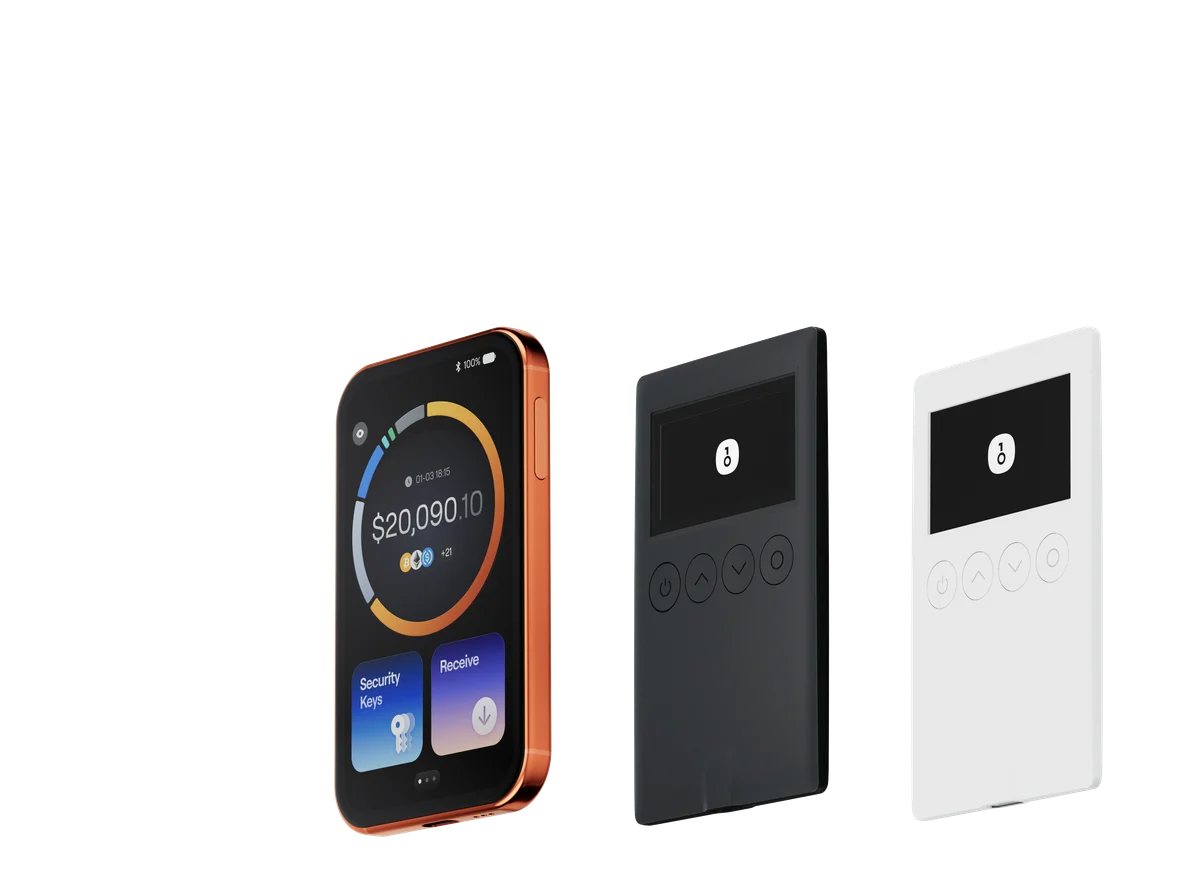
Una billetera de hardware como OneKey ayuda al mantener las claves privadas offline, reduciendo el riesgo de ataques de malware o phishing al interactuar con aplicaciones on-chain. Incluso cuando los propios valores tokenizados están sujetos a restricciones de transferencia o estructuras de cuenta reguladas, los usuarios aún necesitan proteger:
- stablecoins utilizadas para tarifas o vías de liquidación,
- credenciales de identidad on-chain (cuando sea aplicable),
- y otros activos de criptomonedas mantenidos junto con productos tokenizados.
En resumen: la tokenización regulada no elimina el riesgo de gestión de claves, a menudo hace que la seguridad operativa sea más importante, ya que más valor del mundo real está conectado a flujos de trabajo on-chain.
Conclusión
La FSC de Corea del Sur está estableciendo un cronograma claro y una filosofía de diseño pragmática para los valores tokenizados. El cambio a nivel de producto más notable, la permisión de la emisión agrupada de múltiples activos, podría mejorar significativamente la diversificación y la liquidez, acercando los valores tokenizados a estructuras de inversión convencionales.
Con la guía esperada para julio de 2026 y el 4 de febrero de 2027 como fecha de entrada en vigor legal, la siguiente fase se centrará en los detalles: elegibilidad de activos, gobernanza de productos agrupados, reglas de plataformas de negociación y calibración de límites para inversores. Para la industria blockchain en general, esto es otra señal de que la tokenización se está convirtiendo en infraestructura de mercado, no solo en una narrativa.