Loopring DEX schließt endgültig, Nutzergelder werden direkt auf Ethereum L1 zurückerstattet
Loopring DEX schließt endgültig, Nutzergelder werden direkt auf Ethereum L1 zurückerstattet
Loopring, einer der ersten zkRollup-Pioniere von Ethereum, hat angekündigt, dass sein Loopring DEX mit sofortiger Wirkung (Ankündigung vom 28. Juni 2026) geschlossen wird. Der Handel wurde eingestellt und der Relayer – die Off-Chain-Komponente, die Trades für die App weiterleitet und abwickelt – wurde offline genommen, was bedeutet, dass das Produkt nicht mehr als Live-Börse funktionieren kann. Hintergrundinformationen zu den Zielen von Loopring finden Sie in der Projektübersicht auf der offiziellen Loopring-Website.
Was bei dieser Schließung hervorsticht, ist nicht nur die Endgültigkeit, sondern auch der vom Team versprochene Ausstiegsplan: Loopring gibt an, dass es Nutzervermögen direkt auf die Ethereum L1-Adresse jedes Nutzers zurückerstattet und dabei die Gasgebühren übernimmt, sodass Nutzer keine Proofs einreichen oder manuell komplexe On-Chain-Schritte ausführen müssen. Berichte, die die Ankündigung und die geplanten Verteilungsmechanismen zusammenfassen, sind über die Berichterstattung von Bloomingbit und die weit verbreitete Aufschlüsselung von Lookonchain verfügbar.
Was genau wird abgeschaltet (und warum der Relayer wichtig ist)
Viele Nutzer hören „DEX“ und nehmen an, „es ist vollständig on-chain, also kann es nicht stoppen“. In der Praxis sind viele dezentrale Börsen-Frontends immer noch auf Off-Chain-Infrastruktur für Order-Routing, Matching und API-Zugriff angewiesen. Der DEX von Loopring basiert auf einer anwendungsspezifischen zkRollup-Architektur; sobald der Relayer offline ist, stoppen der normale Handel, die Order-Einreichung und die tägliche Benutzererfahrung effektiv.
Diese Unterscheidung ist wichtig für jeden, der Layer-2-Risiken bewertet: „Non-custodial“ ist nicht dasselbe wie „keine operative Abhängigkeit“. Die Entwicklerdokumentation von Ethereum selbst erklärt, wie ZK-Rollups für die Sicherheit auf eine L1-Smart-Contract angewiesen sind, während Ausführung und Datenfluss off-chain in unterschiedlicher Weise je nach Designentscheidungen gehandhabt werden (Ethereum-Dokumentation zu Zero-Knowledge-Rollups).
Der Rückzahlungsplan: Direkte L1-Verteilung, Gas bezahlt, zweiwöchiges Verifizierungsfenster
Basierend auf den aktuell in mehreren Berichten geteilten Details ist der Schließungsplan von Loopring darauf ausgelegt, für die Nutzer unkompliziert zu sein:
- Endgültige Salden werden veröffentlicht, damit die Nutzer sie überprüfen können.
- Ein zweiwöchiges Überprüfungsfenster wird bereitgestellt, bevor die Verteilungen beginnen.
- Nach diesem Zeitraum plant Loopring, Assets in Batches direkt an die Ethereum L1-Adresse zu senden, die mit jedem Loopring L2-Konto verbunden ist, und Loopring gibt an, die Gasgebühren für diese Überweisungen zu bezahlen.
- Konten mit einem Gesamtguthaben unter 10 $ werden von der Verteilung ausgeschlossen.
Eine prägnante Zusammenfassung dieser operativen Schritte (einschließlich der Umrechnung bestimmter Positionen und des Batch-Verteilungsansatzes) spiegelt sich auch im Echtzeit-Branchennachrichtendienst von Phemex's Krypto-News-Feed wider.
Wichtige Nuance: Berichte deuten darauf hin, dass Loopring die Logistik der Auszahlungen vereinfachen möchte, indem es den Verteilungsprozess selbst übernimmt, anstatt die Nutzer anzuweisen, Auszahlungsnachweise zu generieren oder einzureichen. Dies kann Benutzerfehler reduzieren, bedeutet aber auch, dass der Schließungsprozess ein zeitgebundenes operatives Ereignis wird – Nutzer sollten auf die Saldo-Veröffentlichung und die Überprüfungsperiode achten.
Warum Loopring aussteigt: Akzeptanz, Kompositionalität und der Wettbewerb in der zkEVM-Ära
Der von Loopring genannte Grund (wie von vielen Verkaufsstellen zusammengefasst) ist ungewöhnlich direkt: Das Produkt erreichte keine nennenswerte Marktakzeptanz, und seiner frühen Architektur fehlten Funktionen, die mit der Weiterentwicklung des L2-Ökosystems von Ethereum unerlässlich wurden – insbesondere virtuelle Maschinenunterstützung und Kompositionalität.
Dies passt gut zum breiteren Branchenwandel Mitte der 2020er Jahre: Entwickler erwarten zunehmend EVM-Kompatibilität (oder eine annähernd gleichwertige Entwicklungserfahrung), reichhaltigere On-Chain-Interoperabilität und schnellere Iterationszyklen. Die Diskussionen auf der Ethereum-Roadmap über zkEVM spiegeln wider, warum „EVM-Kompatibilität plus Gültigkeitsnachweise“ zu einem wichtigen Gravitationszentrum für L2-Innovation wurde (Ethereum-Roadmap: zkEVM).
Mit anderen Worten: Der Ansatz von Loopring half zu beweisen, dass zkRollups Ethereum skalieren können, aber der Markt belohnte schließlich Plattformen, die es einfacher machten, bestehende Apps, Tooling und Liquiditätsnetzwerke zu portieren.
Die Realität der Token: Delistings von Börsen erhöhen den Druck
Unabhängig vom Produkt-Markt-Fit stand das Ökosystem von Loopring im Jahr 2026 vor einer weiteren praktischen Einschränkung: reduzierte Zugänglichkeit von LRC an zentralisierten Börsen.
Einige Beispiele für öffentliche Delisting-Meldungen, die LRC enthielten:
- Binance.US Delisting-Hinweis (27. Mai 2026)
- WazirX Delisting-Hinweis (1. April 2026)
- Phemex LRC/USDT Spot-Paar Delisting (26. März 2026)
- Eine Upbit Delisting-Ankündigung, die von CoinCarp gespiegelt wurde: Upbit Hinweis (KR) zur Beendigung der LRC-Handelsunterstützung
Selbst wenn ein Protokoll technisch einwandfrei bleibt, kann eine schrumpfende Börsenunterstützung die Liquidität verringern, den Zustrom neuer Nutzer begrenzen und die Konsolidierung beschleunigen – insbesondere in einem wettbewerbsintensiven Ethereum Layer 2-Umfeld.
Checkliste für Nutzer: So schützen Sie sich während des Schließungsfensters
Schließungsereignisse sind die Zeit, in der Phishing-Versuche stark zunehmen. Hier ist eine praktische Checkliste, falls Sie Loopring DEX jemals genutzt haben:
- Warten Sie auf die veröffentlichte Liste der Endsalden und verifizieren Sie Ihre Kontodaten während des Überprüfungsfensters.
- Signieren Sie keine willkürlichen Nachrichten oder „dringenden Auszahlungs“-Transaktionen, die über DMs, gefälschte Support-Konten oder gesponserte Suchergebnisse angeboten werden.
- Stellen Sie sicher, dass Sie weiterhin die Ethereum L1-Adresse kontrollieren, die mit Ihrem Loopring L2-Konto verbunden ist (dort werden die Rückerstattungen erwartet).
- Verfolgen Sie eingehende Überweisungen mit seriösen Exploorern (z. B. Etherscan), sobald die Verteilung beginnt.
- Erwägen Sie, langfristige Bestände nach Erhalt in Cold Storage zu verschieben – Stilllegungen sind operativ unübersichtlich, und Sie möchten weniger bewegliche Teile haben.
Was uns diese Schließung über „DEX-Risiko“ im Jahr 2026 lehrt
Die Schließung von Loopring ist eine Erinnerung daran, dass Krypto-Risiken nicht nur aus Smart Contracts und privaten Schlüsseln bestehen:
- Infrastrukturabhängigkeiten (Relayer, Sequenzer, Frontends, APIs) können „der eigentliche Schalter“ sein.
- Ausstiegsmechanismen sind wichtig: Ein klarer Weg von L2 zurück zu Ethereum L1 ist keine Option – er ist Teil des Sicherheitsmodells, das die Nutzer tatsächlich erleben.
- Der Markt bevorzugt zunehmend Rollups und L2-Stacks, die Entwicklerportabilität und Ökosystem-Kompositionalität maximieren, nicht nur den reinen Durchsatz.
Für Nutzer ist die praktische Schlussfolgerung einfach: Behandeln Sie jede L2-App als ein Produkt mit einem Lebenszyklus und halten Sie einen Plan bereit, wie Sie Ihre Vermögenswerte sichern, falls das Team Dienste einstellt.
Hinweis zur Selbstverwahrung: Warum eine Hardware-Wallet hier relevant ist
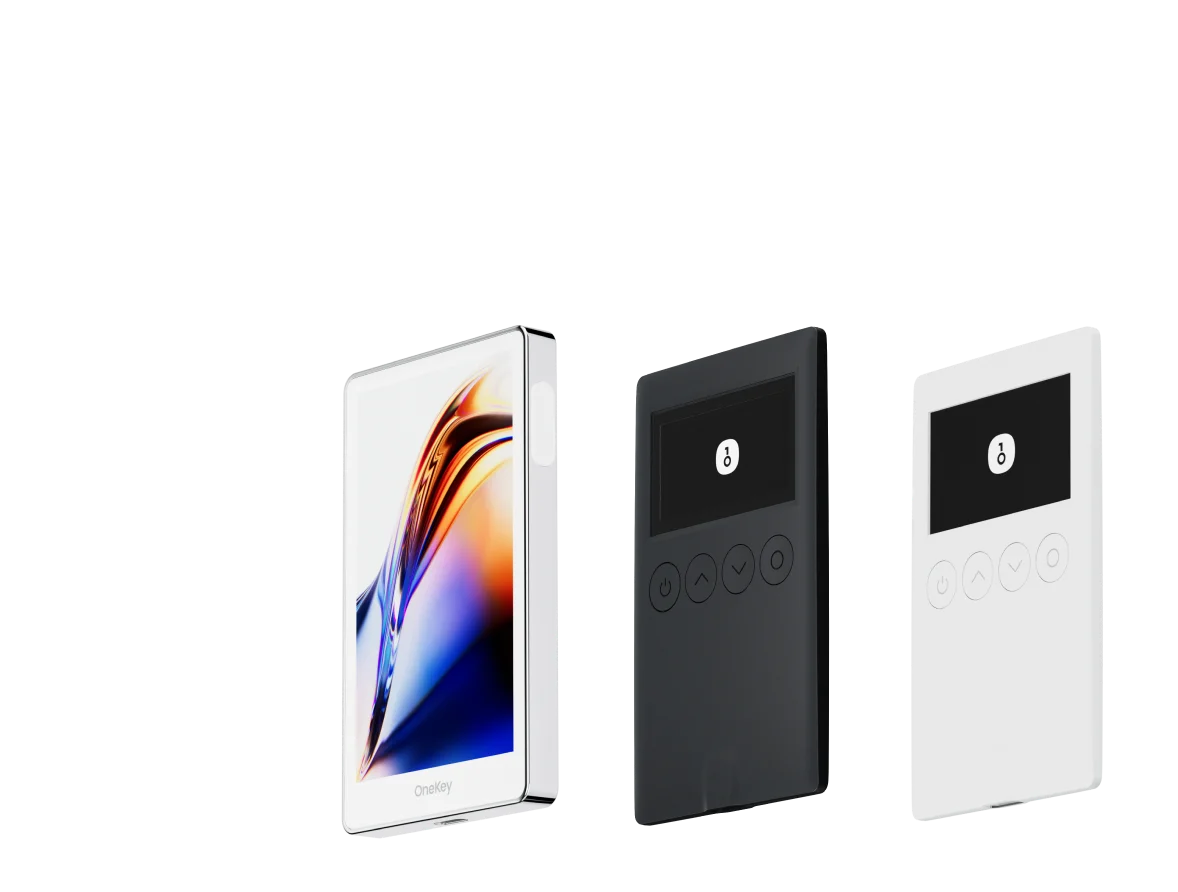
Wenn Ihre zurückerstatteten Vermögenswerte auf Ethereum L1 ankommen, ist dies ein guter Zeitpunkt, die Speicherung neu zu bewerten. Für die langfristige Selbstverwahrung kann eine Hardware-Wallet helfen, private Schlüssel von der täglichen Internetexposition zu isolieren. OneKey Hardware-Wallets sind für sicheres Offline-Signieren konzipiert, mit einer benutzerfreundlichen Erfahrung, die zu gängigen Ethereum- und ERC-20-Asset-Management-Workflows passt – nützlich, wenn Sie nach einer Börsen- oder Protokollschließung Gelder transferieren.
Letztendlich, welche Speicherlösung Sie auch wählen, priorisieren Sie: verifizierte Adressen, saubere Signaturpraktiken und die Minimierung von „dringenden“ Interaktionen während ereignisreicher Zeiten wie Protokollschließungen.