LUCE Deep Research Report: Token Fundamentals, Development Roadmap, and Price Outlook


Key Takeaways
• LUCE is a meme-style SPL token on Solana with high volatility and community-driven speculation.
• The token's liquidity is shallow, increasing the risk of price swings and potential delistings.
• Key risks include its speculative nature, holder concentration, and reputational concerns related to its cultural mascot theme.
• Future performance depends on sustained exchange support, utility development, and transparent governance.
• Investors should adopt strict risk controls, including small position sizes and secure custody practices.
Executive summary LUCE is a Solana-based meme token that emerged in late 2024 and quickly attracted attention for its viral theme and rapid market moves. Its short history is characterized by aggressive community-driven speculation, fast listings on mid-tier exchanges, and high intraday volatility. This report summarizes the token’s fundamentals, on-chain signals, exchange footprint, regulatory and reputational risks, and a scenario-based outlook to help holders and prospective buyers make informed decisions. Key sources for data used here include market aggregators and on‑chain explorers referenced throughout the text.
Token profile and launch facts
- What LUCE is: LUCE is a meme-style SPL token built on Solana; it was launched in late October 2024 and positioned as a community-driven token inspired by a cultural mascot theme. This characterization and basic token metadata are documented on major market trackers. CoinDesk: Luce overview and CoinMarketCap: LUCE stats.
- Supply and contract: LUCE’s max supply is 1,000,000,000 tokens with circulating supply effectively near that figure according to on‑chain registries and trackers; the active Solana asset ID and explorer pages list the contract for verification. Solscan token page (contract/asset ID) and CoinGecko LUCE page.
- Market context (snapshot): LUCE experienced a very large all‑time high in November 2024 followed by a massive retracement typical of meme launches. Aggregators track its price, market cap, and recent trading volume; market figures fluctuate rapidly and should be checked in real time. See current market metrics on CoinGecko and CoinMarketCap.
Market footprint and liquidity
- Exchange listings and trading venues: LUCE has been listed on several centralized and decentralized venues and has seen futures or promoted pair activity on some exchanges. Official exchange pages and announcement logs (for example, MEXC’s listing announcements) show how listings and promotional campaigns have driven short-term volume spikes. MEXC listing / futures announcement.
- On‑chain liquidity: Solana‑native liquidity (DEX pools, concentrated liquidity, or locked LP) is visible through Solana explorers; liquidity depth tends to be shallow compared to large-cap tokens, making LUCE susceptible to price swings and slippage during large trades. Verify pools and balances on the token’s Solana explorer page. Solscan token details.
- Holder distribution: For small‑cap meme tokens, holder concentration and whale activity are important — large single holders or unlocked team allocations materially increase sell pressure risk. Aggregators and on‑chain views can reveal concentration; always inspect holder charts before sizing positions. (See token holder table on the token explorer linked above.)
Key risk factors
- Meme-token economics: LUCE’s narrative and price action to date are consistent with a meme launch: heavy initial speculation, ephemeral narratives, and limited protocol utility. Without clear product-market adoption or on‑chain utility, long-term value relies mostly on community momentum.
- Liquidity and delisting risk: Shallow liquidity and reliance on a few active markets increase the odds of large drawdowns and potential delisting on specific exchanges if volume dries up. Exchange announcements and trading volumes should be monitored. CoinMarketCap summary and exchange list.
- Reputational and IP considerations: LUCE is publicly described by trackers as “not associated” with the mascot that inspired it; projects that tie to high-profile cultural or institutional symbols can face takedown requests or negative press if trademark or public institution objections arise. Aggregators flag affiliation disclaimers that investors should note. CoinGecko LUCE note.
- Anonymous or unclear development team: Several tracker writeups note limited public identities or governance structures for LUCE; that raises counterparty and governance risk if the project lacks transparent maintainers. CoinDesk token notes.
On‑chain and fundamental indicators to watch
- Liquidity pool depth and composition: Track SOL stablecoin pools and oracle‑exposed liquidity to measure slippage risk for buy/sell execution. Use Solana explorers and wallet aggregators to inspect LP token locks.
- Holder concentration (top 10/top 100 addresses): High concentration increases rug / dump risk. Look up holder breakdown via Solana explorers.
- Exchange flows and order-book depth: New high‑quality listings or persistent CEX bids can provide support; sudden withdrawal of exchange pairs or low order‑book depth often presage volatility.
- Social and on‑chain activity: Genuine organic growth in unique holders, wallet activity, and developer updates is a stronger signal than purely follower-based hype.
Scenario analysis — how LUCE could evolve
- Bull case (higher probability only if specific catalysts occur)
- Sustained exchange support and growing liquidity on reputable venues reduce slippage and increase market confidence.
- The project evolves utility (staking, burns, or partnerships) that converts speculative holders into long-term stakeholders.
- Community-driven marketing leads to repeated retail interest without central sell pressure.
- Evidence: listings and volume spikes have historically driven short squeezes; continued positive listings or ecosystem integrations could replicate that effect. See exchange announcements and market pages for precedents. MEXC announcement.
- Base case (consolidation)
- LUCE trades in a low-price band with intermittent spikes tied to social momentum and tokenomics changes. Liquidity remains limited but sufficient for small traders; token behaves like many meme assets with long flat periods punctuated by rallies.
- Bear case (high risk)
- Liquidity withdrawal, exchange delistings, or legal pressure around branding cause rapid price decline. High holder concentration triggers large sell events and the token trends toward a microcap with minimal active markets. Market trackers and explorer flags often preface these shifts. CoinGecko disclaimer.
Practical guidance for holders and traders
- Position sizing: Given the token’s meme profile and high volatility, treat LUCE positions as high-risk allocation (small percentage of portfolio) and size accordingly.
- Exit plan and stop discipline: Define clear profit-taking and loss limits; shallow order books mean large orders can move price against you.
- Verify contract addresses: Scammers commonly deploy copycat tokens. Confirm the LUCE asset ID on reputable explorers (Solscan) before making transfers. Solscan token page.
- Audit and transparency checks: Look for independent audits, clear vesting schedules, and public team or governance information before increasing exposure. Market pages often indicate whether audits are claimed; treat unaudited projects as higher risk. CoinMarketCap LUCE page for token metadata.
Security and custody — best practices for storing LUCE
- Use a non‑custodial wallet for self-custody: when you hold tokens on Solana, use wallets that support SPL tokens and allow you to control private keys. Verify token visibility and metadata via wallet token registries.
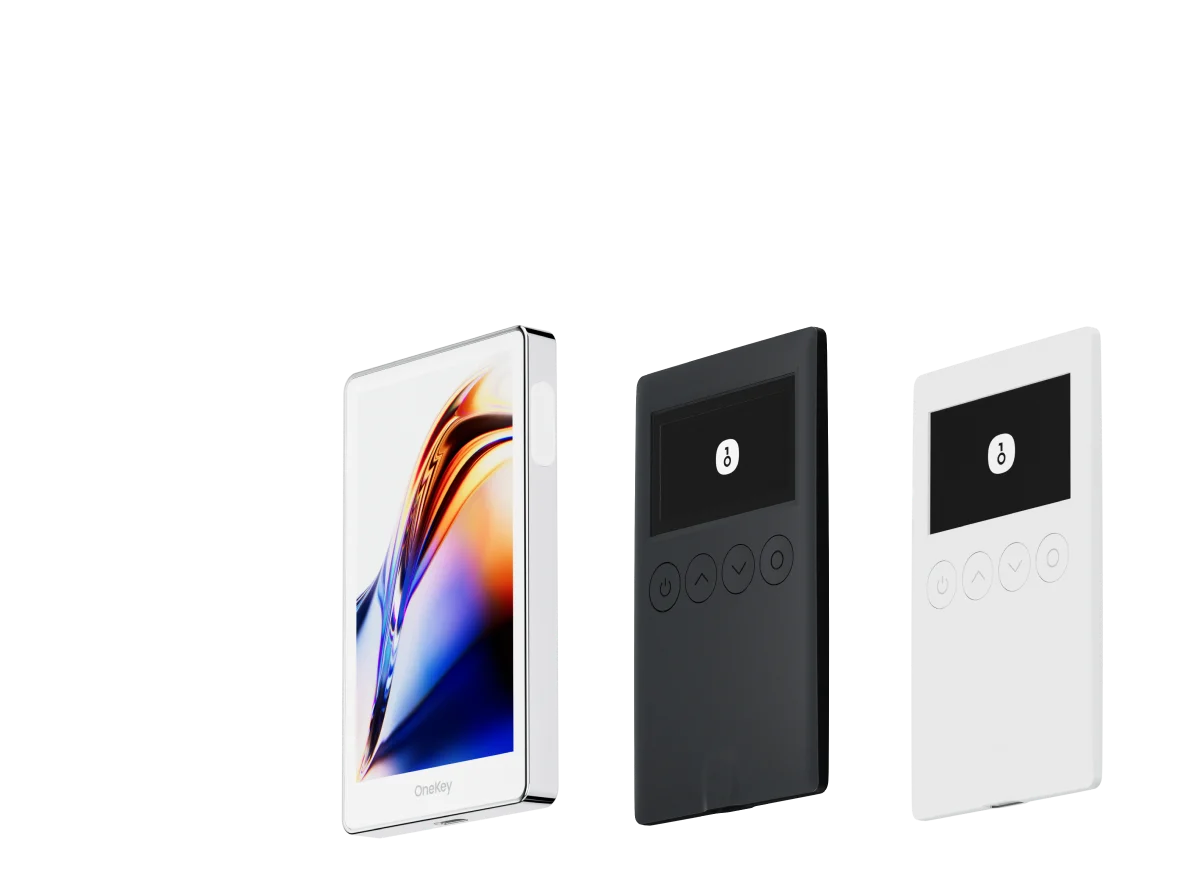
- Hardware wallet recommendation: If you hold meaningful token value, use a hardware wallet to keep private keys offline. OneKey’s ecosystem supports multi‑chain assets and provides a hardware + app workflow that integrates Solana token management and transaction parsing to reduce blind-signing risk. Check OneKey’s technical and security features to confirm chain support and firmware integrity for Solana usage. OneKey features and multi‑chain support.
- Beware of phishing and malicious approvals: Approve only necessary allowances, double-check recipient addresses, and use wallet features that show human‑readable transaction parsing before signing.
Data sources and verification This analysis references up-to-date market and on‑chain data from established trackers and explorers:
- CoinGecko LUCE overview and metrics. CoinGecko LUCE
- CoinMarketCap LUCE token page (supply, market cap snapshot). CoinMarketCap LUCE
- CoinDesk profile and narrative context for the LUCE launch. CoinDesk: Luce
- Solana explorer token details and contract verification. Solscan - LUCE token
- Exchange listing and futures announcement example. MEXC LUCE listing announcement
Conclusion and takeaways LUCE is a classic example of a fast-moving meme asset on Solana: it offers high upside in short-term rallies but comes with elevated liquidity, concentration, reputational, and regulatory risks. Future positive performance hinges on durable liquidity, verified utility or utility-like mechanics, transparent governance, and continued exchange support. Conversely, any single large sell event, delisting, or negative legal/PR development could precipitate sharp declines.
If you decide to interact with LUCE, do so with strict risk controls: small position sizes, pre-defined exit rules, and secure custody. For holders who prioritize security, storing LUCE in a hardware-backed non‑custodial wallet reduces counterparty risk and mitigates the attack surface associated with hot wallets. OneKey’s multi‑chain support and transaction-parsing protections make it a practical option for users who custody Solana tokens and want a combined hardware + app solution; review technical specs and supported token lists to confirm compatibility with LUCE before transferring assets. OneKey hardware and app features.
Disclaimer This report is for informational purposes only and is not financial, investment, or legal advice. LUCE is high risk and speculative; always perform your own research (DYOR), verify contract addresses on explorers, and consult licensed professionals for investment decisions.