Metaplanet CEO Supports Binance: The Bitcoin Network Remains Unaffected, While the Company’s BTC Is Held in Regulated Cold Storage
Metaplanet CEO Supports Binance: The Bitcoin Network Remains Unaffected, While the Company’s BTC Is Held in Regulated Cold Storage
Metaplanet CEO Simon Gerovich has expressed support for Binance and the teams working to address a recent industry event, calling for greater cooperation among participants during periods of market uncertainty.
His comments also highlighted an important distinction for digital-asset users: an incident involving a centralized platform does not automatically represent a failure of the Bitcoin network itself. According to Gerovich, Bitcoin has continued to operate according to its established protocol since its launch in 2009. He further stated that all Bitcoin held by Metaplanet is stored in cold wallets under the custody of a leading regulated provider.
The statement brings renewed attention to several issues that remain central to institutional crypto adoption: the independence of Bitcoin’s underlying infrastructure, the risks associated with custodial platforms, and the importance of secure asset storage.
Bitcoin’s Core Network Operates Independently of Individual Platforms
Bitcoin is a decentralized monetary network rather than a company or a single service provider. Exchanges, custodians, brokers, and asset-management firms provide access to Bitcoin, but none of them controls the protocol as a whole.
The Bitcoin network is maintained by a distributed collection of nodes and miners that verify transactions and enforce consensus rules. As long as participants continue operating compatible software and the network remains secured by its decentralized infrastructure, the blockchain can continue processing transactions even when a particular business experiences operational, regulatory, or security-related challenges.
This separation is one of Bitcoin’s most important design characteristics. A disruption at an exchange may affect deposits, withdrawals, trading services, or customer access. It does not necessarily alter Bitcoin’s monetary policy, transaction history, or consensus mechanism.
Readers seeking a technical overview can review the Bitcoin developer documentation and the original Bitcoin whitepaper.
Exchange Risk and Bitcoin Network Risk Are Not the Same
Market participants often use the word “crypto” to describe several different layers of the ecosystem. In practice, these layers carry different types of risk.
A centralized exchange may face risks related to:
- User-account security
- Withdrawal liquidity
- Internal controls
- Regulatory obligations
- Operational continuity
- Third-party exposure
Bitcoin itself presents a different risk profile. Its security is based on cryptographic verification, decentralized consensus, and a public transaction ledger. Users still face risks, including private-key loss, phishing attacks, malware, and transaction mistakes, but these risks are not identical to the risks of leaving assets on an exchange.
This distinction matters during periods of heightened attention. News surrounding a centralized platform can generate broad market concern, yet users should evaluate whether the event affects the Bitcoin protocol, a specific company, or the custody arrangements used by a particular investor.
For real-time information about network conditions and protocol activity, users can consult resources such as Bitcoin Core and the Bitcoin developer reference.
Why Metaplanet’s Custody Structure Matters
Metaplanet has increasingly positioned Bitcoin as part of its corporate treasury strategy. In his statement, Gerovich emphasized that the company’s Bitcoin holdings are kept in cold storage through a regulated custody institution.
Cold storage generally refers to keeping private keys offline or in an environment isolated from routine internet access. By reducing the exposure of signing credentials to online systems, cold-storage arrangements can help limit certain attack vectors, including remote compromise and unauthorized withdrawals.
For institutions, custody is not simply a matter of placing assets in an offline wallet. A professional framework may also include:
- Clearly defined authorization procedures
- Segregation of duties
- Transaction approval policies
- Backup and recovery processes
- Compliance monitoring
- Audit and reporting controls
- Insurance or legal protections, where applicable
A regulated custodian may provide operational infrastructure designed to meet institutional requirements. However, regulation does not eliminate all risk, and investors should still assess the custodian’s legal structure, asset-segregation model, security standards, and withdrawal procedures.
Metaplanet’s approach illustrates a broader trend in the digital-asset market: companies holding Bitcoin on their balance sheets are paying greater attention not only to acquisition strategy, but also to governance and custody architecture. Metaplanet publishes corporate disclosures through its official investor relations page, allowing market participants to follow its publicly reported developments.
Self-Custody Remains Relevant for Individual Bitcoin Holders
Institutional custody is not the only way to reduce counterparty exposure. Individual users may also choose self-custody, where they control the private keys associated with their Bitcoin.
Self-custody provides greater direct control, but it also transfers responsibility to the owner. A user must protect recovery information, verify transaction details, avoid malicious software, and establish a secure backup plan. Losing the recovery phrase can mean permanently losing access to funds, while exposing it can allow unauthorized control.
A practical security strategy should therefore include:
- Purchasing hardware from an official and trusted channel.
- Creating the wallet in a private environment.
- Recording the recovery phrase offline rather than storing it in cloud services or screenshots.
- Never sharing the recovery phrase or signing credentials.
- Verifying addresses and transaction details before confirmation.
- Maintaining a tested recovery process without exposing sensitive information.
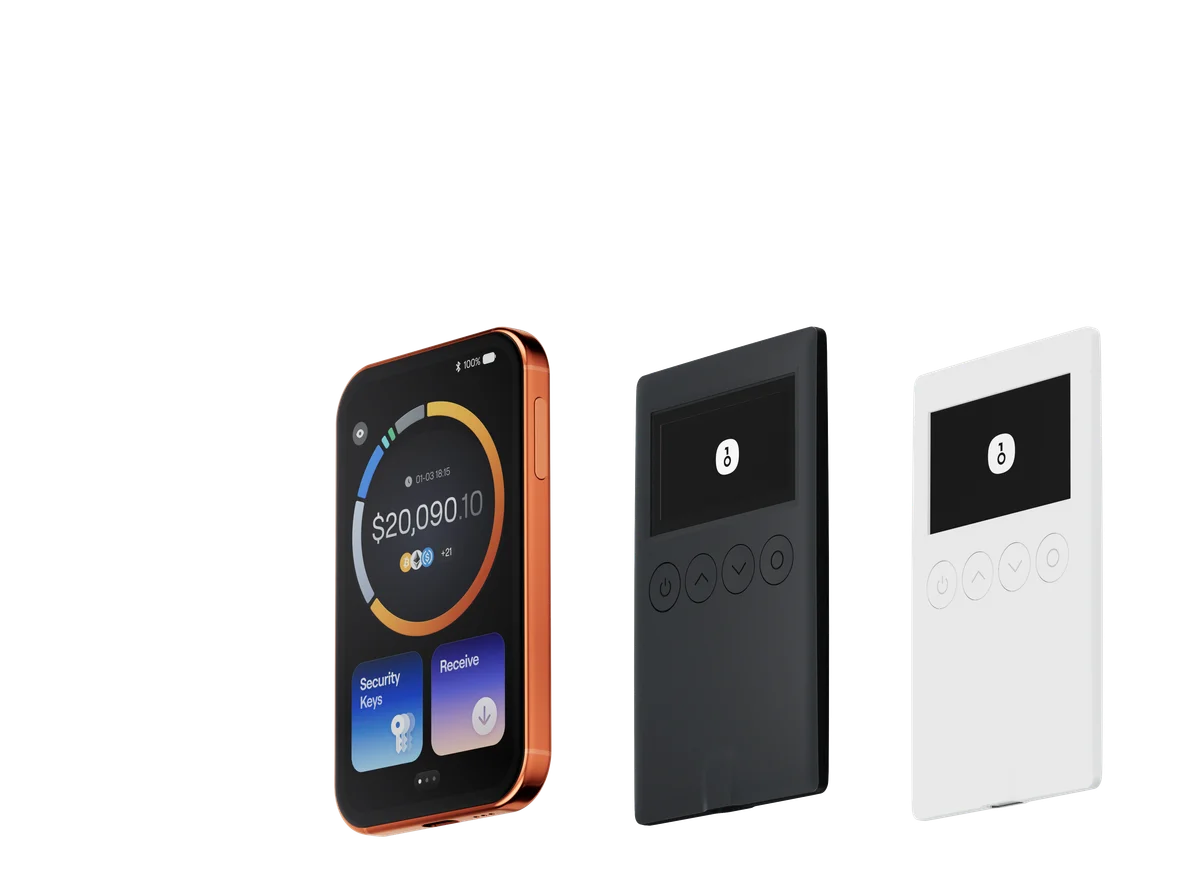
Hardware wallets can help keep private keys isolated from internet-connected devices while allowing users to approve transactions through a dedicated security environment. OneKey offers hardware wallet products designed around offline key protection, transparent transaction confirmation, and support for managing digital assets with greater control over private-key security.
A Reminder to Separate Infrastructure, Custody, and Access
The discussion surrounding Binance and Metaplanet reinforces a broader lesson for the crypto industry: users should distinguish between the Bitcoin network, the platforms that provide access to it, and the custody systems that hold the associated keys.
Bitcoin’s decentralized protocol may continue operating normally even when a service provider faces difficulties. At the same time, the way an individual or company stores its assets can significantly influence its exposure to operational and counterparty risk.
For long-term holders, a balanced approach may include understanding how Bitcoin works, limiting unnecessary exchange exposure, choosing custody arrangements carefully, and maintaining disciplined key-management practices. Whether assets are held through a regulated institution or secured through personal cold storage, the fundamental objective remains the same: protect access to the private keys and ensure that custody procedures match the holder’s risk profile.