MiCA, No-KYC Self-Custody, and What EU Traders Can Still Do
Introduction Source: MiCA text. Source: MiCA text.
In 2023, the European Union adopted the Markets in Crypto-Assets Regulation, better known as MiCA. Its rules have been rolling out in phases across 2024 and 2025, creating one of the first comprehensive regional frameworks for crypto assets.
MiCA sets clear obligations for stablecoin issuers, exchanges, custodians, and other crypto-asset service providers. But many EU traders misunderstand its scope. A common concern is that simply using a crypto wallet will require mandatory KYC.
That is not what MiCA says. This article explains where MiCA applies, where it does not, and why EU users still retain the right to use self-custody wallets without registering the wallet itself or completing KYC just to hold their own keys.
What MiCA Actually Regulates
MiCA primarily regulates crypto-asset service providers, usually referred to as CASPs. These include:
- Centralized exchanges
- Crypto custody providers
- Stablecoin issuers
- Crypto-asset advisory and portfolio management services
Under MiCA, CASPs operating in the EU must obtain authorization and meet requirements around customer due diligence, AML controls, disclosures, capital standards, and operational conduct.
MiCA does not directly regulate every crypto interaction. Areas that are generally outside MiCA’s direct scope include:
- Peer-to-peer transfers between individuals
- Fully decentralized DeFi protocols with no intermediary
- Non-custodial wallets used by individuals, also known as self-custody wallets
In practical terms, MiCA is aimed at regulated service providers, not at private key ownership itself.
Self-Custody Wallets: A Right MiCA Does Not Remove
MiCA’s rules around non-custodial wallets focus mainly on how CASPs interact with them. The key takeaway is simple:
Holding and using a non-custodial wallet is not, by itself, subject to MiCA authorization or KYC.
EU users do not need to register a self-custody wallet with an authority, and they do not need to submit KYC information simply because they use a wallet where they control the private keys.
Where MiCA creates obligations, those obligations generally fall on CASPs. For example, if a regulated exchange sends assets to a customer’s non-custodial wallet, the exchange may need to perform due diligence on the transfer or wallet address. That is an obligation for the exchange, not a licensing requirement for the wallet holder.
The Travel Rule and Self-Custody Wallets
MiCA also sits alongside the EU’s Transfer of Funds Regulation, often called the Travel Rule. Under these rules, CASPs must collect and transmit certain sender and recipient information for qualifying crypto transfers, including transfers above EUR 1,000.
The important distinction is this:
The Travel Rule requires the CASP to collect and record information. It does not require your self-custody wallet to register with a regulator.
For example, if you withdraw crypto from an EU-regulated exchange to your own cold wallet, the exchange may need to record your wallet address and related customer information. But your wallet itself does not become a regulated service provider, and you do not need to file a separate wallet registration with an authority.
CASPs vs Self-Custody Users
MiCA draws a practical line between regulated businesses and individual users.
CASPs may need to:
- Obtain authorization in the EU
- Run KYC and AML checks
- Maintain compliance systems
- Provide required disclosures
- Meet capital and governance standards
Self-custody users generally do not need to:
- Register a personal wallet
- Complete KYC just to hold private keys
- Obtain authorization to use non-custodial software
- Report a wallet simply because they control it
This distinction matters for traders. Using a regulated exchange is different from holding assets in a wallet where you control the keys and connect directly to decentralized protocols.
What This Means for EU Traders in Practice
Under the MiCA framework, EU users can still use self-custody wallets and connect to decentralized protocols without registering the wallet itself for KYC.
That can include accessing non-custodial perpetual trading venues such as Hyperliquid, using DeFi derivatives protocols such as GMX, or interacting directly with other DeFi applications from a wallet you control.
The main impact for individual traders is usually at the point where they use a regulated CASP. If you open an account with an EU-regulated exchange, that exchange will likely require KYC. If you then move assets to a self-custody wallet and interact with DeFi, MiCA does not directly turn your personal wallet into a regulated entity.
The European Securities and Markets Authority, ESMA crypto-assets, continues to publish and update guidance around DeFi, crypto services, and self-custody. For now, the core regulatory focus remains on service providers rather than individuals merely holding their own keys.
Using OneKey for Compliant Self-Custody
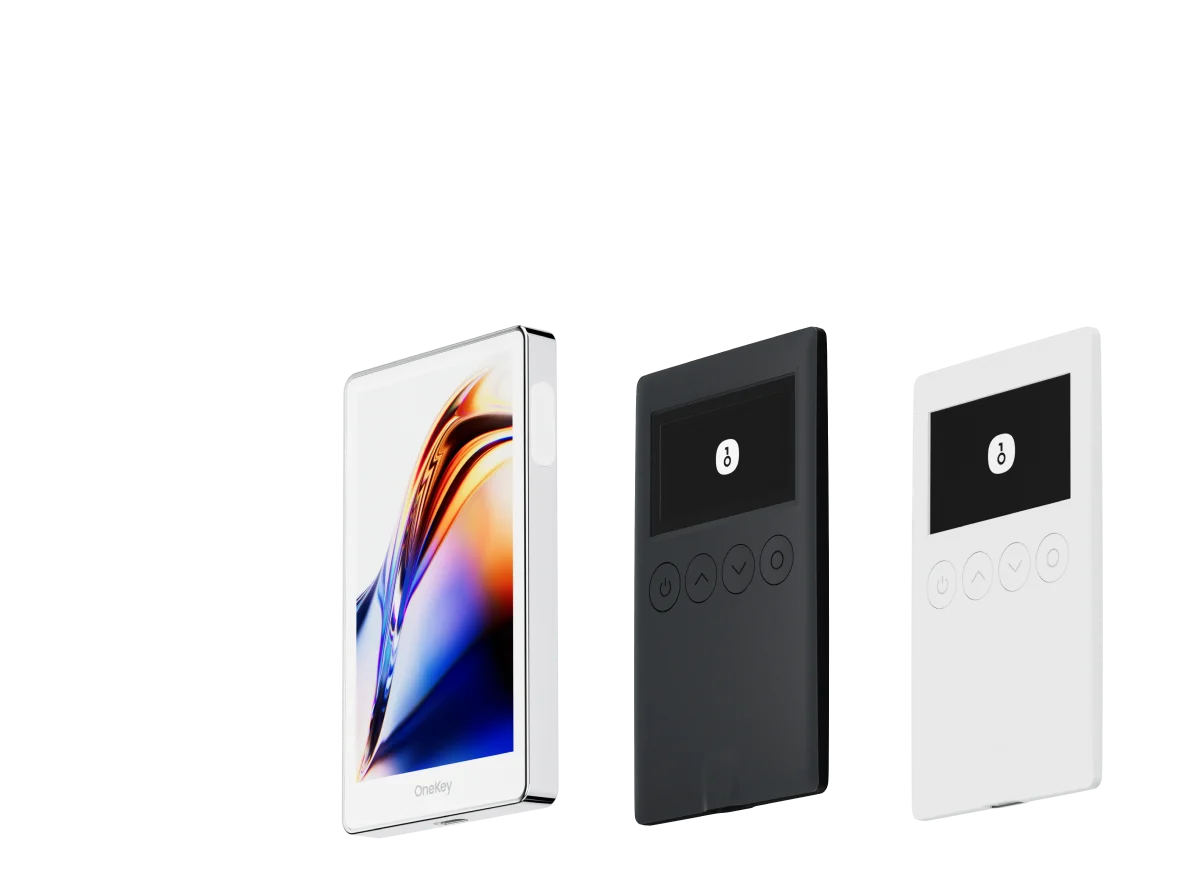
OneKey Wallet is a fully non-custodial self-custody wallet. Private keys are generated and stored locally by the user. OneKey cannot access user funds, and no third party can move assets on the user’s behalf.
That aligns with the basic concept of a non-custodial wallet: the user controls the assets, rather than relying on a CASP to custody them.
For EU traders who want to keep control of their assets while accessing on-chain trading, OneKey offers a practical workflow:
- Hold funds in a self-custody wallet where you control the keys.
- Connect directly to supported decentralized trading venues.
- Use OneKey Perps for a self-custody perpetuals experience.
- Keep exchange exposure limited to the parts of your workflow where you actually need a regulated on-ramp, off-ramp, or centralized service.
OneKey’s code is open source and available for review on GitHub, which supports transparency and independent auditability.
If you want a straightforward self-custody setup, download OneKey Wallet and try OneKey Perps from within the OneKey ecosystem. It is a practical way to trade while keeping custody of your own assets.
FAQ
Q1: Does MiCA force me to complete KYC before using a crypto wallet?
No. MiCA’s KYC obligations apply to CASPs such as exchanges and custodians. They do not apply to an individual simply holding or using a non-custodial wallet.
Q2: What happens if I withdraw more than EUR 1,000 from an EU exchange to my OneKey Wallet?
Under the Transfer of Funds Regulation, the exchange may need to collect and record information about the transfer and wallet address. That obligation sits with the exchange. Your OneKey Wallet itself does not need to register with a regulator just because you receive the withdrawal.
Q3: Can EU users access Hyperliquid or GMX without KYC?
At the time of writing, non-custodial decentralized protocols such as Hyperliquid and GMX can generally be accessed without exchange-style KYC. However, the regulatory environment is evolving, and users should keep up with current rules, guidance, and local implementation in their member state.
Q4: Does MiCA have no impact on DeFi at all?
MiCA generally excludes fully decentralized services with no intermediary from its direct scope. However, if a protocol has a centralized front end, operator, or governance structure that functions like a service provider, regulators may assess it differently. The details matter.
Q5: Does MiCA affect stablecoin holdings in the EU?
MiCA places significant requirements on stablecoin issuers. Individual users holding stablecoins are not directly regulated simply for holding them, but some issuers or platforms may adjust EU services for compliance reasons.
Conclusion and Practical Next Steps
MiCA is an important step in the EU’s regulation of the crypto market, but its main target is service providers, not ordinary users holding assets in self-custody. EU traders still have a clear path to use non-custodial wallets and decentralized protocols without registering a personal wallet or completing KYC solely to control their own keys.
For a practical setup, use OneKey Wallet for self-custody and OneKey Perps for perpetuals trading from a wallet-based workflow. It helps you keep control of your assets while operating within the broad direction of the EU’s regulatory framework.
Risk Warning
This article is for informational purposes only and does not constitute legal, compliance, tax, or investment advice. Crypto assets are volatile, and trading perpetuals involves significant risk, including the possible loss of principal. EU crypto regulation continues to evolve, and MiCA implementation may vary across member states. Before making investment or compliance decisions, consult a qualified legal or compliance professional.