OKX Jumpstart Lite Adds KAT Staking: Users Can Share 30,000,000 KAT Rewards
OKX Jumpstart Lite Adds KAT Staking: Users Can Share 30,000,000 KAT Rewards
OKX Jumpstart Lite is adding a new staking campaign for KAT, the token associated with Katana. The campaign is scheduled to run from October 19, 2026, at 15:00 to October 24, 2026, at 15:00 (UTC+8), giving eligible participants the opportunity to stake BTC or KAT and share a total reward pool of 30,000,000 KAT.
For users who actively follow crypto launch campaigns, staking-based reward programs have become one of the most accessible ways to participate in early token distribution without directly trading in volatile spot markets. This latest KAT campaign reflects a broader industry trend: exchanges are increasingly using staking, lock-up products, and token incentive programs to connect users with new blockchain ecosystems.
What Is the KAT Staking Campaign on OKX Jumpstart Lite?
The KAT staking campaign allows users to subscribe by locking BTC or KAT during the event period. According to the campaign details, users can begin subscribing before the official reward calculation period starts, but rewards will only begin accruing once the campaign officially opens on October 19.
In practical terms, the event is designed around three key mechanics:
- Users can participate by staking BTC or KAT.
- The total campaign reward pool is 30,000,000 KAT.
- Rewards are calculated during the official event window from October 19 to October 24, 2026.
Users can access the campaign through the event page or via the “Jumpstart” entry in the Discover section of the OKX App. OKX also states that users may subscribe using assets already placed in flexible Simple Earn products, which can reduce the need to manually redeem assets before joining the campaign. More information about OKX’s earn-related products can be found through the official OKX Earn page.
Why Staking Campaigns Continue to Matter in Crypto
Staking and lock-up reward programs remain popular because they sit between passive holding and active trading. For many users, they provide a structured way to put idle assets to work while gaining exposure to emerging crypto projects.
This matters in the current market environment. As the digital asset sector matures, users are becoming more selective about how they allocate capital. Instead of chasing every new listing, many now compare factors such as token utility, ecosystem growth, unlock schedules, liquidity, and smart contract risk before participating.
The broader rise of proof-of-stake networks has also made staking a familiar concept for crypto users. Networks such as Ethereum rely on validator participation for security, and the Ethereum Foundation provides a technical overview of staking in its Ethereum staking documentation. While exchange-run campaigns are different from native network validation, the idea of locking assets in exchange for potential rewards has become widely understood across the industry.
BTC and KAT Subscription Options: What Users Should Consider
The campaign supports BTC and KAT as subscription assets. This creates two different participation profiles.
Staking BTC may appeal to users who already hold bitcoin and want to access campaign rewards without directly purchasing KAT beforehand. Bitcoin remains the most established crypto asset by market capitalization, and its role as a base asset in reward programs continues to be significant. For background on Bitcoin’s original design, users can review the Bitcoin white paper.
Staking KAT, on the other hand, may be more suitable for users who already have exposure to the Katana ecosystem or who are specifically interested in accumulating more KAT. However, token-specific staking can carry higher volatility risk because the value of both the staked asset and the distributed reward may fluctuate.
Before joining, users should review:
- Lock-up period and redemption rules
- Reward calculation methodology
- Individual subscription limits
- Token liquidity after distribution
- Eligibility restrictions by region
- Potential market volatility during and after the campaign
No staking or reward campaign should be treated as risk-free. Even when the reward pool is fixed, the final value of rewards depends on token price, market depth, and broader crypto market conditions.
The Bigger Picture: Launch Campaigns and Token Distribution in 2026
Token launch models have evolved significantly over the past several cycles. Earlier crypto markets often relied heavily on public sales, initial exchange offerings, or liquidity mining. Today, many platforms use hybrid distribution models that combine community incentives, exchange access, ecosystem quests, staking campaigns, and airdrops.
This shift reflects a practical challenge for new blockchain projects: attracting users is not enough; projects must also retain meaningful participation. Staking-based campaigns can help by rewarding users who are willing to commit capital for a defined period, rather than simply buying and selling immediately after launch.
At the same time, users have become more aware of the risks around token incentives. High headline reward pools can attract attention, but sustainable value depends on real adoption, developer activity, and transparent token economics. For this reason, users should look beyond the reward number and evaluate the fundamentals behind the token and its ecosystem.
How to Approach the KAT Reward Opportunity Responsibly
For users interested in the OKX Jumpstart Lite KAT campaign, a disciplined approach is important. A reward pool of 30,000,000 KAT may sound attractive, but participation should still fit within a broader portfolio strategy.
Here are several practical steps to consider:
-
Read the campaign rules carefully
Confirm the start time, end time, supported assets, subscription limits, and reward distribution process before locking funds. -
Avoid overexposure
Do not allocate more BTC or KAT than you are comfortable locking for the campaign period. -
Understand token volatility
KAT rewards may fluctuate in value after distribution, especially if market liquidity is thin or early participants sell aggressively. -
Check account and regional eligibility
Exchange campaigns may not be available to every user in every jurisdiction. -
Plan custody after rewards are received
If you intend to hold KAT or other digital assets long term, consider how you will secure them outside of active trading environments.
Security Reminder: Rewards Are Only One Part of the Crypto Experience
Many crypto users focus on earning opportunities but overlook asset security. Exchange-based campaigns can be convenient for participation, but long-term asset protection requires a separate mindset. Private keys, seed phrases, withdrawal addresses, phishing protection, and device security all matter.
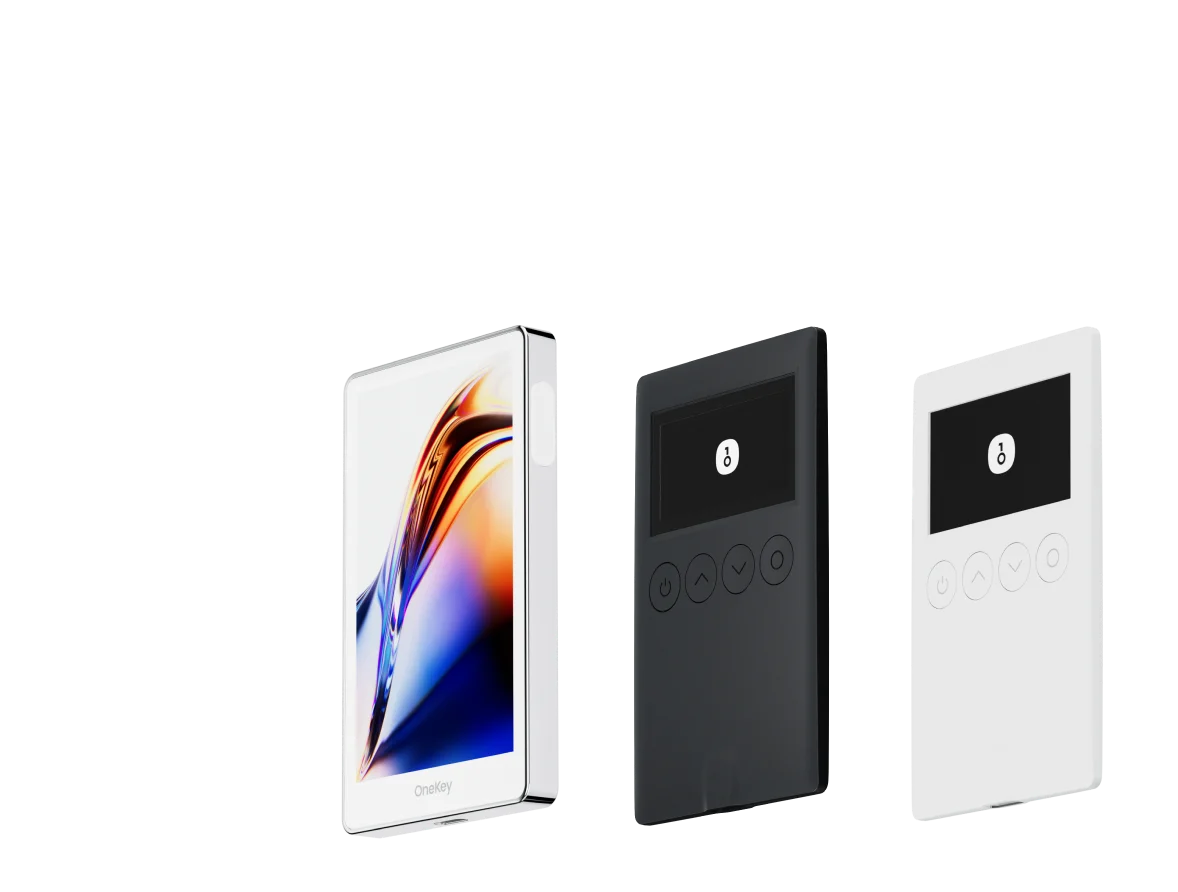
For users who plan to hold crypto beyond short-term campaigns, self-custody can play an important role. OneKey hardware wallets are designed to help users manage private keys offline, verify transactions securely, and reduce exposure to online attack surfaces. This can be especially relevant after receiving staking rewards or reallocating assets from exchange products into long-term storage.
Final Thoughts
The OKX Jumpstart Lite KAT staking campaign gives users another way to engage with a new token distribution event by locking BTC or KAT and sharing 30,000,000 KAT in rewards. It also highlights a larger trend in crypto: exchanges and blockchain projects continue to experiment with incentive-based onboarding models that combine staking, airdrops, and ecosystem participation.
As always, users should balance opportunity with caution. Review the campaign terms, understand the assets involved, and think carefully about custody after participation. In crypto, earning potential and security discipline should go hand in hand.