OKX Launches Simple Options for Tokenized Stocks
OKX Launches Simple Options for Tokenized Stocks
OKX has introduced a new product called Simple Options, giving users access to options trading on selected tokenized stock markets. The first available instruments are xSPCX, xMU, xGOOGL, and xNVDA, representing market exposure linked to major U.S. equity names.
The launch reflects a broader trend in the blockchain industry: traditional financial products are increasingly being represented in digital form and made accessible through crypto-native platforms. For users who already manage digital assets, tokenized stocks and blockchain-based derivatives may offer a more flexible way to express market views, diversify exposure, or manage portfolio risk.
What Are OKX Simple Options?
Simple Options are designed to reduce the complexity often associated with conventional options trading. Instead of navigating a full derivatives interface, users can select one of four basic strategies:
- Buy a call
- Buy a put
- Sell a call
- Sell a put
The product supports 24/7 quote-based trading, with a minimum order size of one share. Before confirming a trade, users can review key information such as the option premium, breakeven price, and potential profit or loss.
According to the product information shared by OKX, pricing is presented as an all-in quote, with no additional trading fee charged separately. Users can access the feature through the OKX App by selecting Trade → Options → Simple Options.
Four Basic Strategies Explained
Options can serve different purposes depending on a trader’s expectations and portfolio structure.
Buying a Call
A call option may be suitable for users who expect the price of the underlying tokenized stock to rise. Rather than purchasing the underlying exposure directly, the trader pays a premium for the opportunity to benefit from an upward move.
The maximum loss for a buyer is generally limited to the premium paid. However, the underlying asset must move sufficiently before expiration or settlement for the position to become profitable.
Buying a Put
A put option may be used when a trader anticipates a decline in the underlying asset. It can also serve as a form of downside protection for an existing position, depending on the product’s terms and settlement mechanism.
Buying a put does not eliminate all portfolio risks. Pricing, expiration, volatility, and the relationship between the tokenized asset and its reference market can all affect the final result.
Selling a Call
Selling a call allows the option seller to receive a premium. This may be useful for users seeking additional income from an existing position or expressing a view that the underlying asset will remain below a certain level.
However, option sellers take on additional obligations. Potential losses and collateral requirements can vary depending on the structure of the product, making it essential to understand the settlement rules before placing an order.
Selling a Put
A put seller also collects a premium and may use the strategy when they believe the underlying asset will remain above the relevant strike level. In some cases, this approach can be connected to a plan to acquire exposure at a predetermined price.
Selling puts is not the same as placing a simple buy order. A sharp decline in the underlying asset may create substantial losses, and traders should review the maximum loss scenario, collateral requirements, and settlement conditions in advance.
For a general introduction to options terminology and risks, users can consult the U.S. Securities and Exchange Commission’s investor education materials.
Why Tokenized Stock Options Matter for Crypto Users
Traditional financial markets and blockchain networks are gradually becoming more connected. Tokenization can represent claims, exposure, or economic references to real-world assets in a digital environment, potentially improving accessibility and programmability.
For crypto users, tokenized stock options may offer several practical benefits:
-
Extended market access
Digital asset users can explore equity-linked strategies without leaving a crypto-focused trading environment. -
Flexible market views
Traders can express bullish, bearish, or neutral expectations using different option combinations. -
Portfolio hedging opportunities
Put options may help manage downside exposure, although they should not be treated as a guaranteed hedge. -
24/7 availability
Unlike traditional stock markets with fixed trading sessions, the product supports continuous quote-based access. This may be particularly relevant to global users operating across multiple time zones. -
Transparent pre-trade information
Showing the premium, breakeven level, and possible profit or loss before execution can help users evaluate a trade more systematically.
At the same time, tokenized assets are not automatically equivalent to directly holding the underlying stock. Users should confirm what each instrument represents, how prices are determined, whether ownership or voting rights are included, and how settlement is handled. The specific terms published by the platform remain the most important reference.
Key Risks to Understand Before Trading
Options can provide defined strategies, but they also introduce risks that may not exist in ordinary spot trading.
Time and Volatility
An option’s value may change because of time decay, implied volatility, and price movements in the underlying market. Even if the underlying asset moves in the expected direction, the option may still lose value if the movement is too small or occurs too late.
Liquidity and Pricing
A quote-based product may use a platform-provided price rather than a traditional order book. Users should compare the quoted premium with the potential payoff and pay attention to execution conditions, quote validity, and settlement timing.
Reference Asset Risk
The price of a tokenized stock may not perfectly match the price of the referenced traditional asset at all times. Market hours, liquidity conditions, oracle mechanisms, issuer arrangements, and platform rules can affect the relationship between the two.
Selling Options
Selling calls or puts can generate premium income, but the risk profile is different from buying options. Before opening a short option position, users should understand the collateral model, potential loss range, early settlement rules, and what happens during extreme market conditions.
Regulatory and Product Terms
Tokenized securities and derivatives may be subject to different legal and regulatory requirements depending on the user’s jurisdiction. Availability can also vary by region. Traders should review the relevant OKX terms and product disclosures before using the service.
How Simple Options Fit Into the Broader Blockchain Market
The launch comes as the blockchain sector continues to expand beyond cryptocurrencies into tokenized representations of traditional assets, programmable settlement, and digital financial infrastructure. Research from the Bank for International Settlements on tokenization highlights how distributed ledger technology can connect asset ownership, trading, and settlement within a more programmable framework.
For the crypto industry, this development raises an important question: will tokenized assets become a bridge between traditional markets and decentralized finance, or will they mainly serve as centralized digital wrappers for existing financial products?
The answer will likely depend on several factors, including regulatory clarity, asset transparency, custody arrangements, market liquidity, and user demand. Products such as Simple Options are part of this experimentation, combining familiar derivatives structures with the always-on accessibility associated with crypto platforms.
A More Structured Approach for Users
Simple Options may be easier to navigate than a fully featured derivatives terminal, but a simpler interface does not eliminate the underlying risk. Before trading, users may want to work through the following checklist:
- Identify whether the position is bullish, bearish, or intended as a hedge.
- Check the premium and breakeven price.
- Review the maximum possible loss.
- Confirm the expiration or settlement mechanism.
- Understand whether the product provides ownership rights or only price exposure.
- Consider the impact of volatility and time decay.
- Verify regional availability and applicable product restrictions.
- Avoid committing funds that cannot withstand a complete loss.
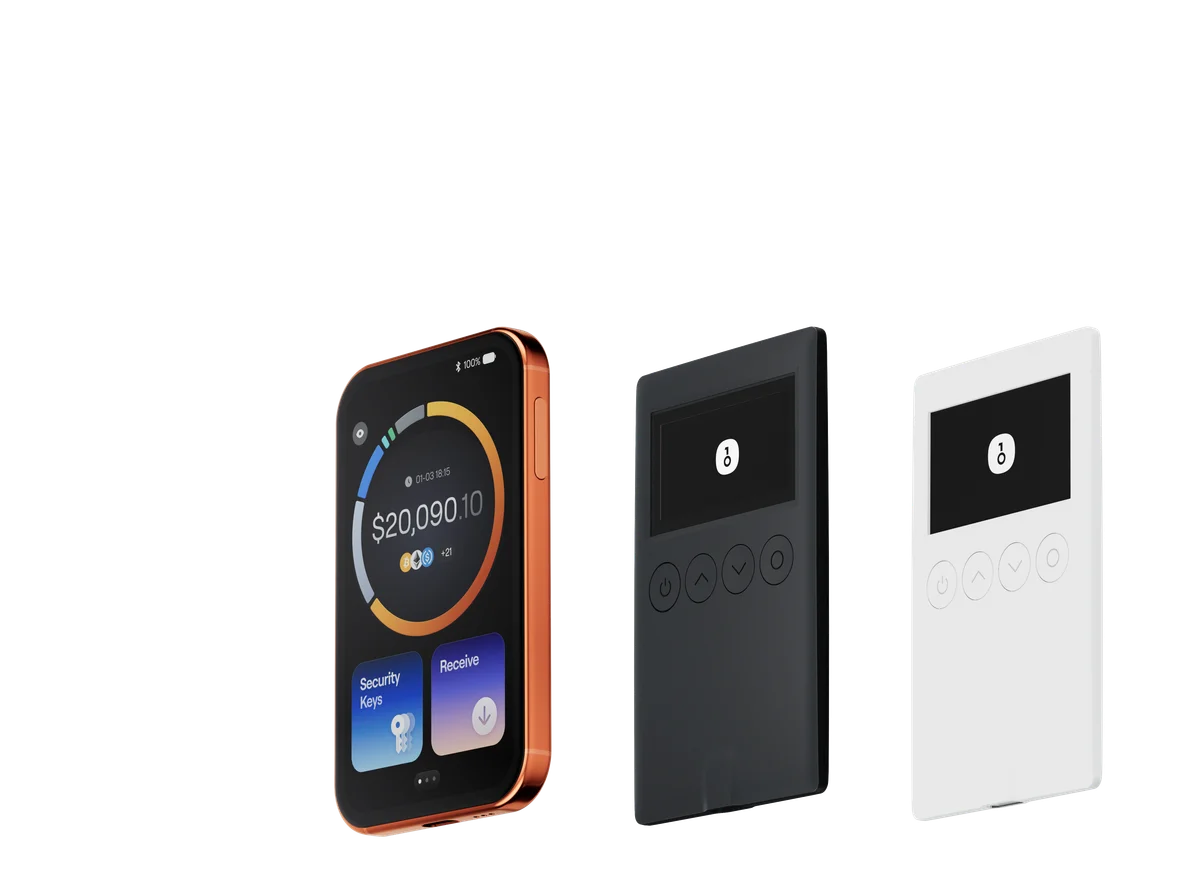
For users managing digital assets across multiple platforms, operational security is equally important. A hardware wallet such as OneKey can provide an offline environment for protecting supported crypto assets and signing transactions, helping reduce exposure to online threats. It does not replace the risk controls required for options trading, and users should confirm compatibility before connecting any wallet to a third-party application.
Final Thoughts
OKX’s Simple Options product brings four familiar options strategies to a crypto-native interface and adds support for selected tokenized stock instruments, including xSPCX, xMU, xGOOGL, and xNVDA. With 24/7 quote-based trading, one-share minimum orders, and pre-trade profit-and-loss information, the product is positioned as an accessible entry point for users exploring equity-linked derivatives.
The most important consideration is not simply whether a trader expects an asset to rise or fall. It is whether the chosen strategy, premium, settlement terms, and risk profile match the user’s broader portfolio plan. As tokenization continues to develop, disciplined risk management and careful review of product documentation will remain essential.