OKX Strengthens Asset Protection With Large Withdrawal and Nighttime Withdrawal Controls
OKX Strengthens Asset Protection With Large Withdrawal and Nighttime Withdrawal Controls
Crypto security is moving beyond passwords, 2FA, and withdrawal address whitelists. As digital assets become more widely used across trading, payments, C2C markets, and API-based operations, exchanges are increasingly adding behavioral risk controls that help users slow down suspicious outflows before funds leave the platform.
OKX has introduced two new account security features: Large Withdrawal Protection and Nighttime Withdrawal Protection. Both tools are designed to give users more control over when and how assets can be transferred out of their accounts, especially during high-risk scenarios such as account takeover attempts, SIM-swap attacks, phishing, or compromised API keys.
According to OKX, users can configure these protections in Security Center > Advanced Security Settings.
What OKX’s New Withdrawal Protections Do
The two new controls focus on a simple but important idea: not every withdrawal should be treated the same.
A small, routine transaction may not require the same level of friction as a large cross-channel outflow. Likewise, a withdrawal made during a user’s normal active hours may be less suspicious than one triggered late at night when the account owner is unlikely to respond quickly.
Large Withdrawal Protection
Large Withdrawal Protection allows users to set a custom 24-hour cumulative outbound transfer threshold across supported channels. The maximum configurable threshold is equivalent to 10 million USD.
This means users can define a daily risk limit based on their own asset size and operational needs. Once the configured threshold is reached, additional outgoing activity may be restricted or require further security handling depending on the platform’s rules.
For active traders, institutions, and high-net-worth users, this type of configurable limit can help reduce the damage window in the event of credential compromise. It also aligns with a broader trend in crypto account security: platforms are moving from static login protection toward dynamic transaction-level risk management.
Nighttime Withdrawal Protection
Nighttime Withdrawal Protection is available to KYC users and allows them to set a daily protected period of up to 12 hours. During that selected window, several types of outbound or asset-moving actions can be blocked, including:
- On-chain withdrawals
- C2C selling
- API withdrawals
- Pay-related top-ups
This is particularly relevant because many attacks happen when users are offline, asleep, or unable to react quickly to security alerts. By creating a scheduled protection window, users can reduce the risk of unauthorized withdrawals being executed during low-response hours.
Why Withdrawal Security Matters More in 2025
Crypto users are facing a more complex threat environment in 2025. Attackers no longer rely only on obvious phishing links or fake giveaways. More sophisticated tactics now include malware-infected browser extensions, fake customer support accounts, compromised cloud backups, malicious approval requests, and social engineering campaigns targeting exchange accounts.
Industry research has repeatedly shown that stolen credentials, private key compromise, and social engineering remain major risk factors in digital asset theft. The broader crypto crime landscape continues to evolve, with illicit actors adapting quickly to new products and user behaviors, as discussed in Chainalysis’ latest coverage of crypto crime trends.
For centralized exchange users, the key concern is often not just whether an attacker can log in, but whether they can move assets out before the real owner notices. That is why withdrawal protection, device management, address allowlists, anti-phishing codes, passkeys, and API permission controls are becoming essential parts of crypto asset protection.
A Shift From Access Security to Outflow Security
Traditional account security focuses heavily on access:
- Can someone log in?
- Did they pass 2FA?
- Is the device recognized?
- Was the password correct?
These checks are still important, but crypto has a unique challenge: once assets are withdrawn on-chain, transactions are generally irreversible. Public blockchains are designed for final settlement, which is one of their core strengths, but it also means users need stronger safeguards before funds leave an account.
OKX’s new features reflect a growing industry emphasis on outflow security. Instead of only asking whether an account session is valid, platforms are increasingly evaluating whether a withdrawal pattern makes sense.
Important risk signals may include:
- Transaction size
- Time of day
- Withdrawal frequency
- API activity
- Destination address history
- Recent password or 2FA changes
- Device and location changes
For users, this means better protection can come from layered controls rather than relying on a single security feature.
Who Should Consider Enabling These Features?
These settings may be useful for many types of crypto users, but they are especially relevant for the following groups.
Long-Term Holders
Users who do not need frequent withdrawals can set stricter limits and longer nighttime protection windows. If most assets are intended for long-term holding, reducing withdrawal flexibility can be a security advantage.
Active Traders
Traders often keep funds on exchanges for liquidity. Large Withdrawal Protection can help create a safety boundary without fully limiting normal trading activity.
API Users
API keys are powerful and should be treated with care. If an API key is compromised, attackers may attempt automated withdrawals or fund movement. Combining limited API permissions with withdrawal protection can reduce exposure.
C2C and Payment Users
Because the new nighttime protection also covers C2C selling and Pay-related top-ups, it may be useful for users who interact with multiple OKX services and want broader protection during inactive hours.
Practical Security Tips for OKX Users
The new controls are helpful, but they should be part of a wider security strategy. Users should consider the following practices:
-
Set a realistic withdrawal threshold
Avoid setting the threshold too high by default. Choose a limit that reflects your actual daily needs. -
Use a nighttime protection window that matches your routine
If you are usually offline between midnight and morning, that period may be a good candidate for scheduled protection. -
Review API permissions regularly
Disable withdrawal permissions unless absolutely necessary. Delete unused API keys. -
Enable anti-phishing protection
Anti-phishing codes help users distinguish legitimate platform emails from fake messages. -
Use strong authentication methods
Prefer app-based authentication or passkeys where supported. Avoid relying solely on SMS if alternatives are available. -
Separate trading funds from long-term holdings
Keep only the amount needed for active use on an exchange. Store long-term assets in self-custody when appropriate.
For broader consumer guidance on online financial fraud and cybercrime reporting, users can also refer to the FBI’s Internet Crime Complaint Center annual reports.
Exchange Security and Self-Custody Are Complementary
Exchange-level protections are important because many users need liquidity, trading tools, fiat access, and payment services. However, exchange accounts and self-custody wallets solve different problems.
A centralized exchange can improve account safety through risk engines, withdrawal rules, monitoring, and compliance controls. A hardware wallet, by contrast, helps users control private keys directly and reduce reliance on online account credentials.
For users who hold assets for the long term, combining both approaches can be more resilient:
- Use exchanges for trading and liquidity.
- Use withdrawal limits and time-based protection to reduce account risk.
- Move long-term holdings to self-custody.
- Verify addresses carefully before transferring funds.
- Keep recovery phrases offline and never share them.
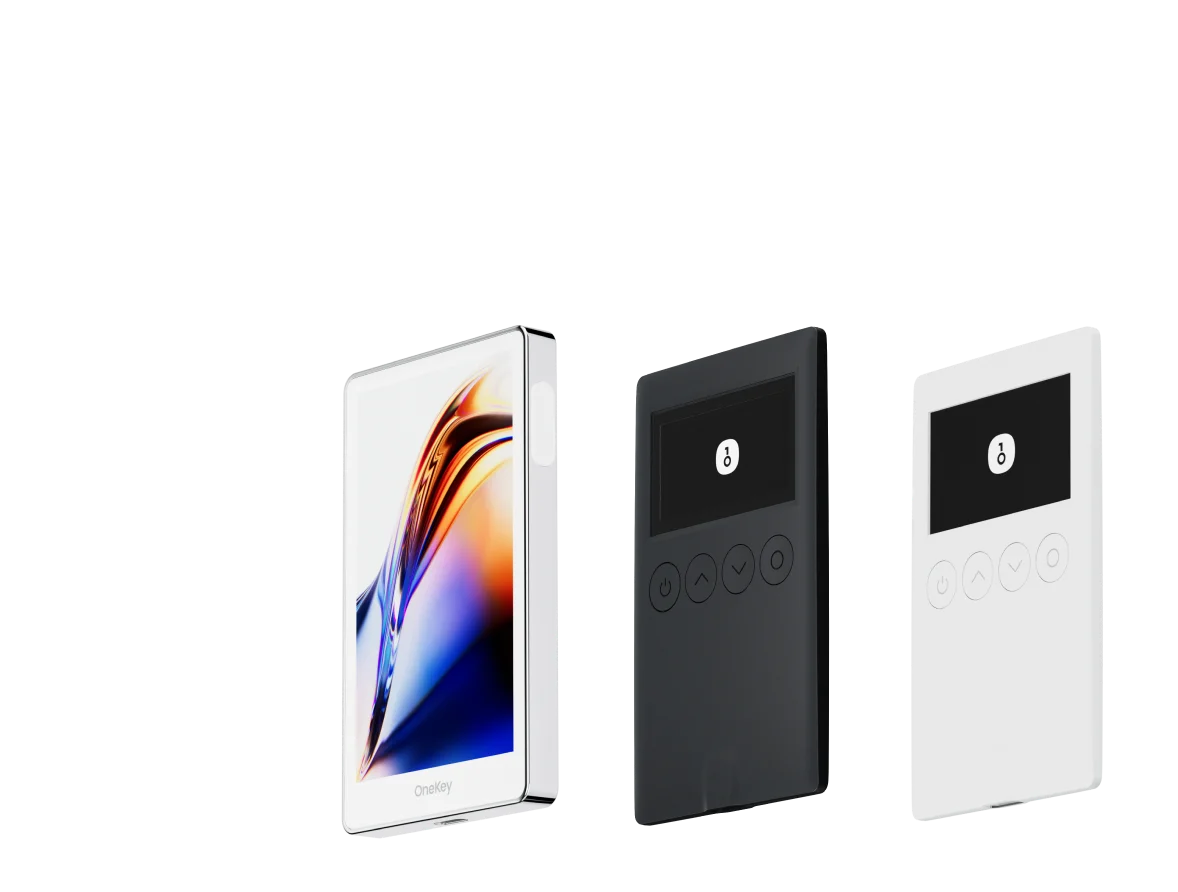
OneKey hardware wallets are designed for users who want secure self-custody with offline private key protection, transaction verification, and support for major crypto assets. When used alongside exchange security settings such as withdrawal limits and protected time windows, self-custody can form part of a more complete digital asset security strategy.
The Bigger Picture
OKX’s rollout of Large Withdrawal Protection and Nighttime Withdrawal Protection highlights a broader direction for the crypto industry: user security is becoming more customizable, contextual, and transaction-aware.
As crypto adoption expands, users need tools that reflect real-world behavior. Not every account has the same risk profile. Not every withdrawal is routine. And not every user can respond instantly to alerts at all hours.
By giving users more control over withdrawal thresholds and daily protection periods, OKX is adding meaningful friction at the point where it matters most: before assets leave the account. For crypto users in 2025, that kind of layered protection is no longer optional. It is becoming a core part of responsible asset management.